Quick Answer
Ghosting, bleeding, and smudging are common bullet journal issues, but they are preventable. Choose high-quality, thick paper like the 160gsm used in Tsuki journals, use the right pens, and allow ink to dry completely before closing the page. If you're already experiencing these problems, switch to a journal with heavier paper and adopt blotting and quick-drying techniques.
If you've ever opened your bullet journal to find faint outlines of previous pages (ghosting), ink seeping through to the next page (bleeding), or smudged letters ruining a beautiful spread, you're not alone. These three issues are the most common frustrations for bullet journal enthusiasts, but they are also the most preventable. In this guide, we'll break down each problem, explain its root cause, and provide actionable fixes—including product recommendations that can make a world of difference.
Whether you're a seasoned planner or just starting your bullet journal journey, understanding how paper weight, ink type, and drying time interact is key. We'll also highlight specific journals and tools from NotebookTherapy that are designed to minimize these issues, so you can focus on creating rather than troubleshooting.
Understanding Ghosting: Why Can I See the Other Side?
Ghosting occurs when the ink from one side of the page is visible on the other, creating a faint shadow. This happens because the paper is not thick or opaque enough to completely block the ink. While ghosting is often harmless, it can make your journal look messy and distract from your designs.
The primary cause is using a journal with lightweight paper (typically under 100gsm) combined with heavy-handed writing or highly pigmented inks. Gel pens, markers, and fountain pens are more prone to ghosting. To fix it, you can switch to a journal with thicker paper (160gsm or higher) or adjust your writing pressure. Additionally, using a blotting paper behind the page you're writing on can absorb excess ink.
- Try writing with a lighter hand to reduce ink transfer.
- Place a piece of dark cardstock behind the page to see if ghosting bothers you—sometimes it's barely noticeable.
Bleeding: When Ink Seeps Through the Page
Bleeding is more severe than ghosting: ink penetrates the paper completely, leaving marks on the next page. This is often caused by using very wet inks, such as those from brush pens or alcohol markers, on thin paper. It can also happen if you press too hard or go over the same area multiple times.
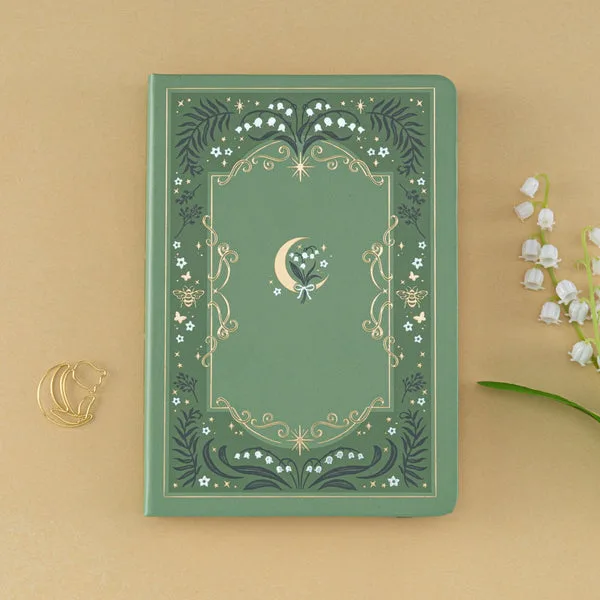
The best fix is to use a journal with thicker, higher-quality paper. For example, the Tsuki ‘Story of Summer’ Collector’s Edition Luxury Bullet Journal features 160gsm paper, which is specifically designed to resist bleeding. If you're using markers, consider placing a protective sheet between pages or using a marker pad. Also, test your pens on a scrap page before committing to a spread.
- Invest in a journal with at least 160gsm paper to prevent bleeding.
- Use fineliners or pigment pens instead of heavy markers for everyday writing.
Smudging: The Enemy of Fresh Ink
Smudging happens when ink is not fully dry and gets smeared by your hand, a ruler, or when you close the journal. This is especially common with gel pens, highlighters, and some stamping inks. The result is a messy page and a lot of frustration.
To avoid smudging, always allow ink to dry completely before touching it. Use quick-drying pens or add a blotting sheet between pages. When using stamps, like the Tsuki ‘Vintage Academia’ Bullet Journal Stamp, ensure the ink is dry before moving the journal. You can also use a spray fixative or a sheet of wax paper to protect your work.
- Keep a piece of scrap paper under your hand while writing to prevent smudges.
- Use a hairdryer on a cool setting to speed up drying time for stubborn inks.
Paper Weight: The Foundation of a Clean Journal
The most effective way to combat ghosting, bleeding, and smudging is to start with a journal that has high-quality, thick paper. Paper weight is measured in grams per square meter (gsm); the higher the number, the thicker and more absorbent the paper. For bullet journaling, 160gsm is considered the gold standard because it can handle most pens and markers without issues.
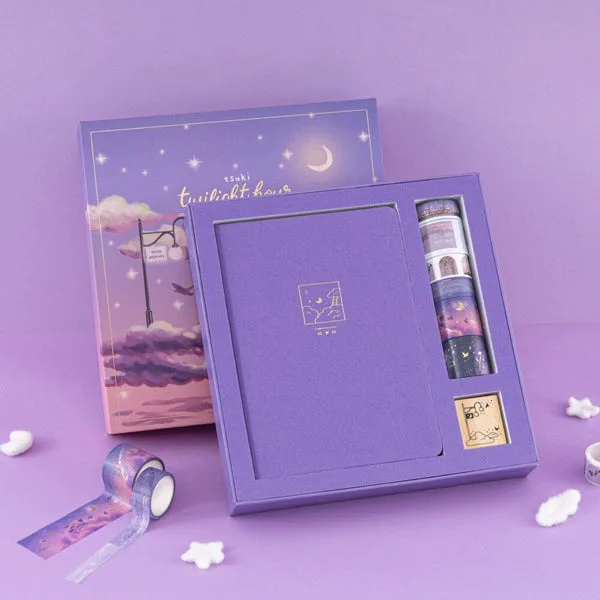
NotebookTherapy offers several journals with 160gsm paper, such as the Tsuki ‘Story of Summer’ Collector’s Edition Luxury Bullet Journal and the Tsuki ‘Twilight Hour’ Limited Edition Bullet Journal Set, which also includes washi tapes and a stamp. Investing in a quality journal from the start can save you from many headaches down the line.
- Look for journals with 160gsm paper or higher for the best performance.
- Avoid journals with paper below 100gsm if you plan to use markers or heavy inks.
Diagnosis: Identify and Fix Your Journaling Issues
- Symptom: Ghosting: Faint outlines of text or images visible on the other side of the page. If ghosting is minimal, you can ignore it. If it bothers you, switch to a 160gsm journal or use a blotting sheet.
- Symptom: Bleeding: Ink seeps through to the next page, leaving visible marks. This is a paper weight issue. Upgrade to a journal with 160gsm paper and avoid using overly wet markers.
- Symptom: Smudging: Ink smears after writing, often due to touching before dry or using slow-drying inks. Allow ink to dry completely, use quick-drying pens, and keep a protective sheet under your hand.
Product Facts: Journals and Tools That Help
- Tsuki ‘Story of Summer’ Collector’s Edition Luxury Bullet Journal ☾: This journal features 160gsm paper, which is thick enough to prevent ghosting and bleeding from most pens and markers. Using a journal with 160gsm paper is one of the most effective ways to avoid ink problems, ensuring your spreads stay clean and vibrant.
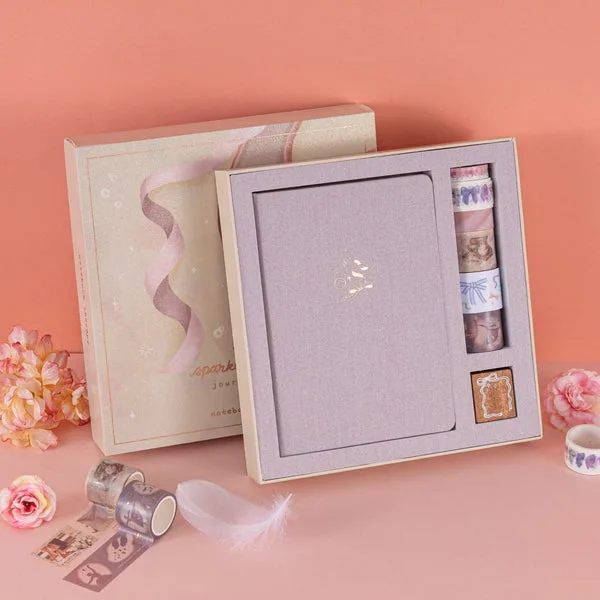
- Tsuki ‘Twilight Hour’ Limited Edition Bullet Journal Set ☾: This set includes a Tsuki bullet journal with a soft violet fabric linen cover and gold foil details, along with 6 washi tapes and a wooden rubber stamp. The included washi tapes are less likely to cause bleeding, and the stamp allows for decorative elements without using wet inks, reducing the risk of smudging.
By understanding the causes of ghosting, bleeding, and smudging, you can take simple steps to keep your bullet journal looking its best. Upgrading to a journal with 160gsm paper, like the Tsuki ‘Story of Summer’ Collector’s Edition Luxury Bullet Journal, is a game-changer. Explore our collection at NotebookTherapy to find the perfect journal for your needs, and enjoy a flawless journaling experience.