Quick Answer
To fix common concealer problems, start by prepping your skin with moisturizer and primer, then apply thin layers of a creamy stick concealer like the https://lacolorsio.shop/products/cover-up-concealer-stick-265283https://lacolorsio.shop/products/cover-up-concealer-stick-265284https://lacolorsio.shop/products/cover-up-concealer-stick-265285https://lacolorsio.shop/products/cover-up-concealer-stick-265286Cover UP! Concealer Stick, and set with a light dusting of powder. For creasing, avoid applying too much product and blend well; for caking, use less product and ensure your skin is hydrated; for dryness, switch to a hydrating formula and avoid matte finishes.
Concealer is a makeup bag essential, but it can quickly become a source of frustration when it creases into fine lines, cakes up into patches, or clings to dry skin. These common issues can ruin an otherwise flawless look, leaving you wondering if you're using the wrong product or technique. The good news? With a few targeted fixes, you can solve each problem and enjoy smooth, natural-looking coverage that lasts all day.
In this guide, we'll break down the three most annoying concealer complaints—creasing, caking, and dryness—and give you step-by-step solutions. We'll also highlight how the right product, like Lacolors' concealers, can make a world of difference. Whether you're a makeup novice or a seasoned pro, these tips will help you achieve a flawless finish every time.
Why Does Concealer Crease?
Creasing happens when concealer settles into fine lines and wrinkles, creating visible lines that can age you prematurely. This is most common under the eyes, where the skin is thin and moves constantly. The primary culprit is using too much product or applying it over dry, unprepared skin. When the concealer lacks moisture to grip onto, it migrates into creases as the day goes on.
Another major cause is skipping the setting step. Without a translucent powder to lock the product in place, the natural oils and movement of your face will cause the concealer to shift. Additionally, using a heavy, full-coverage formula that isn't suited to your skin type can exacerbate the problem. The key is to use a lightweight, blendable formula and to set it properly.
- Always start with a hydrating eye cream and let it absorb fully before applying concealer.
- Use a small amount of product and build coverage gradually—less is more.
- Set with a light dusting of translucent powder using a small fluffy brush.
How to Stop Concealer Creasing
The first step to preventing creasing is proper skin preparation. After cleansing, apply a rich eye cream or moisturizer and wait a few minutes for it to sink in. This creates a smooth, hydrated canvas that helps the concealer glide on evenly. Next, choose a concealer with a creamy, emollient texture, like the Cover UP! Concealer Stick, which blends easily and offers targeted coverage without being heavy.
When applying, use a light hand and focus on the areas that need coverage. Instead of swiping the stick directly onto your skin, warm it on the back of your hand or apply a small dot and blend with a damp sponge or your ring finger. This ensures a thin, even layer that won't settle into lines. Finally, set with a powder immediately after blending. Use a small amount and press it in gently, then brush away any excess.
- Use a damp beauty sponge to blend concealer for a seamless finish.
- Wait a minute before setting to allow the concealer to dry down slightly.
- Carry a compact powder for quick touch-ups throughout the day.
What Causes Concealer Caking?
Caking occurs when too much product is applied or when layers of makeup don't blend well together. This leads to a thick, mask-like appearance that looks unnatural and can crack or flake. Common culprits include using a heavy hand, applying concealer over a matte foundation that hasn't fully dried, or using products with incompatible bases (e.g., oil-based concealer over water-based foundation).
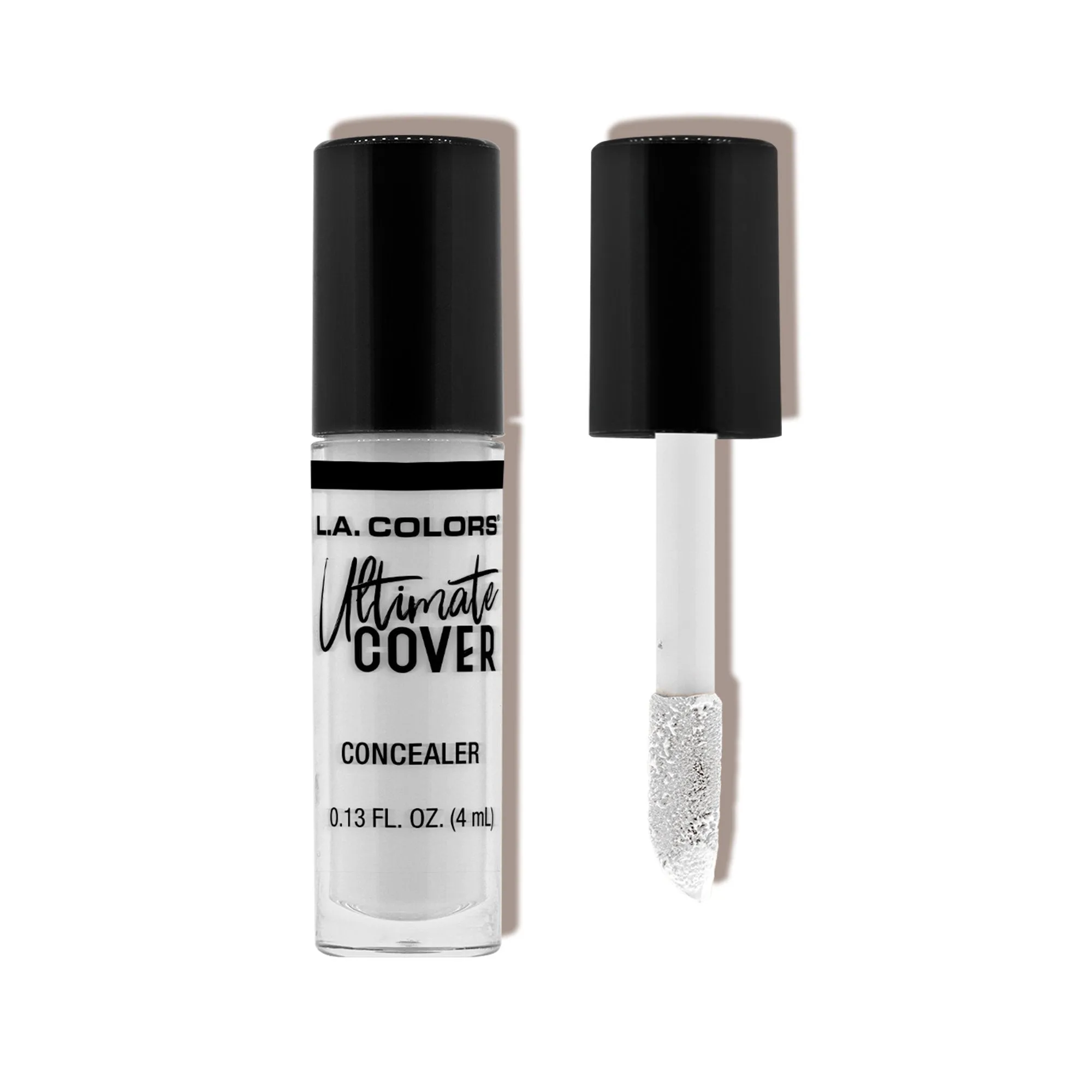
Dryness also plays a role—when the skin is flaky, the concealer clings to those dry patches and creates a cakey texture. Additionally, using a full-coverage formula when you only need light coverage can contribute to the problem. The solution is to use less product, ensure your skin is well-hydrated, and blend thoroughly. A stick concealer like the Ultimate Cover Concealer offers buildable coverage, allowing you to start with a thin layer and add more only where needed.
- Exfoliate gently once or twice a week to remove dry, flaky skin.
- Mix a drop of facial oil or moisturizer with your concealer to thin it out.
- Always allow your foundation to set before applying concealer.
How to Fix Concealer Caking
If your concealer has already caked, don't panic. Start by gently pressing a damp sponge over the area to lift away excess product. Avoid rubbing, which will only make it worse. If the caking is severe, you may need to remove the makeup in that area and start over, but first, try spritzing a hydrating facial mist to add moisture and help blend the product.
To prevent caking in the future, focus on skin prep. Use a lightweight moisturizer and a primer that suits your skin type. When applying concealer, use a small amount and build coverage gradually. The Ultimate Cover Concealer is a great choice because its buildable formula lets you control the coverage, and it blends smoothly for a natural finish. Remember, less is more—if you can still see the imperfection, it's better to apply a second thin layer than to pile on a thick one.
- Use a primer specifically designed for the under-eye area to smooth the skin.
- Apply concealer in a triangular shape under the eyes and blend outward.
- Set with a powder that matches your skin tone to avoid a white cast.
Why Does Concealer Look Dry?
Dryness is a common complaint, especially for those with naturally dry skin or during colder months. When the skin lacks moisture, the concealer can cling to dry patches, emphasizing fine lines and creating a flaky, uncomfortable appearance. Using a matte or long-wear formula can also exacerbate the problem, as these products are designed to absorb oil and can leave the skin looking parched.
Another factor is applying concealer over a matte foundation without proper hydration. The skin's natural moisture barrier is compromised, and the makeup sits on top, looking cakey and dry. The key is to choose a hydrating, creamy formula that provides moisture as it covers. The Cover UP! Concealer Stick is an excellent option because its creamy texture blends easily and doesn't dry out the skin, leaving a natural-looking finish.
- Use a hydrating eye cream and let it absorb before applying concealer.
- Avoid setting with too much powder; use a minimal amount or skip it if your skin is very dry.
- Consider using a facial mist after makeup to add a dewy glow.
How to Remedy Dry Concealer
The most effective way to combat dry concealer is to address the skin's hydration levels. Incorporate a hyaluronic acid serum or a rich moisturizer into your daily routine, and pay extra attention to the under-eye area. Before applying makeup, use a hydrating primer to create a smooth base. When choosing a concealer, look for one with a creamy, emollient formula that won't settle into dry patches.
If you already have a concealer that feels dry, you can mix a drop of facial oil or moisturizer with it on the back of your hand before applying. This adds moisture and makes the product more blendable. Another trick is to apply a thin layer of hydrating facial mist before and after makeup to lock in moisture. For a reliable solution, the Cover UP! Concealer Stick offers a creamy texture that works well on dry skin, and it's available at an affordable price, making it easy to try.
- Apply a rich eye cream at night to keep the under-eye area hydrated.
- Use a damp beauty sponge to apply concealer for a more dewy finish.
- Carry a facial mist to refresh your makeup and add moisture throughout the day.
Diagnosing Your Concealer Problem
- Symptom: Creasing: Concealer settles into fine lines and wrinkles, especially under the eyes. Likely cause: too much product or lack of setting. Corrective action: use a thin layer and set with powder. If creasing persists, try a different formula.
- Symptom: Caking: Concealer appears thick, patchy, or flaky, creating a mask-like look. Likely cause: over-application or incompatible products. Corrective action: use less product and ensure skin is hydrated. If still cakey, switch to a lighter formula.
- Symptom: Dryness: Concealer clings to dry patches, emphasizing texture and looking flaky. Likely cause: dry skin or matte formula. Corrective action: hydrate skin and use a creamy concealer. If dryness persists, consider a dewy finish product.
Concealers That Help Solve These Problems
- Cover UP! Concealer Stick: The Cover UP! Concealer Stick from Lacolors is designed to help you achieve a flawless complexion. This concealer stick offers convenient, targeted coverage for imperfections. Stick format allows for precise application to blemishes, dark circles, and other areas needing coverage. Blends easily into skin for a natural-looking finish. Its creamy, blendable texture helps prevent creasing and caking, making it ideal for quick touch-ups and everyday wear.
- Ultimate Cover Concealer: The Ultimate Cover Concealer from Lacolors delivers dependable coverage for a flawless finish. This versatile concealer helps hide imperfections and even out skin tone. Provides full coverage to conceal blemishes, dark circles, and discoloration. Blends smoothly for a natural look. Its buildable, long-wearing formula allows you to control coverage without a heavy, cakey feel, making it suitable for all-day wear.
By understanding the root causes of creasing, caking, and dryness, you can adjust your routine and product choices for a flawless finish. Start with proper skin prep, use the right amount of product, and choose a concealer that works with your skin type. The Cover UP! Concealer Stick and Ultimate Cover Concealer from Lacolors are excellent options to help you achieve smooth, natural coverage. Explore these products to elevate your makeup game and say goodbye to common concealer problems.