Pulling a flawless espresso shot at home can feel like a science experiment gone wrong when you're faced with sour, bitter, or uneven extraction. Even experienced home baristas encounter common espresso problems that ruin a morning routine. The good news is that most issues are easy to diagnose and fix with a few simple adjustments to your technique, equipment, or ingredients.
Whether you're using a semi-automatic machine or a manual lever, understanding the root cause of sourness, bitterness, channeling, or weak flow will save you time, coffee, and frustration. In this guide, we'll walk through the most frequent espresso troubleshooting scenarios and offer practical solutions to get your shots back on track.
Why Is My Espresso Sour?
Sour espresso is one of the most common complaints among home brewers. A sour taste usually indicates that your coffee is under-extracted — meaning not enough flavor and soluble compounds have been pulled from the grounds. This can happen for several reasons, including a grind that is too coarse, water that is too cool, or a dose that is too small for the basket.
To fix sour espresso, start by grinding finer. A finer grind increases surface area and slows down water flow, allowing more extraction. Next, check your water temperature: aim for 195-205°F (90-96°C). If your machine runs cool, consider preheating the portafilter and group head. Finally, ensure your dose is appropriate for your basket size — underdosing can lead to under-extraction. For a consistent foundation, consider using a high-quality specialty coffee like Foundation Specialty Instant Coffee (Box of 6 Sachets) for quick reference on flavor balance.
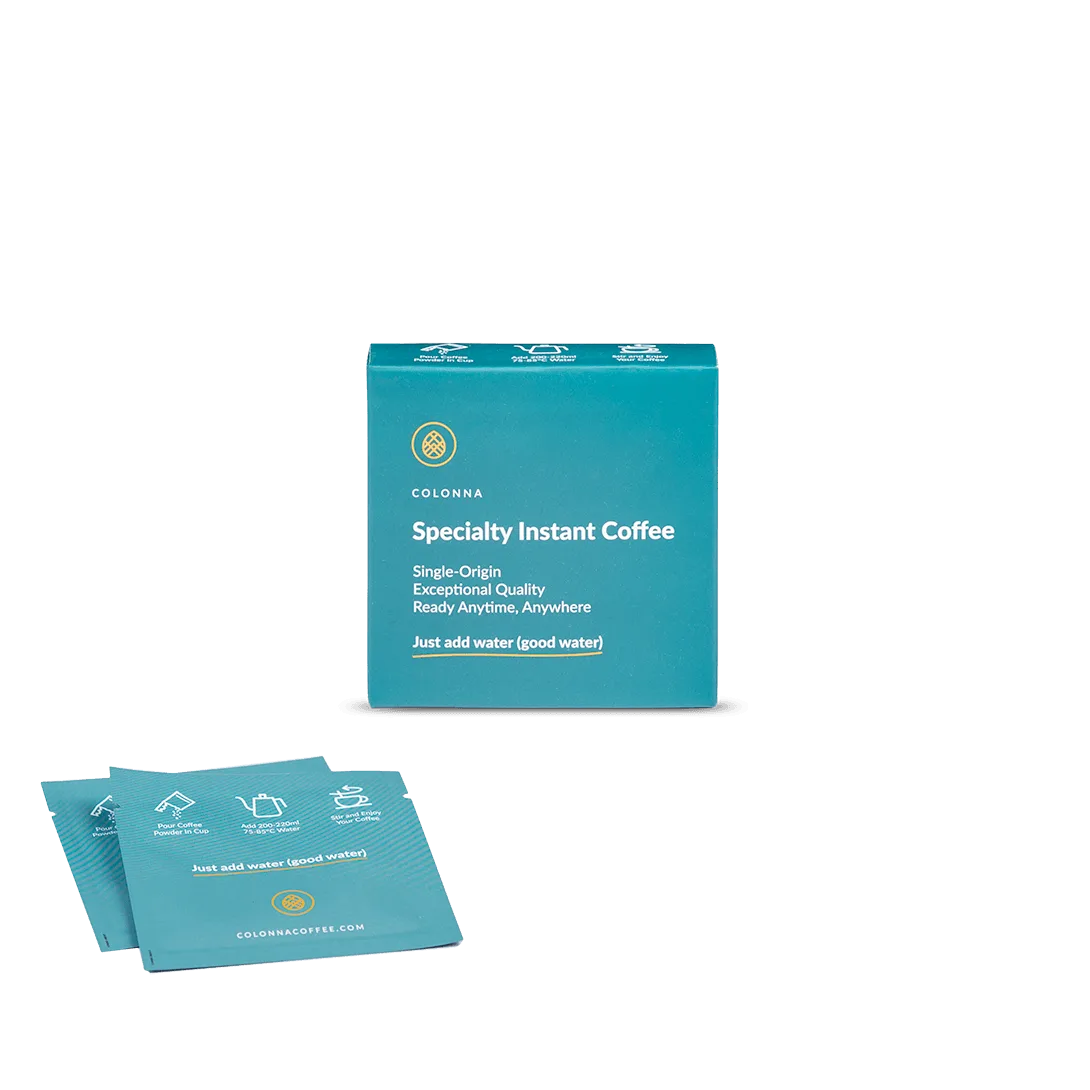
Foundation Specialty Instant Coffee (Box of 6 Sachets)
- Grind finer in small increments (1-2 clicks on a stepless grinder).
- Verify water temperature with a thermometer or group head thermometer.
- Increase your dose by 0.5-1g if the basket looks underfilled.
Why Is My Espresso Bitter?
Bitter espresso is typically a sign of over-extraction, where too many bitter compounds are pulled from the coffee grounds. This often results from a grind that is too fine, water that is too hot, or a brew ratio that is too long. Over-extraction can also occur if your shot runs too slowly — taking longer than 30 seconds for a double shot.
To correct bitter espresso, try grinding coarser. This speeds up the flow and reduces contact time. Also, lower your water temperature slightly (by 2-4°F) if your machine runs hot. Shorten your brew time by aiming for 25-30 seconds for a 1:2 ratio (e.g., 18g in, 36g out). If you're using a manual brewer like the Delter Press, pay close attention to your pressure and flow rate to avoid over-extraction.
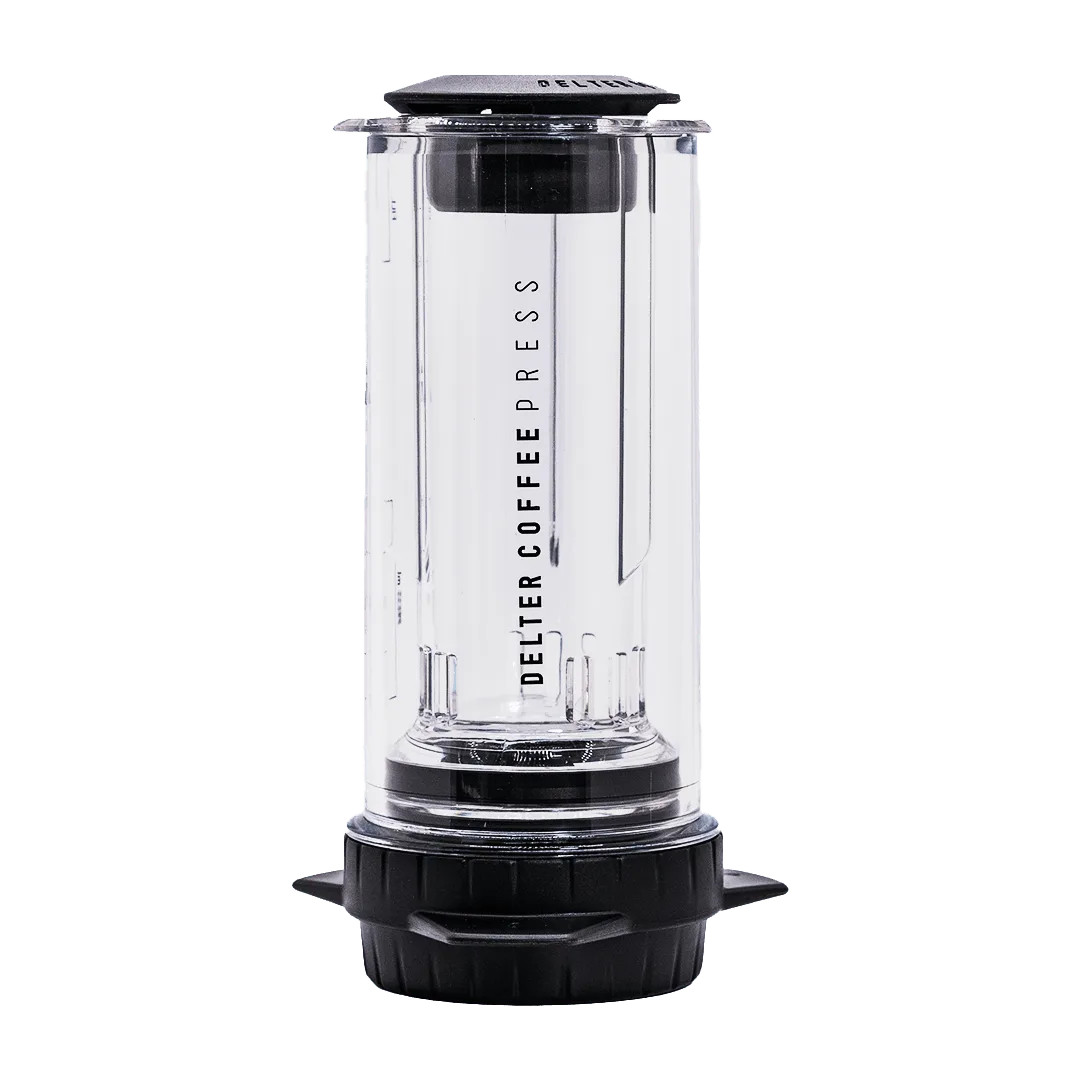
Delter Press
- Grind coarser and retest with the same dose and yield.
- Reduce brew temperature by 2-4°F if possible.
- Aim for a shorter yield (1:1.5 ratio) for a more balanced shot.
What Causes Channeling and How to Prevent It
Channeling is when water finds a path of least resistance through the coffee puck, creating uneven extraction. This results in a mix of sour and bitter flavors in the same shot, plus visible unevenness in the stream. Common causes include uneven tamping, a poor grind distribution, or a damaged basket.
To prevent channeling, focus on your distribution technique. Use a distribution tool or simply tap the portafilter side-to-side to level the grounds before tamping. Tamp evenly and firmly — aim for about 30 pounds of pressure, keeping the tamper level. Also, check your basket for any clogs or damage. Using a consistent water source, such as the Peak Water Starter Pack - Original Grey, can also reduce mineral buildup that affects flow.
- Use a WDT (Weiss Distribution Technique) tool or a paperclip to break up clumps.
- Tamp with a spring-loaded tamper for consistent pressure.
- Descale your machine regularly to prevent scale buildup in the group head.
Espresso Machine Issues: Pressure, Temperature, and Maintenance
Sometimes the problem isn't your technique — it's your machine. Inconsistent pressure, temperature fluctuations, or a dirty group head can cause poor extraction. If your espresso flows too fast (gushing) or too slow (dripping), check your pump pressure (ideally 9 bars). Most home machines have an adjustable OPV (over-pressure valve).
Temperature stability is also critical. If your machine has a single boiler, allow time for it to recover between shots. Flush the group head before pulling a shot to stabilize temperature. Regular maintenance, including backflushing with cleaning detergent and descaling every 1-3 months, will keep your machine performing optimally. For capsule users, cleaning capsules like the Caffenu Original Cleaning Capsules can help maintain cleanliness without disassembly.
- Test your machine's pressure with a pressure gauge or portafilter gauge.
- Perform a cooling flush before each shot if your machine runs hot.
- Backflush weekly with a blind basket and cleaning powder.
Brew Ratio and Timing: The Golden Rules
A standard espresso recipe uses a 1:2 ratio of coffee to water (e.g., 18g coffee in, 36g espresso out) in 25-30 seconds. If your shot is outside this window, adjust your grind. But remember: ratio and time are interconnected. A longer brew time at the same ratio can increase extraction, while a shorter time reduces it.
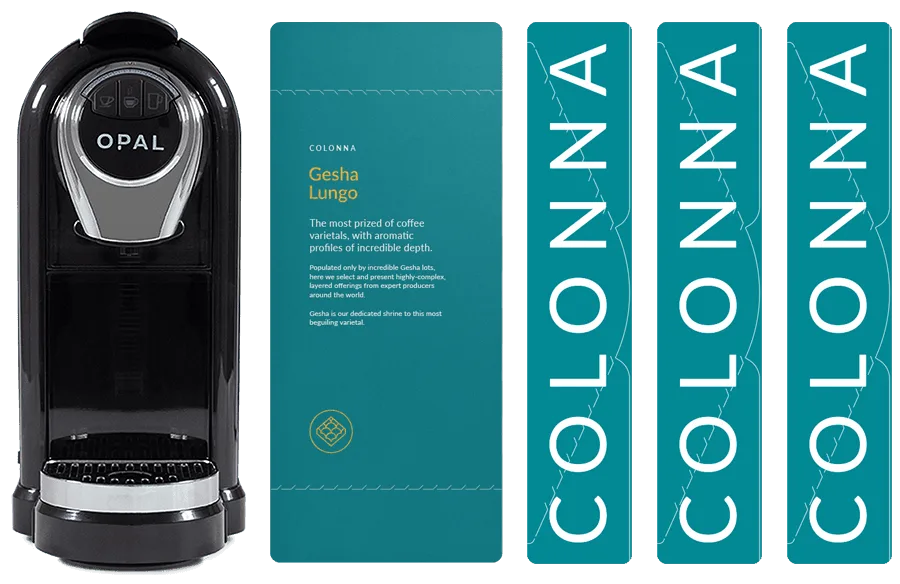
If your shot runs too fast (under 20 seconds), grind finer. If it runs too slow (over 35 seconds), grind coarser. Always weigh your output to ensure consistency. For beginners, sticking to a fixed dose and yield while adjusting grind size is the easiest way to dial in. As you gain experience, experiment with ratios like 1:1.5 for a ristretto or 1:2.5 for a lungo. For a convenient option, try the All 3 + Gesha Capsules Lungo (With Machine) for a pre-measured, balanced lungo experience.
- Use a scale to measure both dose and yield for every shot.
- Keep a log of your settings (grind, dose, yield, time) to track improvements.
- Start with a 1:2 ratio and adjust by 0.5g increments.
Water Quality: The Hidden Variable
Water makes up over 98% of your espresso, so its mineral content directly affects extraction. Hard water can cause scale buildup, while soft water may lead to under-extraction and flat flavors. Ideally, use filtered or bottled water with a total dissolved solids (TDS) of 100-150 ppm.
If you're experiencing inconsistent flavor or machine issues, test your water. A simple TDS meter can tell you if your water is too hard or too soft. Using a water recipe or a product like the Peak Water Starter Pack - Original Grey can help you achieve the ideal mineral balance for espresso. Remember, even the best beans and technique can't compensate for poor water quality.
- Test your water TDS and adjust with mineral drops or a remineralizing filter.
- Avoid distilled or reverse osmosis water without adding minerals.
- Change your water filter every 3-6 months.
Espresso troubleshooting doesn't have to be frustrating. By systematically adjusting grind size, dose, tamping, water quality, and machine maintenance, you can solve most common problems and enjoy consistently delicious shots at home. Start with one variable at a time, keep notes, and don't be afraid to experiment. For a reliable and flavorful starting point, explore the Foundation Specialty Instant Coffee (Box of 6 Sachets) — it's a great way to taste what balanced extraction should be like.