Quick Answer
If your weighted blanket feels lumpy or misshapen, start by redistributing the filling with your hands while it's dry, then fluff it in a low-heat dryer with dryer balls. If lumps persist after washing, check for clumped fill and break them apart gently. For persistent issues, consider replacing the blanket with a filler-free option to avoid future lumping.
Weighted blankets are meant to provide even, calming pressure, but over time or after washing, you might notice lumps or uneven weight distribution. This not only affects comfort but can also reduce the effectiveness of the blanket. Fortunately, many lump issues can be fixed at home with a few simple techniques.
In this guide, we'll walk you through how to diagnose the cause of lumps and restore your blanket's fluff and even weight distribution. We'll also share when it's time to consider a new blanket—and what to look for to avoid this problem in the future.
Why Does a Weighted Blanket Become Lumpy?
Lumps in a weighted blanket typically occur when the filling—whether glass beads, plastic pellets, or natural materials—shifts or clumps together. This can happen from regular use, improper washing, or drying. When the filling bunches up, the blanket loses its even pressure and can feel uncomfortable or heavy in certain spots.
Another common cause is the blanket's construction. Blankets with internal compartments or stitching can sometimes allow fill to migrate, especially if the seams are not secure. Additionally, some fillers absorb moisture or clump when exposed to heat, making the problem worse after washing or drying.
- Always check the care label before washing or drying your weighted blanket.
How to Fix a Lumpy Weighted Blanket: Step-by-Step
Start by laying your blanket flat on a clean, dry surface. Gently massage the lumps with your hands to break up any clumps. Work from the edges toward the center, redistributing the filling evenly. This simple technique can often restore the blanket's shape without any additional tools.
If the lumps persist, place the blanket in a large-capacity dryer on a low or no-heat setting. Add a few clean tennis balls or dryer balls to help fluff the filling and break up clumps. Check the blanket every 10 minutes to avoid overheating, which can damage some fillers.
If your blanket is still lumpy after these steps, it may be time to consider a replacement. Look for filler-free blankets that are less prone to clumping, or choose a blanket with a design that keeps the filling evenly distributed.
- Avoid high heat—it can melt or damage certain fill materials.
- Never wring or twist a wet weighted blanket; this can shift the filling and create new lumps.
When to Stop and Consider a Replacement
If you've tried manual redistribution and dryer fluffing but the blanket remains lumpy, it may be beyond repair. Persistent lumps can indicate that the filling has permanently clumped or that the internal stitching has failed. Continuing to use a lumpy blanket can reduce its therapeutic benefits and cause discomfort.
In such cases, investing in a new weighted blanket is the safer and more comfortable choice. When shopping, consider filler-free options that are designed to maintain even weight distribution without clumping. Also, check the care instructions to ensure the blanket is easy to maintain.
- If you notice rips or tears in the fabric, stop using the blanket and replace it to prevent filling from leaking.
Diagnosis: Is Your Weighted Blanket Beyond Repair?
- Symptom: Lumps or uneven weight distribution that affect comfort and pressure. Identify where the lumps are and how many there are.
- Likely Cause: Filling has shifted or clumped due to washing, drying, or regular use. Check the care label for proper washing instructions.
- Corrective Action: Manually redistribute filling, then dry on low heat with dryer balls. If lumps persist after two attempts, the blanket may be beyond repair.
- Stop or Choose Another Option: If lumps remain, stop using the blanket and consider a filler-free replacement. Look for blankets made with organic cotton or similar filler-free materials.
Products That Help Prevent Lumping
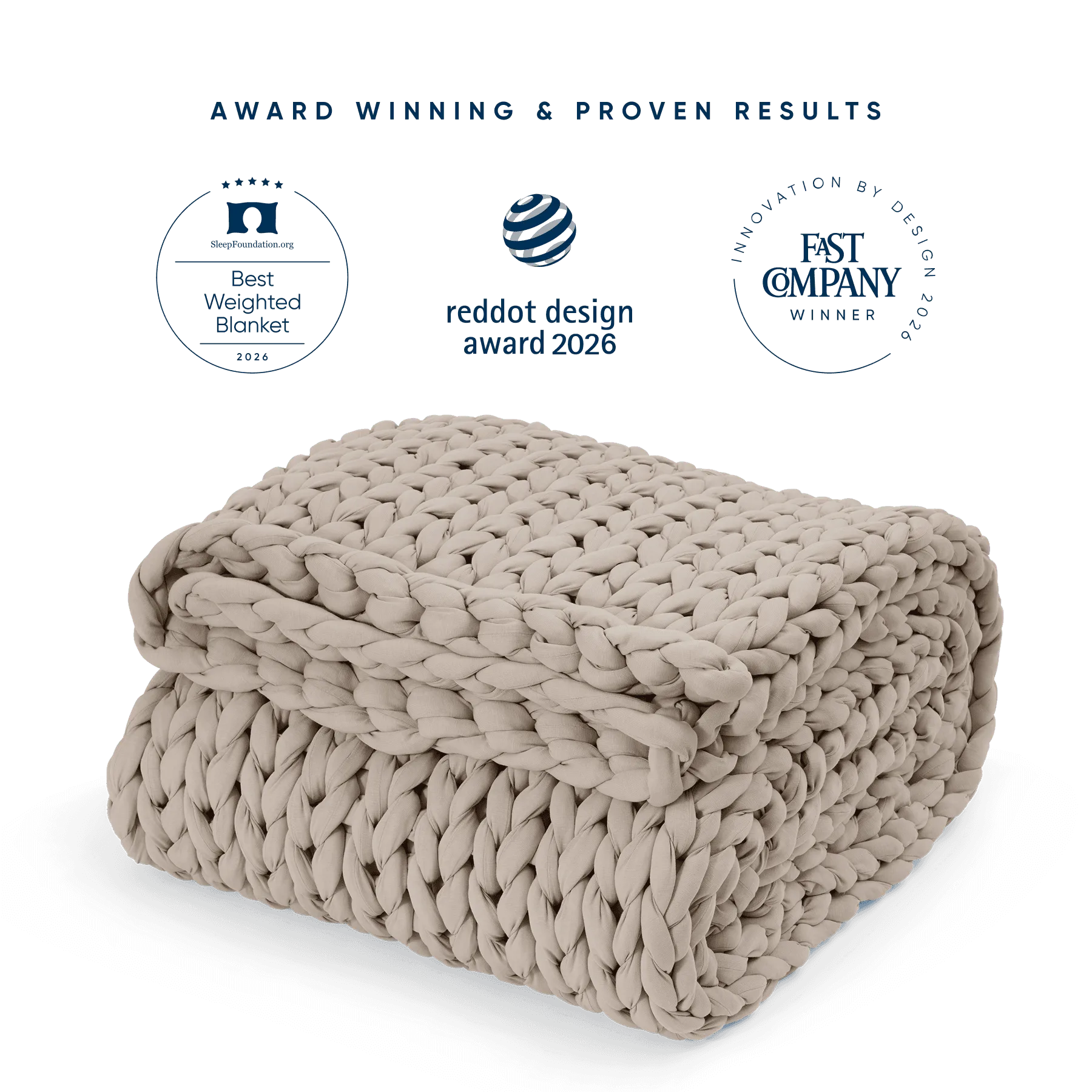
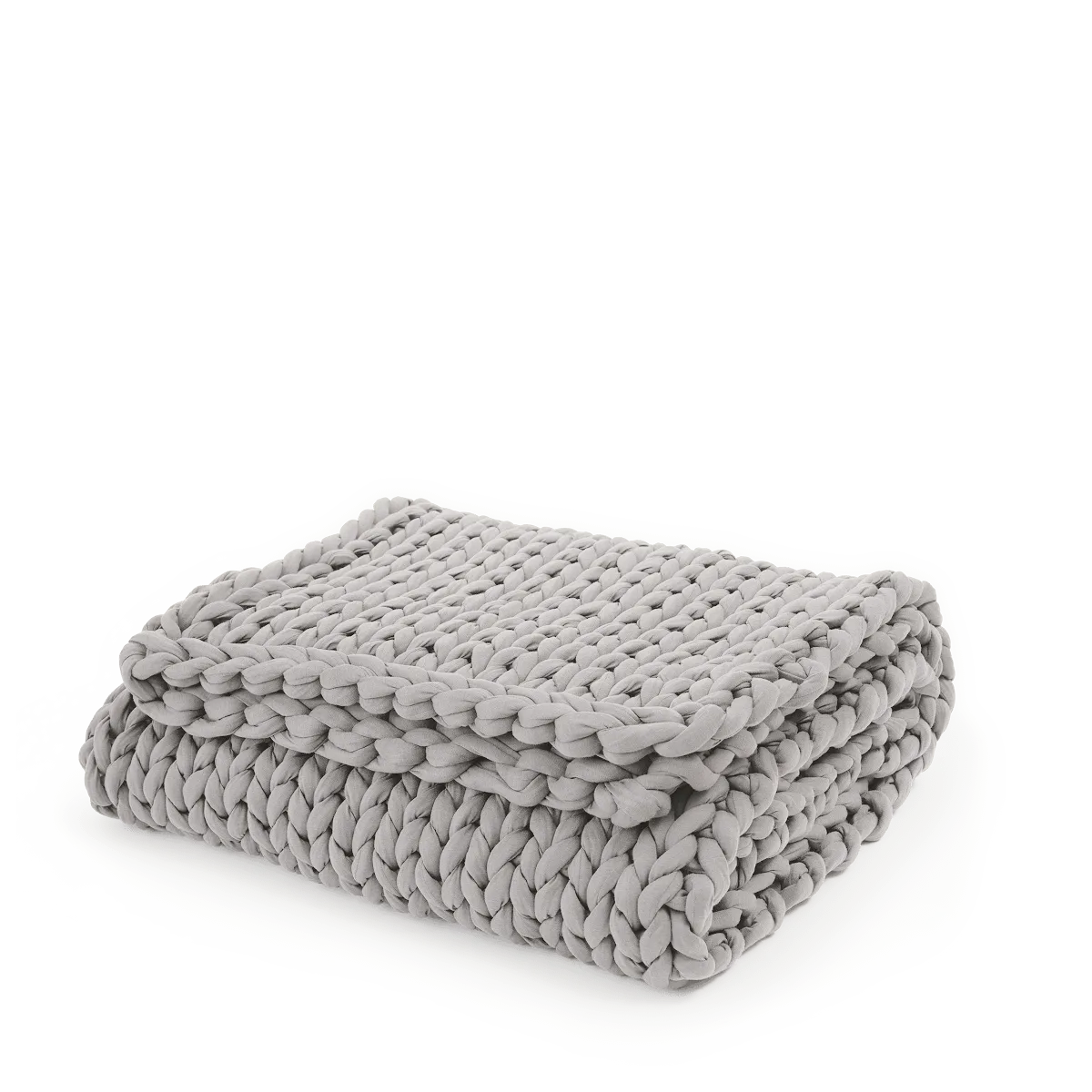
- Cotton Weighted Blanket: Made of 100% organic cotton, inside and out. Your Napper should be about 10% of your body weight. This filler-free design uses organic cotton for even weight distribution without clumping, making it a great choice if you're tired of lumpy blankets.
- King Weighted Blanket: A hand-knit, 25 lb king-size weighted blanket crafted from organic cotton. Designed to cover the entire king bed, it helps couples fall asleep faster, ease anxiety, and wake feeling deeply rested. The hand-knit construction and organic cotton filling provide consistent pressure across the entire bed, reducing the risk of lumps and ensuring even weight distribution.
A lumpy weighted blanket can be frustrating, but with the right techniques, you can often restore its fluff and even weight distribution. If home remedies don't work, don't settle for an uncomfortable blanket—consider a filler-free option like the Cotton Weighted Blanket or King Weighted Blanket to ensure consistent, calming pressure for years to come.