Quick Answer
If your chocolate seizes, you can often rescue it by adding a small amount of warm liquid (like milk, water, or butter) and stirring vigorously. For complete prevention, always avoid any moisture contact and use the proper melting technique. If the chocolate is too far gone, repurpose it as a sauce or dip rather than trying to salvage a smooth texture.
You're in the middle of melting chocolate for a recipe, and suddenly it turns into a dull, thick, grainy paste. This is known as 'seizing,' and it happens to even experienced bakers. The good news: it's often fixable, and with a few simple techniques, you can prevent it from happening in the first place.
In this guide, we'll explain exactly why chocolate seizes, how to rescue it when it does, and the best practices for melting chocolate smoothly every time. Whether you're working with high-quality single-origin bars or everyday chocolate, these tips will save your dessert.
Why Does Chocolate Seize?
Chocolate is a mixture of cocoa solids, cocoa butter, and sugar. When melted, these components form a smooth, fluid emulsion. However, the introduction of even a tiny amount of water—just a few drops—can disrupt this emulsion. The water causes the sugar to dissolve and the cocoa particles to clump together, resulting in a thick, grainy mass. This is why it's crucial to keep all utensils completely dry.
Other culprits include overheating, which can cause the chocolate to separate, and adding cold ingredients to melted chocolate. Humidity in the air can also be a factor, especially in humid climates. Understanding these causes is the first step to prevention.
- Always use dry bowls and spatulas—any moisture can trigger seizing.
- Avoid overheating; melt chocolate gently over low heat or in short bursts in the microwave.
- If adding liquid, ensure it's warm, not cold, to maintain the emulsion.
How to Rescue Seized Chocolate
If your chocolate has seized, don't panic. There are several ways to bring it back to a usable state. The most common method is to add a small amount of warm liquid—about 1 tablespoon per 6 ounces of chocolate—and stir vigorously. The liquid can be water, milk, cream, or butter, depending on your recipe. This extra liquid helps to re-dissolve the sugar and re-emulsify the mixture.
Another option is to add a small amount of vegetable oil or clarified butter, which can help smooth out the texture. However, this will alter the flavor and final consistency, so it's best for recipes where the chocolate will be used as a sauce or coating rather than in a delicate dessert. If the chocolate is too far gone, consider using it as a topping for ice cream or as a base for a chocolate sauce.
- Add warm liquid (not cold) and stir vigorously to re-emulsify.
- If using oil, add it gradually and test the texture.
- Use rescued chocolate for sauces, dips, or baking where texture is less critical.
Prevention: Tips for Smooth Melting Every Time
The best way to deal with seized chocolate is to prevent it from happening. Start with completely dry equipment—wipe down your bowl and spatula. Melt chocolate slowly, using a double boiler or a microwave at 50% power in short bursts, stirring frequently. Avoid covering the bowl, as condensation can drip into the chocolate.
If you need to add liquid to your chocolate (for example, in a ganache), make sure it's warm and add it gradually while stirring. Also, be mindful of the environment: avoid melting chocolate on a humid day, or work in an air-conditioned room. By following these steps, you'll enjoy smooth, glossy melted chocolate every time.
- Use a clean, dry bowl and utensils.
- Melt slowly and stir often to ensure even heat distribution.
- If adding liquid, warm it first and add slowly.
Diagnosis: Is Your Chocolate Seized?
- Symptom: Chocolate becomes thick, dull, and grainy instead of smooth and glossy. Recognize the signs early to act quickly.
- Likely Cause: Moisture introduced (even a drop), overheating, or rapid temperature changes. Check your equipment and technique.
- Corrective Action: Add 1 tablespoon of warm liquid per 6 ounces of chocolate and stir vigorously. If that doesn't work, add a bit of oil or butter. Rescue if possible; otherwise, repurpose.
- Stop or Choose Another Option: If the chocolate remains grainy after adding liquid or oil, stop trying to salvage it for smooth applications. Use it as a sauce, dip, or in baked goods where texture isn't critical. Know when to pivot to avoid wasting ingredients.
Why Quality Chocolate Matters
- Craft Chocolate Six Bar Pack — Tosier Chocolatemaker: This pack offers six popular bars with 65%-80% single origin cocoa, no additives or flavors added. High-quality chocolate with no additives is less prone to seizing because there are no extra ingredients that can react with moisture. Plus, you can practice your melting technique on a variety of bars.
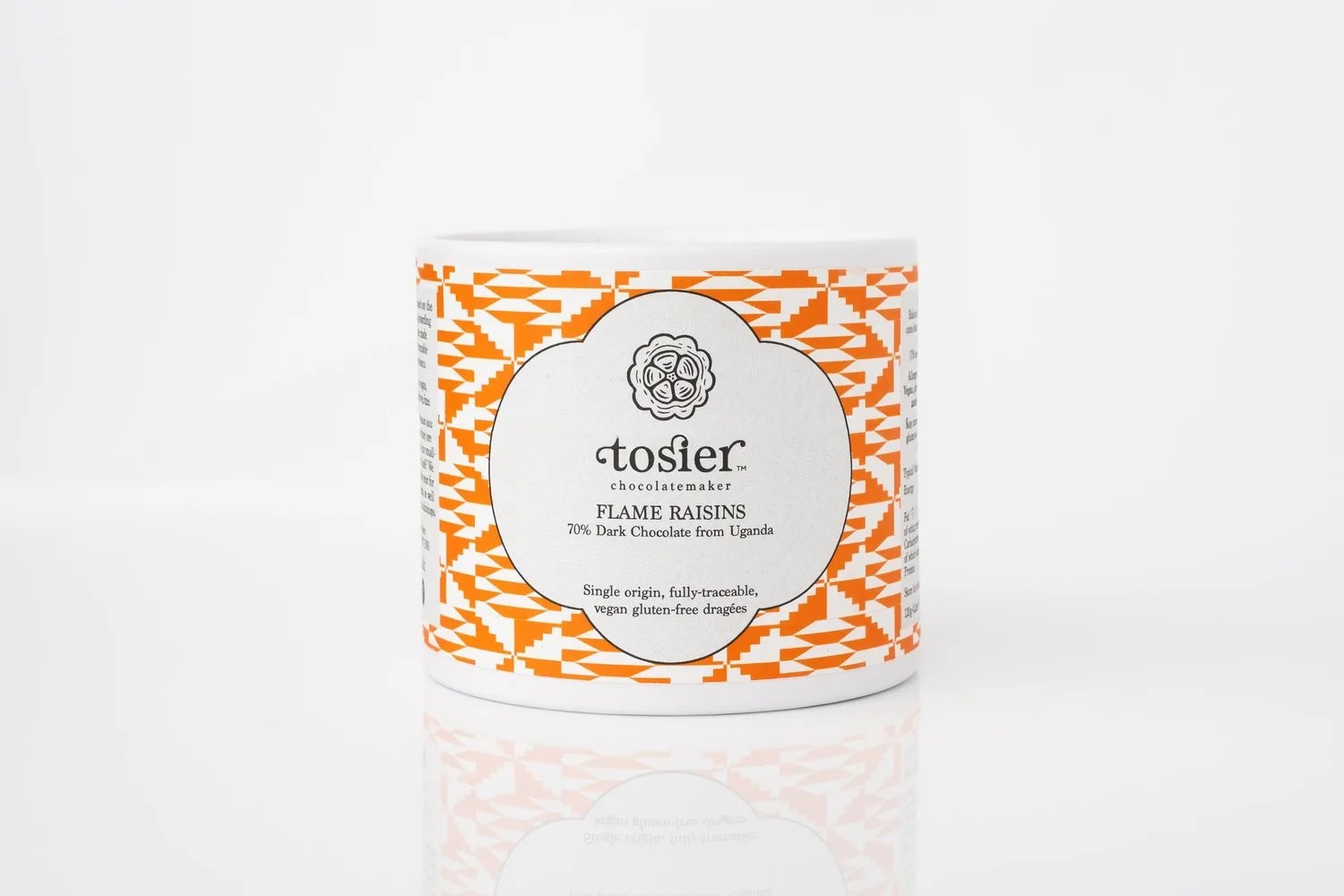
- Flame Raisins | 70% Uganda Semuliki Forest dragées — Tosier Chocolatemaker: These are large flame raisins coated in 70% Ugandan Semuliki Forest chocolate, with stone fruit notes of apricot and peach. If you're new to working with chocolate, these dragées are a convenient way to enjoy chocolate without melting. They're also a great addition to desserts where you want a chocolate treat without the risk of seizing.
Seizing is a common chocolate mishap, but with these fixes and prevention tips, you can handle it like a pro. For the best results, start with high-quality chocolate that melts smoothly and tastes delicious. Explore our Craft Chocolate Six Bar Pack to practice your skills with a variety of single-origin bars.