Quick answer
Squeaky earpads usually come from dry plastic hinges or worn foam, while flattened cushions signal it's time for replacement. Try lubricating hinge points or swapping the foam core first; if the noise persists or the pad is visibly torn, install a fresh pair of replacement earpads.
Why earpads squeak and how to fix it
The creaking or squeaking sound often comes from the plastic hinge where the earpad swivels, not the cushion itself. Over time, friction between the plastic parts can create noise. A tiny drop of silicone lubricant (like a plastic-safe grease) applied to the hinge usually silences it. Wipe away any excess and rotate the pad a few times to work it in.
If the squeak comes from inside the cushion, the foam core may have degraded or shifted. In that case, open the pad if it has a zipper or seam, remove the old foam, and replace it with fresh memory foam cut to size. This can restore shape and silence internal rubbing. However, if the PU leather is cracked or the adhesive fails, a full replacement is the cleaner fix.
When worn cushions need replacing
Flattened foam reduces comfort and degrades sound isolation and bass response. If you can feel the hard driver housing through the pad, the foam has lost its resilience. Similarly, peeling or flaking PU leather means the outer layer is breaking down, which can get on your skin and clothes. At this stage, no amount of cleaning or patching will restore the original feel.
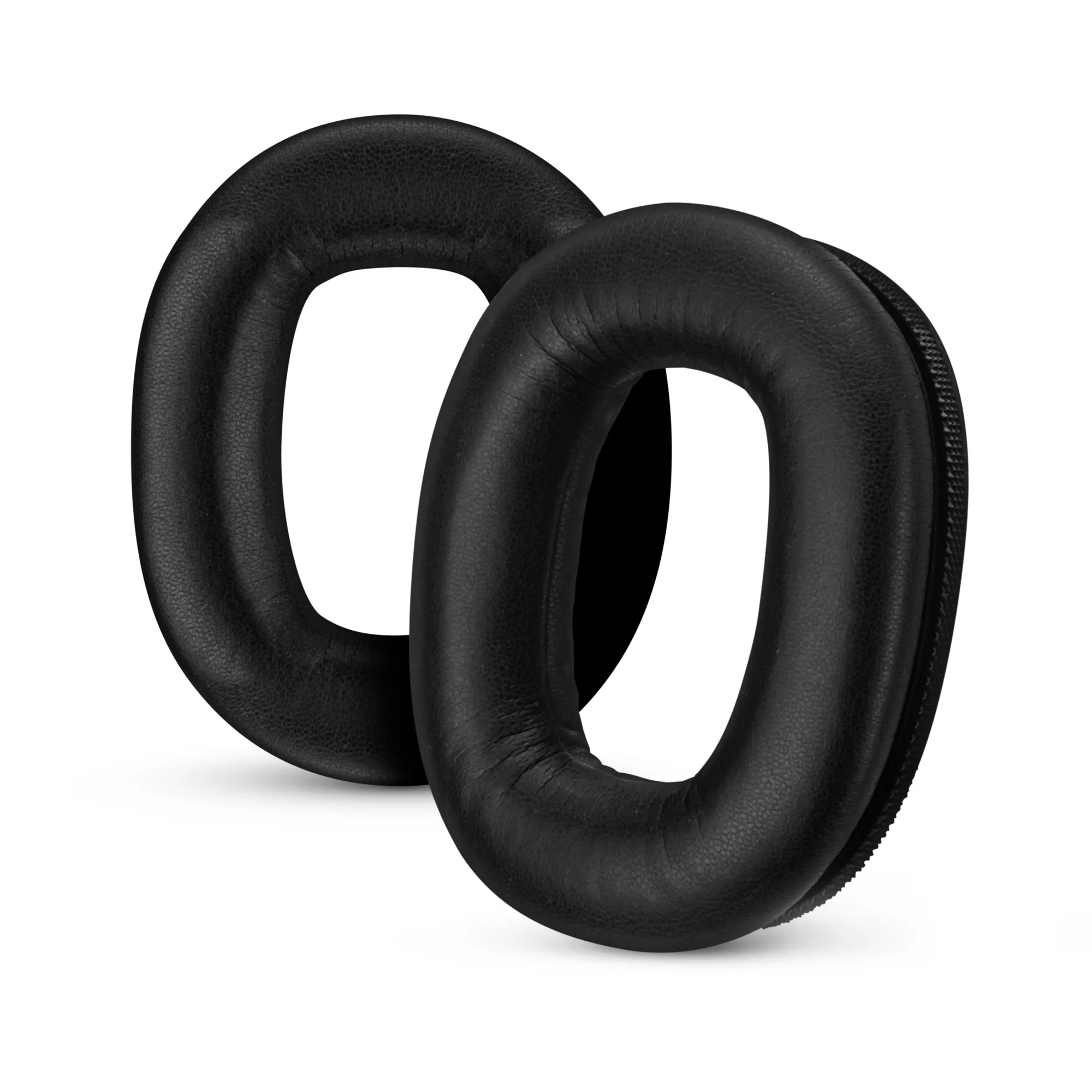
Replacement earpads restore the original fit and acoustic seal. For example, the Brainwavz Replacement Earpads for Marshall Monitor 2 use memory foam and upgraded PU leather to bring back comfort and sound quality. Always verify your headphone model before ordering, as pad shapes and mounting mechanisms differ between brands.
Earpad maintenance tips to extend life
Wipe earpads with a slightly damp cloth after each use to remove oils and sweat. Avoid alcohol or harsh cleaners, which dry out PU leather. Store headphones in a case or on a stand away from direct sunlight and heat, which accelerate foam breakdown and leather cracking. Rotating between two sets of pads (if you have spares) also extends the life of each set.
Diagnosis: Is it the hinge, the foam, or the leather?
- Symptom: Squeak when you move your head or adjust the headphones: The noise is usually from the plastic hinge near the earcup swivel, not the pad itself. Try lubricating the hinge. If the squeak stops, you're done. If it returns, the hinge may be worn.
- Symptom: Cushions feel flat or hard, and sound quality is worse: Flattened foam reduces the seal around your ears, letting in ambient noise and weakening bass. Replace the foam core if the pad can be opened. Otherwise, buy a full replacement pad set.
- Symptom: PU leather is peeling, cracking, or flaking: Once the outer layer starts breaking down, it will continue to degrade and can get on your skin. No repair can fix flaking leather. Order a new pair of earpads immediately.
Replacement earpads that solve these problems
- Replacement Earpads for Marshall Monitor 2 Headphones, PU Leather, Memory Foam for Extra Comfort, Upgraded, Durable & Long Lasting Ear Cushions: These earpads are precisely designed to fit the Marshall Monitor 2 headphones, enhancing sound quality and isolation for a premium listening experience. Made from soft PU leather and memory foam for extra comfort. If your Monitor 2 pads are squeaky or worn, swapping to these restores the original feel and acoustic seal, with thicker foam that outlasts the stock pads.
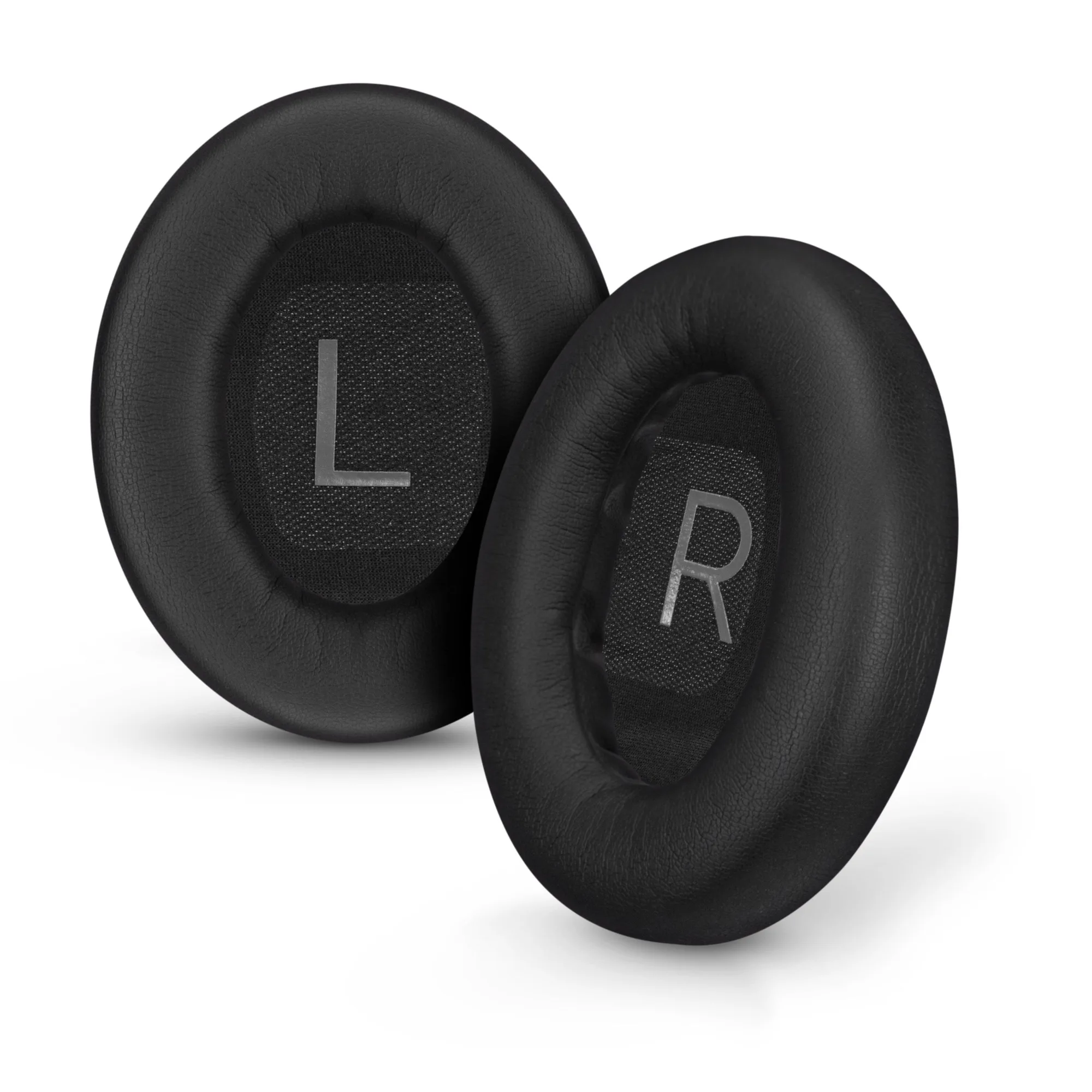
- Replacement Earpads for Bose NC700 Wireless Headphones, Soft PU Leather: Compatible with Bose NC700 Noise Cancelling Wireless Headphones. Engineered for amazing comfort and quality using soft PU leather. For NC700 owners, these pads eliminate the common squeak from degraded foam and bring back the plush feel needed for long listening sessions.