Quick Answer
A sticky griddle surface usually results from excess oil that hasn't been properly polymerized, leftover food residue, or a damaged seasoning layer. To fix it, thoroughly clean the surface, re-season with a thin layer of oil, and maintain it with regular scraping and wiping. If the stickiness persists after deep cleaning and re-seasoning, you may need to strip and re-season the griddle completely.
A sticky griddle surface can turn your cooking experience into a frustrating battle with spatulas and food that won't release. Whether you're a beginner or a seasoned griddle enthusiast, encountering a tacky, gummy surface is a common issue that has straightforward solutions. Understanding why your griddle becomes sticky is the first step to fixing it and preventing it from happening again.
In this guide, we'll walk you through the typical causes of a sticky griddle, step-by-step solutions to restore it, and proactive tips to keep your griddle in top shape. We'll also highlight some Blackstone products that can help you maintain a clean, non-stick cooking surface.
Why Does My Griddle Become Sticky?
The most common culprit behind a sticky griddle is excess oil. When you season your griddle or apply oil before cooking, if you use too much or don't heat it enough to polymerize, the oil remains tacky. Polymerization is the process where oil molecules bond to the metal surface, creating a smooth, non-stick layer. If the oil isn't heated to the right temperature or for long enough, it stays sticky.
Another frequent cause is leftover food residue. Bits of food, especially sugary marinades or sauces, can caramelize and stick to the surface, creating a gummy texture. Incomplete cleaning after each use leaves a thin film of grease and debris that builds up over time, making the surface sticky.
Additionally, a damaged seasoning layer can lead to stickiness. If you've used harsh cleaning methods, like scrubbing with metal brushes or using soap that strips the seasoning, the protective layer may be compromised. This exposes the bare metal, which is more prone to sticking and rust.
- Excess oil that hasn't been properly polymerized
- Leftover food residue and grease buildup
- Damaged seasoning layer from harsh cleaning or acidic foods
How to Fix a Sticky Griddle Surface
To fix a sticky griddle, start by heating it to a high temperature to soften the residue. Use a scraper to remove any loose food particles and excess oil. Then, allow the griddle to cool slightly and wipe it down with a paper towel to remove the loosened debris. For stubborn spots, you can use a grill stone or a non-abrasive scrubber.
Next, apply a thin layer of oil and heat the griddle until it smokes, then let it cool. This process helps to polymerize the oil and create a fresh seasoning layer. Repeat this process a few times if necessary. If the stickiness persists, you may need to do a deeper clean by stripping the old seasoning and starting fresh.
To strip the seasoning, heat the griddle to a high temperature and use a scraper and grill stone to remove the old layer. Then, wash with warm soapy water, rinse thoroughly, and dry completely. After that, re-season the griddle with a thin layer of oil and heat it until it smokes, then cool. This will give you a clean, non-stick surface.
- Use a scraper to remove loose debris
- Apply a thin layer of oil and heat to polymerize
- If needed, strip and re-season the griddle
Preventing a Sticky Griddle in the Future
Prevention is key to maintaining a smooth, non-stick griddle. After each use, scrape off food residue while the griddle is still warm, then wipe it with a paper towel. Avoid using soap unless you're doing a deep clean, as it can strip the seasoning. Instead, use a little water and a scraper to clean the surface.
Before cooking, apply a thin layer of oil to the griddle and heat it until it just begins to smoke. This ensures the oil polymerizes and creates a non-stick surface. Also, be mindful of the amount of oil you use—too much can lead to stickiness. Use a paper towel to spread a thin, even layer.
Regular maintenance, such as re-seasoning your griddle every few months, can help maintain its non-stick properties. Additionally, using accessories like a griddle tool mat can keep your utensils organized and off the cooking surface, reducing the chance of scratching the seasoning.
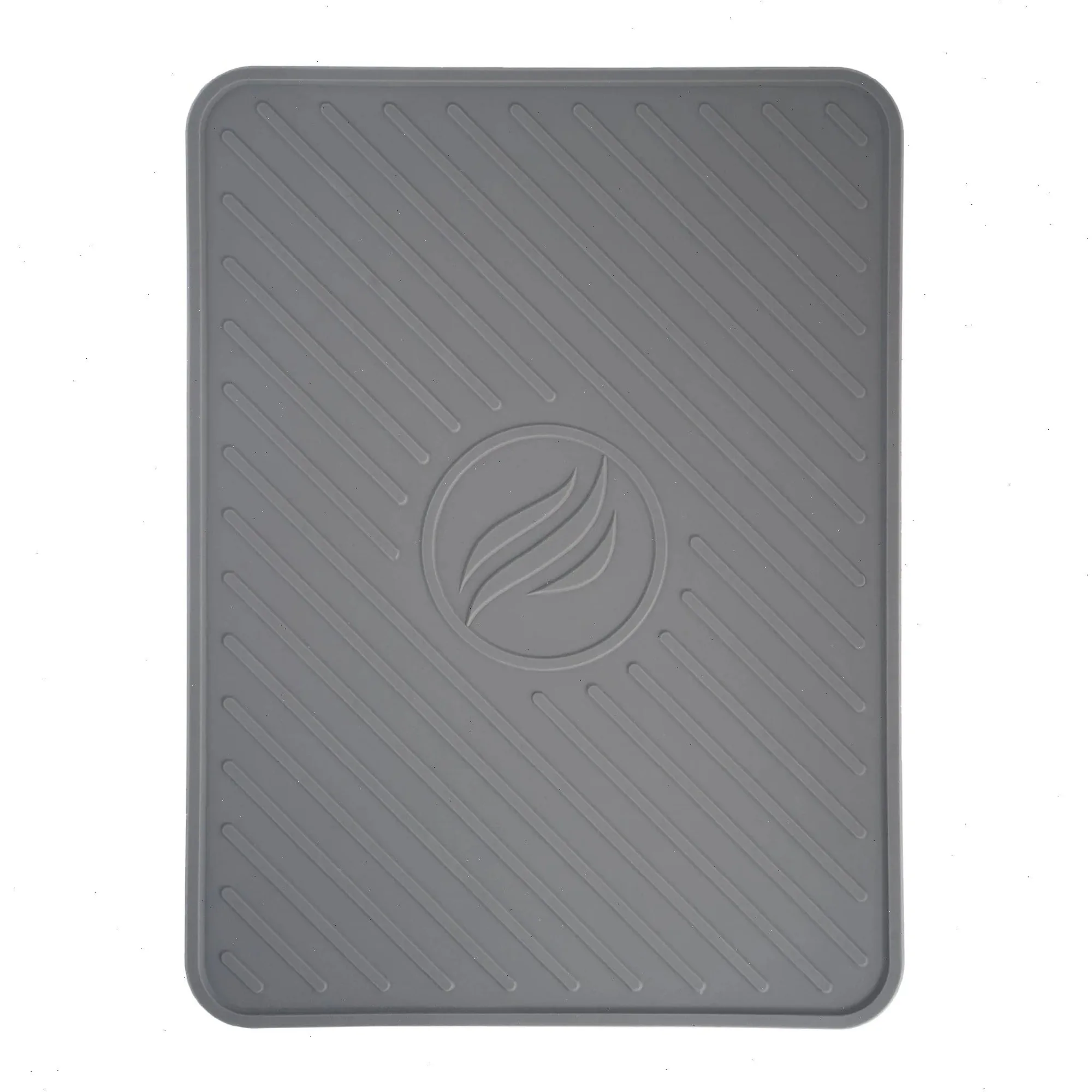
griddle tool mat
- Clean the griddle while it's warm
- Apply a thin layer of oil before cooking
- Re-season periodically to maintain the non-stick surface
Diagnosing Your Sticky Griddle
- Symptom: The griddle surface feels tacky or gummy to the touch, and food sticks even with oil. Confirm the stickiness is on the cooking surface, not just the edges.
- Likely Cause: Excess oil that hasn't polymerized, leftover food residue, or a damaged seasoning layer. Check if you've used too much oil recently or if you've cleaned with soap.
- Corrective Action: Heat the griddle, scrape off residue, apply a thin layer of oil, and heat until it smokes. If stickiness persists, strip and re-season. If the surface becomes smooth and non-stick, the fix worked.
- Stop or Choose Another Option: If the griddle remains sticky after multiple re-seasoning attempts, consider using a restoration kit or replacing the griddle top. If you've tried the steps and still have issues, it may be time for a deeper clean or professional help.
Blackstone Products to Help Maintain Your Griddle
- https://blackstoneproductsus.com/products/griddle-top-restoration-kit-11906Griddle Top Restoration Kit: Blackstone Griddle Top Restorer is great for griddle surfaces, created to break up grease and make cleaning your griddle a breeze. Directions: Clean griddle top, remove loose rust with a scraper, wash surface with soapy water, rinse, and dry, apply Griddle Top Restorer, cover rust affected areas with generous amount and spread with applicator pad (include the sides), allow Restorer to sit for 5 minutes, agitate Restorer... This kit is specifically designed to restore your griddle's surface, making it an effective solution for removing sticky residue and maintaining a smooth cooking area.
- Griddle Tool Mat: Keep your griddle tools organized and within reach with the Griddle Tool Mat from Blackstone. Designed for convenient side shelf use, this mat provides a clean, dedicated space for your cooking utensils while you grill. Made from 100% silicone for durability and easy cleaning, heat resistant for safe use on your griddle's side shelf, dishwasher safe for hassle-free maintenance, measures 9.25 inches by 12.2 inches. Keeping your tools off the cooking surface prevents scratches and helps maintain the seasoning, reducing the risk of stickiness.
A sticky griddle surface is a common issue that can be resolved with proper cleaning and re-seasoning. By understanding the causes and following the steps outlined, you can restore your griddle to its non-stick glory. For ongoing maintenance, consider using the Griddle Top Restoration Kit to keep your surface in top condition. Happy griddling!