Quick Answer
To fix a warped playing card, place it under a heavy book for 24 hours. For stubborn bends, lightly dampen a cloth and press the card with a warm iron, but be cautious with coated cards. If the card is creased or the deck is heavily warped, replacement is often the best option.
Playing cards can warp due to humidity, temperature changes, or improper storage. A single bent card can ruin a trick or a game, but you don't always need to toss the deck. With simple household items, you can often restore cards to a usable state.
This guide walks you through diagnosing the problem, applying the right fix, and knowing when to stop. We'll also touch on how to prevent future warping, so your favorite decks last longer.
Why Do Playing Cards Warp?
Playing cards are made of paper or plastic-coated paper, which absorbs moisture from the air. When humidity is high, the fibers swell unevenly, causing the card to bend or curl. Temperature fluctuations can also cause the layers to expand and contract at different rates.
Improper storage is another common culprit. Leaving cards in a hot car, near a radiator, or in a damp basement can accelerate warping. Even the oils from your hands can contribute over time, especially if you handle cards frequently without washing your hands.
- Store cards in a cool, dry place away from direct sunlight.
- Use a deck case or a brick box to maintain a stable environment.
Simple Fixes for Warped Cards
For a slightly warped card, the weight method works well. Place the card between two clean, dry cloths and put a heavy book on top. Leave it for at least 24 hours. This presses the card flat and allows the fibers to settle.
If the bend is more pronounced, try the ironing method. Set your iron to low heat with no steam. Place the card between two sheets of parchment paper and press the iron gently for a few seconds. Check the card and repeat if needed, but avoid overheating, as it can damage the coating.
- Always test the iron on a less important card first.
- Never use steam directly on a playing card.
When to Stop and Replace
If the card has a visible crease or the bend persists after several attempts, it's time to replace it. A creased card will never lie perfectly flat, which can affect shuffle feel and reveal the card's identity to a sharp eye.
Similarly, if an entire deck is warped, fixing each card individually is time-consuming and often ineffective. In that case, investing in a fresh deck is more practical, especially for performance or serious gameplay.
- For collectible or limited-edition decks, consider replacing just the damaged card if you have a spare.
- If the deck is a standard one, replacement is usually more cost-effective.
Diagnosis Guide
- Symptom: Card has a gentle curve or a sharp bend. Identify the severity: light curve vs. sharp crease.
- Likely Cause: Humidity, heat, or improper storage. Check your storage environment for moisture or heat sources.
- Corrective Action: Use weight method or low-heat ironing to flatten the card. If the card straightens without creases, you're good to go.
- Stop or Replace: If the card remains creased or the deck is uniformly warped, replace it. For a fresh, reliable deck, consider a new purchase.
Products That Help with Card Care
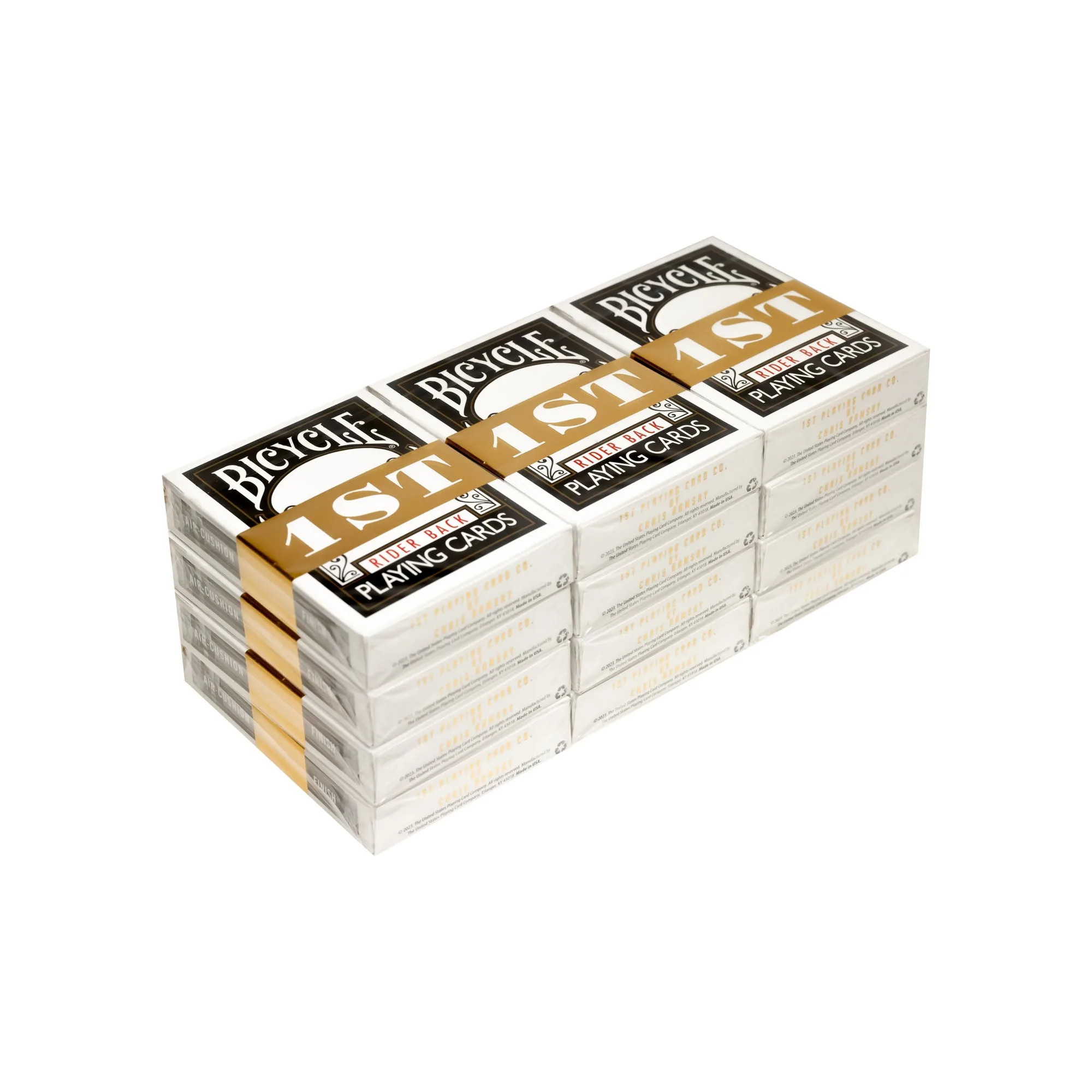
- 1ST Edition Bicycle Rider Backs Brick Box In Black: Box of 12 decks. This is the first collaboration for 1ST Playing cards, with the iconic Bicycle Rider Backs. A brick box provides a rigid, protective storage solution that keeps decks flat and shields them from humidity and pressure, reducing the risk of warping.
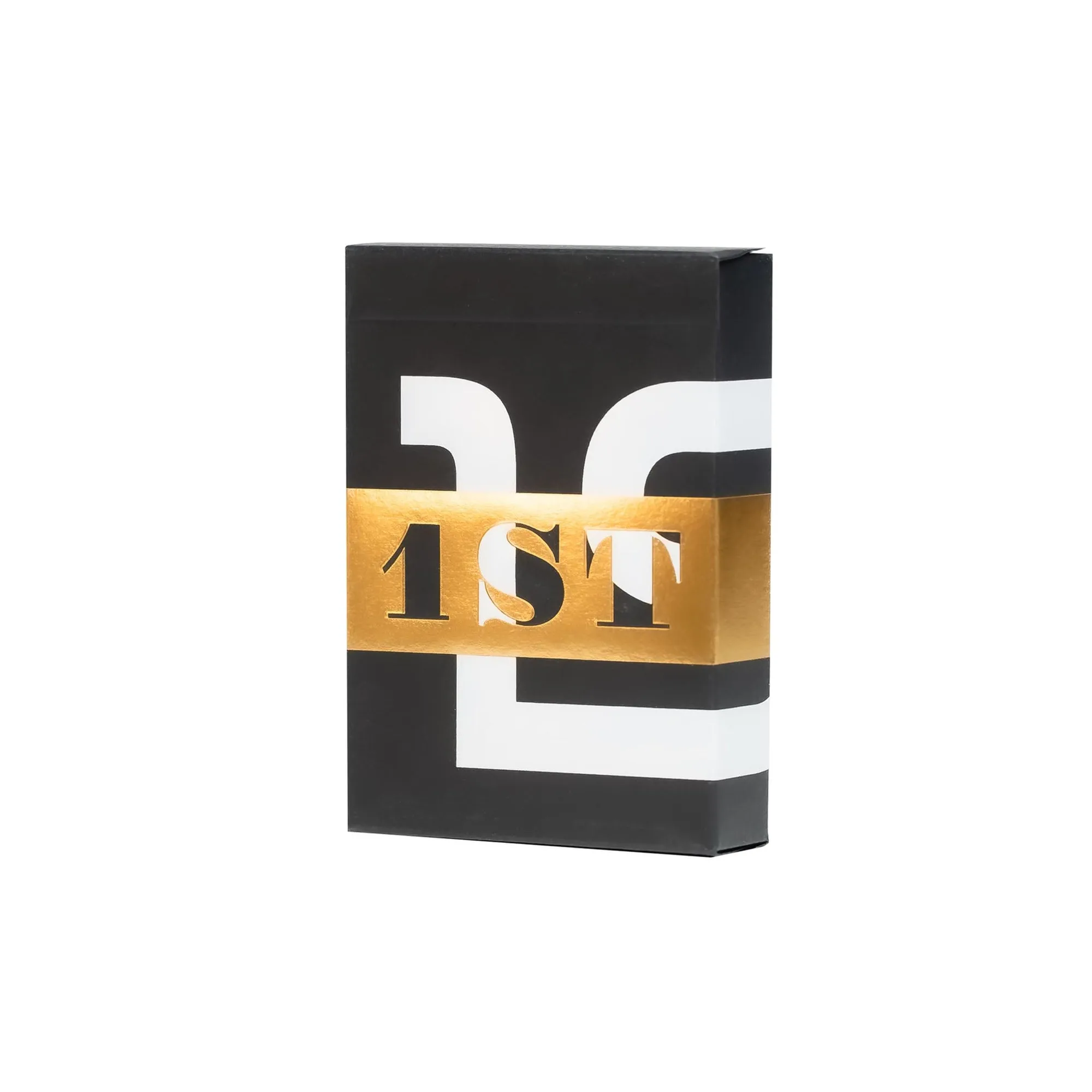
- 1ST Playing Cards V6 Black: 1ST Playing Cards V6 feature high-grade Bicycle stock that has been crushed for enhanced responsiveness and longevity. High-grade stock is more resilient and can better withstand the stress of repeated use, so you'll spend less time fixing warped cards.
Warped cards are a common nuisance, but with these simple fixes, you can often restore them and extend the life of your deck. Remember to store your cards properly to avoid future issues, and don't hesitate to replace a deck when it's beyond repair.