An emergency poncho is a lightweight, life-saving piece of gear that belongs in every hiking pack, car kit, and emergency bag. But if it's stuffed at the bottom of your pack in a crumpled ball, you'll waste precious minutes untangling it when the sky opens up. Learning how to fold and pack an emergency poncho for quick access can make the difference between staying dry and getting soaked.
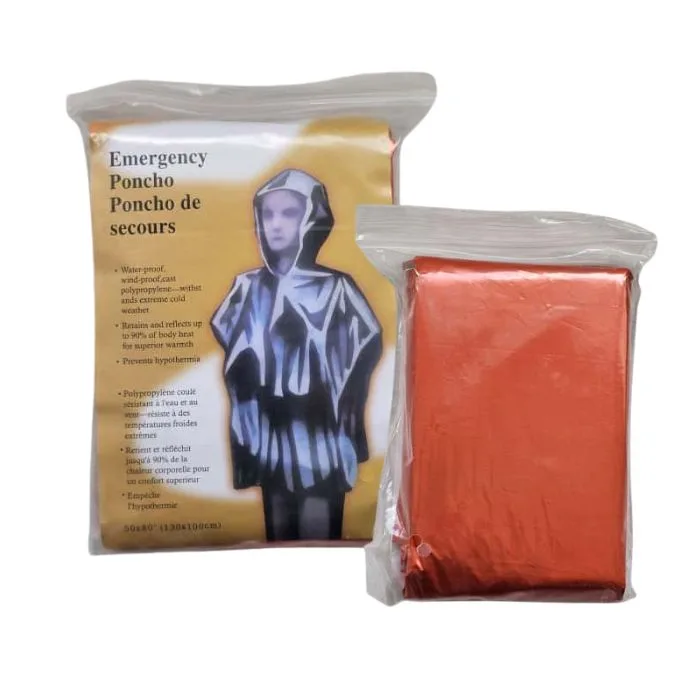
emergency poncho
In this guide, we'll walk you through several proven folding methods, storage strategies, and tips to ensure your poncho is always ready when you need it. Whether you're a day hiker, a prepper, or someone who just wants to be prepared, these techniques will keep your poncho compact, organized, and within easy reach.
Why Folding Matters for Quick Access
A properly folded poncho is more than just neat—it's functional. When you fold an emergency poncho correctly, you reduce its volume, protect it from tears, and make it easy to grab without unpacking your entire bag. A compact poncho can be stored in a pocket, a hip belt, or a dedicated pouch, ensuring you can deploy it in seconds.
Quick access is critical in sudden downpours or windy conditions. If your poncho is buried under gear, you'll get wet while searching for it. By mastering the fold, you can keep your poncho in an outer pocket or attach it to your pack with a carabiner, ready for instant use.
- Reduces packed size by up to 50%
- Prevents snagging and tearing
- Allows storage in small pockets or pouches
- Enables one-handed retrieval
The Basic Fold: The Rectangle Method
The rectangle method is the simplest and most common way to fold an emergency poncho. Start by laying the poncho flat on a clean surface, with the hood facing up. Smooth out any wrinkles to ensure a tight fold. Fold the poncho in half lengthwise, bringing the left edge to the right edge, then smooth again. Fold in half once more, creating a long, narrow strip. Finally, fold the strip into thirds, tucking the hood inside the last fold to keep it secure.
This method results in a neat rectangle that can be stored flat or rolled. It's ideal for packing in a backpack's main compartment or a large pocket. The key is to make each fold crisp and even, which reduces bulk and makes the poncho easier to handle.
- Ensure the poncho is dry before folding to prevent mildew
- Use a smooth surface to avoid snags
- Tuck the hood inside to keep it from catching
The Roll Method: Compact and Cylindrical
For an even more compact poncho, the roll method is your best bet. Start by folding the poncho in half lengthwise, then fold it in half again to create a long strip. Starting at one end, roll the strip tightly toward the other end, applying even pressure to keep the roll firm. Once rolled, secure it with a rubber band, a Velcro strap, or a small cord lock.
This cylindrical shape is perfect for slipping into a water bottle pocket, a side pocket, or even a large jacket pocket. It also makes it easy to attach to the outside of your pack with a carabiner. The roll method is favored by hikers and backpackers who want to minimize space and maximize accessibility.
- Roll tightly to reduce air pockets
- Use a compression sack for extra compactness
- Store in a waterproof container if possible
The Pocket-Fold: For Ultra-Quick Access
If you want your poncho within arm's reach at all times, the pocket-fold is the way to go. This method creates a small, flat square that fits easily into a pants pocket, a chest pocket, or a belt pouch. Start with the rectangle method, but instead of folding into thirds, fold into a small square that matches the size of your target pocket. Tuck the hood into the center to keep everything secure.
This fold is perfect for day hikes where you might not carry a full backpack. You can keep a pocket-folded poncho in your jacket or vest, ready to deploy in seconds. It's also great for urban emergency kits, where space is at a premium.
- Practice the fold at home to get it just right
- Use a small stuff sack for extra protection
- Keep one in your car's glove compartment
Storage Solutions: Where to Keep Your Poncho
Once your poncho is folded, where you store it matters just as much. For quick access, keep it in an outer pocket of your backpack, a hip belt pocket, or a chest harness. Many tactical backpacks have dedicated compartments for rain gear, making it easy to grab without unpacking. If you're carrying a crossbody bag, a small poncho can fit in a side pocket or even inside a cellphone pouch.
For emergency kits, consider storing your poncho in a waterproof pouch or a ziplock bag to protect it from moisture and punctures. You can also attach it to the outside of your pack with a carabiner, but make sure it's secured so it doesn't get snagged on branches. The goal is to have your poncho accessible without having to dig through your entire pack.
- Use a dedicated rain gear pocket if available
- Attach to a carabiner for instant access
- Store in a waterproof bag to keep it dry
Tips for Packing with Other Gear
When packing your emergency poncho alongside other gear, consider its placement relative to your other essentials. In a backpack, place it near the top or in an outer pocket so you don't have to empty your bag to reach it. If you're using a tactical backpack, use the molle webbing to attach a small pouch containing your poncho.
For those who carry a crossbody bag, you can use a double cellphone pouch to store a small, rolled poncho. This keeps it separate from your phone and other valuables, but still within easy reach. Remember to check your poncho periodically to ensure it's still folded properly and hasn't shifted.
- Place poncho on top of heavier items for easy access
- Use a separate pouch to keep it clean
- Check the fold regularly to maintain compactness
Maintaining Your Emergency Poncho
An emergency poncho is a one-time-use item for many, but you can extend its life with proper care. After each use, dry it completely before folding to prevent mildew. Inspect for tears or punctures, and patch small holes with duct tape if needed. While most ponchos are disposable, a high-quality one can be reused multiple times if handled gently.
If you're using a premium poncho, consider investing in a reusable storage bag. This not only protects the poncho but also keeps it compact. Remember that a well-maintained poncho is more likely to be reliable when you need it most.
- Dry thoroughly before storing
- Check for damage after each use
- Store in a cool, dry place
Folding and packing your emergency poncho properly is a simple skill that pays off in comfort and safety. By using the methods outlined above, you can ensure your poncho is compact, protected, and ready for quick access. Whether you're a hiker, a prepper, or just someone who likes to be prepared, these techniques will help you stay dry when the weather turns. Remember to practice your fold at home so it becomes second nature. And if you're looking for a reliable poncho to add to your gear, check out our selection of emergency ponchos and other tactical accessories to complete your kit.