Quick Answer
To freeze and reheat casseroles in ceramic baking dishes without cracking, always cool the dish completely before freezing, avoid extreme temperature changes, and use a freezer-to-oven safe dish like the Souper Cubes® Ceramic Baking Dish 2.0. When reheating, place the frozen dish in a cold oven and gradually increase the temperature to prevent thermal shock.
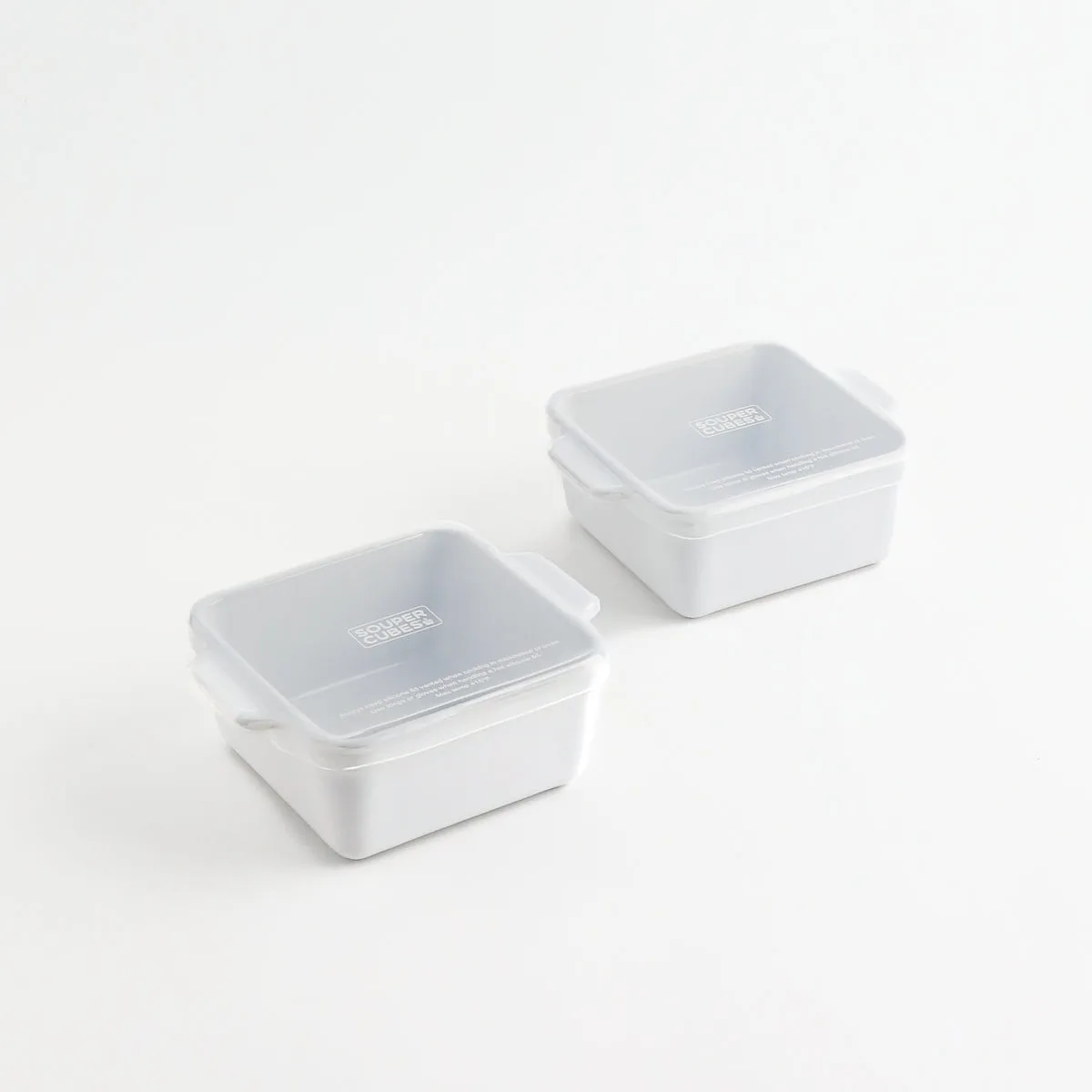
Ceramic Baking Dish 2.0
Freezing casseroles is a meal prep lifesaver, but it can turn into a disaster if your ceramic baking dish cracks. The culprit is usually thermal shock—a sudden temperature change that stresses the material. Fortunately, with the right techniques and a freezer-safe ceramic dish, you can safely go from oven to freezer and back again.
In this guide, we'll walk you through the entire process: preparing your casserole for freezing, freezing it correctly, and reheating it without damaging your dish. We'll also highlight why the Souper Cubes® Ceramic Baking Dish 2.0 is designed to handle these temperature swings, and we'll share common mistakes to avoid.
Why Ceramic Dishes Crack in the Freezer or Oven
Ceramic is porous and can absorb moisture. When you freeze a hot or even warm dish, the moisture inside expands as it turns to ice, creating internal pressure that can cause hairline cracks. Similarly, placing a cold dish directly into a hot oven causes the exterior to expand faster than the interior, leading to cracking.
The key is to avoid sudden temperature changes. Always let your casserole cool to room temperature before freezing, and when reheating, use a gentle temperature transition. Some ceramics are more resistant to thermal shock than others, so choosing a high-quality, freezer-to-oven safe dish is essential.
- Always cool food completely before freezing.
- Never move a dish from freezer directly to a preheated oven.
- Use dishes specifically labeled as freezer-to-oven safe.
Step-by-Step: Freezing Casseroles in Ceramic Dishes
Start by preparing your casserole as you normally would, but consider using a dish that can go from freezer to oven, like the Souper Cubes® Ceramic Baking Dish 2.0. These stoneware dishes are designed to withstand temperature fluctuations, making them ideal for freezer meal prep.
Once your casserole is assembled, let it cool completely on the counter. Cover it tightly with a lid or aluminum foil to prevent freezer burn. Label the dish with the date and contents, then place it in the freezer on a flat surface. Avoid stacking heavy items on top until it's fully frozen.
- Use a freezer-safe lid or wrap to protect the casserole.
- Freeze the dish uncovered for the first hour to speed up freezing, then cover.
How to Reheat a Frozen Casserole Without Cracking
The safest way to reheat a frozen casserole in a ceramic dish is to place it in a cold oven, then set the temperature to 350°F (175°C). This allows the dish to warm up gradually with the oven, minimizing thermal shock. Alternatively, you can thaw the casserole in the refrigerator overnight before reheating.
If you're short on time, you can use the microwave for individual portions, but for a whole casserole, the oven method yields better texture. Always use oven mitts when handling the hot dish, and never place a hot dish on a cold surface.
- Reheat from frozen in a cold oven for best results.
- Thawing overnight in the fridge reduces reheating time and stress on the dish.
Step-by-Step: Freeze and Reheat Casseroles Safely
- Step 1: Cool the casserole completely: After baking, let the casserole sit at room temperature until it's completely cool. This prevents condensation and ice crystals from forming inside the dish. Checkpoint: The dish should feel room-temperature to the touch before freezing.
- Step 2: Cover and seal the dish: Use a lid or wrap the dish tightly with plastic wrap or foil. If using a Souper Cubes® Ceramic Baking Dish, snap on the silicone cover for an airtight seal. Checkpoint: Ensure the cover is secure to prevent freezer burn.
- Step 3: Freeze on a flat surface: Place the dish in the freezer on a flat, level surface. Avoid stacking anything on top until the casserole is fully frozen. Checkpoint: After 24 hours, the casserole should be solid.
- Step 4: Reheat from frozen in a cold oven: Remove the dish from the freezer, remove the cover, and place it in a cold oven. Set the oven to 350°F (175°C) and heat until the casserole is bubbling and reaches an internal temperature of 165°F (74°C). Checkpoint: Use a food thermometer to ensure it's fully heated.
- Step 5: Let it rest before serving: Allow the casserole to rest for 5-10 minutes after removing it from the oven. This helps the dish cool slightly and prevents thermal shock when placed on a counter. Checkpoint: The dish will be very hot—use oven mitts.
Ceramic Baking Dishes Built for Freezer-to-Oven Use
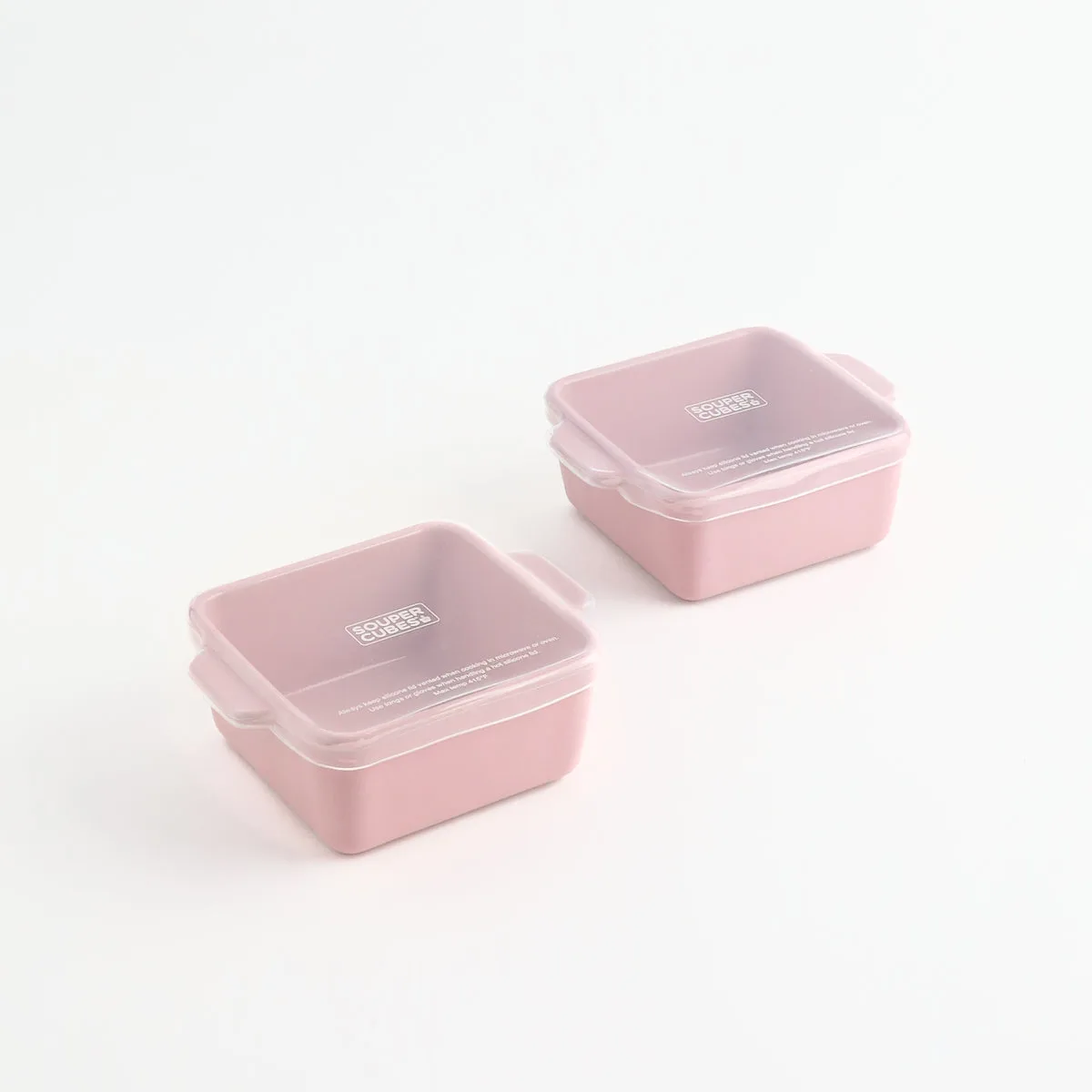
- Ceramic Baking Dish 2.0 - 5" Rectangle: The Souper Cubes® 5" rectangular stoneware baking dishes with silicone covers are perfect for baking or serving food in individual portions. The included silicone cover provides a tight seal for freezing, and the stoneware construction is designed to handle temperature changes, making it a reliable choice for freezer-to-oven casseroles.
- Ceramic Baking Dish 2.0 - 5" Square: The Souper Cubes® 5" square stoneware baking dishes with silicone covers are perfect for baking or serving food in individual portions. The square shape is great for portion-controlled casseroles, and the silicone cover ensures a leak-proof seal during freezing, protecting your food from freezer burn.
Freezing and reheating casseroles in ceramic dishes doesn't have to be risky. By following these steps and using a freezer-to-oven safe dish like the Souper Cubes® Ceramic Baking Dish 2.0, you can enjoy convenient, homemade meals without worrying about cracks. Explore the Ceramic Baking Dish 2.0 - 5" Rectangle to start your freezer meal prep today.