There’s nothing quite like the creamy, velvety microfoam that tops a café-quality latte or cappuccino. But what if you don’t own an espresso machine with a steam wand? The good news is that you don’t need expensive equipment to achieve beautiful, frothy milk at home. With a few simple tools and a little technique, you can froth milk without a steamer and elevate your home coffee game.
Whether you’re brewing with an Aeropress, pour-over, or moka pot, adding frothed milk transforms a simple black coffee into a luxurious café-style drink. In this guide, we’ll walk you through five proven methods to froth milk using everyday kitchen items. Plus, we’ll share tips on choosing the right milk and avoiding common mistakes. Ready to become your own home barista? Let’s dive in.
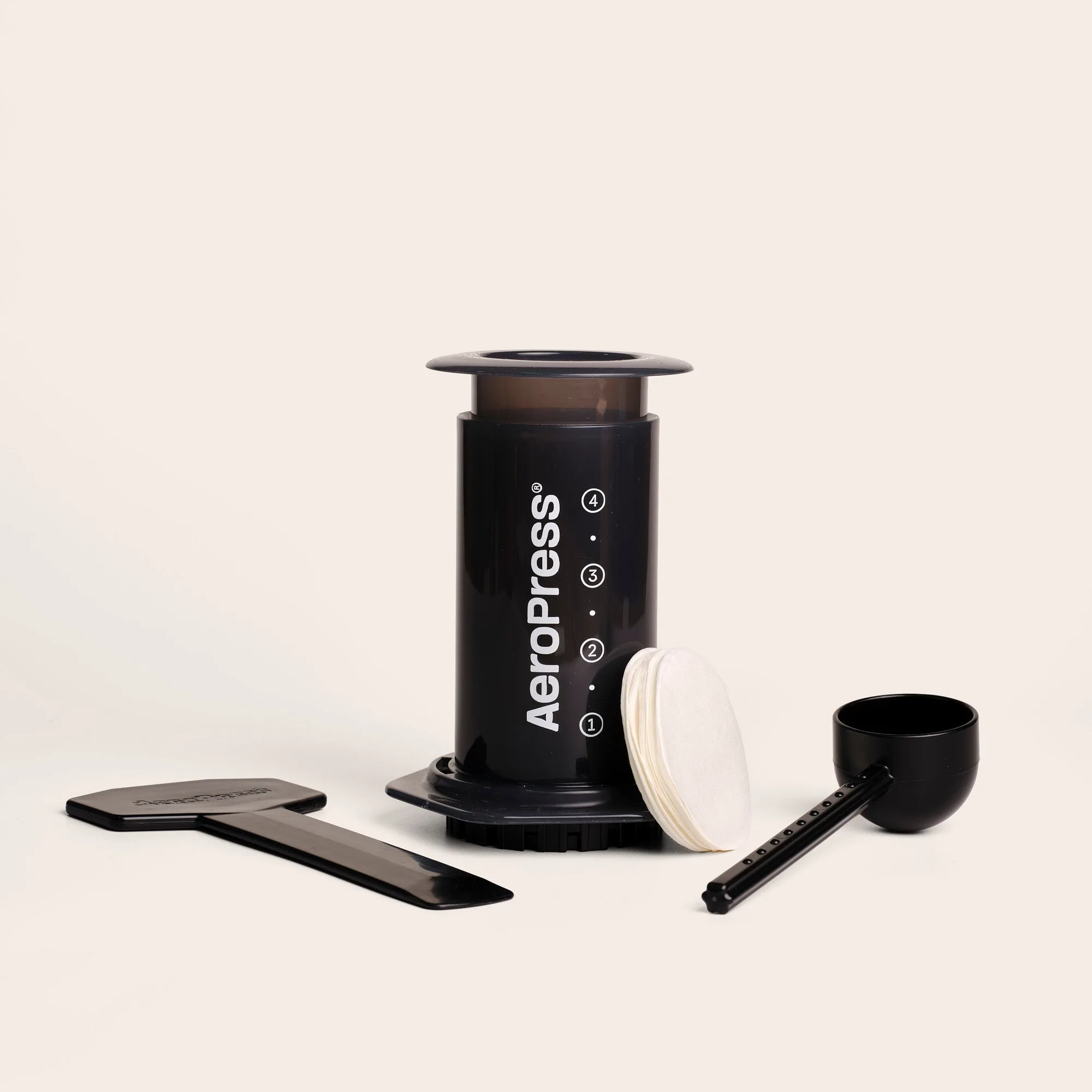
Aeropress
Why Froth Milk Without a Steamer?
Frothed milk adds texture, sweetness, and a professional finish to your coffee. While steam wands are standard in coffee shops, they’re not always practical at home. Many home brewers use manual brewers like the Pezzetti Enamel Moka Pot, which produces a strong, espresso-like concentrate perfect for milk-based drinks. Pairing that rich coffee with homemade milk foam is a game-changer.
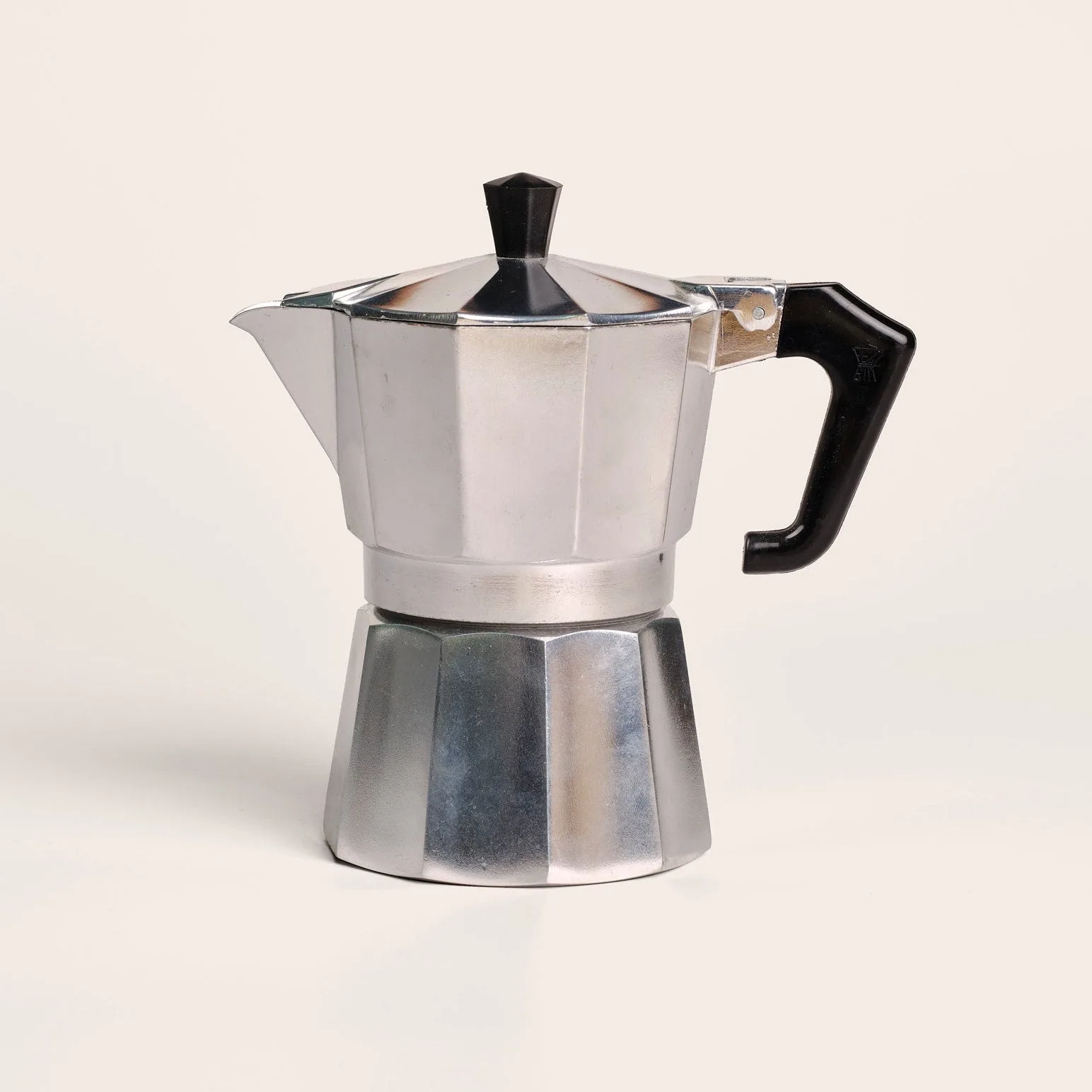
Pezzetti Enamel Moka Pot
Frothing milk without a steamer is also more affordable and portable. You can make café-quality drinks in a small kitchen, at the office, or even while camping. The methods we cover require minimal equipment—most of which you already own—and take only a minute or two. Plus, you have full control over the milk temperature and foam density, allowing you to customize your drink exactly how you like it.
- No need for expensive machines or steam wands
- Works with any milk type: dairy, oat, almond, soy
- Perfect for travel, office, or small kitchens
Method 1: The Mason Jar Shake
The mason jar method is the simplest and most accessible way to froth milk without a steamer. All you need is a clean jar with a tight-fitting lid, your milk of choice, and about 30 seconds of elbow grease. Pour cold milk into the jar, filling it no more than halfway to leave room for expansion. Screw the lid on tightly and shake vigorously for 30–45 seconds until the milk doubles in volume and becomes thick and foamy.
Once shaken, remove the lid and microwave the jar (without the lid) for 30–45 seconds. The heat stabilizes the foam and helps it set. You’ll notice a layer of stiff foam on top and warm, creamy milk below. Use a spoon to hold back the foam while you pour the milk into your coffee, then spoon the foam on top. This method works best with whole milk or oat milk for a richer texture.
- Use a wide-mouth jar for easier cleaning
- Shake off the lid after microwaving to release steam
- For extra foam, add a pinch of salt before shaking
Method 2: French Press Frothing
If you have a French press, you already own one of the best manual frothers. Heat your milk in a saucepan or microwave until warm (around 60–65°C / 140–150°F). Do not boil it. Pour the warm milk into the French press, filling it no more than a third full. Place the plunger and lid on, then pump the plunger up and down vigorously for 30–60 seconds.
The mesh filter aerates the milk, creating a thick, creamy foam similar to what you’d get from a steam wand. The French press method gives you excellent control: pump slowly for larger bubbles (good for cappuccinos) or faster for finer microfoam (ideal for lattes). Pour directly into your coffee, using a spoon to hold back the foam if needed. This technique works beautifully with dairy and barista-edition plant milks.
- Pre-warm the French press with hot water for better foam stability
- Clean the plunger thoroughly after each use to avoid milk residue
- For a latte, use whole milk; for a cappuccino, use semi-skimmed
Method 3: Whisking by Hand or with an Electric Frother
A simple whisk—either manual or electric—can produce surprising results. For the manual method, heat your milk in a small saucepan over medium heat until steaming but not boiling. Remove from heat and whisk vigorously in a back-and-forth motion, not circular, to incorporate air. Within 30–60 seconds, you’ll see foam forming. This takes some arm strength but is rewarding.
An electric milk frother or handheld immersion blender with a whisk attachment makes the job effortless. Simply heat the milk, then submerge the frother and turn it on. Move it up and down to incorporate air until you reach your desired foam level. Electric frothers are affordable and compact, making them a great addition to any home coffee setup. For the best results, pair your frothed milk with a rich brew from a Pezzetti Enamel Moka Pot for an authentic Italian experience.
- Use a narrow, deep container to minimize splashing
- Tilt the container slightly while whisking for better aeration
- Stop frothing when the milk reaches 60–65°C to avoid scorching
Method 4: The Blender Method
A countertop blender is a powerhouse for frothing milk. Pour warm milk into the blender, filling it about halfway. Start on low speed, then gradually increase to high. Blend for 20–30 seconds until the milk is thick and foamy. Be careful not to over-blend, as the milk can become too stiff. This method is especially effective for making large batches of frothed milk for multiple drinks.
The blender creates a very consistent, fine foam, but it can be a bit airy. To improve texture, let the foam settle for 10 seconds before pouring. You can also pulse the blender a few times instead of running continuously. This method works well with any milk, but barista blends with higher protein content give the best results. For a quick morning latte, this is one of the fastest ways to froth milk without a steamer.
- Use a blender with a vented lid to release steam
- Do not fill more than halfway to avoid overflow
- For a flavored latte, add a dash of vanilla or caramel syrup before blending
Choosing the Best Milk for Frothing
Not all milk froths equally. The key factor is protein content: proteins stabilize the air bubbles and create lasting foam. Whole cow’s milk (3.5–4% fat) is the gold standard for rich, creamy froth. Semi-skimmed works well too, but skimmed milk produces a lighter, more airy foam that dissipates faster. For plant-based options, look for barista editions of oat, soy, or almond milk, which are formulated with added protein and stabilizers.
Temperature also matters. Cold milk froths better than warm because the fat is solid and helps trap air. However, for hot drinks, you need to warm the milk after frothing (as in the jar method) or froth it warm (as in the French press method). Aim for 60–65°C—hot enough to be pleasant but not so hot that it scalds the milk, which ruins the flavor and foam structure.
- Avoid ultra-pasteurized milk; it often froths poorly
- Fresh, whole milk from a local dairy usually froths best
- Barista oat milk (like Oatly Barista) is a top non-dairy choice
Common Mistakes and How to Avoid Them
Even with the right method, a few pitfalls can ruin your foam. Overheating is the most common issue—milk that reaches 70°C or higher will lose its protein structure and taste burnt. Always heat slowly and use a thermometer if possible. Another mistake is using too much milk in your frothing vessel. Leave plenty of headroom for the milk to expand; otherwise, you’ll end up with a mess.
Using old or low-protein milk is another culprit. Check the expiration date and opt for fresh, high-quality milk. Finally, don’t let your foam sit too long before pouring. Froth your milk just before you’re ready to assemble your drink. If you’re making multiple drinks, froth each batch separately for the best texture. With a little practice, these methods become second nature.
- Always warm your vessel (jar, press, or blender) before adding milk
- Tap the container on the counter to pop large bubbles after frothing
- Swirl the milk gently before pouring to integrate foam and liquid
Mastering the art of frothing milk without a steamer opens up a world of coffee possibilities right in your own kitchen. Whether you prefer the simplicity of a mason jar, the control of a French press, or the speed of an electric frother, each method delivers delicious, creamy foam that rivals your local café. Experiment with different milks and techniques to find your perfect cup. For a truly elevated home coffee experience, pair your frothed milk with the rich, bold flavors of the Pezzetti Enamel Moka Pot—a classic Italian brewer that produces the ideal espresso base for lattes, cappuccinos, and more. Happy frothing!