Quick answer
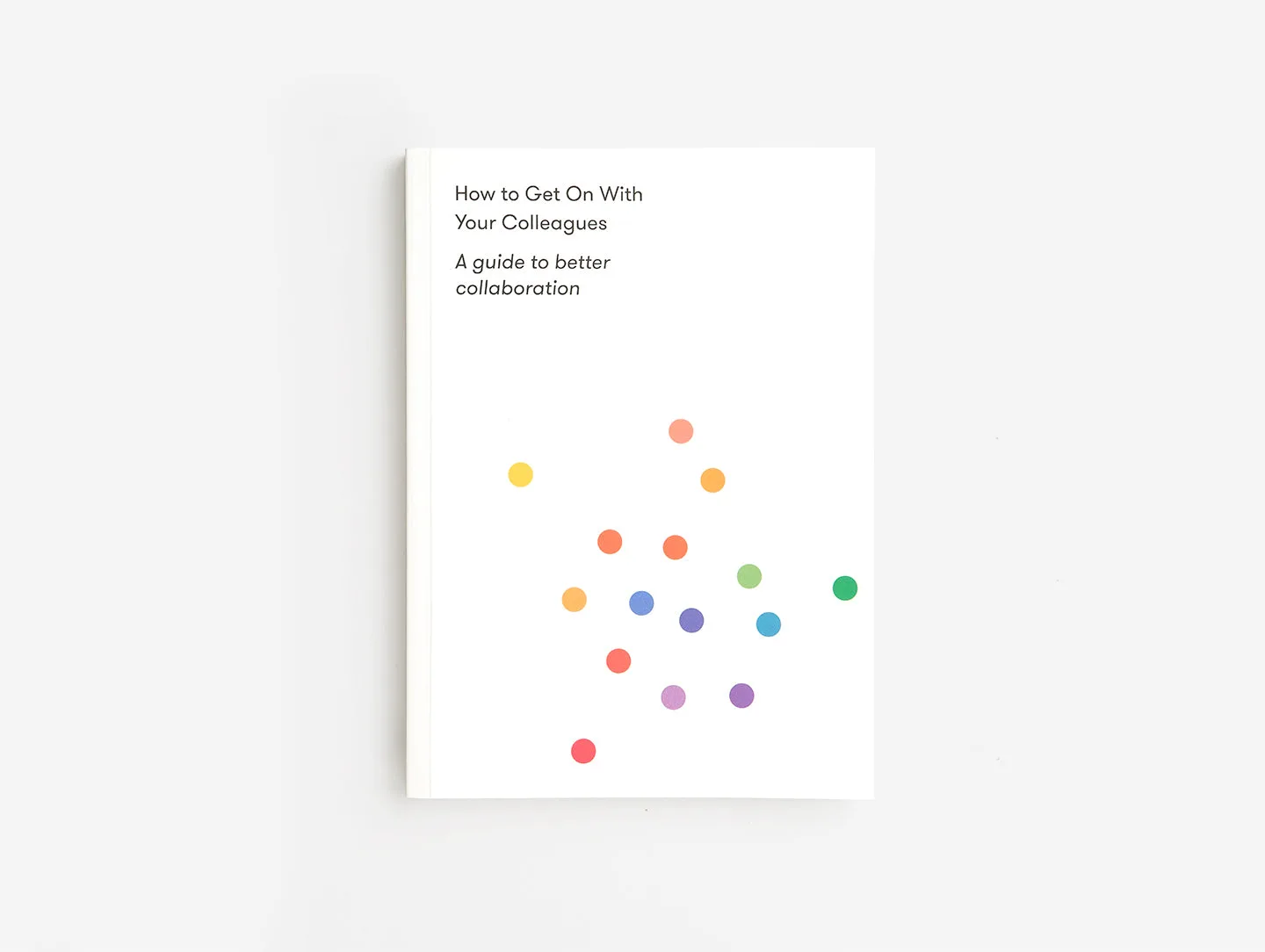
Most office relationship advice fails because it treats friction as a personality problem to fix rather than a skill to practice. The School of Life's How to Get On With Your Colleagues compresses workplace psychology into lessons on collaboration, which makes it a practical starting point for anyone dealing with difficult coworkers.
Why workplace relationship myths persist
Office advice often sounds reassuring but leaves you with nothing to do on Monday morning. Myths survive because they describe an ideal workplace rather than the one you actually work in. The School of Life notes that it has worked with organisations since its foundation, releasing the latent talents of employees and equipping them with the emotional intelligence required to succeed. That experience shapes a book that treats colleagues as people to understand, not problems to eliminate.
The result is a guide to more profitable, harmonious and happier organisations — a useful reminder that getting on with colleagues is not just about being nicer. It is about how work gets done.
What the book actually covers
How to Get On With Your Colleagues compresses The School of Life's organisational learning into a series of lessons on workplace psychology. It does not promise scripts for every awkward conversation or a fix for every difficult coworker. Instead, it gives you a framework for understanding why colleagues behave as they do and how collaboration breaks down. That makes it more useful as a reference you return to than as a one-sitting read.
Because the book is a compact guide rather than a comprehensive manual, it works best when you pair it with your own observations at work. Read a lesson, then watch for the pattern it describes in your next meeting.
Workplace relationship myths: verdicts
- Myth: You just need to be more likable: Verdict: False. Likability helps, but the book frames collaboration as a skill built on emotional intelligence, not charm. Focus on understanding the work dynamic, not on being everyone's friend.
- Myth: Difficult coworkers are a lost cause: Verdict: Overstated. The book's lessons on workplace psychology suggest friction is often a pattern to understand, not a fixed personality. Look for the repeated situation that triggers the difficulty before writing someone off.
- Myth: Conflict is always bad for the team: Verdict: False. The School of Life's guide aims at more profitable, harmonious and happier organisations, which implies that handled conflict can improve how teams work. Ask what the disagreement is revealing about the process, not just about the people.
- Myth: One book will fix your office: Verdict: Unrealistic. How to Get On With Your Colleagues is a compact guide, not a complete organisational overhaul. Use it as a starting point for reflection, then test one lesson at a time.
Product facts
-
How to Get On With Your Colleagues: Compresses The School of Life's workplace learning into a series of lessons on workplace psychology. Short lessons make it easy to apply one idea at a time instead of overhauling your whole approach.
How to Get On With Your Colleagues