Quick Answer
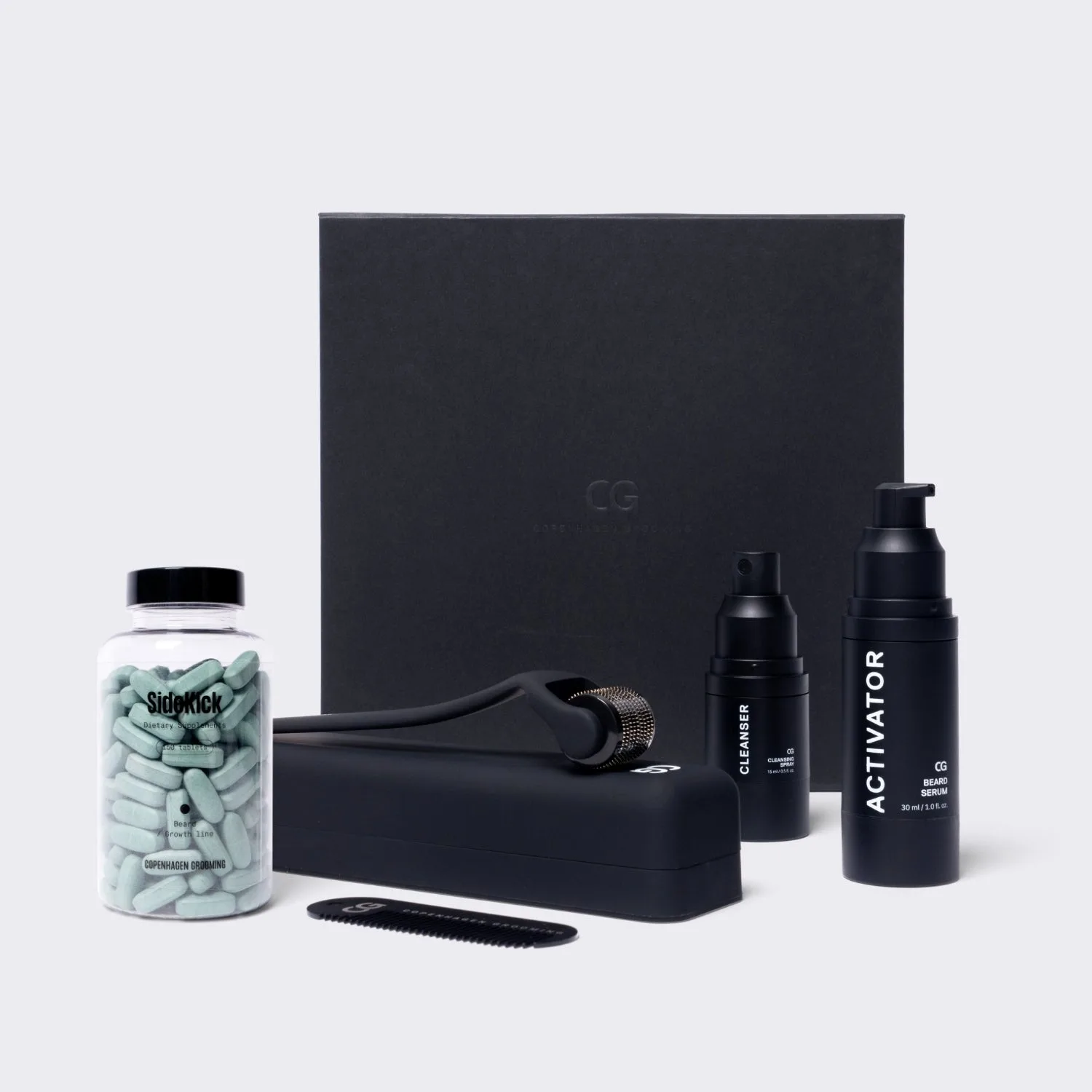
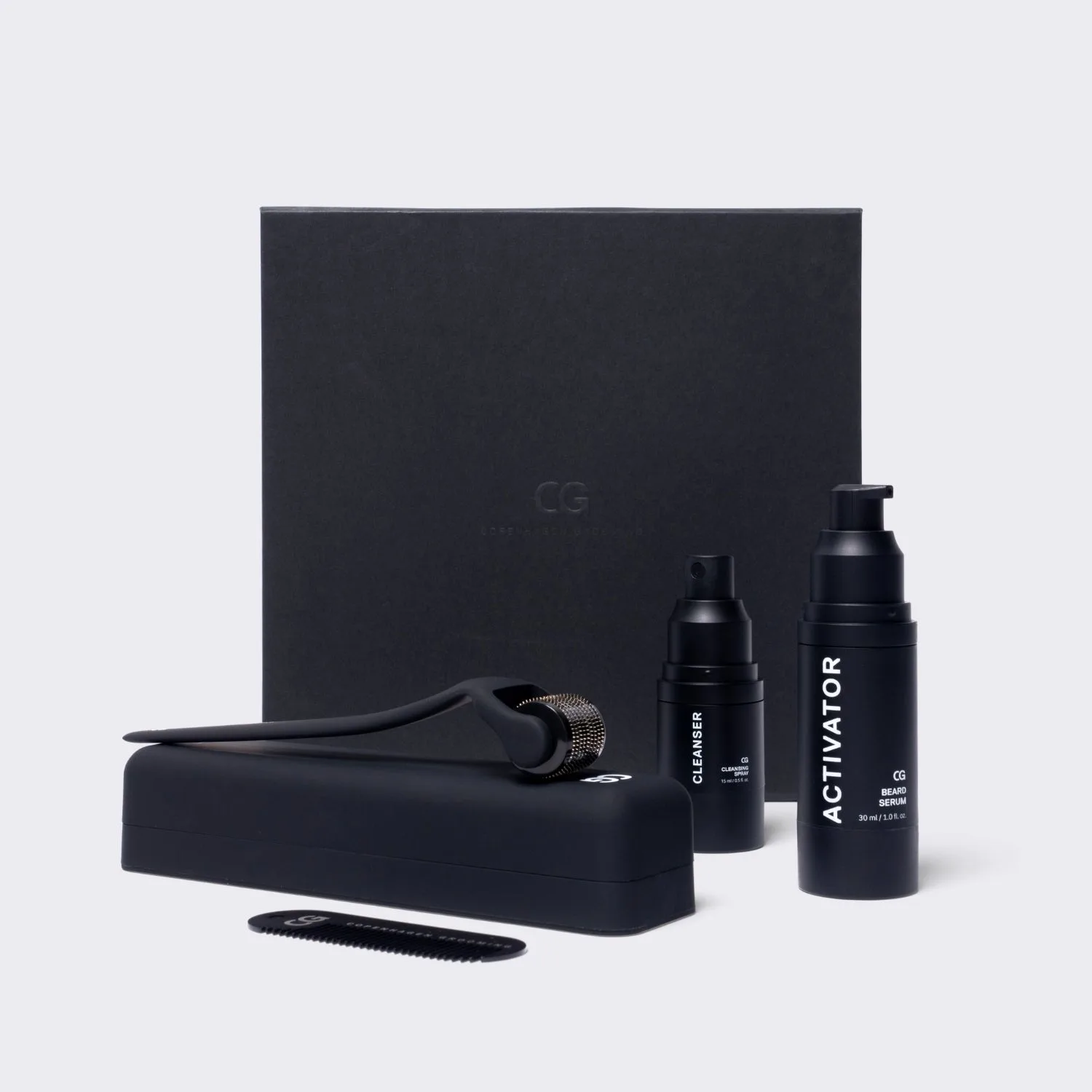
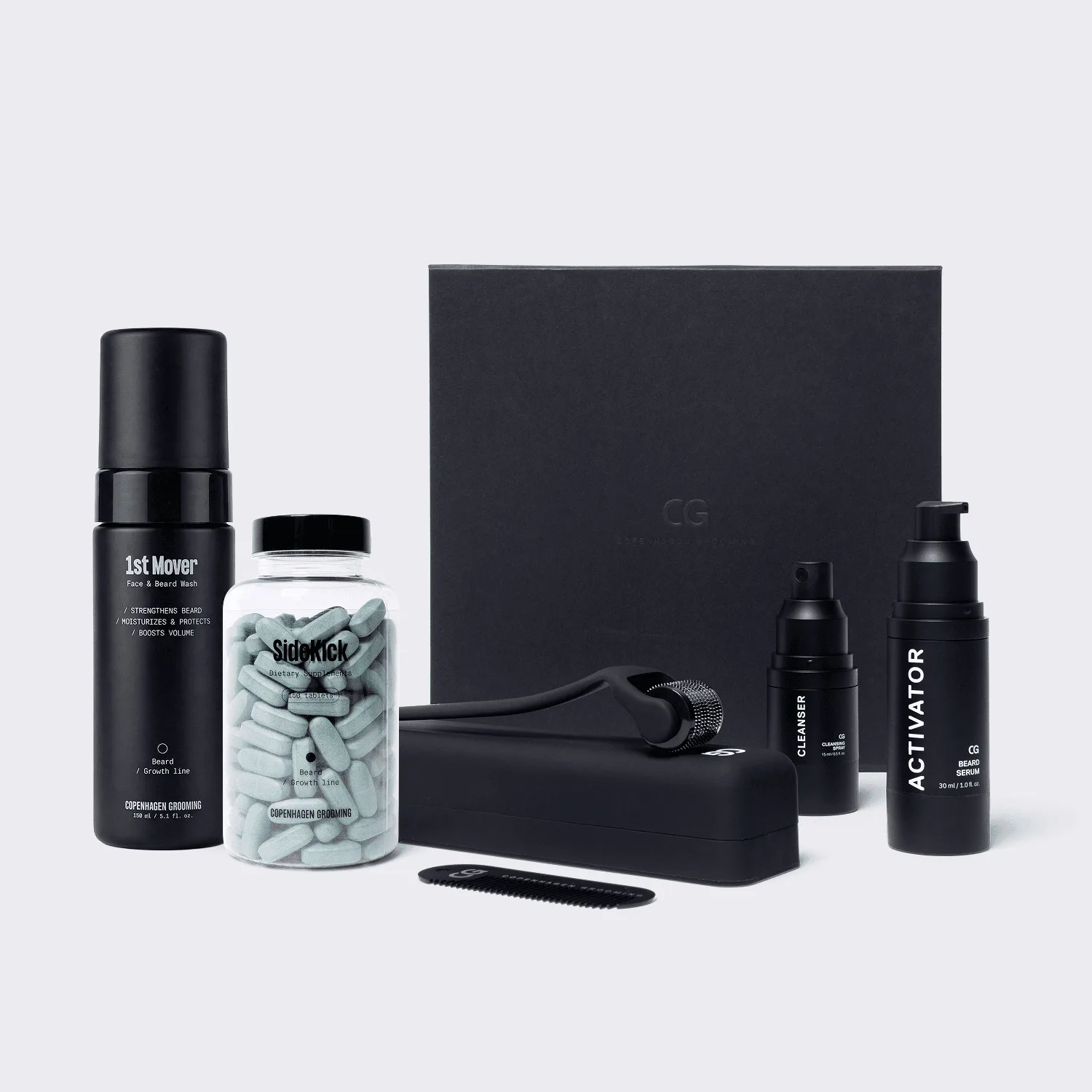
To grow a fuller beard, focus on consistency: give your beard at least 3 months to fill in, keep your skin and hair healthy with a gentle cleansing routine, and consider targeted growth products like the sidekick-1st-mover-366297">https://cphgroomings.com/products/beard-growth-kit-sidekick-366311Beard Growth Kit + Sidekick + 1st Mover if you want to speed up results. Patchiness often improves with time, but if you see no change after 6 months, it may be worth consulting a dermatologist.
Patchy beards are more common than you think, and they’re not a permanent sentence. Many men see uneven growth in their 20s and 30s, only to find their beard fills in later. The key is understanding why patchiness happens and what you can do about it without falling for miracle cures.
This guide walks you through the likely causes, practical steps to encourage fuller growth, and the point where you should stop guessing and seek professional advice. You’ll also learn how to care for the beard you have while you wait for it to thicken.
Why Your Beard Is Patchy
Patchiness usually comes down to genetics, hormone levels, or simply your age. Hair follicles on your face have different sensitivity to dihydrotestosterone (DHT), which means some areas grow faster and thicker than others. This is normal, and for many men, the patches fill in as they get older.
Other factors like stress, poor sleep, or an unhealthy diet can temporarily slow hair growth. But the most common reason for a patchy beard is that you haven’t given it enough time. Beard hair grows slowly—about half an inch per month—so it can take 2 to 3 months to see what your beard actually looks like.
- Give your beard at least 3 months before judging its fullness.
- Take photos monthly to track progress objectively.
How to Encourage Fuller Growth
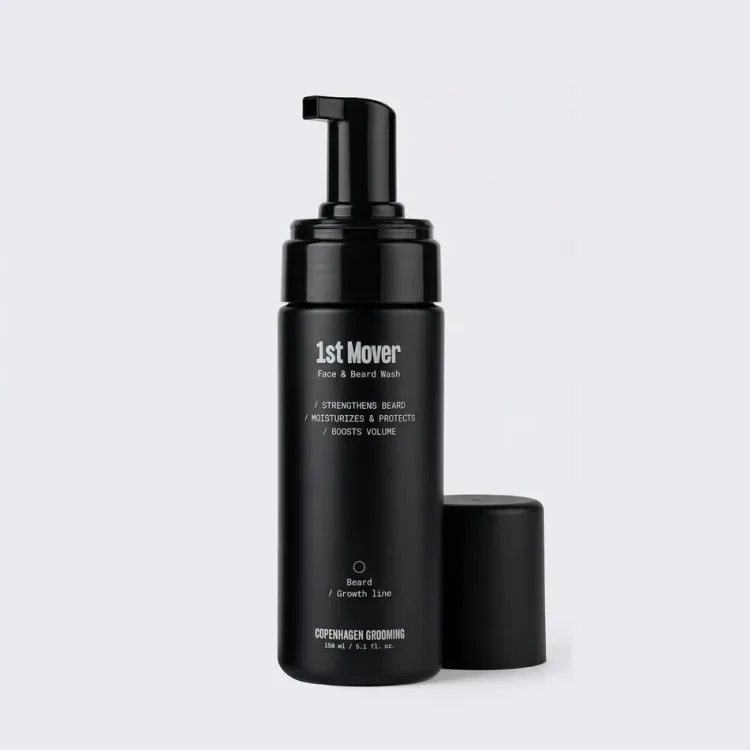
While you can’t change your genetics, you can create the best environment for growth. Start by keeping your skin and hair clean. A gentle foaming wash, like the one in the Beard Growth Kit + Sidekick + 1st Mover, removes buildup without stripping natural oils. Healthy skin supports healthy hair follicles.
Exfoliating your face once or twice a week can also help by removing dead skin cells that might clog follicles. And don’t forget to moisturize—well-hydrated skin makes the hair you have look thicker and healthier.
- Use lukewarm water when washing your beard to avoid drying out your skin.
- Apply beard oil or balm to keep the hair soft and reduce breakage.
When to Consider Growth Products
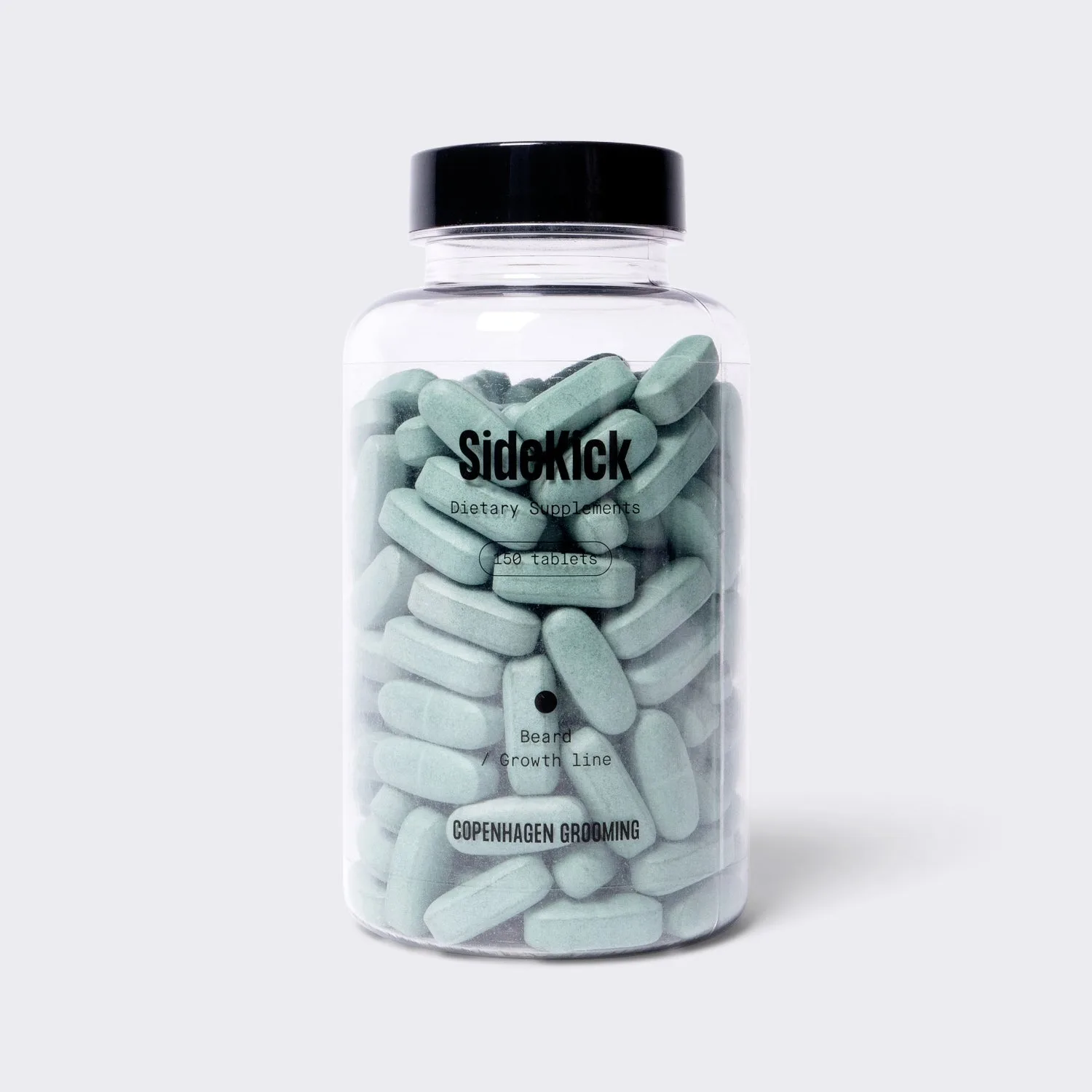
If you’ve been patient and consistent with your routine but still see little progress, targeted growth products can help. The Beard Growth Kit + Sidekick + 1st Mover is a 3-step system designed to boost beard growth, including supplements and a gentle foaming wash. One user reported seeing results after a month of use, though individual results vary.
These products work best when used as part of a consistent routine. They’re not a magic fix, but they can support your body’s natural growth cycle. Look for products with natural ingredients and clear instructions, and be wary of anything that promises overnight results.
- Follow the product instructions consistently for at least 8 weeks before evaluating.
- Combine growth products with a healthy diet rich in protein and vitamins.
Grooming Tricks to Hide Patchiness
While you wait for growth, you can style your beard to minimize the appearance of patches. Keep the hair slightly longer in sparse areas and trim the thicker parts to match. This creates a more even look. Using a beard scissors for precise trimming helps you shape without over-cutting.
Also, consider your beard line. A well-defined neckline and cheek line can make a patchy beard look intentional. If you’re unsure, visit a barber for a professional shape-up—it can make a huge difference.
- Trim with scissors rather than a razor for better control.
- Brush your beard downward to train hair to lie flat and cover sparse spots.
Your Patchy Beard Diagnosis
- Symptom: You see uneven or sparse hair growth on your cheeks, jawline, or neck after several weeks of not shaving. This is normal for many men, especially in their 20s.
- Likely Cause: Genetics and age are the primary factors. Hormone sensitivity in different follicles leads to varied growth rates. You can’t change your genes, but you can support healthy growth.
- Corrective Action: Commit to a consistent routine: wash gently, moisturize, and consider a growth kit like the Beard Growth Kit + Sidekick + 1st Mover. Give it at least 3 months. Track progress monthly and adjust your grooming habits.
- When to Stop or Choose Another Option: If after 6 months of consistent care you see no improvement, or if you experience sudden patchy hair loss, consult a dermatologist. They can check for underlying conditions like alopecia areata. Professional advice is the right next step—don’t keep buying products without a diagnosis.
Products That Can Help
- Beard Growth Kit + Sidekick + 1st Mover: The unique 3-step process to boost beard growth + beard supplements made for your beard journey, and a gentle foaming wash that removes buildup without drying out your beard and skin. This kit addresses both the internal and external factors that affect beard growth, making it a convenient all-in-one option for men who want to give their beard the best chance to fill in.
- Beard Scissors: Made with 100% stainless steel, ensuring durability and precision. Precision scissors let you shape your beard to blend patchy areas, so you can look well-groomed while your beard continues to grow.
Growing a fuller beard takes time, patience, and the right care. Start with a solid routine, consider targeted products like the Beard Growth Kit + Sidekick + 1st Mover if you want extra support, and use grooming tricks to look your best in the meantime. If nothing changes after months of effort, a dermatologist can offer personalized guidance.