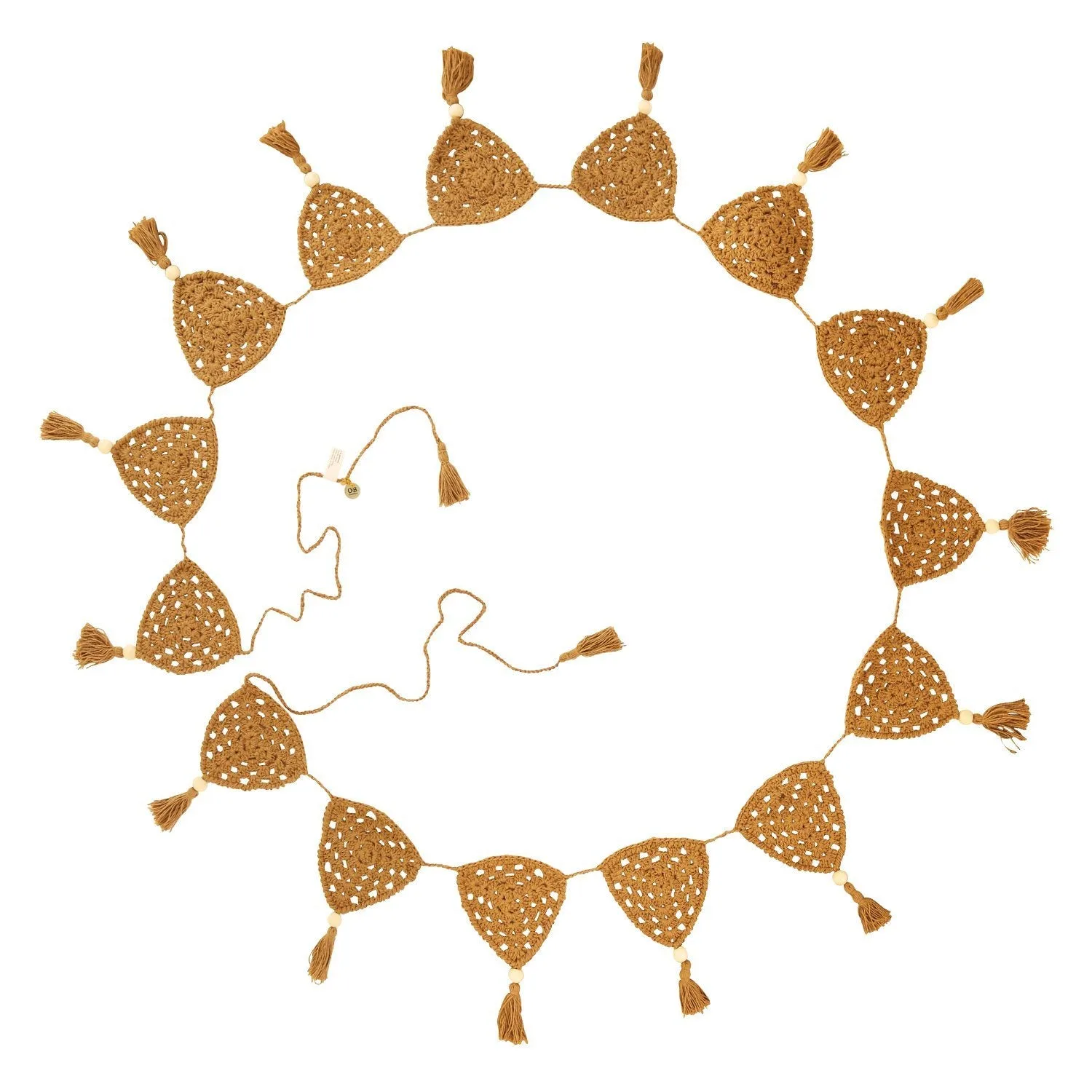
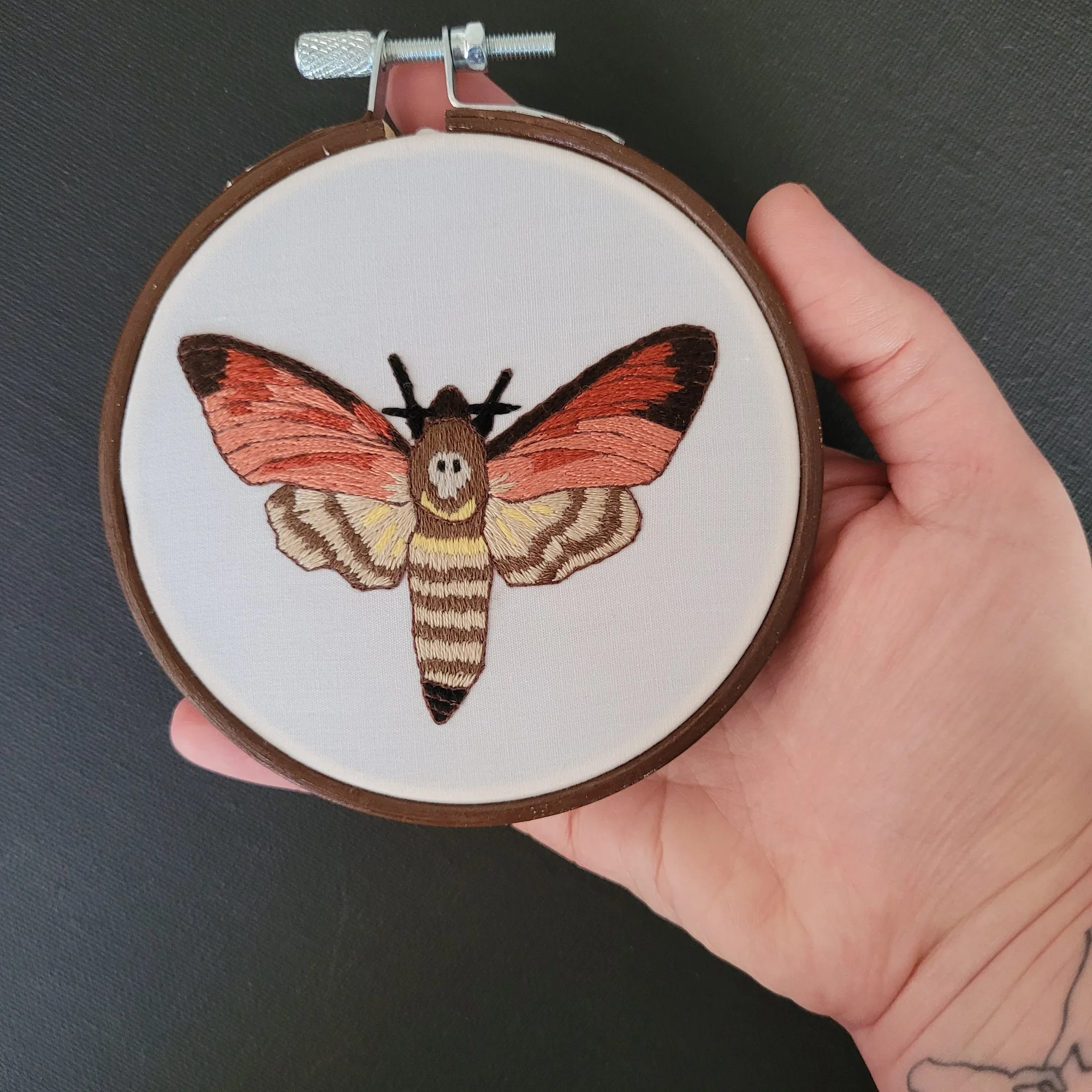
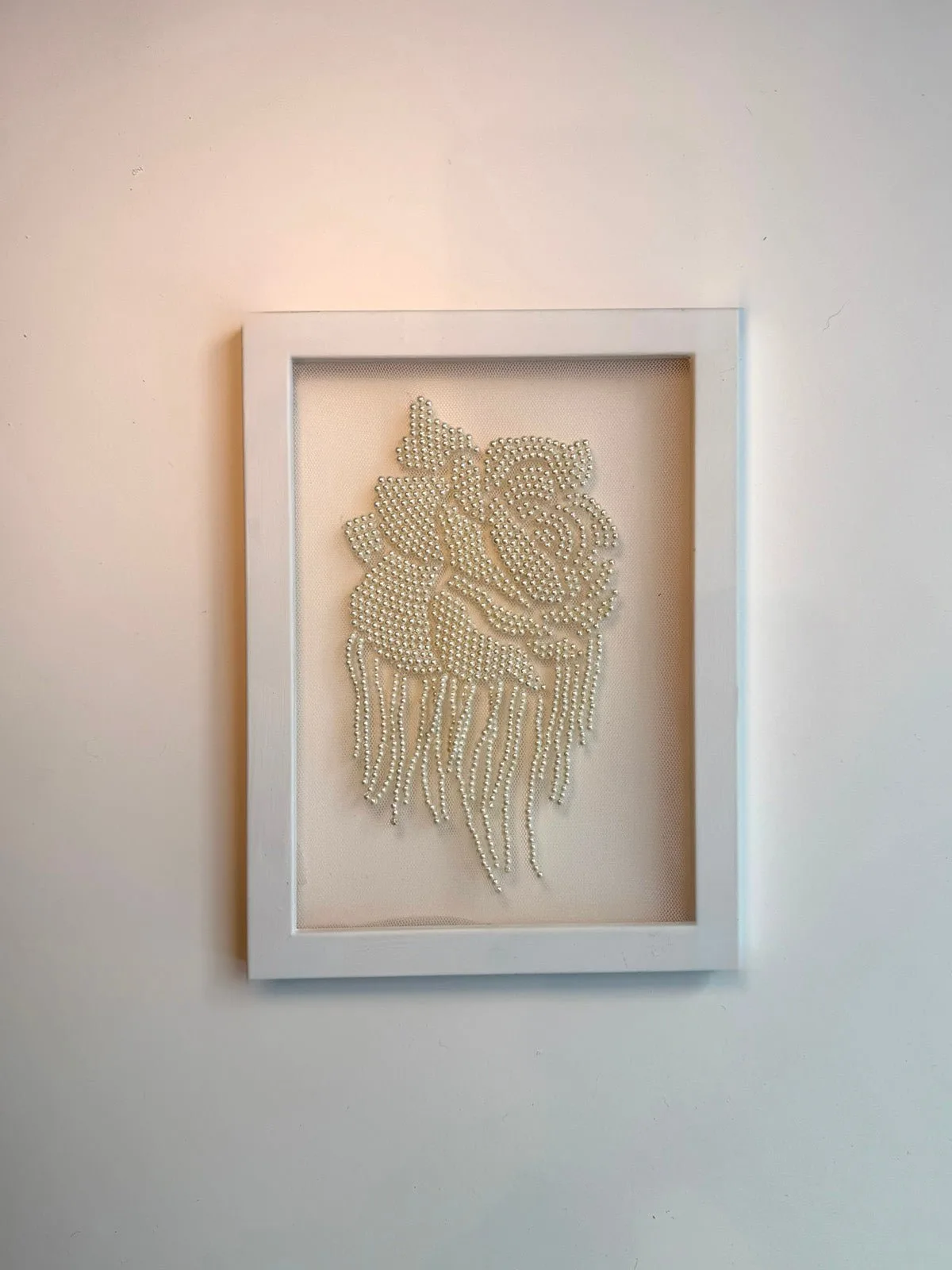
Start with what the EMBROIDERY piece actually is
The Konges Sløjd EMBROIDERY piece is described in the catalog as a bestseller with a simple, sweet design that fits into everyday play or nursery decor. It is a versatile item that can be used for creative play or as a decorative accent, and it is often paired with other matching items from the collection.
The supplied product information does not include dimensions, hanging hardware, fabric composition, or care instructions. That means the advice below focuses on general, low-risk methods for displaying and storing a decorative embroidered piece, and you should check the item itself for any sewn-in labels or attached hardware before you start.
Catalog facts that shape display and storage
-
EMBROIDERY: The EMBROIDERY piece is described as suitable for both creative play and as a decorative accent. If it is used for play, it may need to be taken down and put away more often, so a simple, removable hanging method makes sense.
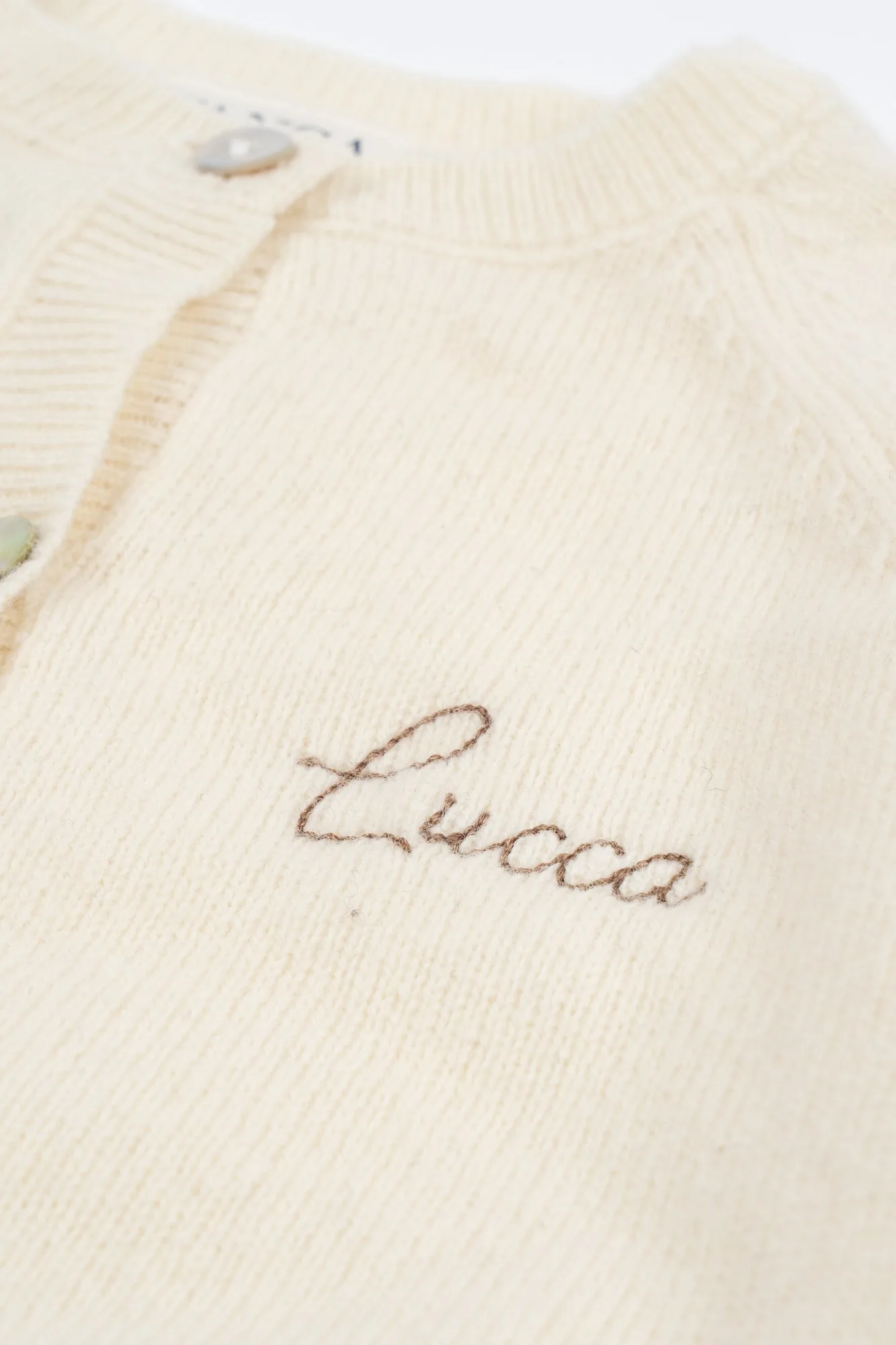
EMBROIDERY
-
EMBROIDERY: The catalog notes a soft, minimalist aesthetic that suits modern kids' spaces. That look is easiest to preserve by keeping the piece out of harsh light and avoiding heavy, bulky framing that competes with the design.
-
EMBROIDERY: The piece is often paired with other matching items from the collection. If you display several matching pieces together, plan a grouping that can be stored together and kept away from direct sun as a set.
Embroidery hanging ideas without a frame
- Clip hangers: Use two small clips or clothespins on a length of twine or a thin dowel. This keeps the piece flat and lets you take it down easily for play. Test the clips on an inconspicuous corner first to make sure they do not leave marks.
- Tension rod or dowel pocket: If the piece has a sleeve or can be folded over a dowel, a simple rod creates a clean, minimalist look. Avoid stretching the fabric tight; a gentle drape is enough.
- Hook-and-loop tape: Sew or stick a small strip of hook-and-loop tape to a backing board and the piece. This is removable and avoids poking holes, but test adhesion on a small area first.
- Binder clips on a picture rail: For a nursery wall, small binder clips on a rail let you swap pieces without new hardware. Keep clips smooth to avoid snagging threads.
Protect embroidery from sunlight
Direct sun is one of the main reasons embroidered colors fade over time. Hang the piece on a wall that receives indirect light, or use a sheer curtain to soften the sun. If you want to display it near a window, rotate it every few weeks so one area does not take all the light.
Avoid placing the piece where it will be exposed to strong afternoon sun for hours. The catalog does not specify lightfastness for this item, so treating it as sensitive to direct sun is the safer approach.
How to store embroidery when it is not on display
- Clean and dry first: Make sure the piece is free of dust and completely dry before storing. Do not use water or cleaning products unless the care label says otherwise; the catalog does not supply cleaning instructions for this item.
- Roll, don't fold: Lay the piece face down on acid-free tissue paper and roll it loosely. Folding can create permanent creases in embroidery, especially if it is stored for months.
- Pad the roll: Place a layer of acid-free tissue between the embroidery and the outside of the roll to prevent threads from catching. Avoid plastic bags, which can trap moisture.
- Store flat and dark: Keep the rolled piece in a breathable cotton bag or a box in a dry, dark place. Label the box so you can find it without unpacking everything.
- Check periodically: Every few months, unroll the piece, check for creases or pests, and re-roll with the tissue on a different fold line. This is a general storage habit, not a manufacturer instruction.
What the catalog does not tell you
The supplied information for the EMBROIDERY piece does not include fabric content, dimensions, washing instructions, or whether it comes with a hanging loop. Because of that, avoid assuming it can be machine washed or ironed. If you need to remove a crease, place a pressing cloth between the iron and the embroidery and use the lowest heat setting, testing on a hidden corner first. Never iron directly on the embroidery threads.
If the piece is used for creative play, check it regularly for loose threads or small parts that could come off. The catalog does not specify age suitability beyond describing it as a children's item, so supervise young children during play.