A book that turns big ideas into small actions
How to Help Hedgehog and Protect Polar Bear is a beautifully illustrated book that introduces children (and adults!) to thirteen different habitats—from gardens and hedgerows to oceans, savannahs, and mountains—and shares simple everyday ways to protect them. It’s a gentle starting point for conversations about nature and conservation, whether you’re reading at bedtime or planning a weekend activity.
This guide offers a flexible reading approach and discussion prompts to help you make the most of the book with your child. It’s designed for parents, carers, and educators who want to nurture curiosity and a sense of care for the natural world.
What the book covers
-
How to Help Hedgehog and Protect Polar Bear: Children (and adults!) can learn about thirteen different habitats: gardens, hedgerows, heathlands, woodlands, highlands, wetlands, the coastline, freshwater, oceans, savannahs, jungles, and mountains. Knowing the scope helps you plan which sections to read together and which habitats you might explore locally.
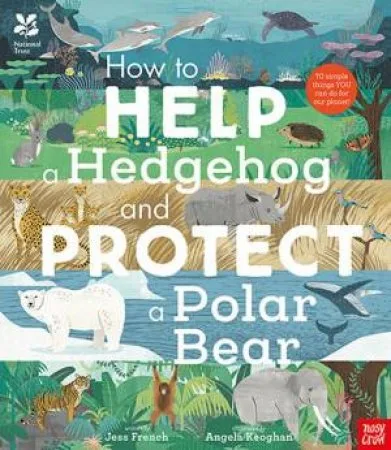
How to Help Hedgehog and Protect Polar Bear
-
How to Help Hedgehog and Protect Polar Bear: The book includes simple everyday ways to protect these habitats, such as how to help hedgehogs in your own back garden or spread the word about endangered animals further from home. This practical focus gives you ready-made activity ideas and discussion points that connect reading to real-world actions.
How to read the book together
You don’t need to read the book cover to cover in one sitting. Its format invites browsing and revisiting, so follow your child’s interest.
- Preview the habitats: Look through the illustrations together and let your child pick a habitat that catches their eye. Ask what they notice or wonder about.
- Read a section: Read the pages for that habitat aloud. Pause to look at details in the pictures and to let your child comment or ask questions.
- Talk about protection: After reading, discuss the simple ways the book suggests to help that habitat or its animals. Ask your child which idea feels doable for your family.
- Choose one small action: Pick one everyday action to try together—perhaps something for your garden or a way to spread the word. Keep it simple and manageable.
- Revisit and add: Come back to the book another day, choose a new habitat, and build on what you’ve already talked about. Over time you’ll cover more of the thirteen habitats.
Discussion prompts for each habitat
These open-ended questions work with any of the habitats in the book. Use them to spark conversation and help your child connect the book to their own experiences.
- What animals live here?: Encourage your child to name or describe animals they see in the illustrations or already know from that habitat.
- What does this place need to stay healthy?: Talk about water, food, shelter, and space—basic needs that apply to many habitats.
- What is one small thing we could do?: Focus on simple, everyday actions rather than large-scale problems. The book itself offers examples you can draw on.
- How does this habitat connect to others?: Help your child see links between habitats—for example, how gardens and hedgerows support creatures that also live in woodlands.
Making it a gentle nature storybook experience
The book’s beautiful illustrations make it a pleasure to linger over. You might keep a nature journal together, drawing or noting the habitats you read about. Or plan a local walk to look for signs of the habitats near you—even a garden or park can be a starting point.
For animal conservation books kids will return to, keep the tone light and curious. Follow your child’s lead and let their questions guide the pace. The goal is to nurture a sense of wonder and care, not to overwhelm with facts.
What the supplied information does not settle
The product record does not specify an age range, reading level, or page count. It also does not list any safety warnings or certifications. If you need these details for a specific child or setting, check the book itself or contact the publisher. The absence of this information in the supplied record is not a negative claim about the book—it simply means those specifics aren’t confirmed here.