Quick Answer
Use a twin needle on swim fabric to create a professional, stretch-friendly hem that mimics ready-to-wear. The double row of stitches allows the hem to stretch without popping threads, and it works best with a stretch or ballpoint needle and polyester thread.
Why a Twin Needle Works on Swim Fabric
Swim fabric—typically nylon/spandex or polyester blends—needs a hem that stretches with the body. A twin needle creates two parallel lines of straight stitching on the top side and a zigzag on the underside, giving the hem elasticity. This is the same technique used on commercial swimwear, so your handmade pieces will look polished and last longer.
Choosing the Right Needle and Thread
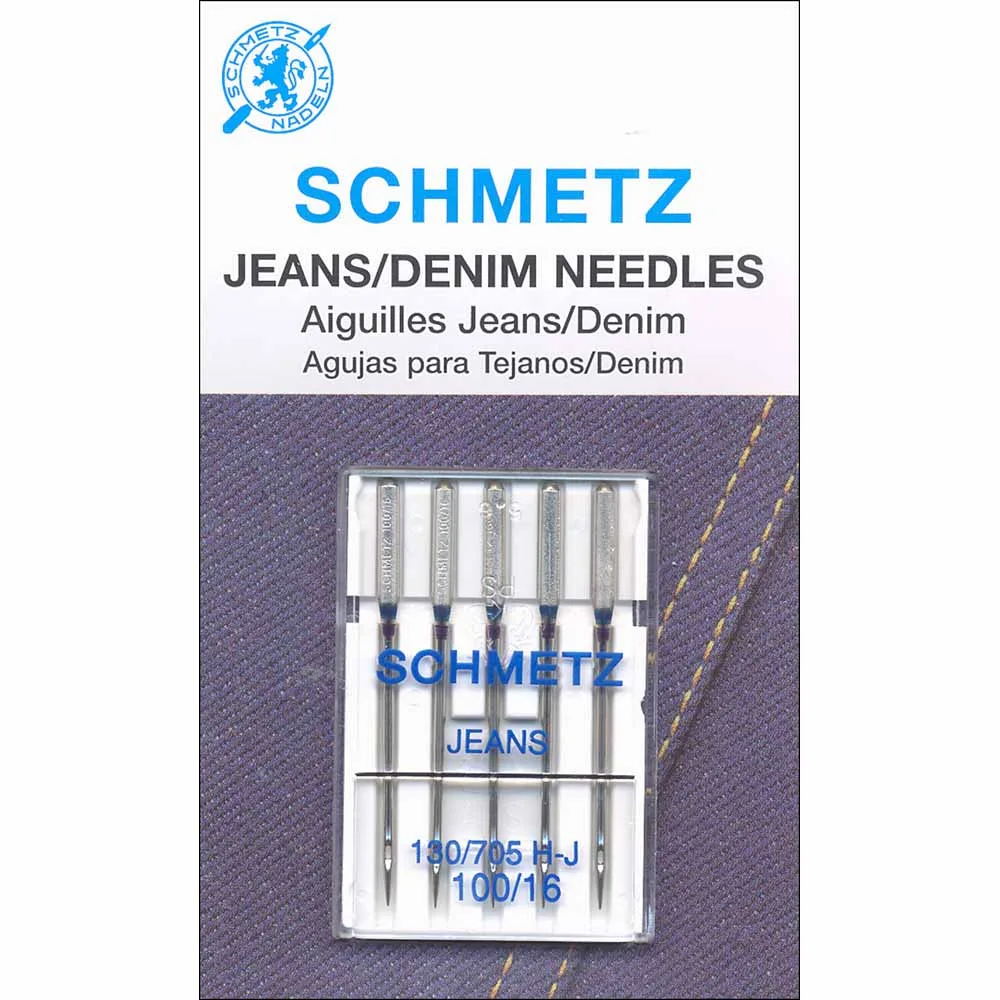
For swim fabric, use a stretch twin needle (e.g., 75/11 or 90/14) or a ballpoint twin needle to avoid skipped stitches. Pair it with polyester thread—cotton can rot in chlorine. A denim needle like the SCHMETZ Denim Needle 100/16 is too heavy for most swim fabrics and may cause damage; stick to a finer stretch twin needle.
Step-by-Step: Twin Needle Hem on Swim Fabric
- Step 1: Prepare the Fabric and Hem: Cut your swim fabric with a rotary cutter on a mat to avoid stretching. Fold the hem edge up by the desired amount (usually 1–2 cm) and press lightly with a low-heat iron or use clips. Avoid pins that leave permanent holes. Checkpoint: The folded edge should be even and not stretched out of shape.
- Step 2: Install the Twin Needle and Thread: Insert a stretch twin needle (e.g., 75/11) into your sewing machine. Thread both spools of polyester thread through separate tension discs and into the needle eyes. Use a walking foot if available to prevent fabric from shifting. Common mistake: Using regular thread that snaps under stretch—polyester thread is essential.
- Step 3: Set Stitch Length and Tension: Select a straight stitch with a slightly longer length (3–3.5 mm) to allow stretch. Reduce upper thread tension to 3 or lower; test on a scrap first. The underside should show a balanced zigzag without loops. Checkpoint: If the fabric puckers, increase stitch length or loosen tension further.
- Step 4: Sew the Hem: Place the fabric under the presser foot with the folded edge aligned to your desired seam allowance (e.g., 1.5 cm). Sew slowly, guiding the fabric without pulling. Keep the edge of the presser foot even with the fold. Common mistake: Pulling the fabric stretches it, causing wavy hems—let the machine feed it through.
- Step 5: Finish and Press: Remove the fabric and trim threads. Press the hem gently from the wrong side with a low-heat iron or use a press cloth. Do not stretch the fabric while pressing. Final check: The hem should lie flat and stretch with the fabric without breaking stitches.
Tools That Help
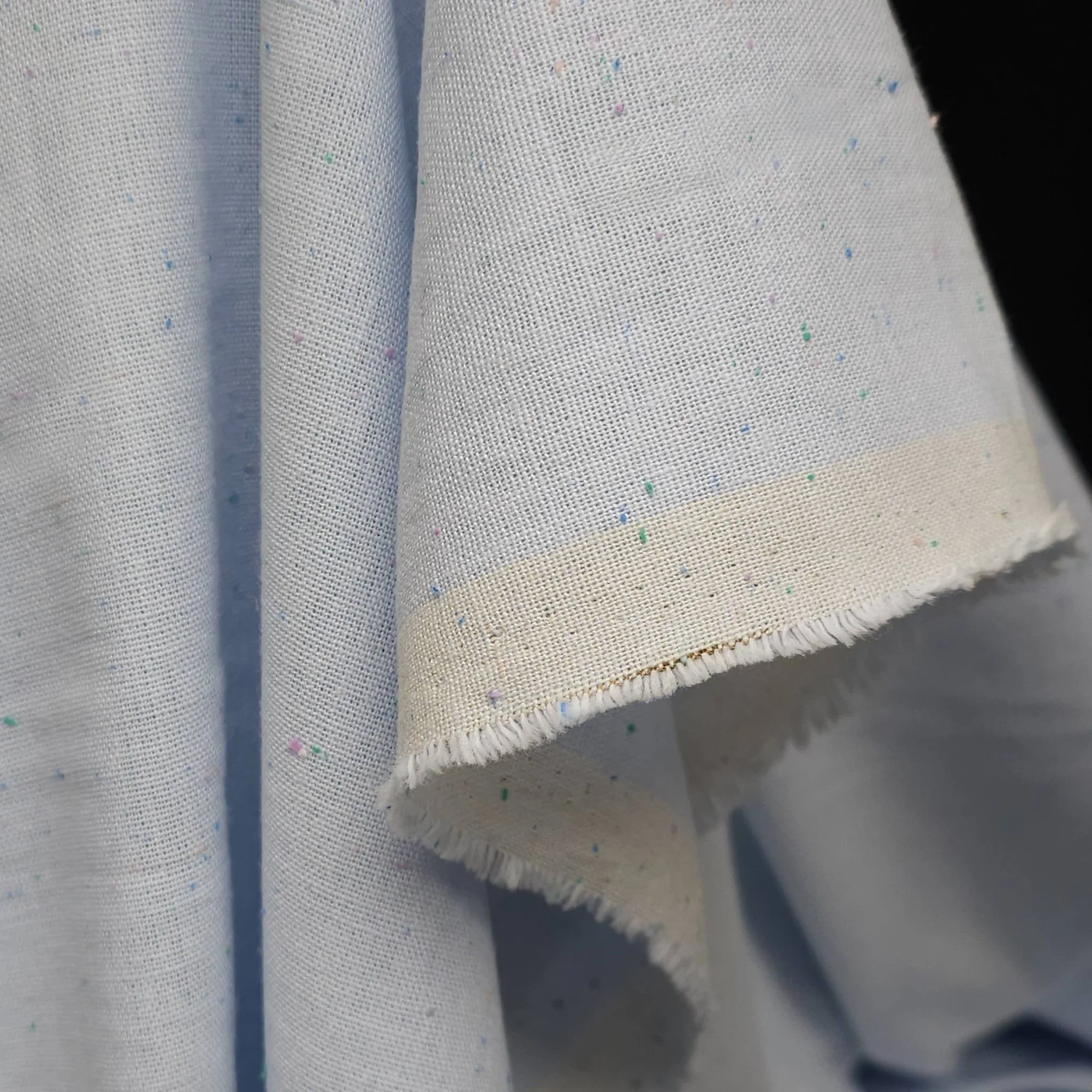
- Essex Speckle Yarn Dyed | By Robert Kaufman: Essex Speckle Yarn Dyed by Robert Kaufman is a cotton-linen blend with a soft nubbly finish. While not a swim fabric, this illustrates that fabric choice affects needle selection—heavy or textured fabrics require different needles than stretch synthetics.
- SCHMETZ | Denim Needle | 100/16: SCHMETZ Denim Needle 100/16 is designed for denim and extra thick woven fabrics, with an advanced point to reduce needle deflection and breakage. This needle is too heavy for swim fabric; using it can cause skipped stitches or damage. Stick to a stretch twin needle for best results on swimwear.