Coffee is more than a morning ritual — it’s an experience waiting to be shared. Hosting a coffee tasting event at home is a fantastic way to explore the nuanced world of specialty coffee with friends, family, or fellow enthusiasts. Whether you’re a seasoned coffee lover or a curious beginner, a home cupping session can transform how you perceive flavor, aroma, and origin.
In this guide, we’ll walk you through everything you need to know to host a successful coffee tasting event, from selecting the right beans and equipment to guiding your guests through a structured cupping. You’ll discover how to highlight unique single-origin coffees, compare processing methods, and even turn the event into a fun, educational activity. Ready to brew up some memories? Let’s dive in.
What Is Coffee Cupping and Why Host It at Home?
Coffee cupping is the professional method used by roasters and baristas to evaluate coffee aroma, flavor, body, and aftertaste. It involves slurping coffee from a spoon to aerate it and spread it across your palate, revealing subtle notes that might otherwise go unnoticed. Hosting a cupping at home demystifies this process and turns it into an interactive, social experience.
A home coffee tasting event allows you to compare different origins, roast levels, or processing styles side by side. It’s also a great way to introduce friends to the diversity of specialty coffee. You can focus on a theme, such as exploring African coffees, contrasting washed vs. natural processed beans, or comparing light and dark roasts. The key is to keep it engaging and low-pressure — no one needs to be a professional taster to enjoy the journey.
- Encourages mindful tasting and appreciation for coffee craftsmanship
- Helps identify personal flavor preferences
- Makes for a unique, memorable social gathering
Step 1: Choose Your Coffee Selection
The heart of any tasting event is the coffee itself. Aim for 3 to 5 different coffees to keep the experience focused without overwhelming your guests. Select beans that offer distinct flavor profiles — for example, a floral and fruity Ethiopian, a chocolatey Colombian, and a complex, winey natural-processed coffee. This variety allows for fascinating comparisons and sparks conversation.
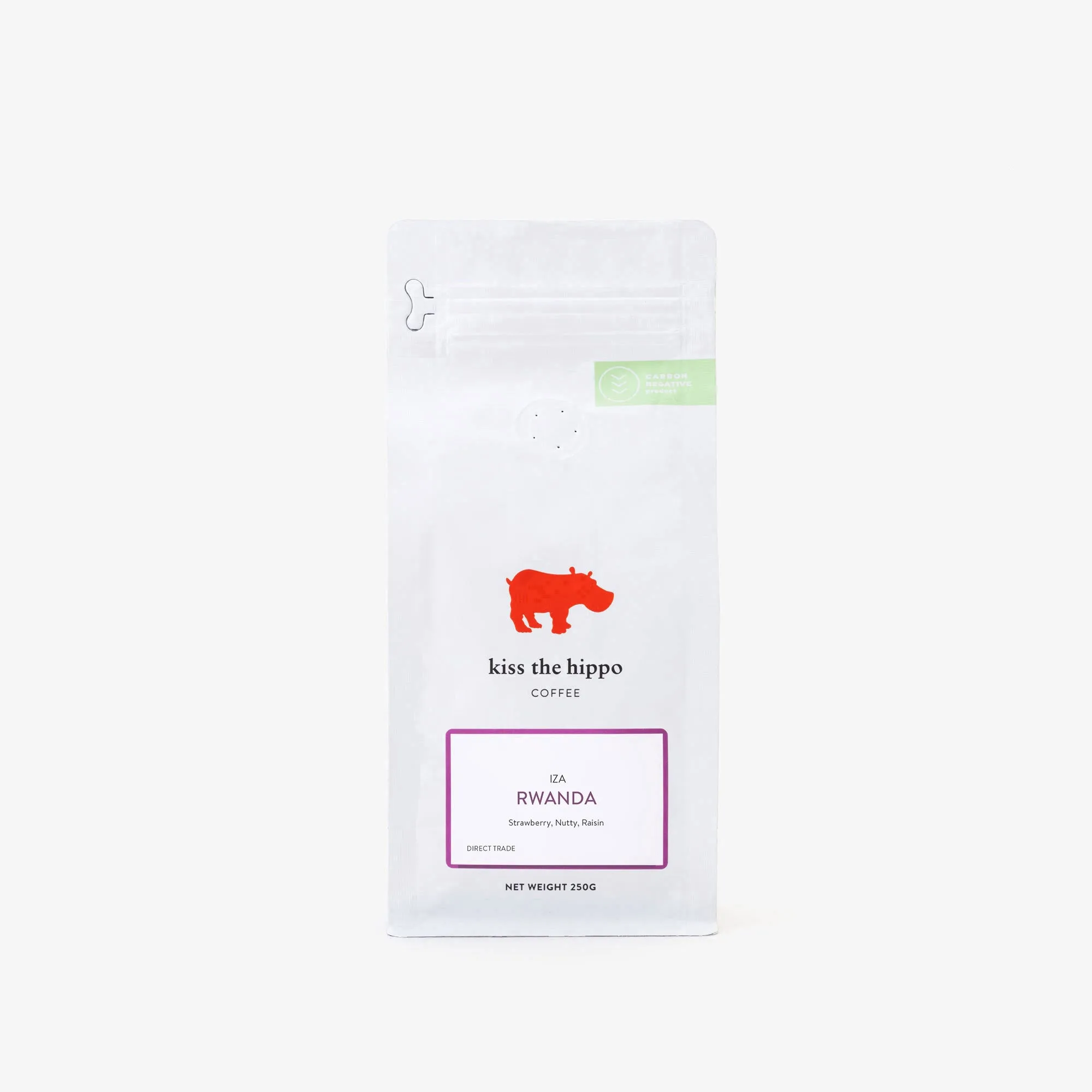
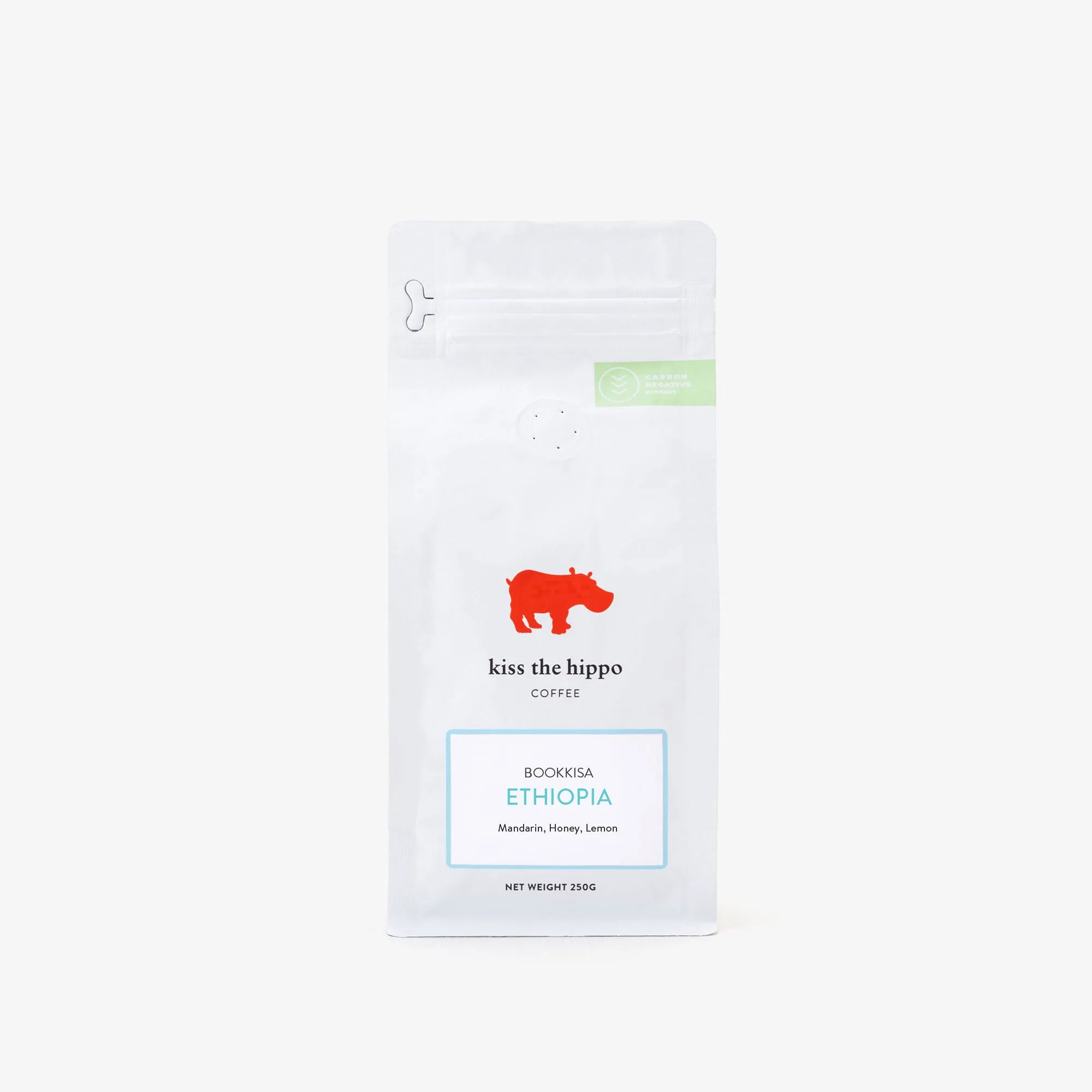
At Kiss the Hippo Coffee, we recommend exploring our single-origin offerings. The https://kissthehippotg.com/products/ethiopia-bookkisa-132808Ethiopia, Bookkisa is a stellar choice for its bright citrus and jasmine notes, perfect for showcasing a washed African coffee. For a completely different profile, the Colombia, Inmaculada Eugenioides offers a rare, creamy sweetness with low acidity — a true conversation starter. Including a coffee like the Rwanda, Iza with its red berry and honeyed finish adds another dimension. These three alone provide a mini tour of the coffee world.
- Include at least one coffee from a familiar origin (like Colombia) and one from a less common region (like Myanmar)
- Consider offering a blend alongside single origins to highlight blending artistry
- Pre-portion beans into small bags for guests to take home as favours
Step 2: Gather Your Cupping Equipment
You don’t need a professional lab to host a cupping. Simple, everyday items work perfectly. You’ll need a few cups or small bowls (one per coffee per person), spoons (preferably wide and shallow), a kettle for hot water, a timer, and a notebook or tasting sheet for each guest. A coffee grinder is essential — grind each coffee just before brewing to preserve aroma.
For the water, use filtered water heated to around 93–96°C (200–205°F). Use a ratio of about 8.25 grams of coffee per 150 ml of water. If you’re using a scale, great; if not, a heaping tablespoon per cup is a good approximation. Have a separate cup for rinsing spoons between samples. Optional extras include a spittoon (for those who prefer not to swallow) and crackers to cleanse the palate.
- Use identical cups for each coffee to ensure fair comparison
- Label cups discreetly (e.g., A, B, C) and reveal identities after the tasting
- Provide plain water and neutral crackers for palate cleansing
Step 3: The Cupping Process — From Aroma to Finish
Start by having everyone smell the dry grounds in each cup — this is the ‘dry aroma.’ Then pour hot water over the grounds and let them steep for exactly 4 minutes. After 4 minutes, use a spoon to break the crust that forms on top, inhaling deeply as you do. This ‘wet aroma’ is incredibly revealing. Skim off the foam and grounds from the surface, then let the coffee cool for a few minutes before tasting.
When tasting, use a spoon to slurp the coffee loudly — this aerates it and spreads it across your palate. Encourage guests to note the flavor, acidity, body, and aftertaste. You can guide them with simple descriptors: fruity, floral, nutty, chocolatey, spicy, etc. After each coffee, discuss impressions as a group. The goal is not to find the ‘best’ coffee, but to appreciate the differences and develop your palate.
- Slurp with confidence — it’s the professional way to taste
- Note the temperature as it cools; flavors change significantly
- Use a scoring sheet (1-10) for fun, but keep it light
Step 4: Enhance the Experience with Food Pairings and Themes
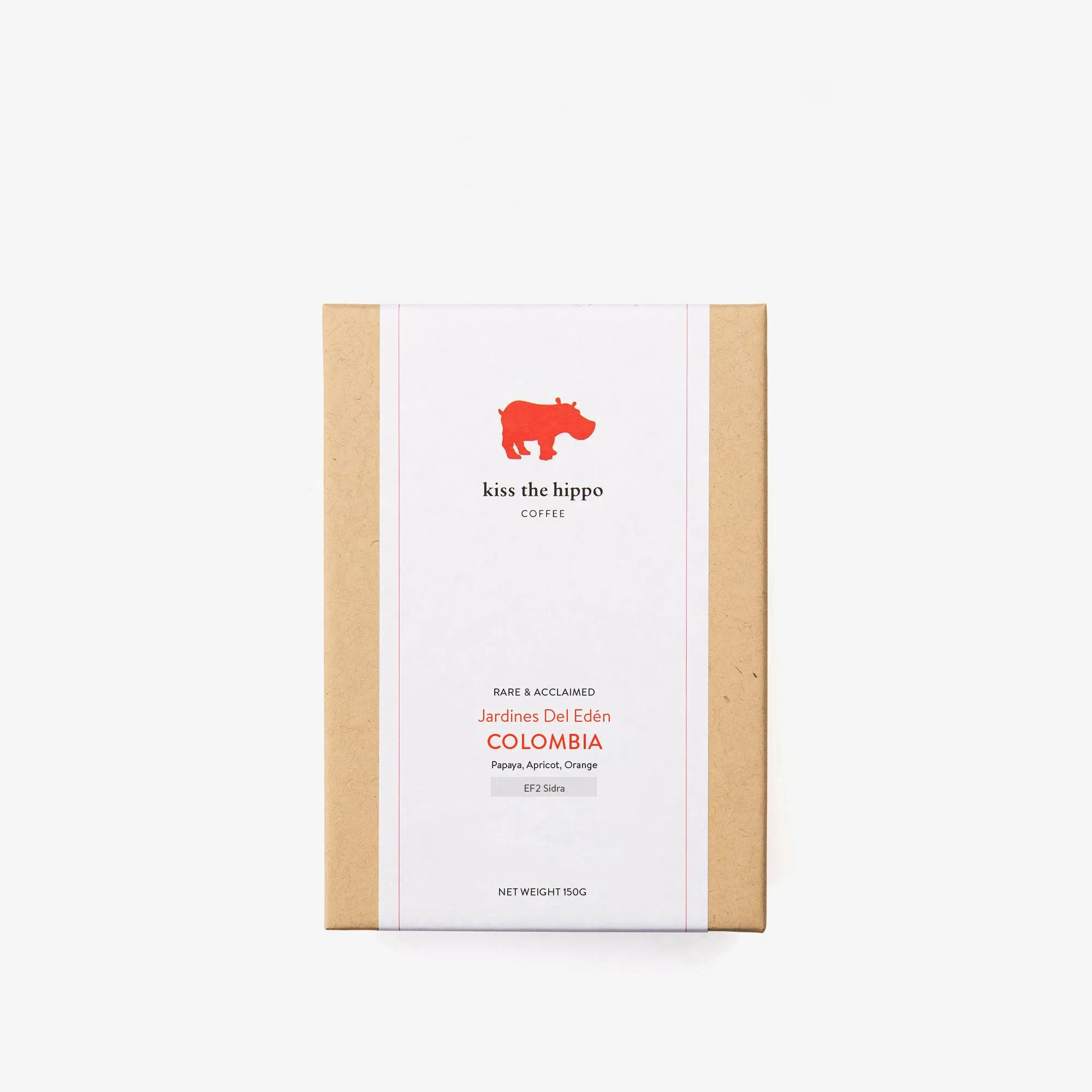
To elevate your coffee tasting, consider pairing each coffee with a small bite. Dark chocolate, dried fruits, nuts, or cheese can complement or contrast the coffee’s flavors. For example, a fruity natural-processed coffee like the Myanmar, The Lady pairs beautifully with dark chocolate, while a bright, acidic coffee like the Colombia, Jardines Del Edén - EF2 Sidra shines alongside a slice of lemon cake.
You can also theme your event around a specific region or process. A ‘South American Showcase’ might feature the Colombia, Jardines Del Edén - EF2 Sidra and the Colombia, Inmaculada Eugenioides, alongside the Ecuador Coffee Trio for a broader perspective. Or try a ‘Fermentation Exploration’ with a natural, honey, and washed coffee from the same origin. Themes add structure and make the learning curve more enjoyable.
- Keep food neutral — avoid spicy or heavily flavoured items
- Provide tasting cards with flavour wheel references
- Create a simple scorecard for guests to rank coffees
Step 5: Turn Tasting into a Game
Make your coffee tasting event interactive and memorable by adding a fun challenge. One popular game is the ‘blind triangle test’: present three cups — two identical and one different — and ask guests to identify the odd one out. This sharpens sensory skills and ignites friendly competition. Another idea is to have guests guess the origin, processing method, or roast level of each coffee.
You can also create a ‘flavour bingo’ card with common tasting notes (e.g., chocolate, berry, floral, nutty). As guests taste, they mark off the notes they detect. The first to get a row wins a small prize, like a bag of the Honduras Trio Pack. These games make the event lively and educational, especially for those new to specialty coffee.
- Keep the tone playful — no wrong answers, only discoveries
- Offer a small prize for the winner, like a coffee sample
- Reveal the coffee identities after the game for maximum surprise
Hosting a coffee tasting at home is a rewarding way to deepen your appreciation for specialty coffee while sharing the experience with others. With a little preparation and the right selection of beans — like the floral Ethiopia, Bookkisa or the creamy Colombia, Inmaculada Eugenioides — you can create a memorable event that educates and delights. So gather your cups, invite your friends, and start exploring the incredible world of coffee flavor. Ready to begin? Shop our curated single-origin coffees and start planning your tasting today.