Quick answer
Host a bonbon tasting by setting a deliberate tasting order—lighter, sweeter pieces first, then darker, more intense ones—and giving each guest a small plate, a score sheet, and a palate cleanser. Keep the guest list small and the setup simple so the chocolate stays the center of attention.
Why the tasting order matters more than the guest list
Bonbons carry very different levels of sweetness, cocoa intensity, and added flavors. If you serve a bold dark chocolate first, the delicate fruit or caramel notes in a lighter piece will disappear. A deliberate order protects the subtle pieces and gives the bold ones a proper finish.
You do not need a huge assortment to run a good tasting. Four to six distinct bonbons are enough for a focused hour, and a smaller set makes it easier to compare and discuss. If you are working with a curated box, check the included flavor profiles before you plan the order so you know which pieces are mild and which are intense.
The trade-off: structured tasting vs. casual grazing
A guided tasting with a fixed order and score sheets feels more like an event and helps guests notice differences, but it can feel formal. A casual open table lets people graze and chat, yet the flavors blur together and the quieter pieces get lost.
A practical middle ground is to start with a short guided flight of three or four bonbons, then open the table for free tasting. That gives structure without turning the evening into a lecture.
When to skip the score sheets
Score sheets are useful for comparison, but they can distract from conversation. If your group is more interested in socializing than analyzing, replace the sheet with one simple prompt for each bonbon: what does it remind you of? You still get focused attention without the paperwork.
Your step-by-step bonbon tasting plan
- Set the table before guests arrive: Give each guest a small plate, a napkin, a glass of water, and a pencil if you are using score sheets. Put the bonbons on a central board or tray, but keep them wrapped or covered until the tasting starts so they do not dry out or pick up room odors. Common mistake: plating everything too early, which lets cut pieces stale and makes the table crowded. Aim for one small plate per guest and keep the chocolate covered until the first flight.
- Choose four to six bonbons and put them in tasting order: Start with the lightest, sweetest, or most delicate piece, then move toward darker, more intense, or strongly flavored bonbons. If you are using a curated box, read the flavor profiles first and group similar intensities together. Common checkpoint: if two pieces have nearly identical profiles, drop one—repetition slows the tasting and blurs the comparison. Write the order down on a card so you do not have to improvise once guests arrive.
- Guide the first flight: Hand out the first two or three pieces in order and ask guests to look at the piece, smell it, then take a small bite and let it melt before chewing. Prompt them with one question per piece, such as what flavor they notice first or how the finish changes. Common mistake: rushing the melt, which hides the aroma and texture differences you planned the order to reveal. Keep the first flight to no more than three pieces so attention stays high.
- Reset the palate between pieces: Offer plain water and a neutral cracker or a small piece of bread between bonbons. Avoid strongly flavored drinks, citrus, or coffee until the end, because they coat the palate and mask delicate notes. Common checkpoint: if guests are not tasting a difference between pieces, a plain water sip and a 30-second pause usually restores contrast. Skip flavored sparkling water and strong tea during the guided flight.
- Open the table for free tasting: After the guided flight, let guests revisit any bonbon and compare their favorites. Put out the remaining pieces in the same order and keep the score sheets or notes available for anyone who wants to record impressions. Common mistake: leaving the box open indefinitely—cover it again after 20 to 30 minutes so the chocolate does not dry out. Set a loose end time for the open table so the tasting does not drift into aimless snacking.
- Close with a simple takeaway: Ask each guest to name one piece they would buy again and one they would skip. That gives you useful feedback for future tastings and ends the event on a clear note. Common checkpoint: if the group cannot agree, that is a good sign your assortment had genuine variety—not a failed tasting. Keep the empty wrappers or boxes visible so guests can identify the pieces they liked.
A box that works well for tastings
-
Chef's Favorites: Chef's Favorites is a curated assortment of Chef Michael's crafted chocolates with varied flavor profiles. A mixed box gives you several distinct pieces to order from mild to intense, so you can build a tasting flight without buying many separate items.
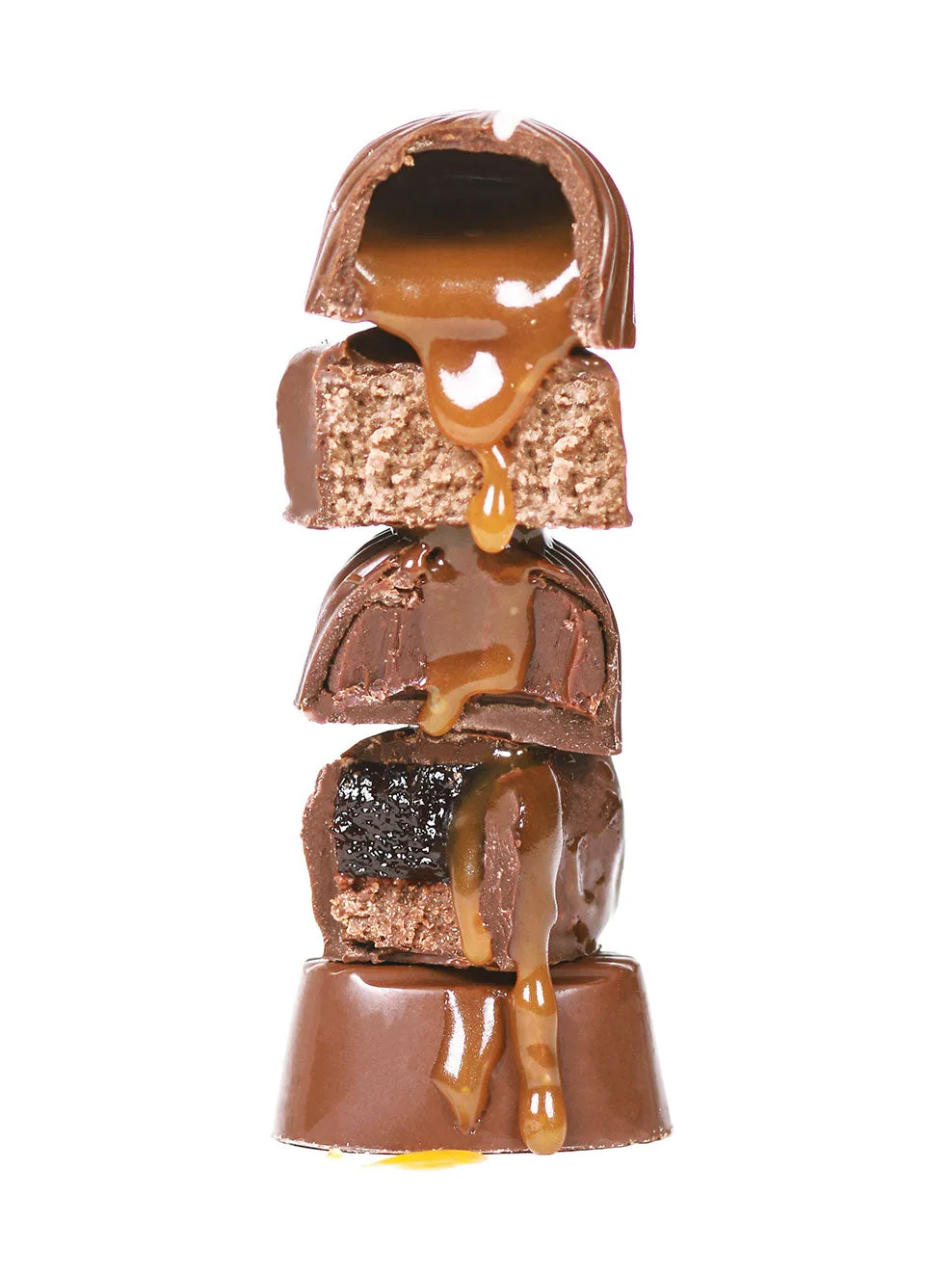
Chef's Favorites