German Zeltbahn shelter quarters are iconic pieces of WWII field gear, and their buttons are a key detail for collectors and reenactors. Whether you're restoring a poncho or building an accurate impression, knowing how to identify authentic zeltbahn buttons can save you from buying fakes. This guide covers the materials, markings, and manufacturing traits that separate original buttons from modern reproductions.
Zeltbahn buttons were produced by multiple German contractors during the war, and they vary in material, stamping, and finish. By understanding these nuances, you can confidently evaluate buttons on shelter quarters or loose examples. We'll also touch on how these buttons relate to other period fasteners, like those found on the M44 Trouser Belt or https://wildernessworks.shop/products/m43-field-jacket-buttons-99222M43 Field Jacket Buttons.
Material Matters: Steel vs. Aluminum Zeltbahn Buttons
Original WWII German zeltbahn buttons were made from either steel or aluminum. Steel buttons are magnetic and often show rust or a dark gray patina. Aluminum buttons are non-magnetic, lighter, and usually have a dull silver finish. Both types were used throughout the war, but steel became more common as aluminum was diverted to aircraft production. Check with a magnet: if a button is non-magnetic and lightweight, it's likely aluminum; if it's heavy and magnetic, it's steel. Reproductions often use cheap zinc alloys that are neither magnetic nor the correct weight.
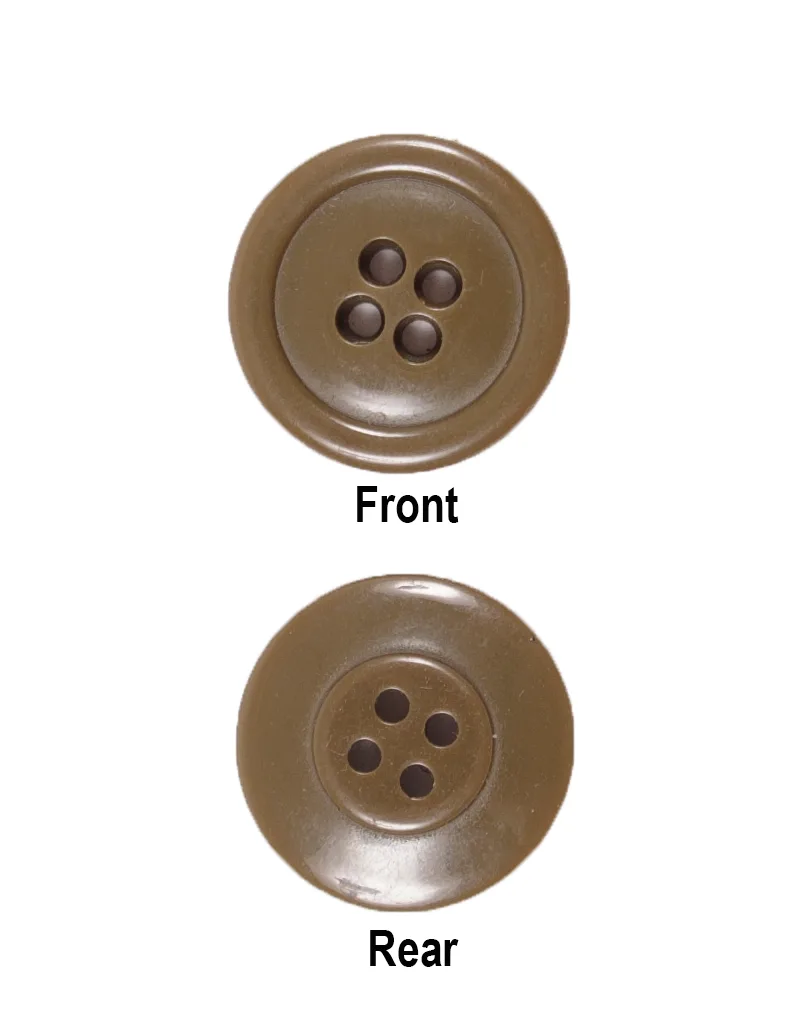
Look at the back of the button. Authentic steel buttons often have a visible seam from the stamping process, while aluminum buttons may have a smoother back. The shank (the loop on the back) should be integral to the button, not soldered or glued. On original buttons, the shank is formed from the same piece of metal, with a distinct oval or rectangular shape. Reproductions sometimes have poorly attached shanks that break off easily.
- Use a small magnet to quickly test material authenticity.
Markings and Stampings: What to Look For
Authentic zeltbahn buttons often have manufacturer markings or contract numbers stamped on the back. Common markings include a two-letter code (e.g., 'RBNr' numbers) or a simple number like '41' indicating the year of production. The stamping is usually crisp but shallow, pressed into the metal. Reproductions may have deeply engraved or laser-etched markings that look too perfect. Some original buttons have no markings at all, especially early-war examples, so absence of a mark isn't necessarily a red flag.
Compare the font and alignment of any markings. German wartime stampings often have slightly uneven spacing or a faint impression due to the manual press process. Modern fakes tend to have uniform, computer-perfect fonts. Also check for a 'D.R.G.M.' (Deutsches Reichsgebrauchsmuster) stamp, which indicates a registered design. This appears on some shelter quarter buttons but is rarer. For reference, similar stamping techniques appear on other period items like the M1936 Suspender, Made in USA, though those are American.
- Authentic markings are shallow and slightly irregular; reproductions are often too deep or crisp.
Construction Details: Edges, Finish, and Wear
Examine the button's edge. Original zeltbahn buttons have a slight bevel or rounded edge from the stamping die. Reproductions often have sharp, unfinished edges that can cut fabric. The finish on steel buttons is typically a phosphate or blued coating that may be worn off, revealing bare metal. Aluminum buttons have a natural oxide layer that gives a matte appearance. Modern reproductions sometimes have a shiny, painted finish that flakes off.
Look for consistent wear patterns. Authentic buttons show wear on the high points of the face and around the shank from rubbing against the shelter quarter's grommets. If a button looks uniformly aged or has artificial rust applied, be suspicious. Original buttons were mass-produced and may have minor imperfections like small dents or slightly off-center shanks. Perfect symmetry is a warning sign. For additional context, compare with other period hardware like the US Parachute Harness Snap Hook, which also shows characteristic wartime manufacturing quirks.
- Worn high points and irregular shanks are signs of authenticity.
Reproduction vs. Original: Common Red Flags
Many reproduction zeltbahn buttons are sold as 'replicas' but some are passed off as original. Common red flags include: non-magnetic but too heavy (zinc alloy), markings that are too deep or laser-etched, a shiny chrome-like finish, and a shank that is soldered or cast separately. Also, reproduction buttons often have a larger diameter or thicker profile than originals. Authentic zeltbahn buttons measure about 15-16mm in diameter, while fakes can be 17mm or more.
Another tell is the feel. Original buttons have a satisfying, solid weight for their size. Reproductions may feel hollow or plasticky if made from resin or cheap metal. If you have access to a known original button, compare side by side. Also, check the button's function: original shanks are designed to fit through the shelter quarter's buttonholes snugly. If the button is too loose or too tight, it may be a reproduction. For a complete impression, consider pairing authentic buttons with other correct gear like the Medic Bag, which also uses period-appropriate fasteners.
- Measure diameter: originals are 15-16mm; larger sizes are likely fake.
Identifying authentic German zeltbahn buttons comes down to material, markings, and construction details. By using a magnet, inspecting stampings, and checking edges and shanks, you can avoid common reproductions. Whether you're restoring a shelter quarter or adding buttons to your collection, these tips will help you buy with confidence. Always compare with known originals when possible, and remember that even small details like button diameter can reveal the truth.