The Pokémon Trading Card Game (TCG) has captivated collectors worldwide, and Japanese Pokémon cards are especially prized for their superior print quality, exclusive artwork, and unique set releases. However, the popularity of these cards has also led to a surge in counterfeits. Whether you are a seasoned collector or just starting your journey, knowing how to identify authentic Japanese Pokémon cards is essential to protect your investment and ensure you are adding genuine pieces to your collection.
In this guide, we will walk through the most reliable methods to verify the authenticity of Japanese Pokémon cards. From examining card stock and printing details to understanding holo patterns and official markings, these tips will help you confidently distinguish real cards from fakes. We will also highlight some authentic products available at Ichiba Japan to help you start or expand your collection with peace of mind.
1. Check the Card Stock and Texture
One of the easiest ways to spot a fake Japanese Pokémon card is by feeling the card stock. Authentic Japanese Pokémon cards are printed on high-quality, rigid card stock that has a smooth yet slightly textured finish. Counterfeit cards often use thinner, flimsier paper that feels cheap or glossy. When you hold a real card, it should have a satisfying stiffness and a subtle matte surface. Fakes may feel slippery or overly shiny.
Another tactile clue is the card's edge. Genuine cards have clean, sharp edges with no rough spots. Fakes often have uneven or slightly jagged edges due to poor cutting. If you have a known authentic card for comparison, place them side by side. The difference in weight and feel is usually immediately noticeable.
- Authentic cards have a stiff, matte finish; fakes are often glossy or flimsy.
- Check the edges for clean cuts; fakes may have rough or uneven edges.
2. Examine the Holo Pattern and Foiling
The holographic pattern on Japanese Pokémon cards is a hallmark of their quality. Authentic holo cards feature a consistent, detailed foil pattern that shifts smoothly as you tilt the card. Common patterns include the classic "cosmos" holo, which has a starry, galaxy-like effect, or set-specific patterns like the "galaxy" or "swirl" holo. Fakes often have a cheap, rainbow-like sheen that looks flat or overly bright, with no distinct pattern.
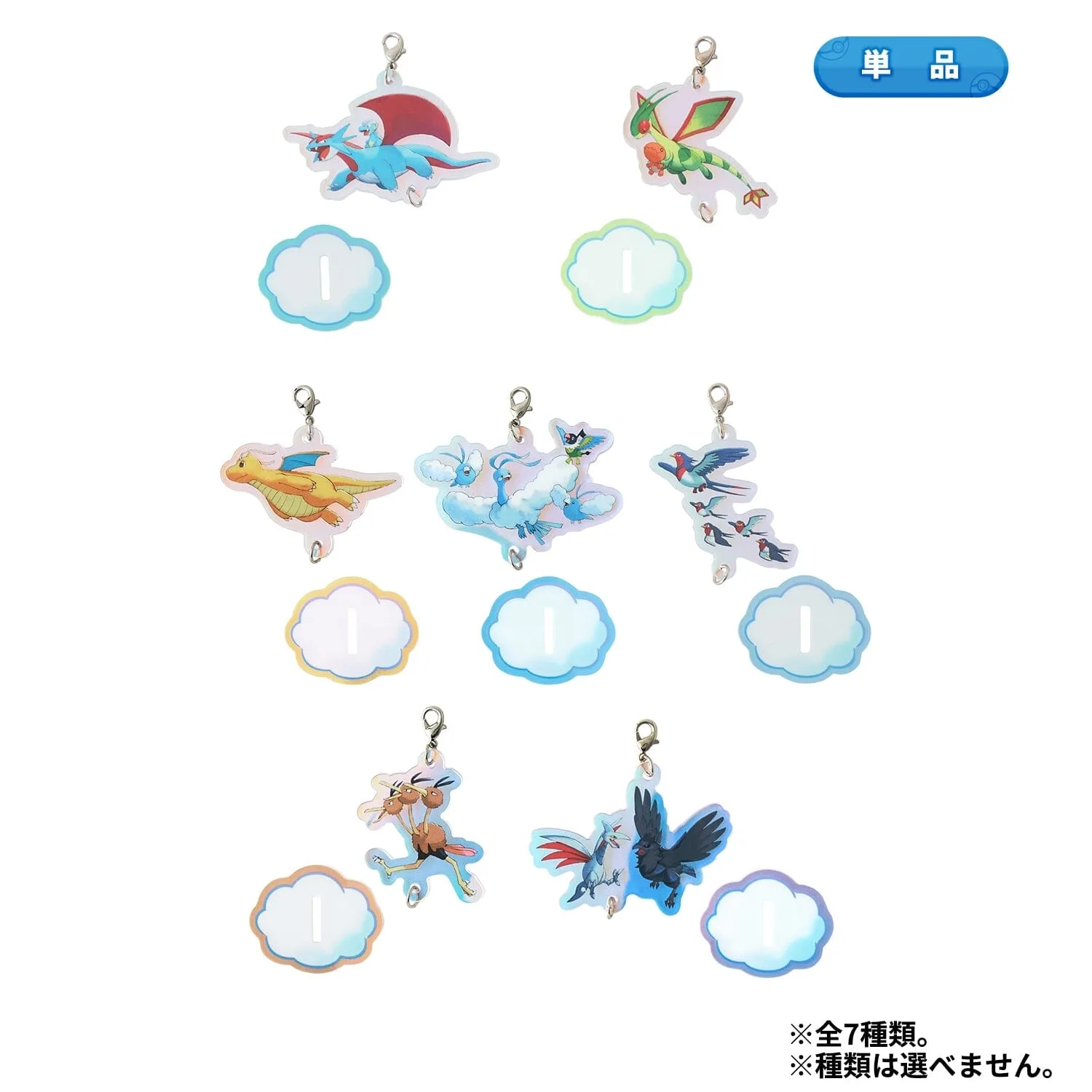
For example, the Salamence & Bagon Acrylic Mirror Soaring Dreams is an authentic product that showcases the kind of high-quality printing and foil work you can expect from official Pokémon merchandise. While not a card itself, it reflects the same attention to detail. When inspecting a card, hold it under a light and rotate it. Real holos will have a natural, layered shimmer, while fakes may have a static, pixelated appearance.
- Real holo patterns shift smoothly and have distinct designs (cosmos, swirl, etc.).
- Fake holos often look flat, rainbow-like, or pixelated under light.
3. Verify the Set Symbol, Rarity, and Copyright Text
Every official Japanese Pokémon card includes a set symbol, usually located near the bottom right or left corner of the artwork. This symbol indicates which expansion the card belongs to. Fakes often omit this symbol or use a poorly printed, blurry version. Additionally, the rarity symbol (circle, diamond, star) should be crisp and correctly placed. For example, a star symbol indicates a rare card, while a star with a black background denotes a secret rare.
The copyright text at the bottom of the card is another critical detail. Authentic cards display a clear, small font with the Pokémon logo and the year of release. Counterfeit cards may have smudged, misaligned, or missing text. The font is often too large or too small. If you are unsure, compare the text with a known authentic card from the same era. The Garchomp Plush Pokémon fit is a great example of an officially licensed product that uses the same quality standards as the TCG.
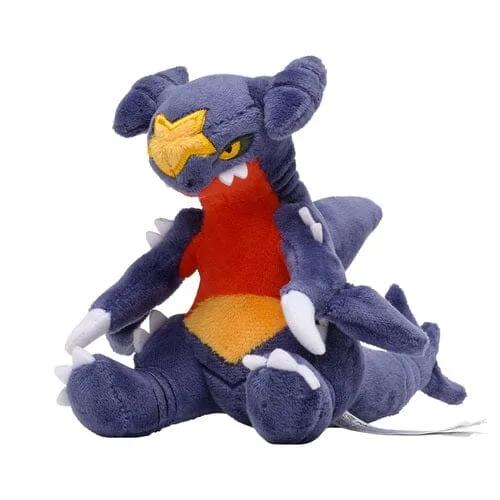
Garchomp Plush Pokémon fit
- Look for a clear, properly placed set symbol and rarity icon.
- Check the copyright text for sharp, correctly sized font.
4. Inspect the Back of the Card
The back of a Japanese Pokémon card is iconic, featuring the classic Poké Ball design. Authentic cards have a deep, vibrant blue background with a crisp, symmetrical Poké Ball. The colors should be consistent, and the lines should be sharp. Fakes often have a faded or overly bright blue, and the Poké Ball may appear off-center or have blurry edges. The red and white of the ball should be distinct and not bleed into each other.
Another tip: the back of authentic cards has a slightly textured feel, similar to the front. Fakes may have a smooth, glossy back that feels different. If you have a magnifying glass, examine the fine details. Genuine cards have tiny, uniform dots in the printing, while fakes may show visible pixelation or uneven ink distribution.
- The back should have a deep blue color and a crisp, centered Poké Ball.
- Watch for off-center prints, faded colors, or blurry lines.
5. Use the Light Test and Weight Comparison
A simple but effective method is the light test. Hold the card up to a bright light source. Authentic Japanese Pokémon cards have a thin, translucent layer that allows some light to pass through, but not too much. Fakes often block all light or let too much through, indicating incorrect paper thickness. You can also use a precise scale to weigh the card. Authentic cards typically weigh around 1.7 to 1.8 grams, though this can vary slightly by set. Fakes are often lighter or heavier due to different materials.
For collectors, investing in a digital scale and a magnifying loupe can be worthwhile. These tools help you quickly verify authenticity, especially when buying from online marketplaces or secondhand shops. Remember, no single test is foolproof, so combine multiple methods for the best results.
- Use a light test: authentic cards let a small amount of light through.
- Weigh the card: most real cards are 1.7–1.8 grams.
Identifying authentic Japanese Pokémon cards takes practice and attention to detail, but with these tips, you can confidently build a genuine collection. Always buy from trusted sources to minimize risk. At Ichiba Japan, we offer a curated selection of official Pokémon merchandise, including the Garchomp Plush Pokémon fit, which makes a perfect companion for any collector. Explore our store to find authentic products and add to your collection today.