Installing a backless booster seat might seem straightforward, but doing it correctly is crucial for your child's safety. Whether you're using a portable option for travel or a dedicated everyday booster, proper installation ensures that the seat belt fits snugly and provides maximum protection in the event of a sudden stop or crash. This guide walks you through every step, from choosing the right seat to double-checking the fit, so you can drive with confidence.
Backless boosters are popular for their lightweight design and ease of use, making them ideal for families on the go. However, common mistakes like incorrect seat belt routing or a loose installation can compromise safety. By following these clear instructions and safety tips, you'll ensure your child rides securely every time.
Why Proper Installation Matters
A backless booster seat raises your child so that the vehicle's lap and shoulder belt fit correctly across their hips and chest, rather than their abdomen or neck. If the seat is not installed securely, the belt may shift during a crash, increasing the risk of injury. According to safety experts, a properly installed booster reduces the risk of serious injury by up to 45% compared to using a seat belt alone.
Many parents assume that backless boosters are simply placed on the seat, but they require careful attention to belt path, buckle placement, and the child's weight and height. For instance, the BubbleBum Teleport Backless Booster Car Seat features a telescopic design that adjusts to fit your child, but it still needs to be positioned correctly on the vehicle seat. Taking a few extra minutes to verify installation can make all the difference.
- Always check the booster seat's weight and height limits before installation.
- Ensure the vehicle seat is flat and the booster sits flush against the seat back.
- Never use a backless booster with a lap-only belt—always require a lap-and-shoulder belt.
Step 1: Choose the Right Booster Seat for Your Child
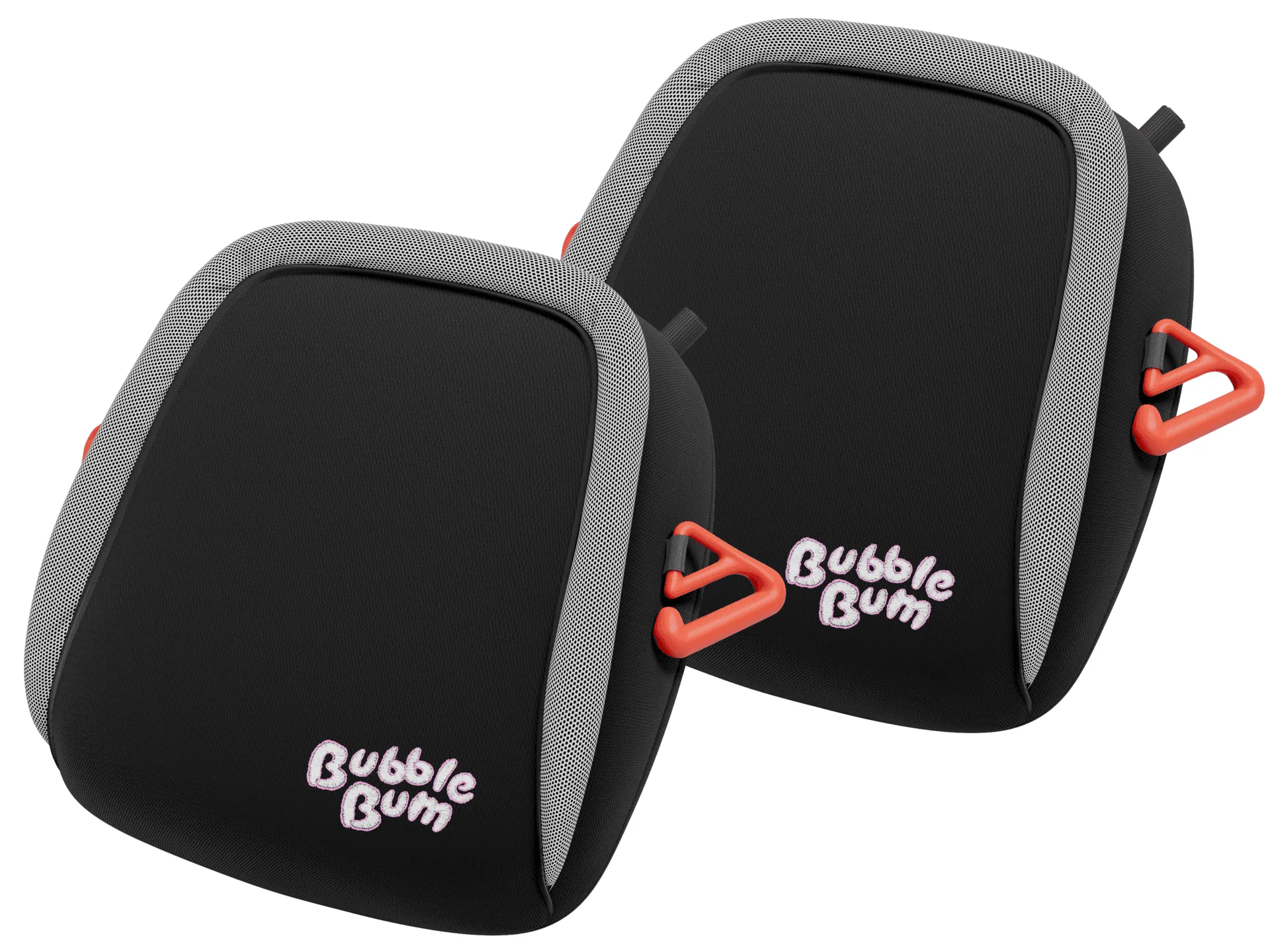
Before installation, confirm that your child meets the requirements for a backless booster. Typically, children should be at least 4 years old and weigh between 40 and 100 pounds. The seat should have a solid base that doesn't slide on the vehicle seat. For frequent travelers, an inflatable option like the https://orabuddy.shop/products/bubblebum-inflatable-car-booster-seat-travel-car-seat-black-twin-pack-102206BubbleBum Inflatable Car Booster Seat- Travel Car Seat- Black Twin Pack offers portability and easy storage, while still meeting safety standards.
If your child is on the taller side, consider a model with adjustable features. The BubbleBum Teleport Backless Booster Car Seat, Kids Booster Seat for Car 40-100 lbs, Telescopic Portable Carseat is designed to grow with your child, ensuring a proper fit over multiple years. Always read the manufacturer's instructions to confirm compatibility with your vehicle's seat belt system.
- Check the label for the booster's weight and height range.
- Look for side-impact protection or energy-absorbing foam for added safety.
- For twins or two children, a twin pack can save space and money.
Step 2: Position the Booster on the Vehicle Seat
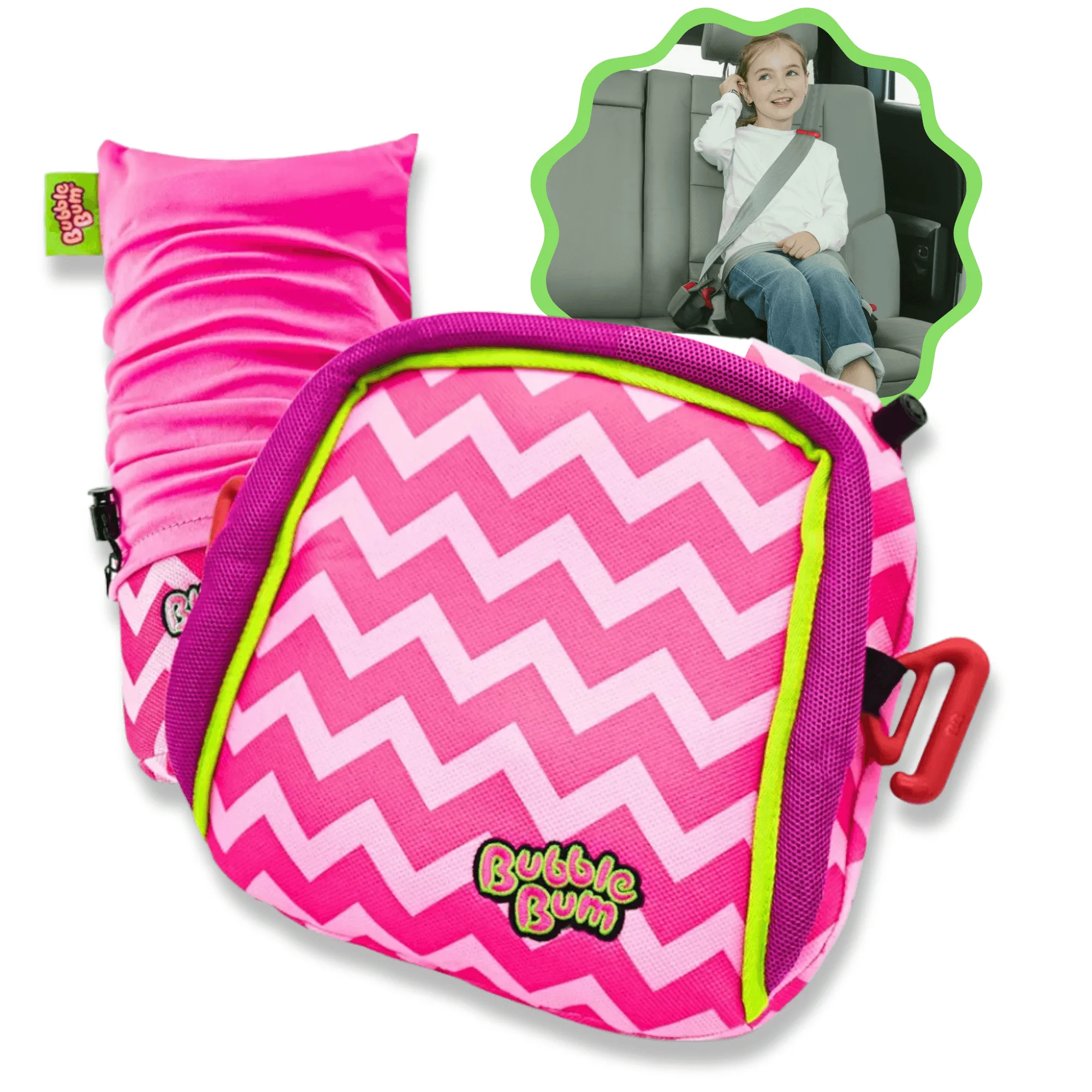
Place the booster on a rear vehicle seat—preferably in the center if it has a lap-and-shoulder belt. Ensure the booster sits flat against the seat cushion and the backrest. For inflatable models like the BubbleBum Inflatable Travel Booster Seat for Kids (Ages 4–11), inflate it to the recommended firmness (usually until it feels like a firm pillow). For non-inflatable boosters, check that the base doesn't wobble.
If the vehicle seat is contoured or has a deep bucket, you may need to use a non-slip mat or the booster's built-in grip material to prevent sliding. Many modern boosters, including the Teleport series, have rubberized bottoms for stability. Once placed, press down firmly to ensure it's secure.
- Avoid placing the booster on a seat with a damaged or worn belt.
- If using a twin pack, space the boosters evenly to maintain seat belt access.
Step 3: Route the Seat Belt Correctly
Pull the vehicle's lap-and-shoulder belt across the child and booster. The lap belt must lie flat across the child's upper thighs, not the stomach. The shoulder belt should cross the center of the child's chest and rest on the shoulder, not the neck or arm. Many backless boosters have belt guides or clips to hold the shoulder belt in place—use them!
For the BubbleBum Teleport Backless Booster Car Seat, there is a built-in shoulder belt positioning clip that you must snap into place. If your booster doesn't have one, consider adding a replacement shoulder belt positioning strap clip for extra security. Buckle the seat belt and pull the excess webbing tight—the belt should be snug, but not so tight that it digs into the child.
- The belt should not be twisted or folded.
- Check that the buckle does not rest against the booster's hard plastic—it should sit on the child's hip.
Step 4: Check for a Snug Fit and Proper Positioning
Once the belt is buckled, give the booster a firm tug at the belt path—it should not move more than 1 inch in any direction. If it slides, recheck the belt routing or tighten the belt. For inflatable boosters, ensure the seat is fully inflated; a soft booster can shift during travel. Also, verify that the child's knees bend comfortably at the edge of the seat.
The child's ears should not be above the vehicle seat back or headrest—if they are, you may need a high-back booster instead. For older children, the Teleport's telescopic back can provide additional head support. Finally, ensure the child can sit upright without slouching. If they slump, the belt may not protect them properly.
- Perform the pinch test: if you can pinch the shoulder belt webbing at the collarbone, it's too loose.
- Check that the child's back is flat against the vehicle seat.
Common Mistakes to Avoid
One frequent error is using the booster with a lap-only belt, which is unsafe because it doesn't restrain the upper body. Another mistake is placing the shoulder belt under the child's arm or behind their back, which can cause severe injury in a crash. Additionally, never use a backless booster for children under 4 or under 40 pounds, as they need the harness and side support of a forward-facing car seat.
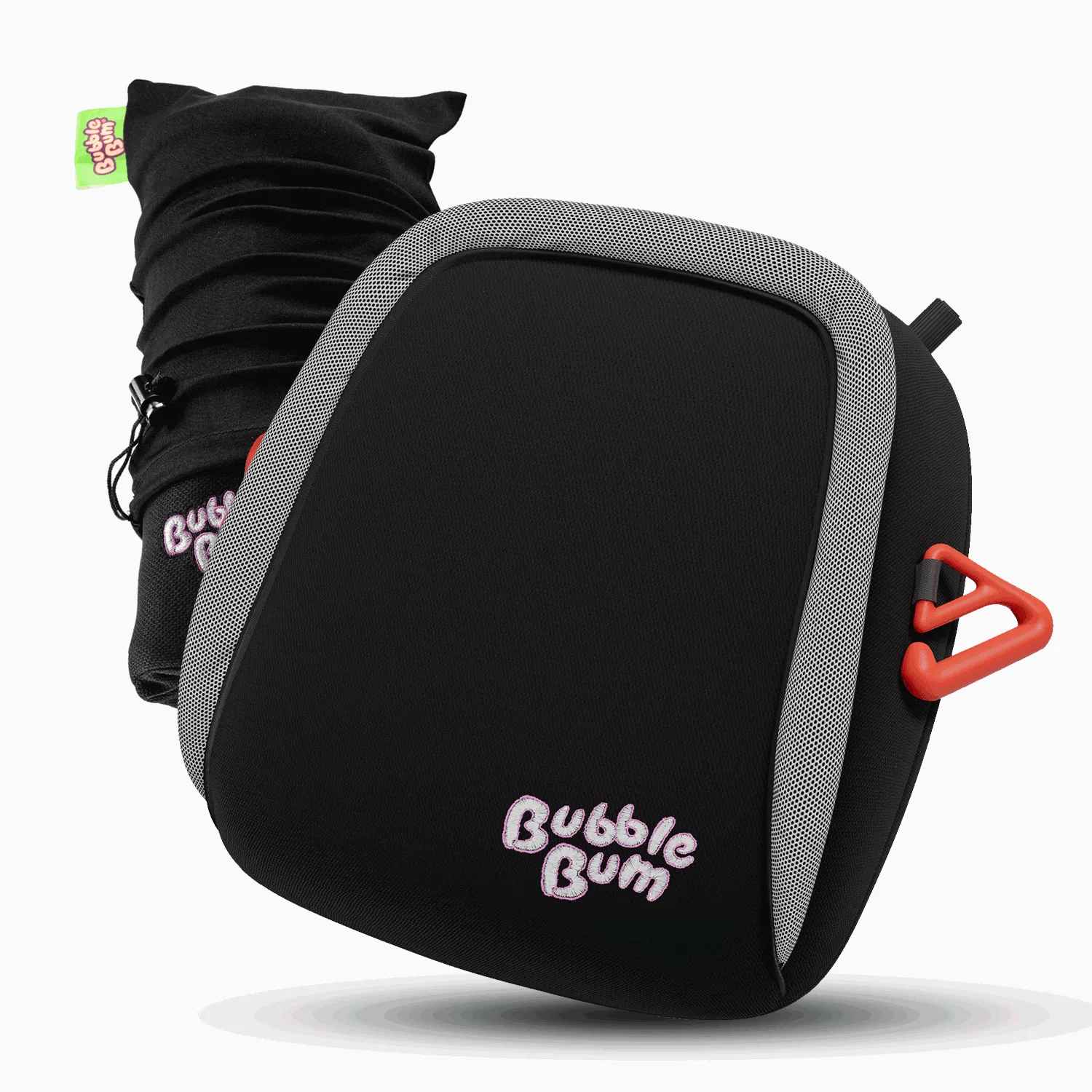
Also, avoid using a booster on a seat with a defective or retracting belt. If the belt doesn't lock during a sudden stop, the child may slide forward. Finally, don't forget to register your booster seat with the manufacturer to receive safety updates. For inflatable models, always carry a replacement carry bag for bubblebum inflatable booster car seat to store the seat when not in use.
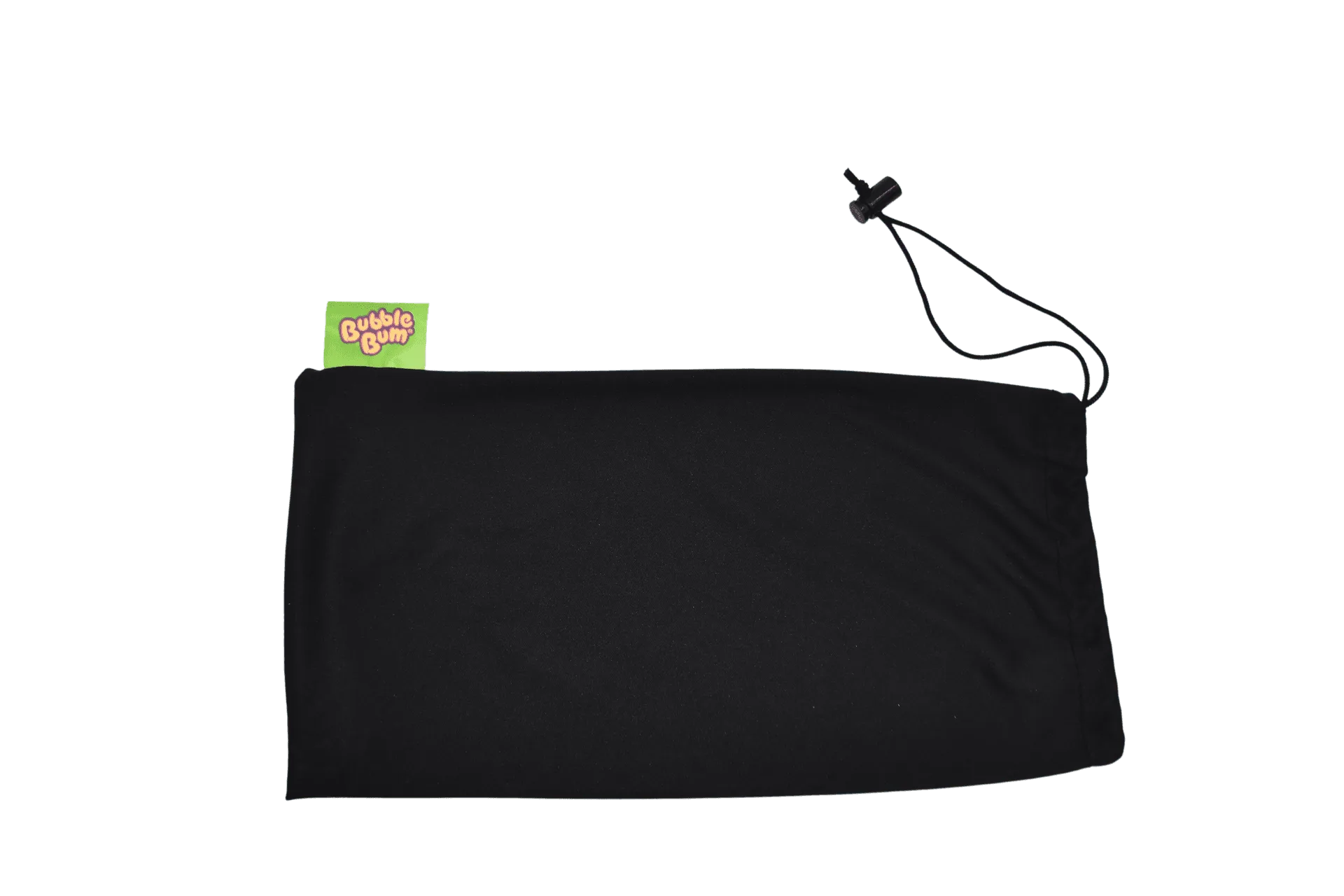
replacement carry bag for bubblebum inflatable booster car seat
- Never use a backless booster with a lap-only belt.
- Don't let the child wear bulky coats or snowsuits under the belt—they compress in a crash, creating slack.
Installing a backless booster seat correctly is a simple process that takes just a few minutes but can significantly enhance your child's safety on the road. By following these steps and avoiding common pitfalls, you can ensure a secure and comfortable ride every time. For a reliable and easy-to-install option, check out the BubbleBum Teleport Backless Booster Car Seat, which combines portability with smart safety features for everyday use and travel.