Quick Answer
To install a bed bumper on a toddler bed, first choose a bumper that fits your mattress thickness and bed size. Then, slide the foam bumper under the fitted sheet, ensuring it sits flush against the edge. Finally, check that the sheet is taut and the bumper is secure before letting your child sleep.
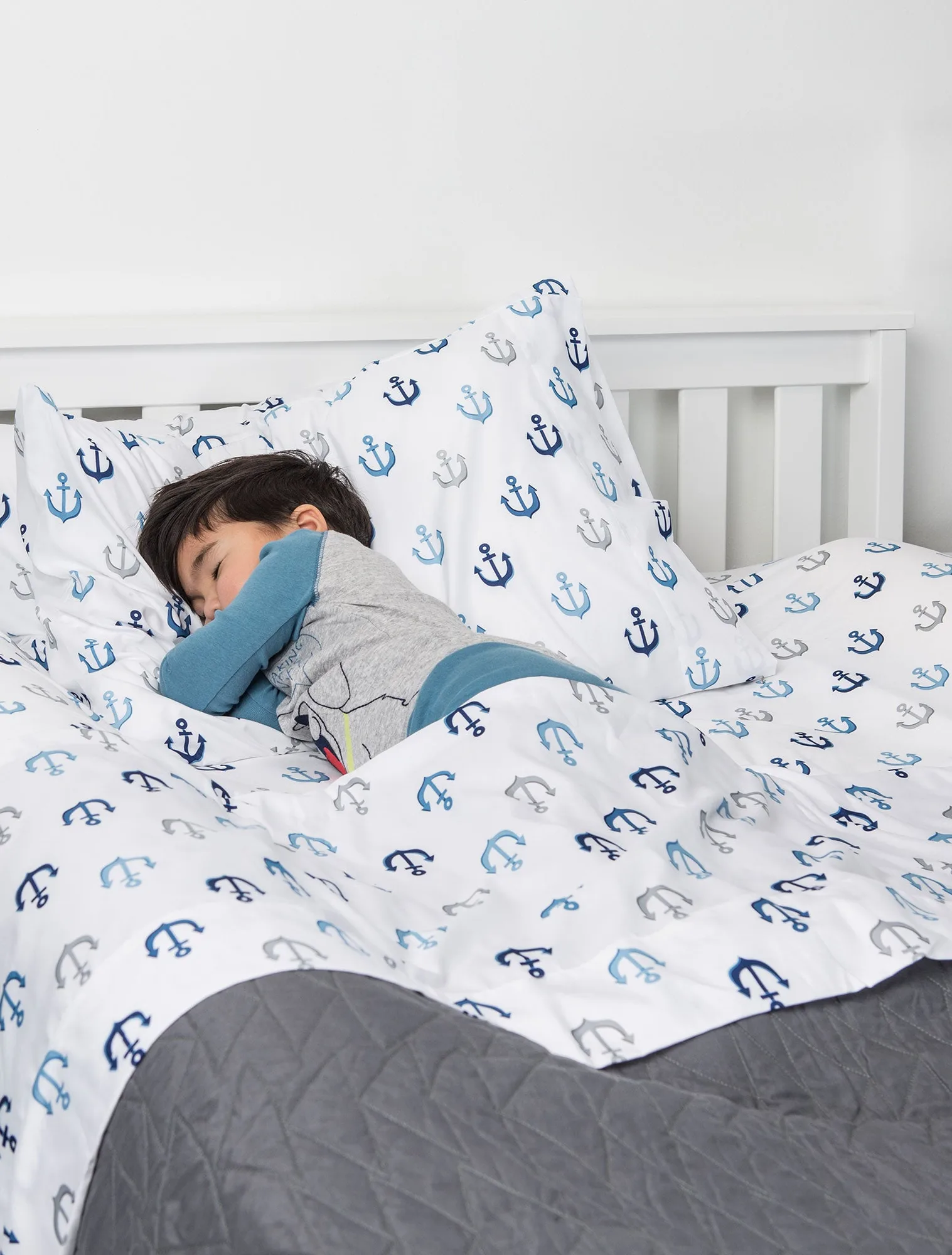
Transitioning your toddler from a crib to a big bed is a milestone, but it comes with the worry of nighttime rolls. A bed bumper provides a soft barrier that helps prevent your little one from rolling out of bed, giving you peace of mind. This guide walks you through installing a bed bumper on a toddler bed safely and effectively.
Bed bumpers are simple to use, but proper installation is key to their effectiveness. Whether you're using a foam bumper that slides under the sheet or an inflatable model, the steps are straightforward. We'll cover what to look for, how to position the bumper, and how to ensure it stays secure.
Choosing the Right Bed Bumper
Before you start, ensure you have the correct bumper for your bed. Foam bed bumpers, like the Regalo Single Foam Bed Bumper, are designed to slide under the fitted sheet and work with thick mattresses. They are available in various lengths; for example, the Regalo model is 43 inches long and fits up to a queen-sized bed, making it versatile for toddler beds.

Single Foam Bed Bumper
Consider the mattress thickness and the size of your child's bed. A bumper that is too short won't provide adequate coverage, while one that is too long may be difficult to secure. Also, check the material – soft foam is comfortable and breathable, which is ideal for a good night's sleep.
- Measure your mattress width and thickness to ensure a proper fit.
Preparing the Bed
Start by removing all bedding, including the fitted sheet and any blankets or pillows. This gives you a clean surface to work with. If your mattress has a protective cover, ensure it is clean and dry. A smooth surface helps the bumper stay in place.
Inspect the mattress and box spring or bed frame for any sharp edges or gaps where a bumper might not fit snugly. The bumper should sit flush against the side of the bed to prevent any gaps where a limb could get trapped.
- Vacuum the mattress surface to remove any debris that could cause the bumper to shift.
Positioning the Bed Bumper
Lay the foam bumper on the bed, positioning it along the edge where your child might roll out. Typically, this is the side of the bed that is not against a wall. If your bed is against a wall, you may only need one bumper on the open side. If the bed is freestanding, consider using bumpers on both sides for full protection.
The bumper should be placed so that it sits slightly inward from the edge, leaving a small ledge. This helps keep the bumper in place and provides a more effective barrier. Ensure the bumper is straight and not twisted, as a twisted bumper may not offer even protection.
- For a queen-sized bed, the 43-inch bumper covers one side adequately; for a twin bed, it may cover the entire length.
Securing the Bumper with a Fitted Sheet
Once the bumper is in the desired position, pull the fitted sheet over the mattress and the bumper. The sheet should be tight enough to hold the bumper firmly against the mattress, but not so tight that it creates uncomfortable pressure points for your child.
Tuck the sheet edges securely under the mattress on all sides. Check that the bumper hasn't shifted during the process. If the sheet is loose, it may allow the bumper to move, reducing its effectiveness. You can also use sheet straps or clips if needed to keep the sheet taut.
- Run your hand along the sheet to feel for any lumps or bumps from the bumper; smooth them out.
Testing for Safety and Security
After the sheet is in place, press down on the bumper to see if it moves. It should feel snug and not slide easily. If it moves, adjust the sheet or reposition the bumper. A secure bumper is essential to prevent it from becoming a hazard.
Check that there are no gaps between the bumper and the mattress where your child's arm or leg could get caught. The bumper should create a continuous barrier. Also, ensure that the bumper does not raise the mattress height significantly, which could increase fall risk when your child gets in and out of bed.
- Have your child lie on the bed and roll toward the bumper to test its effectiveness.
Step-by-Step Installation
- Step 1: Gather Supplies: You'll need a bed bumper that fits your mattress, a fitted sheet, and possibly sheet clips. Make sure the bumper is clean and free of damage. Checkpoint: Confirm the bumper is designed for your mattress type and bed size.
- Step 2: Remove Bedding: Strip the bed completely, including the fitted sheet, to expose the mattress. This prevents wrinkles that could shift the bumper. Checkpoint: Ensure the mattress surface is clean and dry.
- Step 3: Position the Bumper: Place the bumper along the edge of the bed where your child is likely to roll out. Align it so it sits flush against the mattress edge, leaving a small ledge if possible. Checkpoint: The bumper should be straight and cover the entire side you want to protect.
- Step 4: Secure with Fitted Sheet: Pull the fitted sheet over the mattress and bumper, ensuring it is snug. Tuck the sheet under the mattress on all sides to hold the bumper in place. Checkpoint: The sheet should be tight enough to prevent the bumper from moving, but not so tight that it distorts the foam.
- Step 5: Test for Security: Press on the bumper to check for movement. Ensure there are no gaps between the bumper and the mattress. Have your child test the bed by rolling toward the bumper. Checkpoint: The bumper should remain in place and provide a solid barrier.
- Step 6: Final Safety Check: Inspect the bed area for any other hazards, such as loose bedding or sharp edges. Ensure the bumper does not create a suffocation risk by being too soft or pliable. Checkpoint: Your child's sleep environment should be safe and comfortable.
Product Facts
- Single Foam Bed Bumper: Made of soft foam, the bumper slides underneath the fitted sheet creating a safe sleep environment as your little one transitions from a crib to sleeping in a bed. Color: White Dimensions: 43” L Attaches to thick mattresses For use with mattress and box spring Fits up to a queen-sized bed. This foam bumper is easy to install and fits a variety of bed sizes, making it a versatile choice for your toddler's first big bed.
Installing a bed bumper is a simple process that can significantly enhance your toddler's safety during the transition to a big bed. By following these steps and choosing a quality product like the Regalo Single Foam Bed Bumper, you can rest easy knowing your child is protected. Always prioritize safety and regularly check the bumper for wear and tear.