Quick answer
Skip the trench. Mow the line, lay a 2-3 in. strip of compacted crushed stone or coarse sand, then drive cedar stakes every 2-3 ft and fasten the edging to them. Cedar resists rot and insects, so it holds up without a buried base, and the stone strip keeps grass from creeping under the bottom edge.
What you need before you start
You do not need a trencher, but you do need a flat, firm line. Gather a half-moon edger or spade, a rubber mallet, a level, a tape measure, a string line, and a drill or driver with exterior screws. For the base, use crushed stone or coarse sand; for the anchor, use cedar stakes. Cedar is naturally rot- and insect-resistant, so it is a sound choice for a no-dig border that stays damp at the soil line.
Step 1: Mark the line and clear the strip
Run a string line or garden hose along the curve or straight run you want. Cut the grass and weeds down to the soil with a half-moon edger or spade, then scrape the strip 3-4 in. wide. Do not dig a trench; just remove the top growth and loosen the top 1 in. of soil so the base sits flat.
Step 2: Set a no-dig base
Spread a 2-3 in. layer of crushed stone or coarse sand along the cleared strip. Tamp it with a hand tamper or the flat of a spade until it is level and firm. This base is what replaces the trench: it drains, it locks the bottom edge, and it gives the stakes something solid to bite into.
Step 3: Place and anchor the cedar edging
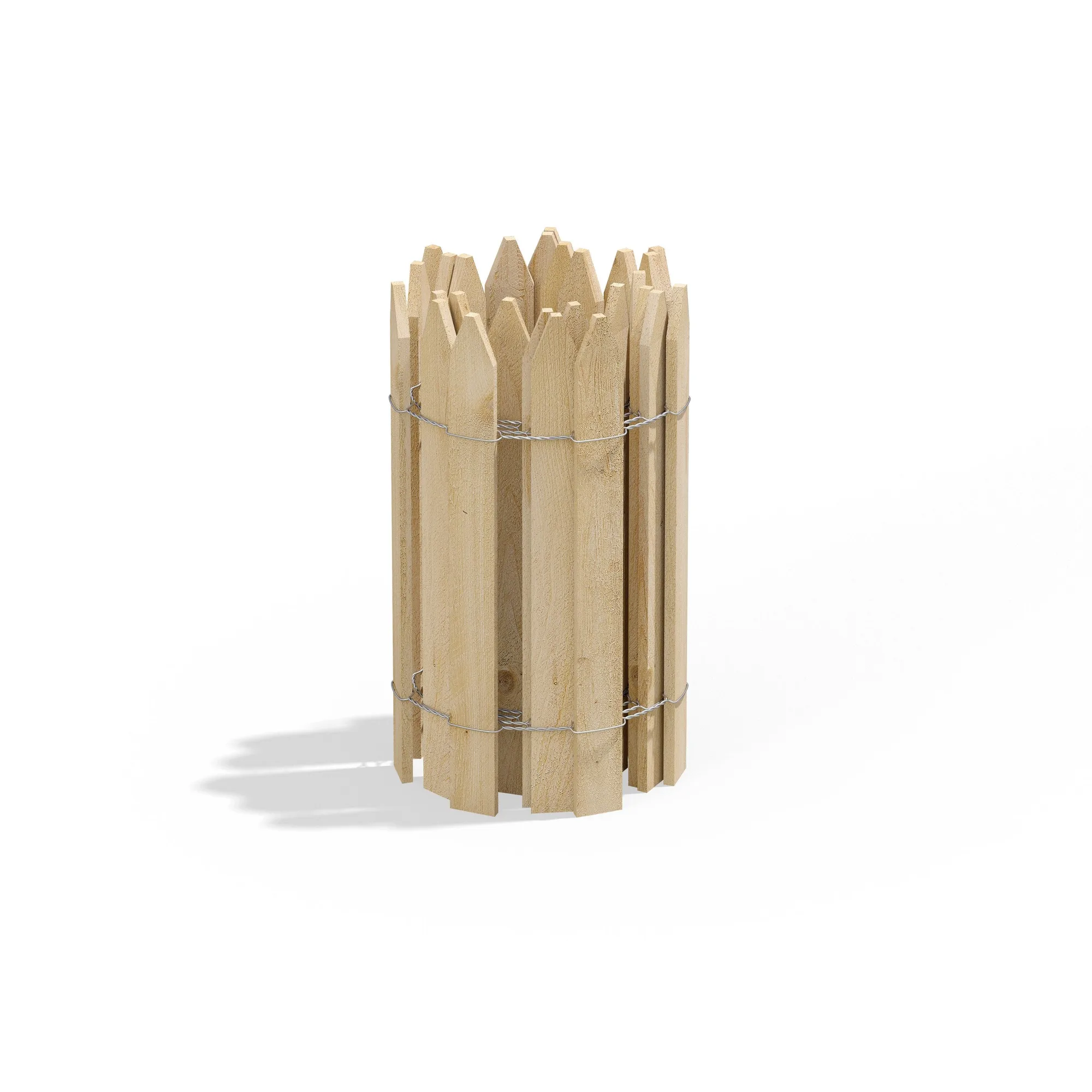
Set the cedar picket fence or edging on the base and check it with a level. Drive cedar stakes every 2-3 ft, sinking them 6-8 in. into the ground and leaving the top just below the top rail. Fasten the edging to each stake with two exterior screws. On curves, space stakes closer, about 18 in., so the cedar follows the bend without cracking.
Step 4: Join corners and ends
Butt corners tightly and screw through the face into the adjoining piece, or use a cedar corner block for a cleaner look. At open ends, add a final stake and cap the end grain with a small piece of cedar or exterior sealant to slow moisture uptake. Backfill the outside of the base with soil or mulch so the stone strip is hidden.
Step 5: Finish and check the border
Water the bed lightly and walk the line. Look for any stake that has risen or any section that rocks. Tamp the base again where it settled, and add a stake if a long run flexes. For a raised bed, run the edging tight against the bed frame so there is no gap for grass to enter.
No-dig cedar edging steps at a glance
- Mark and clear: String a line, cut growth to soil, and scrape a 3-4 in. strip. Do not trench. Checkpoint: the strip is flat and free of roots or rocks.
- Lay the base: Add 2-3 in. of crushed stone or coarse sand and tamp level. Checkpoint: a level laid on the base shows no rock.
- Anchor the cedar: Drive cedar stakes every 2-3 ft and screw the edging to each stake. Checkpoint: push the top rail; it should not move.
- Finish corners and ends: Join corners tightly, cap end grain, and backfill outside the base. Checkpoint: no gap where grass can enter.
Cedar parts that make this no-dig install work
- Cedar Wooden Garden Picket Fence in Natural Cedar or White with Cedar Stake Installation System 8 ft x 16 in RC28CS RC28WS: Cedar Wooden Garden Picket Fence in Natural Cedar or White with Cedar Stake Installation System, 8 ft x 16 in, model RC28CS or RC28WS. The included cedar stake system is the anchor for a no-dig border, so you can set the fence on a stone base instead of trenching. The white version is painted with a water-based paint.
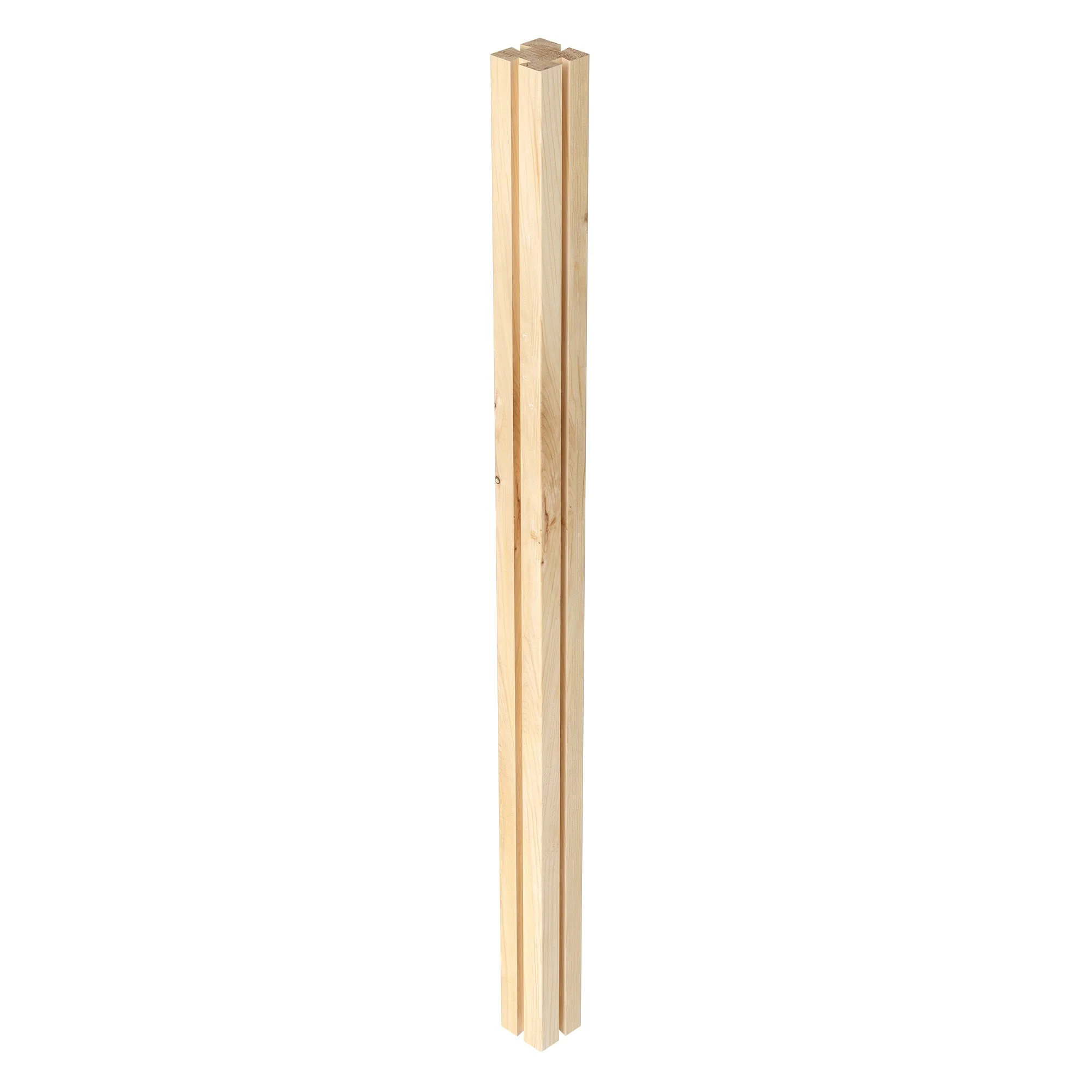
- Premium Cedar Trellis Post 46.5 in x 2.5 in x 2.5 in RCP46: Premium Cedar Trellis Post, 2.5 in x 2.5 in x 46.5 in, model RCP46. Use these as taller anchor posts at corners or where a run meets a raised bed, giving the edging a rigid end point that resists frost heave.
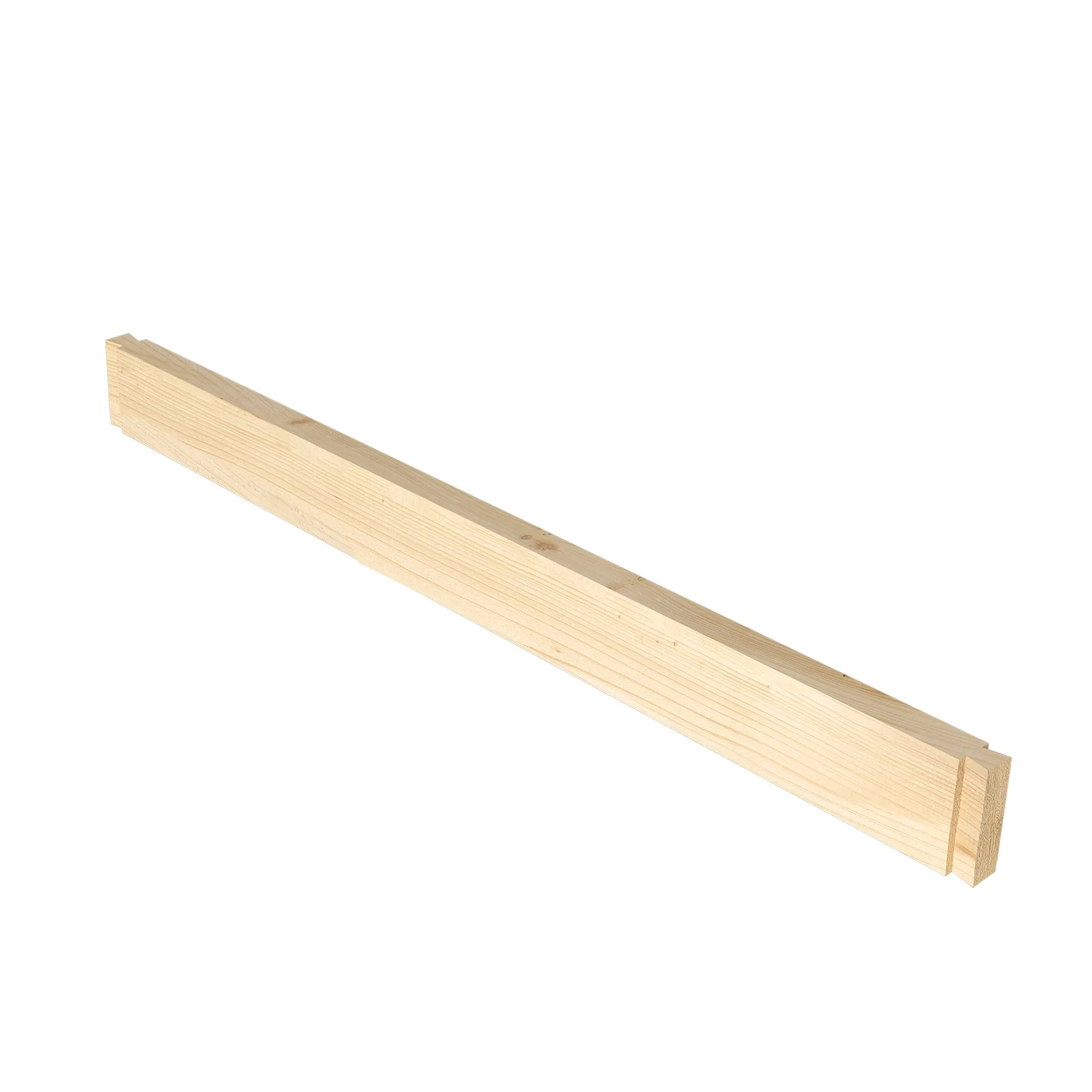
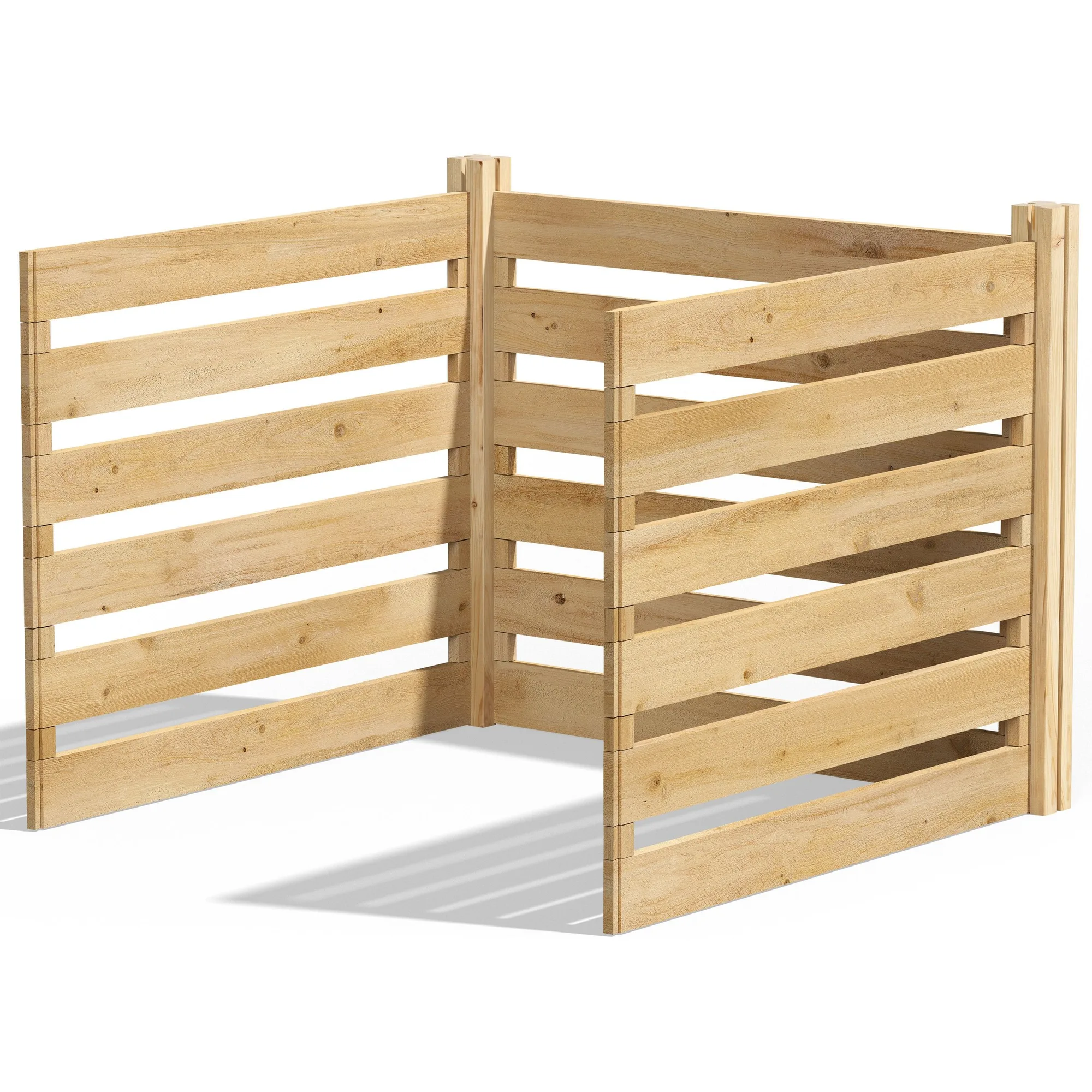
- Cedar Trellis Slat 24 in RC24SLT: Cedar Trellis Slat, 3/4 in x 1 1/4 in x 23 in, model RC24SLT. These slats are smaller than garden bed side wall boards and are sized for trellis use between trellis posts. For a border, use the picket fence or a 2 ft board such as RCB24 or RCB24P instead.