Quick answer
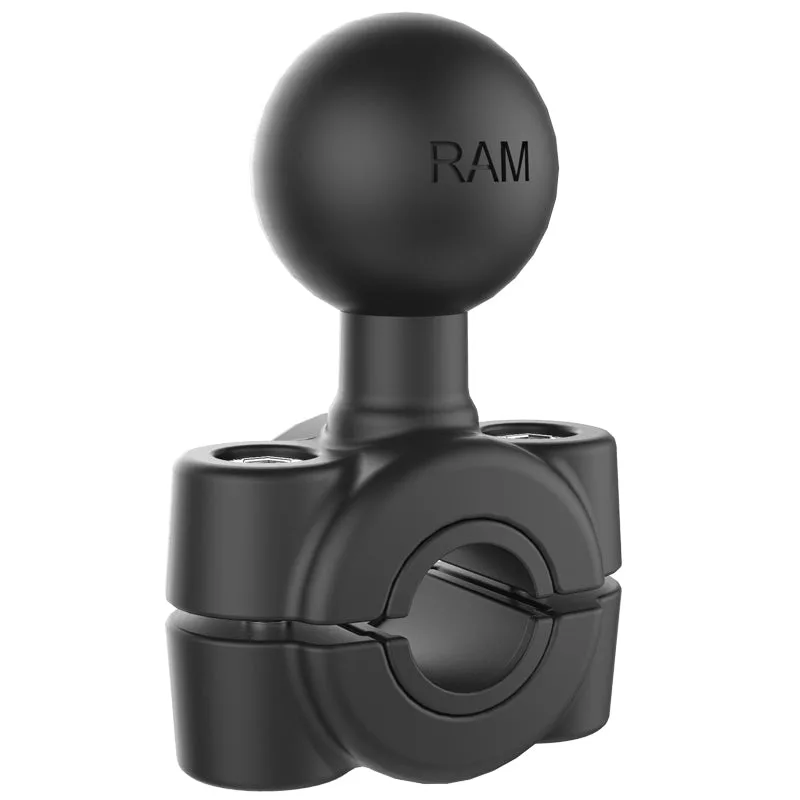
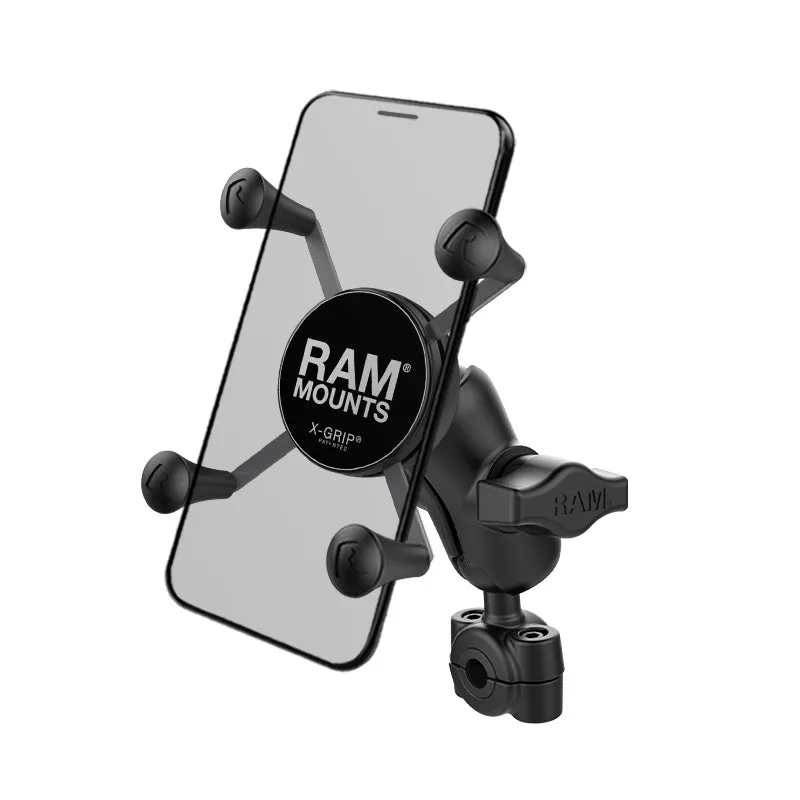
Measure your boat rail diameter first, then choose a RAM rail base sized for that range. A B-size 1-inch ball base fits rails roughly 3/8 to 5/8 inch in diameter, such as the RAM® X-Grip® Phone Mount with RAM® Torque™ Small Rail Base - Short. Clamp the base around the rail, tighten it evenly, attach the arm and rod holder, and test the setup with a light pull before you put a rod in it.
A rod holder that shifts under load is worse than no rod holder at all. On a boat rail, the weak point is almost always the base-to-rail connection, not the holder itself. Getting that connection right starts with knowing your rail diameter and picking a base designed for it.
This guide walks through a RAM rod holder install in order, from measuring the rail to a final load check. It applies to common boat rail setups, including pontoon rails, T-top legs, and grab rails. If you are mounting to a flat surface instead, the same sequence applies but you will need a drill-down or track base rather than a rail clamp.
Measure the rail before you buy anything
Wrap a tape measure or a strip of paper around the rail to get the circumference, then divide by 3.14 to estimate the diameter. Measure in more than one spot, because rails are often slightly out of round or tapered. Write the number down and compare it to the base's stated range. A base rated for 3/8 to 5/8 inch will not clamp safely on a 1-inch rail, no matter how tight you crank it.
If your rail falls outside common ranges, do not force a base to fit. Look for a base with a wider range or a different mounting style entirely. A loose clamp can rotate under a fish strike, and an over-tightened clamp on an undersized rail can crush or mar the finish.
- Checkpoint: the rail diameter should sit comfortably inside the base's stated range, not at the extreme edge.
Choose the right base and ball size for your rod holder
RAM rail bases come in different ball sizes, and the ball size determines how much leverage the arm can handle. A B-size 1-inch ball system is common for lighter setups, while heavier offshore rods benefit from a larger ball and arm. Match the ball size across the base, arm, and rod holder so the whole assembly is one system.
The RAM® X-Grip® Phone Mount with RAM® Torque™ Small Rail Base - Short shows how a rail base pairs with a B-size 1-inch rubber ball and a short arm. That same base-and-arm logic applies when you swap in a rod holder: the base clamps the rail, the arm sets the angle, and the holder carries the rod. If any piece is a different ball size, it will not connect.
- Common mistake: buying a rod holder and base separately without confirming both use the same ball size.
Position the base where you can actually reach it
Mount the base where you can tighten it by hand and where the rod will sit clear of cleats, bimini frames, and your line of sight. On a rail, that usually means a spot with a straight section long enough for the clamp to sit flat. Avoid curved or welded joints, which give the clamp less contact area.
Think about rod angle before you tighten anything. A rod holder angled too far back can put the rod butt into the deck or a seat; angled too far forward, it can interfere with steering or casting. Dry-fit the arm and holder first, then mark the rail position with tape so you can return to it if the clamp shifts.
- Checkpoint: with the rod in the holder, you should be able to reach the clamp and the rod release without leaning over the water.
Clamp, align, and tighten in stages
Open the clamp, seat it on the rail, and hand-tighten the hardware until the base stops moving. Do not fully torque it yet. Attach the arm and rod holder, set the angle you want, then tighten the arm's adjustment point. Finally, go back and tighten the rail clamp evenly, alternating sides if the base has two fasteners.
Even tightening matters because a clamp that is tight on one side and loose on the other can rotate under load. If the base uses sizing inserts, install them before clamping. Inserts provide a snug fit and add protection for the rail, which is especially useful on painted or polished rails.
- Common mistake: tightening the rail clamp first and then fighting the arm angle, which can loosen the clamp again.
Load-test the setup before you fish
With the rod holder empty, pull on it firmly in the direction a fish would pull. Then put a rod in the holder and repeat. Watch the clamp, not the holder. If the base rotates even slightly, loosen, reposition, and retighten. A setup that passes a firm hand pull is ready for normal use.
Recheck the clamp after the first trip. Vibration and temperature changes can settle the hardware, and a quick tighten at the dock takes less time than recovering a rod that went overboard. If you regularly run in rough water, add the clamp check to your pre-launch routine.
- Checkpoint: no rotation at the rail clamp under a firm pull with a rod loaded.
Install steps at a glance
- Measure rail diameter: Wrap a tape or paper strip around the rail, divide the circumference by 3.14, and confirm the result sits inside the base's stated range. Checkpoint: if the diameter is at the edge of the range, choose a different base.
- Match ball sizes: Confirm the rail base, arm, and rod holder all use the same ball size so the assembly connects and holds. Common mistake: mixing a B-size base with a larger-ball holder.
- Dry-fit the position: Set the base on a straight rail section clear of cleats and frames, then fit the arm and holder to check rod angle. Mark the spot with tape before final tightening.
- Clamp and tighten in stages: Hand-tighten the rail clamp, set the arm angle, then finish tightening the clamp evenly with sizing inserts in place if supplied. Even tightening prevents rotation under load.
- Load-test and recheck: Pull firmly on the empty holder, then with a rod loaded, and recheck the clamp after your first trip. No rotation at the clamp means the install is ready.
Products that fit this install
- RAM® X-Grip® Phone Mount with RAM® Torque™ Small Rail Base - Short: Pairs a B-size 1-inch rubber ball base that accommodates bars 3/8 to 5/8 inch in diameter with a B-size short length arm; sizing inserts are included to provide a snug fit and protect the rail. This is a direct example of how a RAM rail base clamps a boat rail and sets up a B-size ball system, which is the same base-and-arm approach you use when installing a rod holder on a rail in that diameter range.
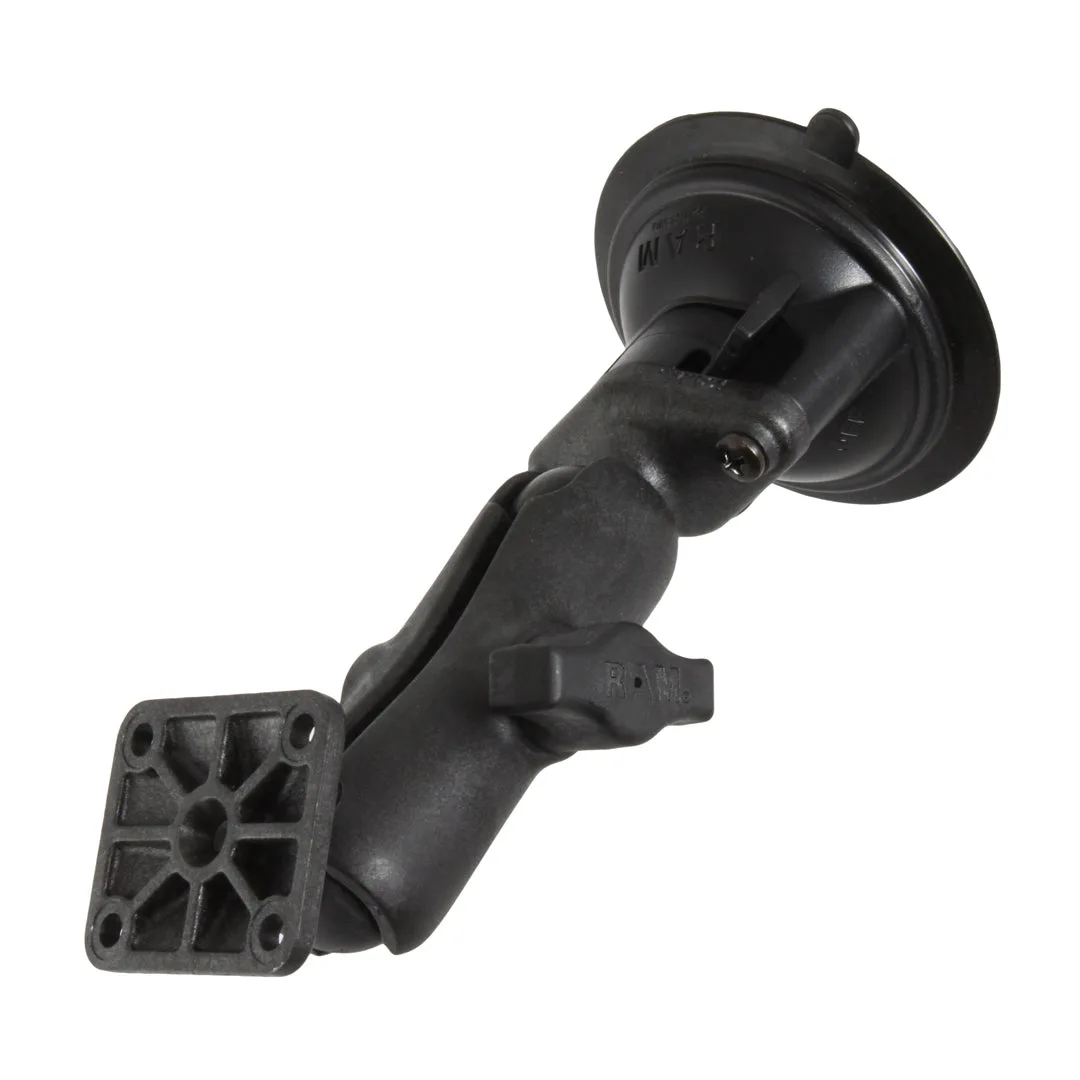
- RAM® Twist-Lock™ Composite Suction Cup Mount with AMPS Hole Pattern: Combines a Twist-Lock composite suction cup base with an AMPS 4-hole plate and a B size 1-inch ball. If your boat has a smooth, non-porous surface instead of a usable rail, this gives you a B-size ball foundation and an AMPS plate you can use to attach a compatible holder or accessory.
A reliable boat rail rod holder comes down to three things: the right base for your rail diameter, matched ball sizes across the assembly, and a staged tightening that you load-test before fishing. Do those in order and the holder stays where you put it, even when a fish does not.