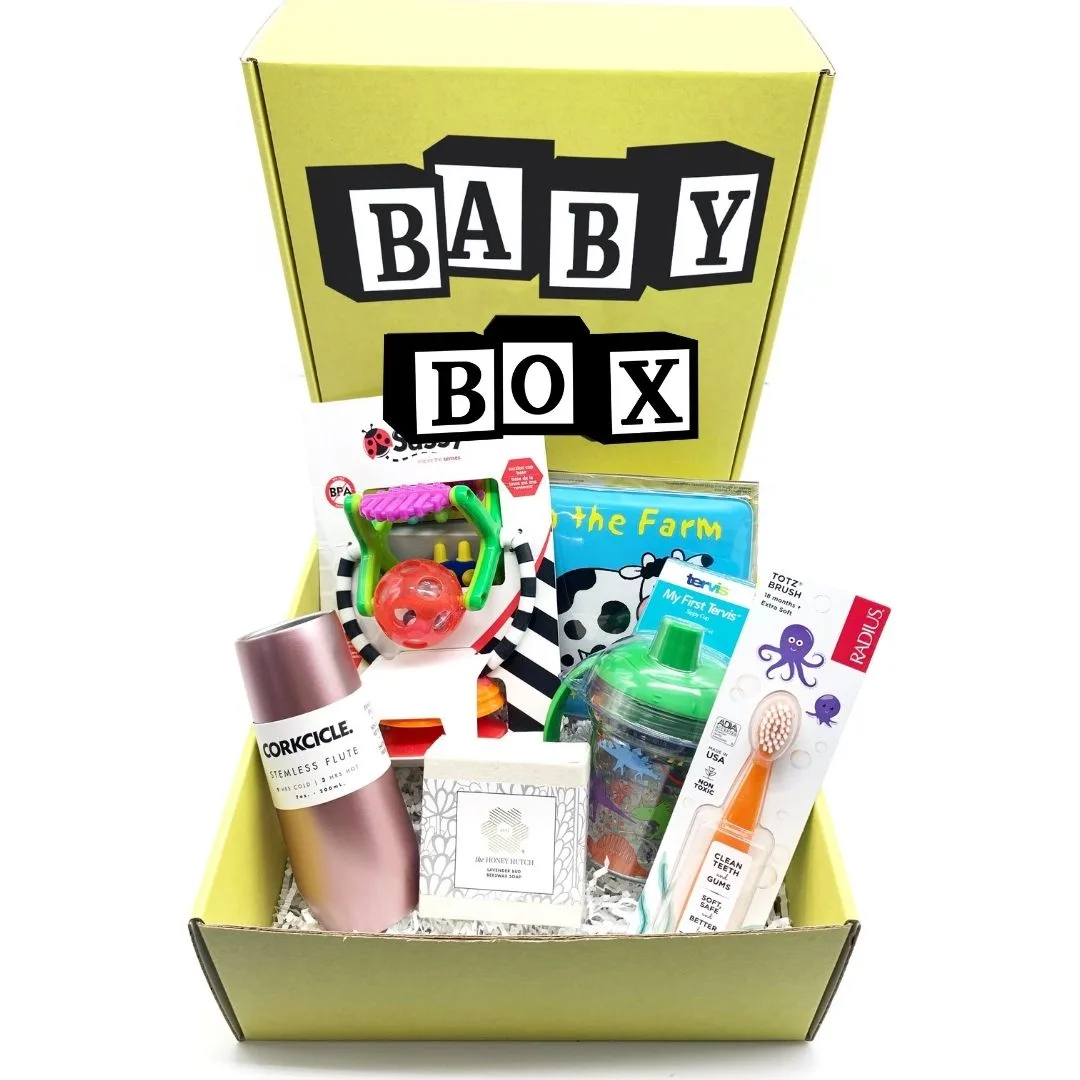
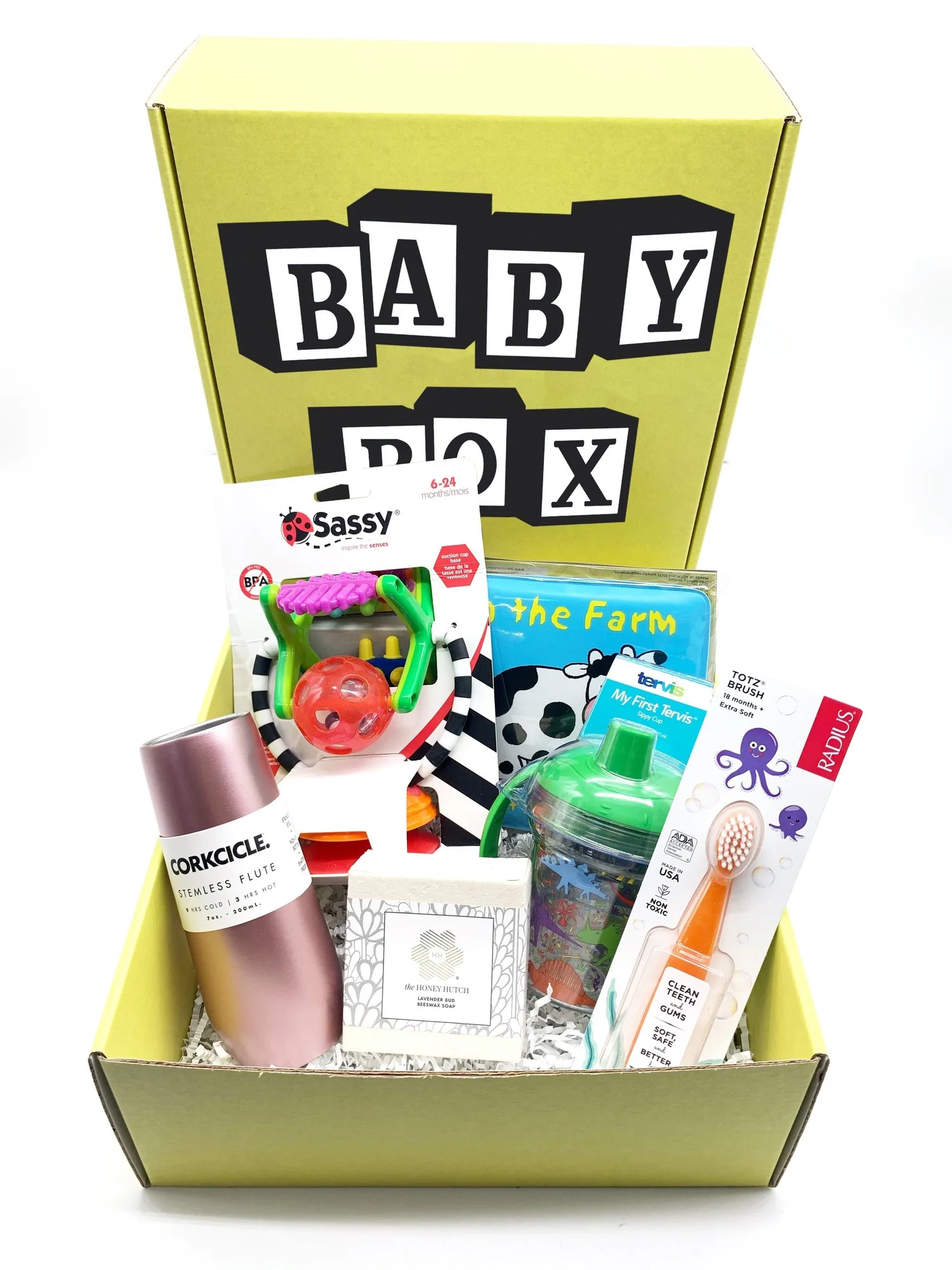
Quick answer
Introduce a 3 in 1 box Montessori toy by starting with just one stage and one piece at a time. Set it out during a calm, alert window, model the action once, then let your baby explore without correction. Add the next stage only when the first one no longer holds attention, usually after a week or two of short, repeated sessions.
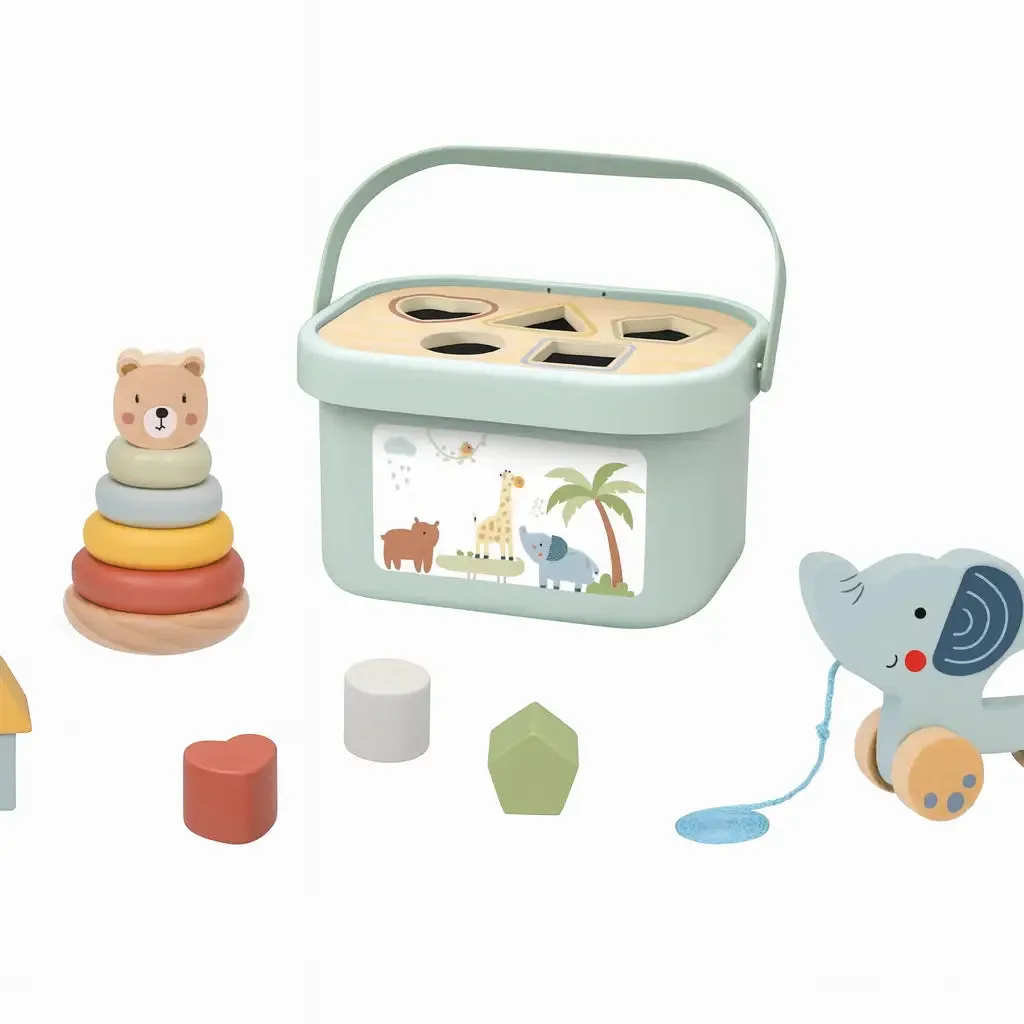
3 in 1 box
Why a 3 in 1 box overwhelms babies when you present it all at once
A 3 in 1 box is really three toys sharing one body. When every stage, piece, and moving part appears at the same time, a baby has to choose between too many actions before they have mastered any single one. The result is often a quick scatter of pieces and a toy that gets ignored.
The fix is not to hide the toy away. It is to control how much of it your baby sees at once. Montessori practice favors a small number of available items on a low shelf, rotated rather than piled up, because a clear choice supports longer, deeper play.
Set up before your baby ever touches the box
Do the preparation while your baby is asleep or out of the room. Put away the pieces for stages two and three so only the first stage is on the shelf. Keep the rest in a closed container nearby, not in the play area.
Place the box at floor level on a stable mat or low shelf so your baby can reach it, turn it, and leave it without help. Check that the pieces for the active stage are all present and undamaged before the first session.
- One stage only on the shelf
- Box at floor level, not on a table
- Remaining pieces stored out of sight
- Quiet room, no screens or music playing
Match the stage to what your baby can already do
A 3 in 1 box assumes a sequence of skills, so the right starting stage is the one just below your baby's current ability. If they can already drop a ball into a hole, start with the posting stage. If they are still working on grasping and releasing, start with the simplest stage and leave the rest stored.
If you are unsure which stage fits, watch for one minute during ordinary play. The stage that gets repeated attempts, not instant success, is the one to introduce first.
Keep the first sessions short and quiet
Sit beside your baby rather than across from them. Show the action once, slowly, then stop talking and let them try. If they hand you a piece, place it back in their hand rather than doing the action for them.
End the session while your baby is still interested, not after frustration. Two to five minutes is a full session for many infants. You can offer the box again later the same day.
Watch for the signs it is time to add the next stage
Add stage two when your baby completes the first action without help and repeats it several times in a row, or when they start looking at the stored pieces. If they still need your hand guiding theirs, the stage is not finished yet.
When you do add a stage, remove the previous pieces for a day or two. This keeps the box feeling new without making it busier. Rotating rather than stacking is the same principle behind a monthly baby box, where a small set of items arrives at once instead of everything at the start.
If your baby loses interest, change the setup before changing the toy
A 3 in 1 box that gets ignored is usually a setup problem, not a toy problem. Try a different time of day, a different room, or a shorter session. Some babies do better standing at a low shelf; others need to sit with the box between their feet.
If two weeks of short sessions still produce no engagement, put the box away for a week and bring it back with a different starting stage. Absence often restores novelty more reliably than adding new pieces.
Your 3 in 1 box introduction steps
- Step 1: Store stages two and three out of sight: Before the first session, put only the starting stage on the shelf and keep the rest in a closed container outside the play area. Checkpoint: your baby can see exactly one action to try.
- Step 2: Pick a calm, alert window: Offer the box after a feed and a nap, not when your baby is tired or hungry. Turn off background noise. Mistake to avoid: introducing a new toy during a fussy window and reading the reaction as dislike.
- Step 3: Model once, then stay quiet: Show the action slowly one time, place the piece back in your baby's hand, and let them work without narration or correction. Checkpoint: your baby attempts the action, even if they miss.
- Step 4: End on interest, not frustration: Stop after two to five minutes while your baby is still engaged, then put the box back on the shelf. Mistake to avoid: extending the session to fill time.
- Step 5: Add the next stage only after independent repetition: Wait until your baby completes the current action without help several times, then swap in the next stage and remove the old pieces for a day or two. Checkpoint: repeated success, not a single lucky try.
Where a 3 in 1 box fits in a baby box routine
- Baby Box: Baby Box delivers fun, innovative products monthly and is priced at USD 38.39 against a catalog comparison price of USD 59.99. A monthly delivery gives you a natural rotation schedule, so a 3 in 1 box can rest while other items take the shelf.
- Montessori Educational Box (25-27 Months): The Montessori Educational Box (25-27 Months) includes 6 products made from sustainable and safe material and is designed for open-ended play and fine motor skills. If your baby is past the early 3 in 1 stages, a box built around open-ended play keeps the same one-stage-at-a-time approach without repeating the same actions.