Dressing up your dog can be a delightful way to express their personality, but for a nervous pup, even a small accessory like a bow tie can feel overwhelming. Many dogs are sensitive to new sensations around their neck, and forcing an accessory can lead to fear or avoidance. The key is a slow, positive approach that builds trust and comfort over time.
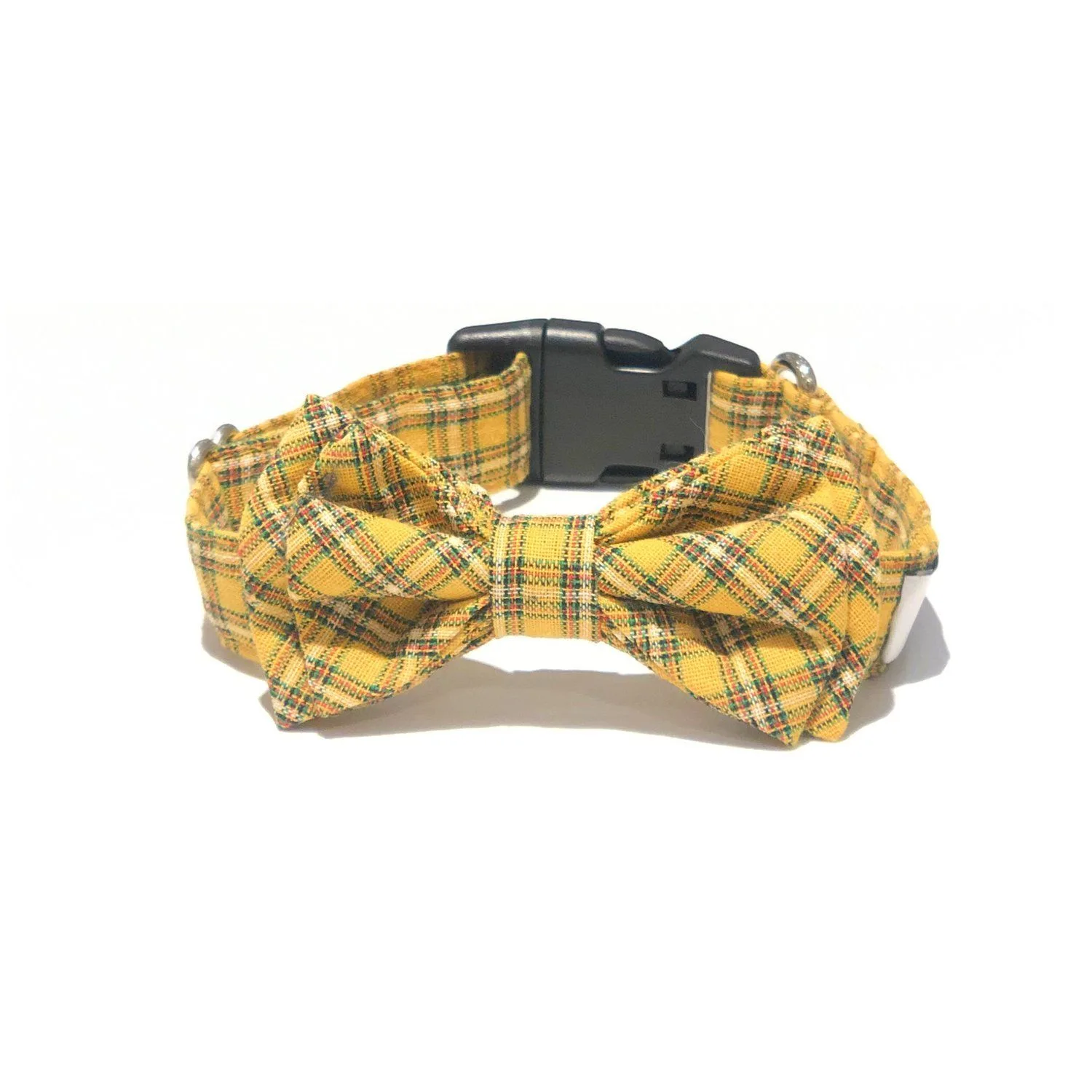
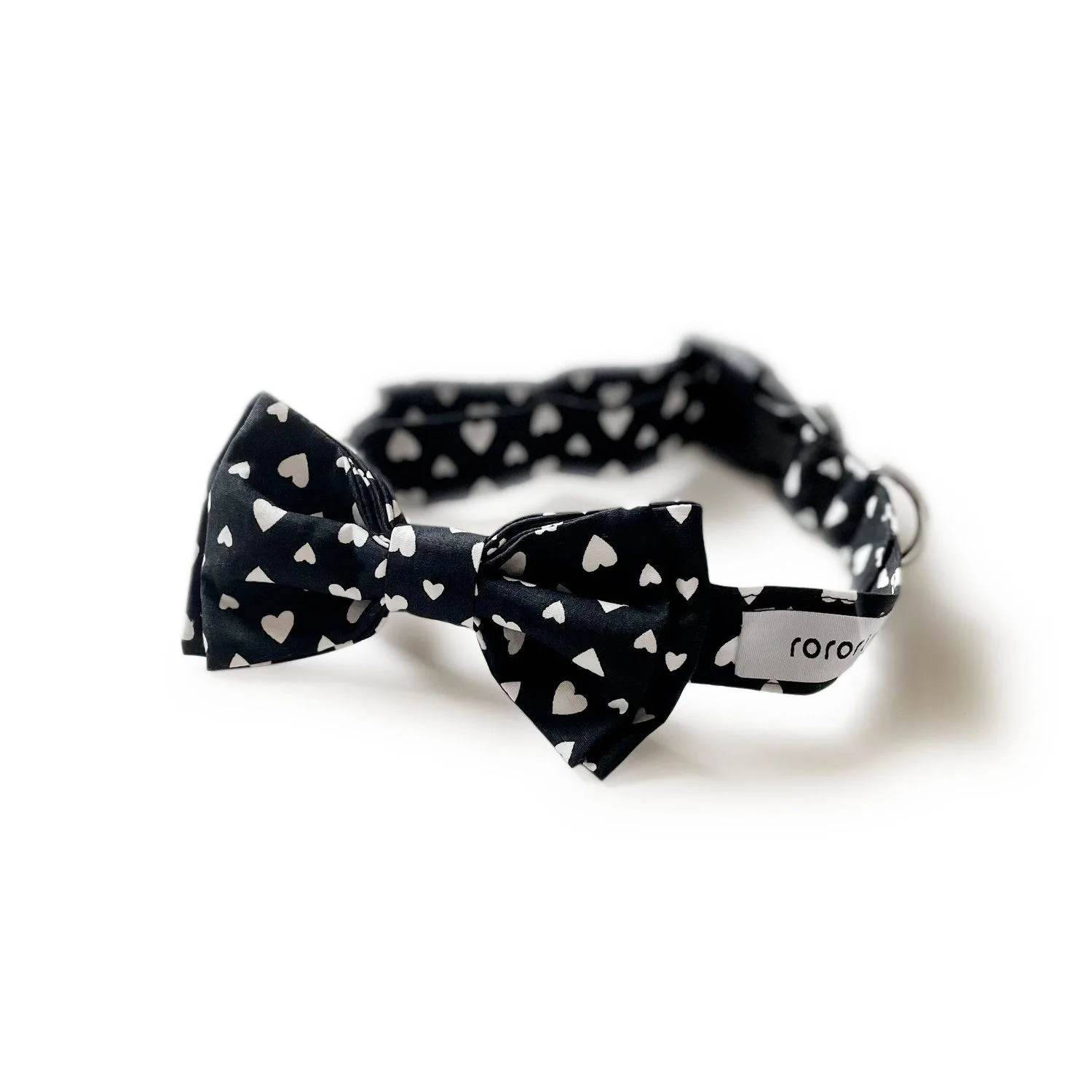
In this guide, we'll walk you through a gentle desensitization process to help your dog feel at ease with bow ties. Whether you're preparing for a special occasion or just want to add a touch of style to daily walks, these training tips will make the experience enjoyable for both of you. For a stylish and comfortable option, consider the Bow Tie Stefani, which is designed with soft materials and an easy-on, easy-off attachment.
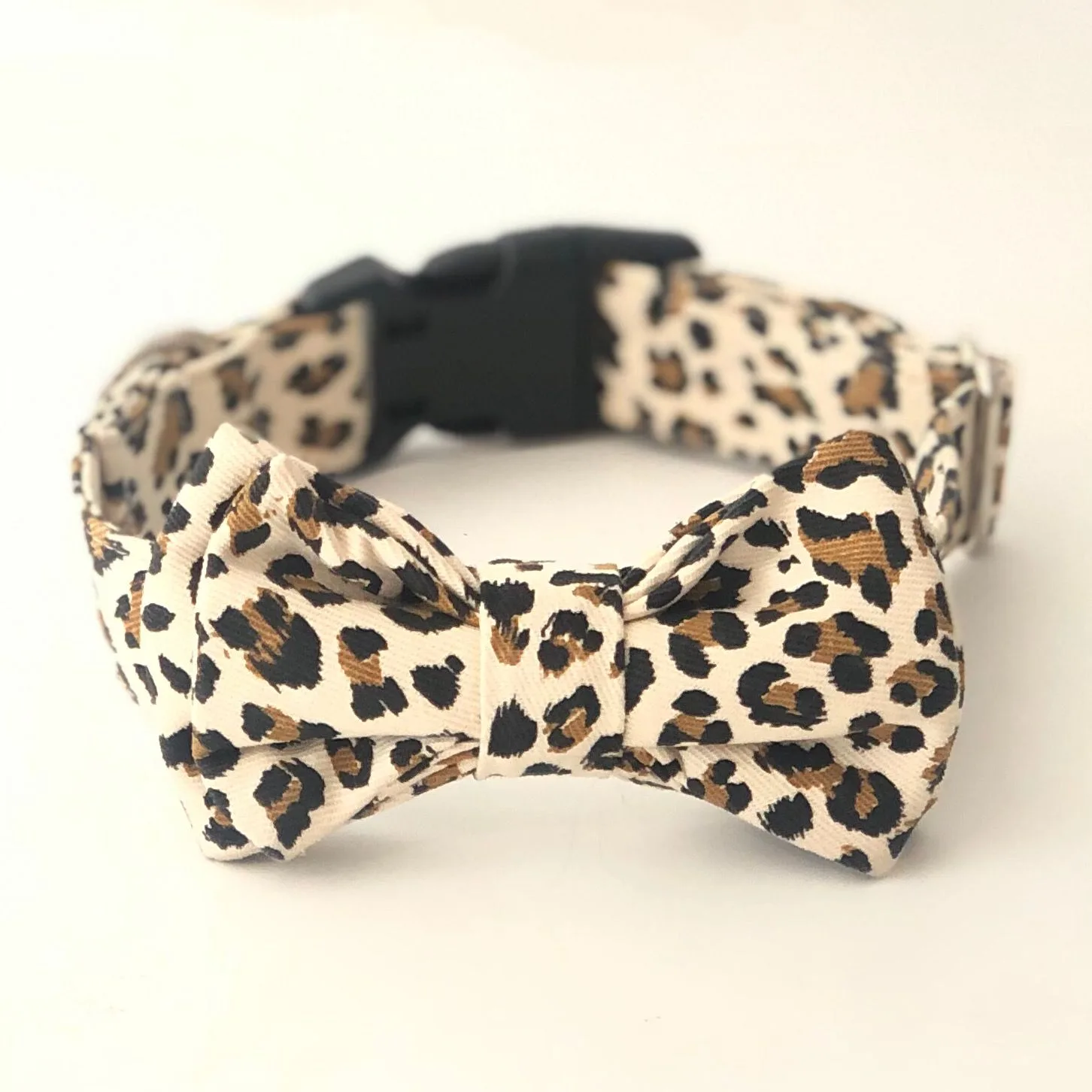
Bow Tie Stefani
Why Some Dogs Are Nervous About Accessories
Dogs communicate largely through body language, and anything that alters their natural shape or movement can be unsettling. A bow tie, while small, adds pressure and texture around the neck—a sensitive area. Nervous dogs may associate this with restraint or discomfort, especially if they've had negative experiences with collars or handling.
Signs of stress can include freezing, lip licking, yawning, avoiding eye contact, or trying to paw at the accessory. Understanding these cues is the first step. By respecting your dog's limits and moving at their pace, you can transform a potentially scary experience into a positive bonding moment.
- Start with short, positive sessions (2–3 minutes) and gradually increase duration.
- Use high-value treats like small pieces of chicken or cheese to create positive associations.
Step 1: Let Your Dog Investigate the Bow Tie
Before even attempting to put the bow tie on your dog, let them explore it on their own terms. Place the bow tie on the floor or in your hand and allow your dog to sniff it. Reward any calm curiosity with a treat and gentle praise. Repeat this over several sessions until your dog shows no hesitation.
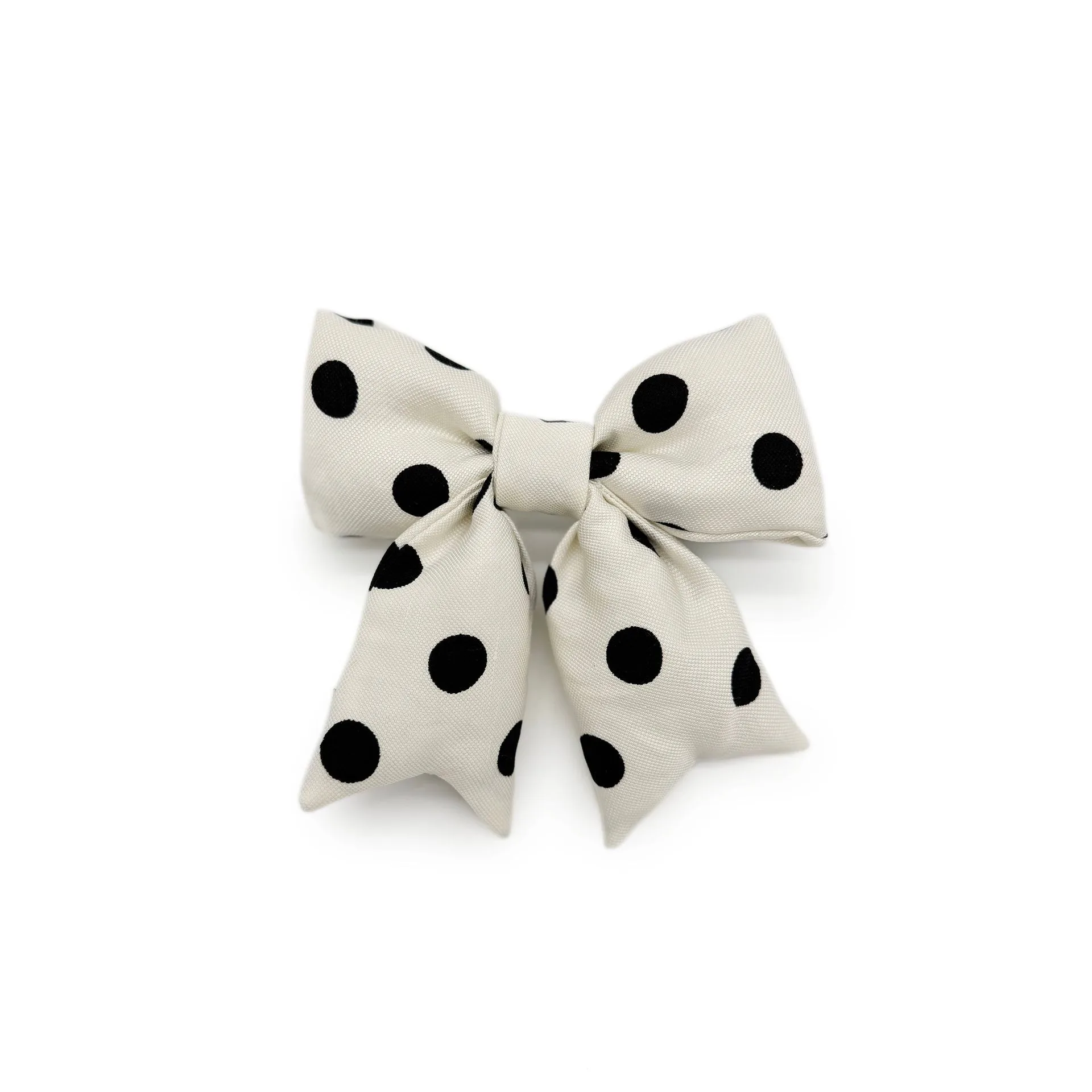
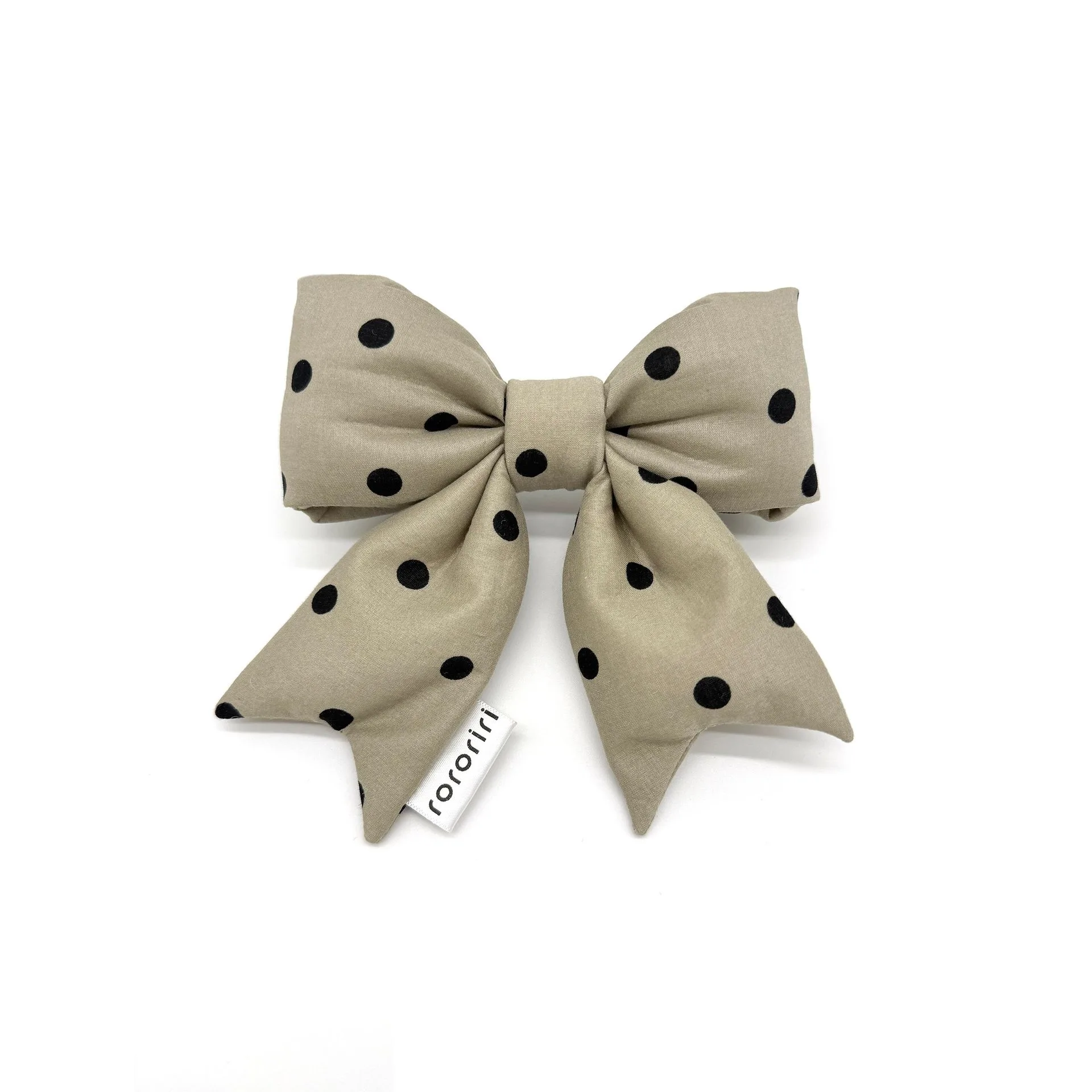
You can also rub the bow tie against your dog's bedding or favorite blanket to transfer familiar scents. This helps the accessory smell less foreign. For a soft, lightweight option that feels less intrusive, the Bandana Emma is a great alternative to start with before moving to a bow tie.
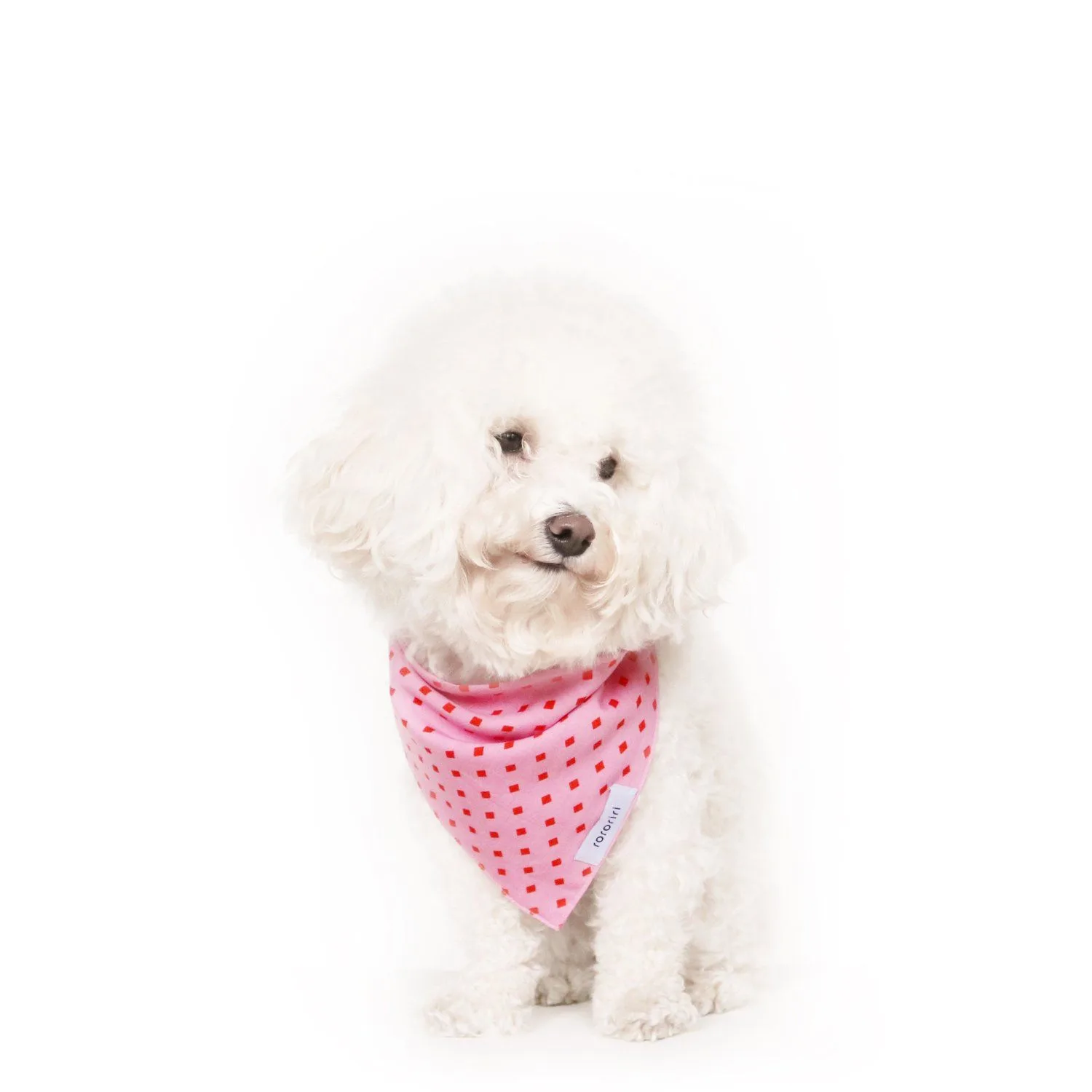
Bandana Emma
Step 2: Practice Gentle Touch Around the Neck
Once your dog is comfortable with the bow tie's presence, begin desensitizing them to touch around the neck. Gently stroke your dog's neck and ears while giving treats. Gradually introduce the sensation of the bow tie by holding it near their neck without fastening it. If your dog remains relaxed, you can briefly drape it over their neck for a second or two, then reward.
Keep these sessions very short and always end on a positive note. If your dog shows any stress, take a step back. Consistency is more important than speed. This step builds the foundation for the actual wearing experience.
Step 3: Fasten the Bow Tie for Brief Periods
When your dog is comfortable with touch and the bow tie being near their neck, you can try fastening it for just a few seconds. Use a bow tie with a breakaway or clip-on closure for safety and ease. Attach it, immediately offer a treat, and then remove it. Gradually increase the wearing time by a few seconds each session.
Pair the bow tie with a fun activity your dog loves, like a short game of fetch or a walk. This helps them associate the accessory with positive experiences. The Bow Tie Stefani features a secure yet gentle clip that won't pull fur, making it ideal for sensitive dogs.
- Never leave a bow tie on an unsupervised dog, especially during the learning phase.
- Watch for signs of discomfort like scratching or shaking the head—remove the bow tie and try again later.
Step 4: Build Duration and Add Distractions
Once your dog can wear the bow tie for a minute or two without stress, start extending the time. Add gentle distractions like a toy or a training command. Reward calm behavior throughout. If your dog remains relaxed, you can try wearing the bow tie during a short walk or car ride.
Remember that every dog is different. Some may take days, others weeks. Celebrate small victories and never rush. With patience, your nervous dog can learn to wear a bow tie with confidence. For a stylish and comfortable option that won't irritate your dog's neck, the Bandana Emma is another excellent choice for building confidence.
Introducing a bow tie to a nervous dog doesn't have to be stressful. With patience, positive reinforcement, and a step-by-step approach, you can help your furry friend feel stylish and comfortable. Start with a gentle, well-designed bow tie like the Bow Tie Stefani, and enjoy the journey of building trust and confidence together.