Quick answer
Wait until breastfeeding is well established, usually around three to four weeks, then offer a pacifier only after a full feeding, not in place of one. Keep it brief and paced, and treat every pacifier moment as a cue to check whether your baby is actually hungry.
Why timing matters more than the pacifier itself
The main risk in the early weeks is not the pacifier as an object; it is what the pacifier replaces. If a pacifier soothes a baby through a feeding window, it can reduce the number of nursing sessions, which in turn signals your body to make less milk. That is why most lactation guidance suggests waiting until nursing is going well, weight gain is on track, and you are not relying on supplements before adding a pacifier.
Once breastfeeding is established, a pacifier can be a useful tool for sleep and for the gap between feedings. The goal is not to avoid it forever. The goal is to keep it from becoming the first response to every fuss, especially in the first month.
How to spot hunger before you reach for the pacifier
Pacifier and nursing confusion is less about nipple shape and more about missed cues. Before offering a pacifier, run through the hunger signs: rooting, hand-to-mouth movements, lip smacking, and turning the head. Crying is a late hunger cue, so a baby who is already crying may need a feeding, not soothing.
If your baby settles quickly with the pacifier and then wakes and fusses again within a short time, that pattern often means the pacifier masked hunger. Try nursing first on the next wake-up and see whether the baby feeds eagerly.
Choosing a breastfeeding-friendly pacifier
Look for a pacifier with a symmetrical or orthodontic nipple and a shield that allows airflow. A one-piece design is easier to clean and has no parts that can come loose. Size matters too: a newborn-size pacifier fits a small mouth better and is less likely to fall out constantly, which reduces the temptation to keep reinserting it.
Replace pacifiers when the nipple becomes sticky, cracked, or discolored. A worn nipple can collapse in the mouth, and a baby who cannot keep it in may become fussier rather than calmer.
Paced pacifier use during the day and at night
Paced use means offering the pacifier for a defined purpose, such as settling to sleep or riding in the car, and then removing it once the baby is calm. It does not mean leaving it in for hours or propping it. During the day, try a five-minute limit before checking hunger again. At night, offer it after a full feeding and after burping, then place your baby back down.
If your baby is still waking frequently to feed, that is normal in the early months. A pacifier should not be used to stretch night feeds beyond what your baby needs, because night feedings help maintain milk supply.
What to do if your baby starts refusing the breast
If you notice shorter nursing sessions, less swallowing, or a baby who latches and then pulls away, pause the pacifier for a few days and offer the breast more often. A temporary nursing strike can often be reversed by increasing skin-to-skin contact and feeding on demand.
If weight gain slows or you are unsure, contact a lactation consultant or your pediatric provider. They can assess latch and intake rather than guessing from behavior alone.
Your step-by-step pacifier introduction plan
- Step 1: Confirm breastfeeding is established: Wait until your baby is feeding well, gaining weight, and you are not relying on supplements. This usually happens around three to four weeks, but your baby's pace is what counts. Checkpoint: If you are still working on latch or supply, pause and get lactation support before adding a pacifier.
- Step 2: Offer the pacifier only after a full feeding: Finish the feeding on both sides, burp your baby, and then offer the pacifier if they still want to suck. Do not use it to delay a feeding that is due. Common mistake: Giving the pacifier when the baby is rooting or smacking lips, which are hunger cues, not just a need to suck.
- Step 3: Keep sessions short and paced: Limit pacifier use to five to ten minutes at a time during the day, and remove it once your baby is calm. At night, use it after a full feeding and then put your baby back down. Checkpoint: If your baby needs the pacifier reinserted every few minutes for hours, that is a sign to check hunger or sleep environment instead.
- Step 4: Watch for nursing changes: Track whether nursing sessions are getting shorter, whether your baby is swallowing less, or whether they seem less interested in the breast. These are early signs that the pacifier may be interfering. Common mistake: Assuming a baby who takes a pacifier well is not hungry. A calm baby can still be underfed.
- Step 5: Adjust or pause if needed: If you see any of those nursing changes, stop the pacifier for a few days and offer the breast more frequently. Most babies return to their normal pattern quickly. Next step: If nursing does not improve or weight gain slows, contact a lactation consultant or pediatric provider.
Product facts that help with pacifier timing
- Sleeping Baby Gingerbread Zipadee-Zip Swaddle Transition - Fleece: The Sleeping Baby Gingerbread Zipadee-Zip Swaddle Transition - Fleece has a starfish design that provides the cozy, secure feeling of a swaddle without limiting range of motion, plus a double-zipper for diaper changes. Once your baby is rolling or wiggling, a transition sleep sack can replace the swaddle for sleep, which means the pacifier does not have to do all the soothing work at bedtime.
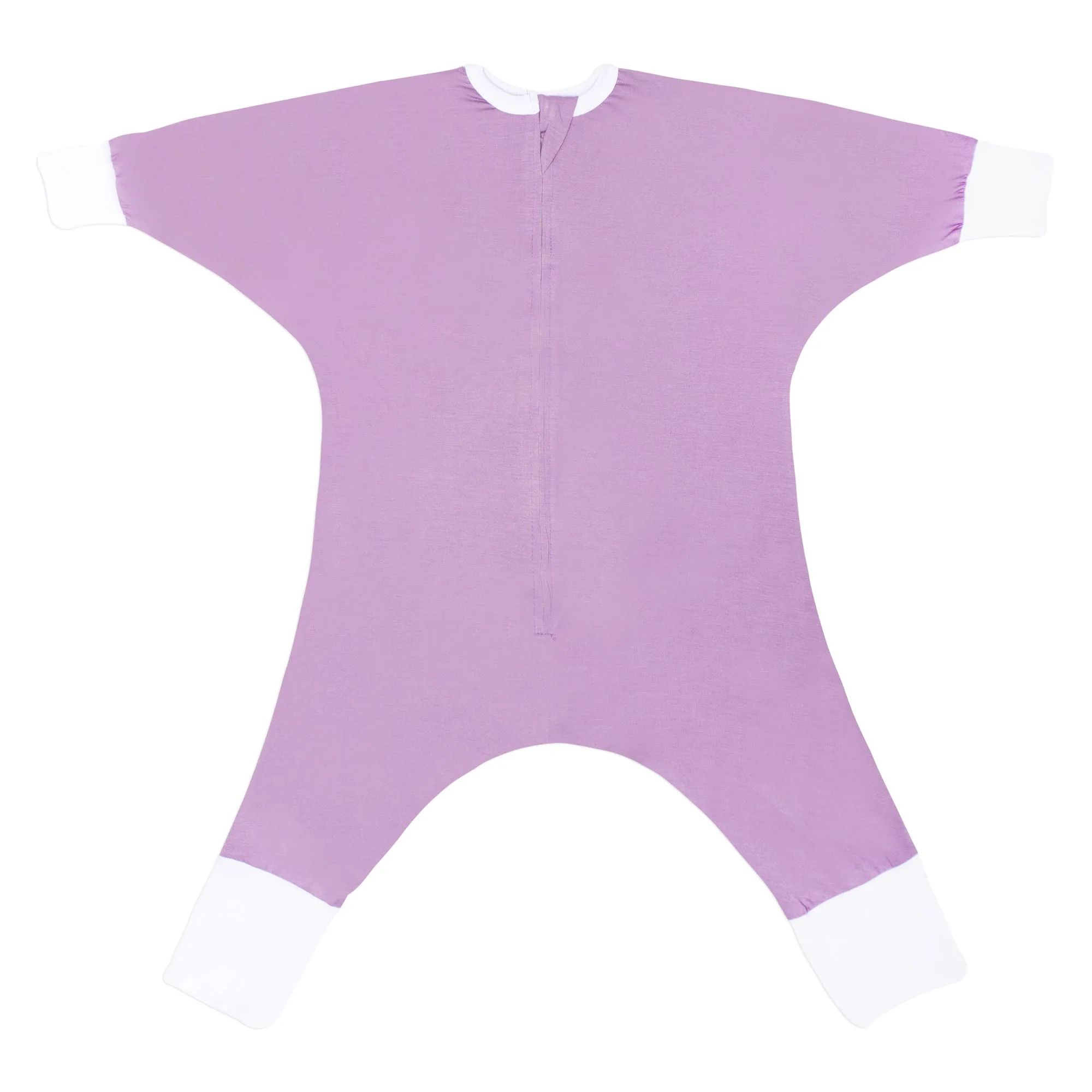
- Sleeping Baby EverSoft™ Bamboo Zipadee-Zip Swaddle Transition: The Sleeping Baby EverSoft Bamboo Zipadee-Zip Swaddle Transition is made from bamboo fabric that is naturally hypoallergenic and temperature-regulating. If your baby has sensitive skin and you are already limiting what touches their face and body, a breathable sleep layer can reduce one source of nighttime fussiness.