Why Rhythm Instruments Matter in Preschool
Rhythm instruments give preschoolers a hands-on way to explore sound, beat, and tempo. Whether you have a classroom set of shakers, drums, or bells, the real challenge is finding enough fresh activities to keep children engaged. A single instrument can be used in dozens of ways, but coming up with those ideas takes time you may not have.
That is where a resource like 101 Rhythm Instrument Activities - Paperback comes in. It provides ready-to-use ideas that fit any curriculum, so you can spend less time planning and more time making music with your group.
A Resource for Rhythm Instrument Ideas
-
101 Rhythm Instrument Activities - Paperback: This 120-page paperback includes 101 ideas, a subject index, monthly planning pages, and teacher tips to fit every curriculum. With a full school year's worth of activities, you can introduce new rhythm experiences each week without repeating yourself. The monthly planning pages help you align instrument play with themes or seasons.
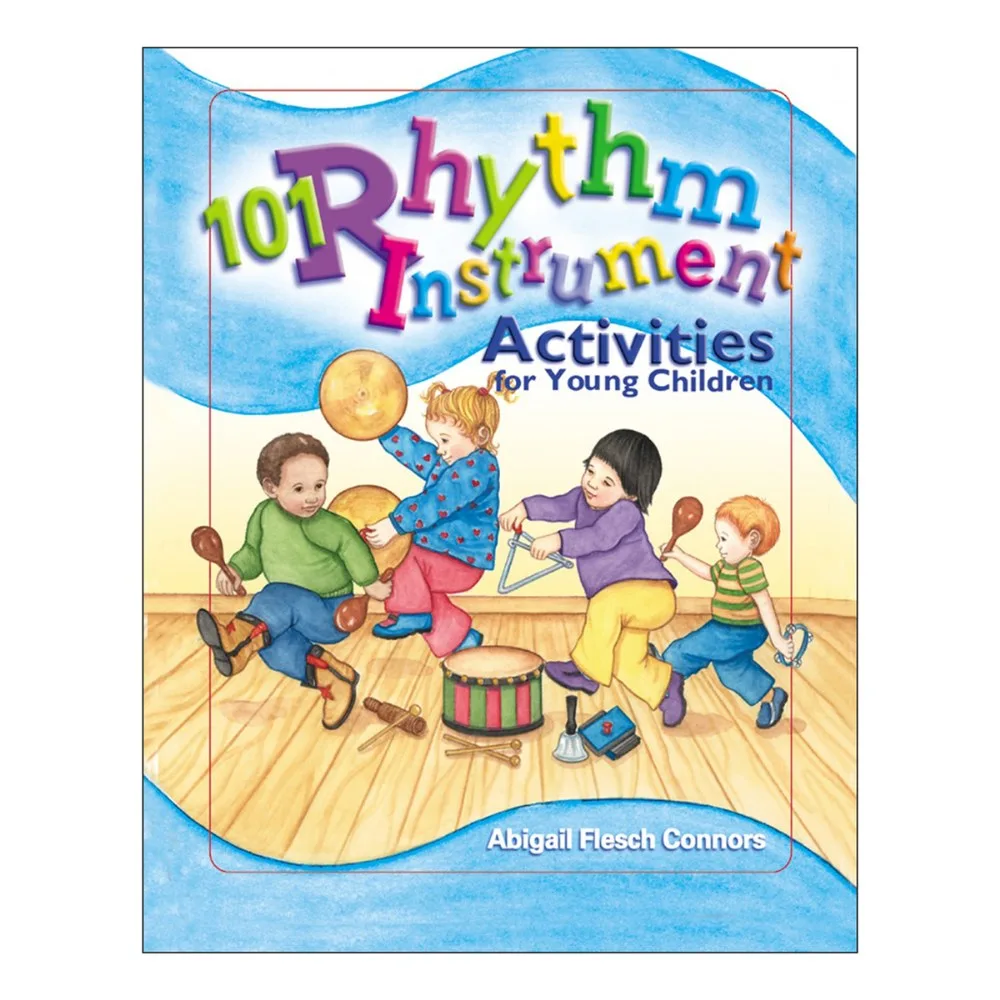
101 Rhythm Instrument Activities - Paperback
Getting Started with Simple Rhythm Activities
Start with activities that let children explore the sound of one instrument before adding complexity. For example, give each child a shaker or rhythm stick and ask them to copy a simple pattern you tap out. Once they are comfortable, let them lead the pattern for the group.
The 101 Rhythm Instrument Activities book offers many such starting points. It is designed for children 2 years and up, so even your youngest preschoolers can participate with simple call-and-response games.
Ideas for Combining Rhythm Instruments with Movement
Preschoolers learn best when they can move and make noise at the same time. Pairing rhythm instruments with gross motor activities keeps energy levels high and reinforces both musical and physical skills. Here are a few ways to combine them:
- March and Tap: Have children march around the room while tapping a rhythm stick or shaking a maraca to the beat. This builds coordination between movement and sound.
- Freeze Dance with Instruments: Play a song and let children dance while playing their instrument. When the music stops, they freeze in place and hold their instrument still. This teaches listening and impulse control.
- Animal Walks with Sound Effects: Assign each animal walk a different instrument sound. For example, shake bells for a bear walk or tap sticks for a rabbit hop. Children move like the animal while making the corresponding sound.
Supporting Physical Development Alongside Music
-
Encouraging Physical Activity in Preschoolers - Paperback: This book helps preschoolers understand the best ways to skip, gallop, run, balance, jump, land, kick, throw, catch, strike balls, and ride a bike. Adding instrument play to physical activities like marching or jumping gives children a dual benefit: they practice motor skills while also exploring rhythm. The Encouraging Physical Activity in Preschoolers book can guide you in teaching the movement forms, while your rhythm instrument activities provide the musical motivation.
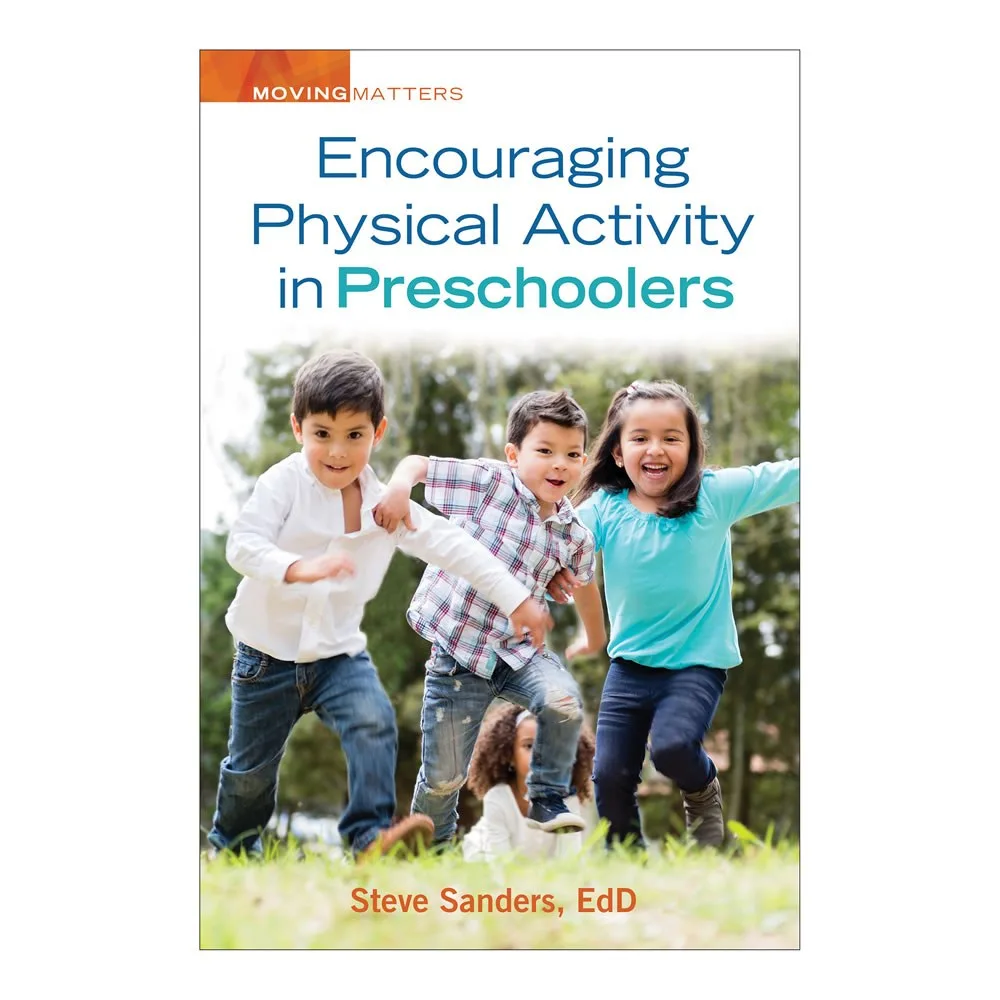
Encouraging Physical Activity in Preschoolers - Paperback
Making Rhythm Instruments Part of Your Daily Routine
You do not need a dedicated music block to use rhythm instruments. Try incorporating them into your morning circle, transition times, or outdoor play. A quick five-minute instrument activity can refocus a restless group or energize a sluggish afternoon.
Keep your instruments accessible so children can choose them during free play. When they have the freedom to experiment, they often invent rhythms and games you would not have thought of yourself.