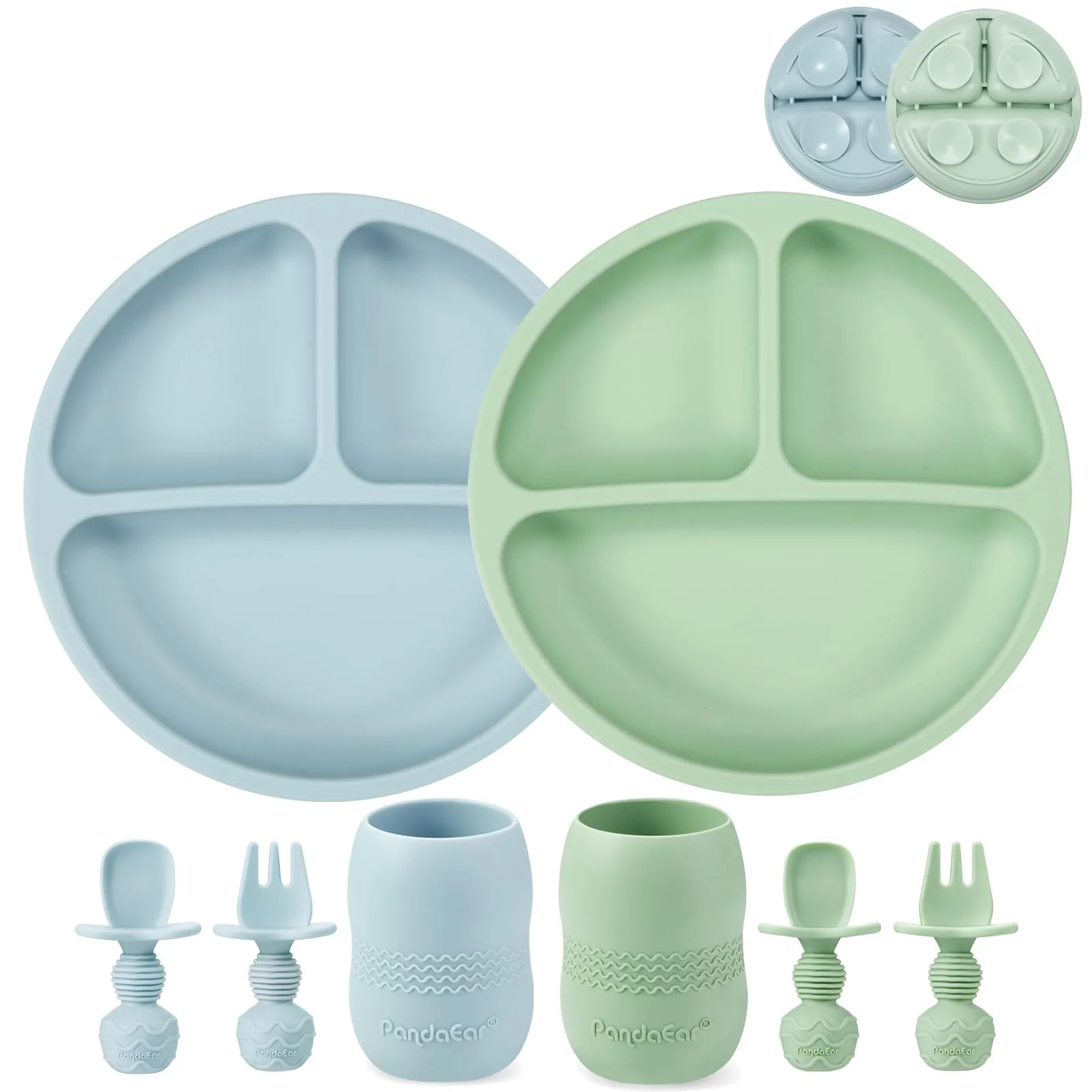
Introducing solid foods is a major milestone in your baby's development, often starting around six months of age. It marks the beginning of a lifelong relationship with food, textures, and independent eating. However, this transition can be messy, confusing, and sometimes stressful for both parents and babies. Choosing the right dinnerware set can make all the difference, turning mealtime into a positive experience that encourages self-feeding and exploration.
In this guide, we'll walk you through everything you need to know about introducing solid foods, from recognizing readiness signs to selecting the best baby https://terracradle.shop/products/feeding-set-120851https://terracradle.shop/products/feeding-set-120896https://terracradle.shop/products/feeding-set-120898https://terracradle.shop/products/feeding-set-120899feeding set. We'll also highlight key features to look for in weaning plates and utensils, and share practical tips to make the process smoother. Whether you're a first-time parent or looking to refine your approach, this article will help you set the stage for healthy eating habits.
When and How to Start Introducing Solid Foods
The American Academy of Pediatrics recommends starting solids around six months, when most babies show signs of readiness. These signs include sitting up with minimal support, good head control, loss of the tongue-thrust reflex, and showing interest in food when others are eating. Starting too early can increase the risk of choking or digestive issues, while waiting too long may make it harder for your baby to accept new textures.
Begin with single-ingredient purees like mashed avocado, sweet potato, or iron-fortified baby cereal. Offer small amounts once a day, gradually increasing to two or three meals as your baby gets the hang of swallowing. Always introduce one new food at a time and wait three to five days before trying another to monitor for allergic reactions. Keep mealtimes calm and patient—your baby may need multiple exposures before accepting a new food.
- Start with soft, smooth textures and gradually move to mashed, lumpy, and finger foods.
- Use a shallow, soft-tipped spoon to avoid gum injury and make self-feeding easier.
- Let your baby explore food with their hands—it's a key part of sensory development.
Why the Right Dinnerware Set Matters for Baby-Led Weaning
Baby-led weaning (BLW) has become a popular approach where babies feed themselves from the start, skipping purees. This method encourages independence, fine motor skills, and a healthy relationship with food. However, it requires dinnerware that is safe, functional, and designed for little hands. A good baby feeding set should include a suction plate or bowl that sticks to the table, preventing frustrating spills and messes.
Silicone is the ideal material for weaning plates and utensils because it is soft, non-toxic, BPA-free, and gentle on gums. It also withstands high temperatures for sterilization and is dishwasher-safe for easy cleanup. Look for divided plates to keep different foods separate, which can help picky eaters feel more in control. The right dinnerware set not only makes feeding easier but also supports your baby's developmental milestones.
- Suction bases prevent tipping and reduce mess, giving your baby confidence to scoop food.
- Divided sections help introduce variety and prevent flavor mixing that may discourage eating.
- Soft silicone spoons and forks are gentle on gums and easy for tiny hands to grip.
Key Features to Look for in a Baby Feeding Set
When shopping for a baby feeding set, safety should be your top priority. Choose products made from food-grade silicone or stainless steel, free from BPA, phthalates, and lead. The set should be easy to clean—dishwasher-safe and sterilizable—to maintain hygiene. Ergonomic designs with easy-grip handles help babies learn to hold utensils, while shallow bowls and plates make it easier to scoop food.
Portability is another factor to consider if you eat out often. A compact feeding set with a lid or storage case keeps utensils and plates clean on the go. Some sets include a matching bib or placemat for a complete mealtime solution. For example, a well-designed silicone plate with suction and a divided compartment can be a game-changer for both BLW and traditional spoon-feeding. Investing in a quality set now can save you money and frustration in the long run.
- Look for deep sides on plates and bowls to help babies scoop food more easily.
- Choose utensils with short, thick handles that are easier for small hands to hold.
- Avoid ceramic or glass dinnerware for babies—they can break and cause injury.
Tips for a Smooth Transition to Solid Foods
Start by offering one or two foods at a time to avoid overwhelming your baby. Let them set the pace—if they turn away or close their mouth, they're full. Never force feed, as this can create negative associations with food. Use a calm, positive tone and make mealtime a social experience by eating together. Your baby learns by watching you, so model healthy eating habits.
Prepare for mess! Cover the floor with a washable mat or newspaper, and dress your baby in a bib with a catch pocket. Keep wipes or a damp cloth handy for quick cleanups. As your baby becomes more skilled, gradually introduce utensils from their feeding set. Start by pre-loading the spoon and handing it to them, then let them try to scoop on their own. Patience and practice are key—every baby develops at their own pace.
- Offer a variety of textures and flavors early to reduce pickiness later.
- Use a divided plate to present different foods without them touching, if your baby prefers.
- Stay calm if your baby rejects a food—try again in a few days with a different presentation.
Must-Have Products for Your Baby's First Feeding Journey
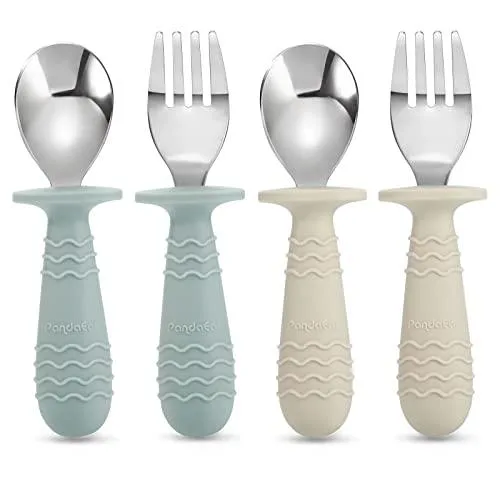
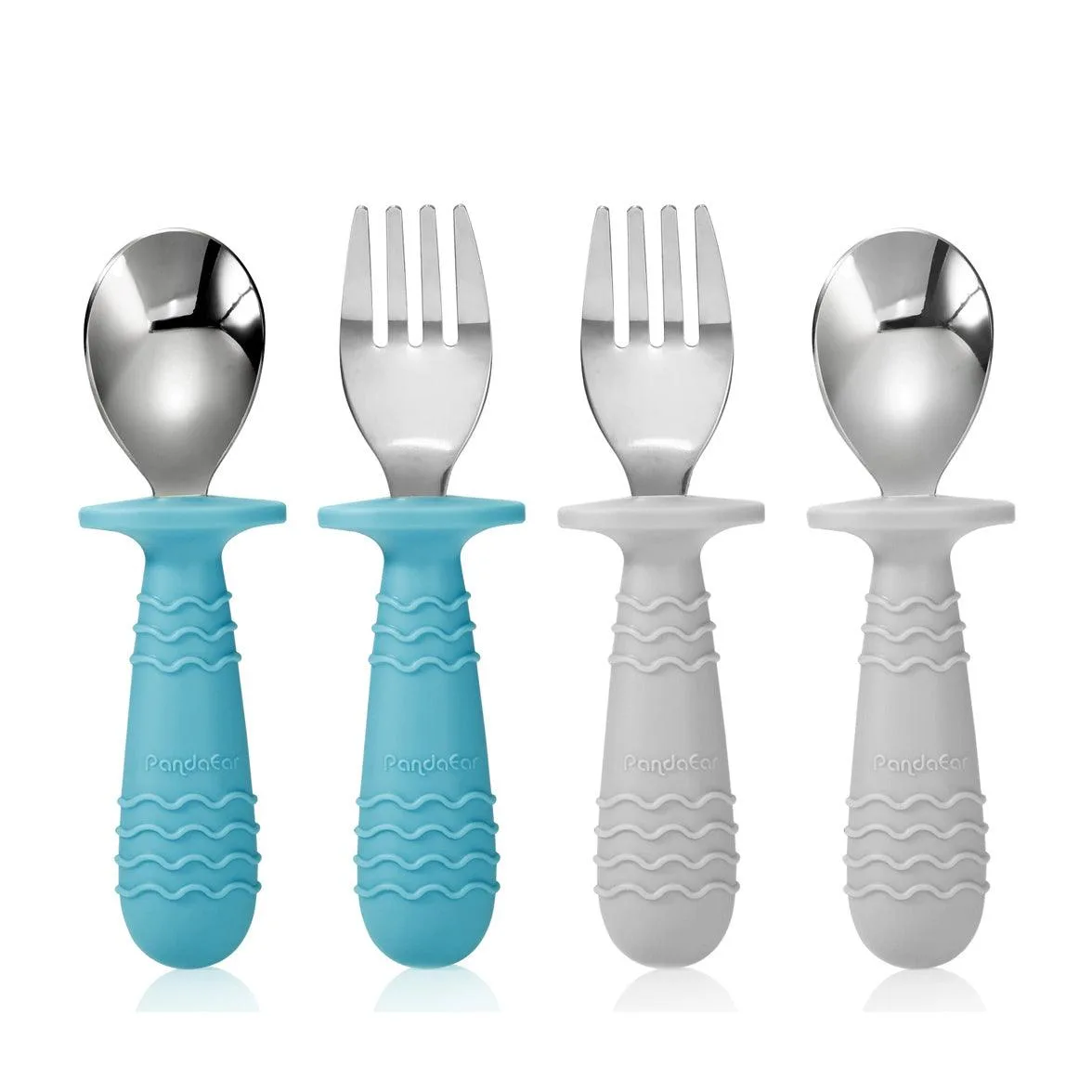
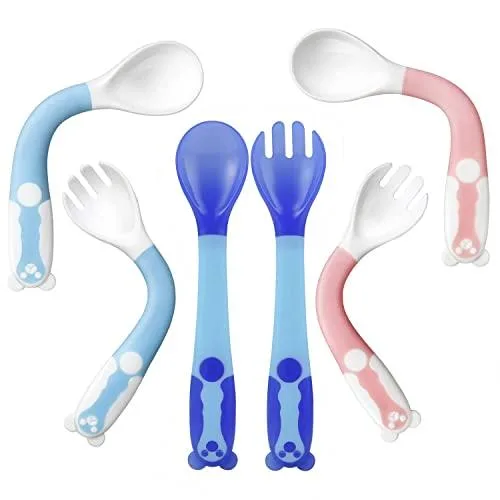
To make the introduction to solids as smooth as possible, having the right tools is essential. A high-quality baby feeding set should include a suction plate, a soft-tipped spoon, and a small fork. Many parents find that a set with a divided plate helps with portion control and variety. For example, the Feeding Set from PandaEar offers a complete solution with a silicone plate, spoon, and fork designed for little hands.
Another helpful product is the Snack Containers (2 Pack), which are perfect for storing homemade purees or snacks on the go. These containers are leak-proof, portable, and made from safe silicone. Having dedicated food storage helps you prepare meals in advance and reduces waste. Pair these with a good bib and a mat to keep your feeding area clean, and you'll be well-equipped for the messy but rewarding journey of introducing solids.
- Choose a feeding set that grows with your baby—from purees to finger foods to self-feeding.
- Use snack containers to portion out meals for the day or for outings.
- Invest in a suction plate to minimize spills and encourage independent eating.
Introducing solid foods is an exciting time for both you and your baby, and the right dinnerware set can make all the difference. By choosing safe, functional, and baby-friendly products, you set the stage for positive mealtime experiences and healthy eating habits. Explore our collection of baby feeding essentials, including the Feeding Set, to find the perfect tools for your little one's first food adventures. Start your journey today and make every meal a joyful milestone.