Quick answer
Don't force the weighted buddy on your child. Leave it in their space, let them explore it on their own terms, and model using it yourself. Start with short, low-demand moments—like sitting together during storytime—and let the plush become a familiar background object before you suggest cuddling it. If your child continues to resist, respect that and try again another day.
Why a child might refuse a weighted plush
Resistance is rarely about the toy itself. A child may feel overwhelmed by the extra weight, dislike the texture, or simply need time to warm up to something new. For some kids, the pressure of being told 'this will help you calm down' feels like a demand they want to resist. Others may be sensitive to the temperature or the way the plush sits against their body. Understanding the reason—sensory, emotional, or just unfamiliarity—helps you choose the right approach. If your child is anxious, a weighted buddy can feel like a big commitment; they might worry it won't work or that they'll be asked to use it every time they're upset.
Set up a low-pressure introduction
Place the weighted buddy in a common area, like the couch or their bed, without mentioning it. Let your child discover it naturally. You can also use it yourself—rest it on your lap while reading or watching TV—so they see it as a normal part of the environment. Avoid saying 'this is for your anxiety' or 'try this to feel better.' Instead, comment on how soft it is or how nice it feels to hold. If they ask about it, keep your answer simple: 'It's a cozy friend I like to sit with.' This takes the pressure off and makes the plush feel like a choice, not a treatment.
Offer choices and control
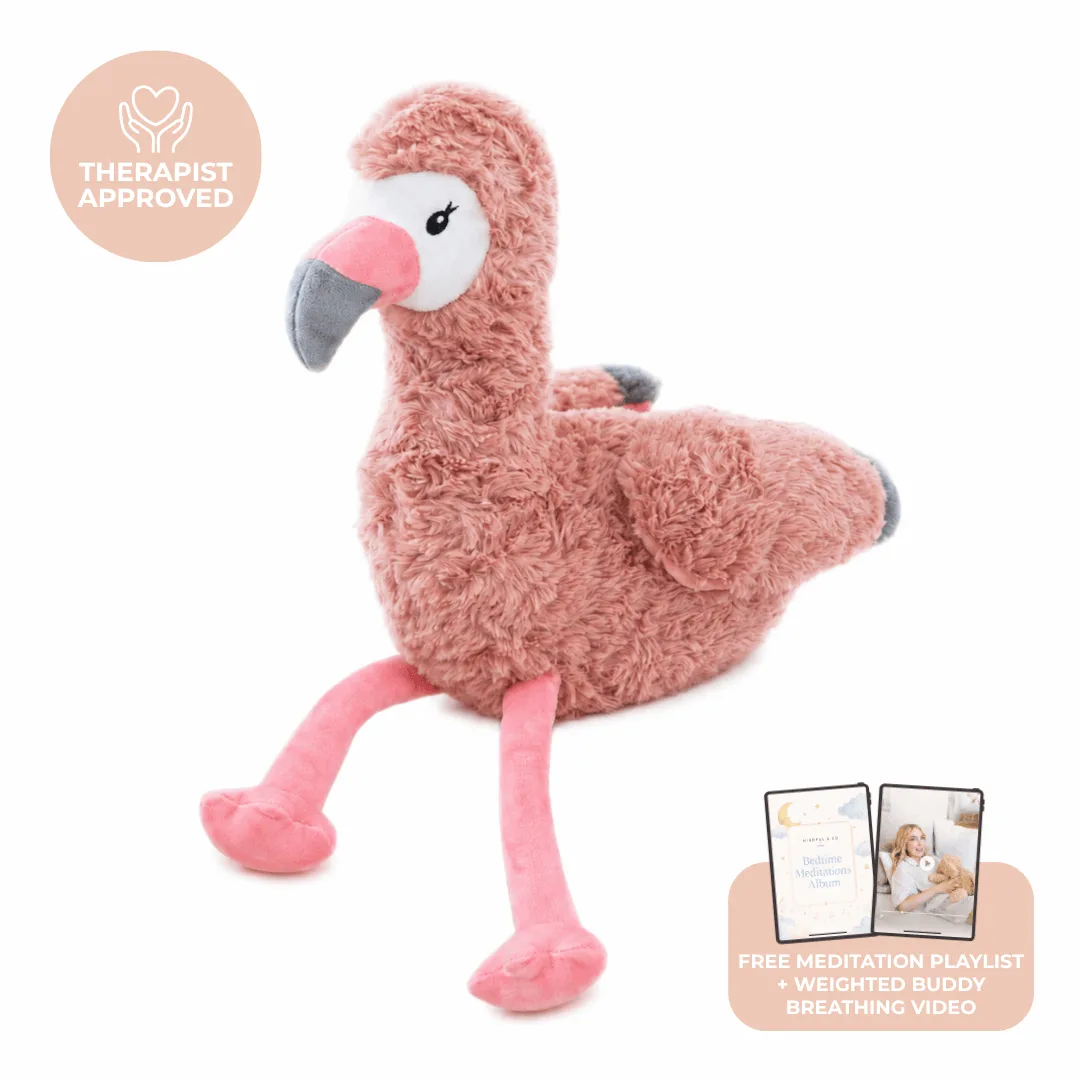
When your child shows curiosity, let them lead. Ask if they want to hold it, but make it easy to say no. You could say, 'Would you like to feel how soft this is?' and hold it out. If they decline, simply put it back and move on. If they accept, let them decide how to interact—maybe they just touch it, or place it next to them. All Weighted Buddies weigh the same at 1.5 kg, so if you have more than one, your child can pick the character they prefer. Francesca The Weighted Flamingo and Pickles The Weighted Cat are both made for ages 3+ and can be warmed or cooled for extra sensory comfort, which gives you another way to customize the experience.
Build a routine around the buddy
Once your child tolerates the plush nearby, tie it to an existing routine. For example, bring it out only during bedtime stories or quiet time after school. Keep the sessions short—five to ten minutes—and let your child choose whether to hold it or just have it on the bed. Over time, the weighted buddy becomes associated with calm, predictable moments. If your child is anxious, the steady weight can provide reassurance, but only if they're not forced. Pair the buddy with other calming tools, like the Self-Regulation Toolkit, which offers digital activities you can do together. The toolkit gives you scripts and exercises that make the plush part of a broader coping strategy rather than a standalone fix.
Step-by-step: Introducing a weighted buddy without pressure
- Step 1: Observe without offering: Place the weighted buddy in a visible, neutral spot. Don't mention it or encourage your child to use it. Let them notice it on their own. This removes any sense of demand. Checkpoint: If your child ignores it for a few days, that's okay. Move to the next step only when they show curiosity.
- Step 2: Model use yourself: Sit with the buddy on your lap while you read or relax. Comment on how comfortable it feels, but don't suggest your child try it. Children often want what they see adults enjoying. Mistake to avoid: Don't say 'See? It's nice. You should try it.' That turns it into a directive.
- Step 3: Offer a low-stakes touch: Hold the buddy out and ask if they want to feel it. Accept no for an answer immediately. If they touch it, don't make a big deal—just smile and continue what you were doing. Checkpoint: Success is any neutral or positive interaction, even a brief touch.
- Step 4: Let them choose the character: If you have multiple Weighted Buddies, let your child pick which one they prefer. All weigh 1.5 kg, so the choice is purely about connection. Francesca The Weighted Flamingo or Pickles The Weighted Cat may appeal to different kids. Mistake to avoid: Don't steer them toward the one you think is 'best.' Their choice builds ownership.
- Step 5: Pair with a calming routine: Use the buddy only during a predictable, calm activity like bedtime stories or quiet time. Keep it short and consistent. Over time, the plush becomes a cue for relaxation. Checkpoint: If your child starts to associate the buddy with calm, you can gradually extend the time.
- Step 6: Add structured support if needed: If your child remains resistant, introduce the Self-Regulation Toolkit alongside the buddy. The toolkit's digital activities can make the plush feel like part of a game or lesson, reducing pressure. Next step: If resistance continues after several weeks, consult an occupational therapist for personalized sensory strategies.
Products that support a gentle introduction
- Weighted Buddy + Self-Regulation Toolkit: Combine the Self-Regulation Toolkit with a Weighted Buddy to create a soothing mindfulness routine your child will love. The toolkit provides structured activities that can make the weighted buddy feel like part of a game or routine, lowering resistance.
- Francesca The Weighted Flamingo: Francesca The Weighted Flamingo is a soft weighted flamingo made to bring a little extra comfort to big feelings, quiet moments and everyday cuddles. A friendly, colorful character can be less intimidating than a generic plush, making it easier for a resistant child to warm up.
- Pickles The Weighted Cat: Pickles The Weighted Cat is a cuddly weighted cat made for cozy moments, comforting squeezes and staying close when your child needs a little extra reassurance. If your child prefers cats, this option gives them a sense of ownership and choice, which can reduce refusal.