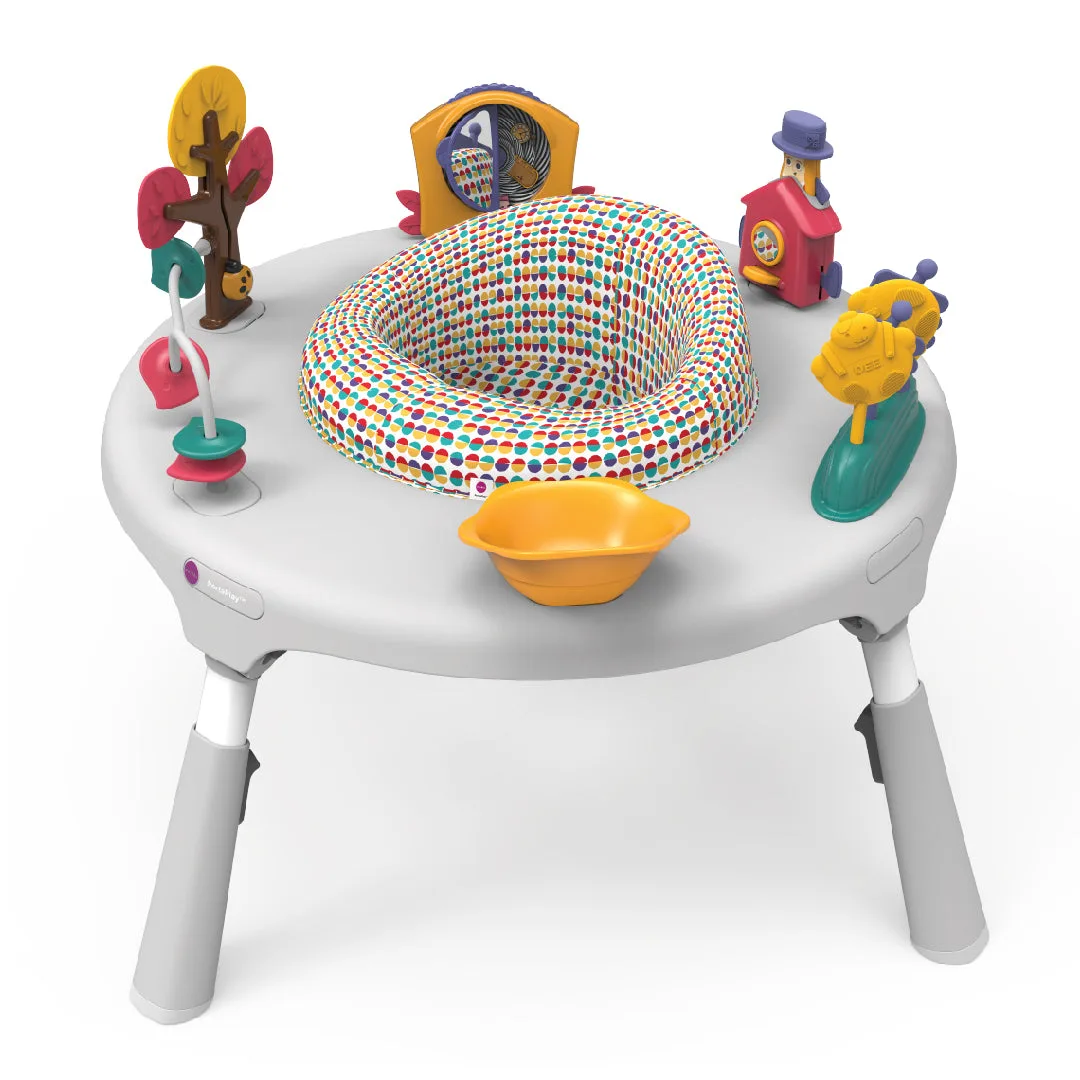
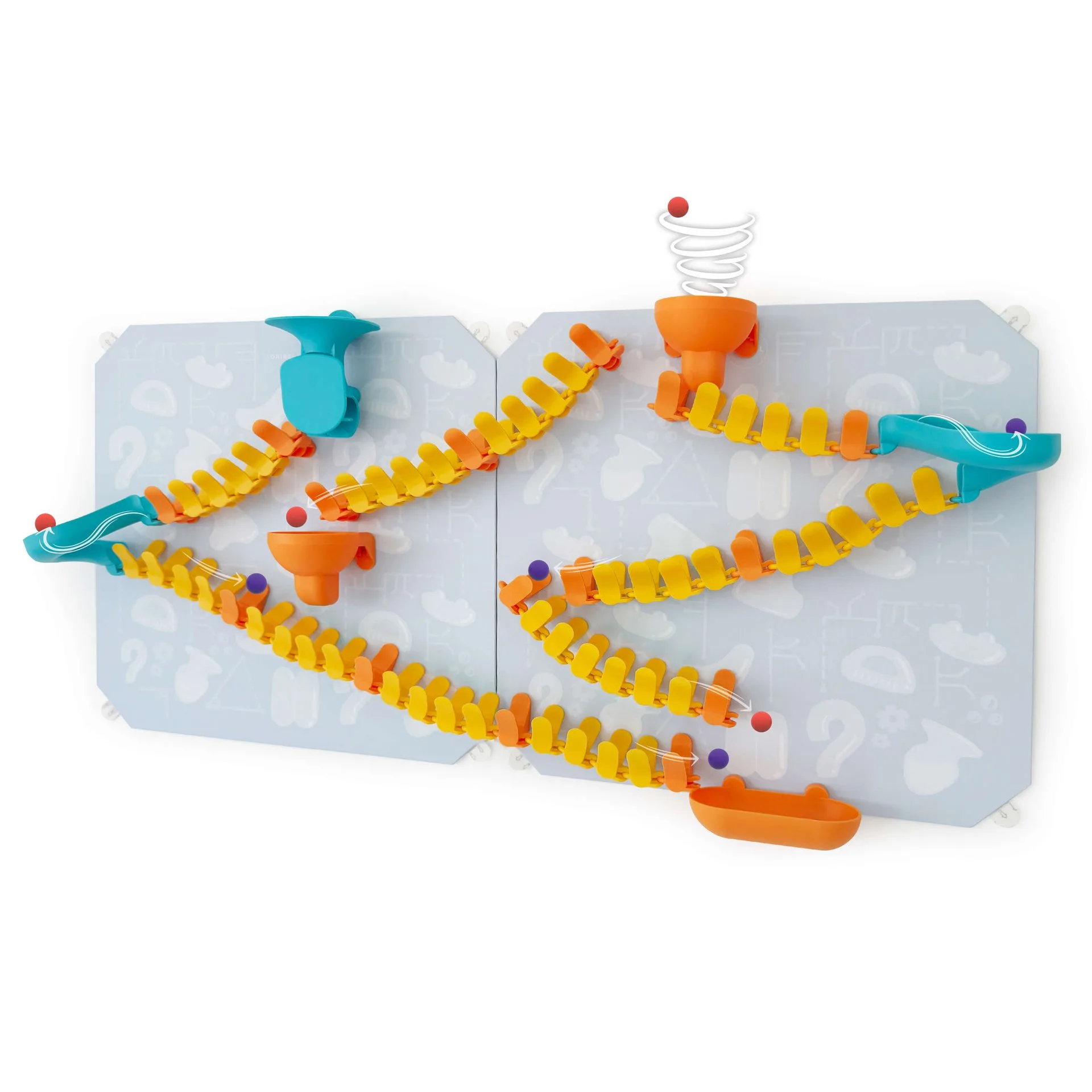
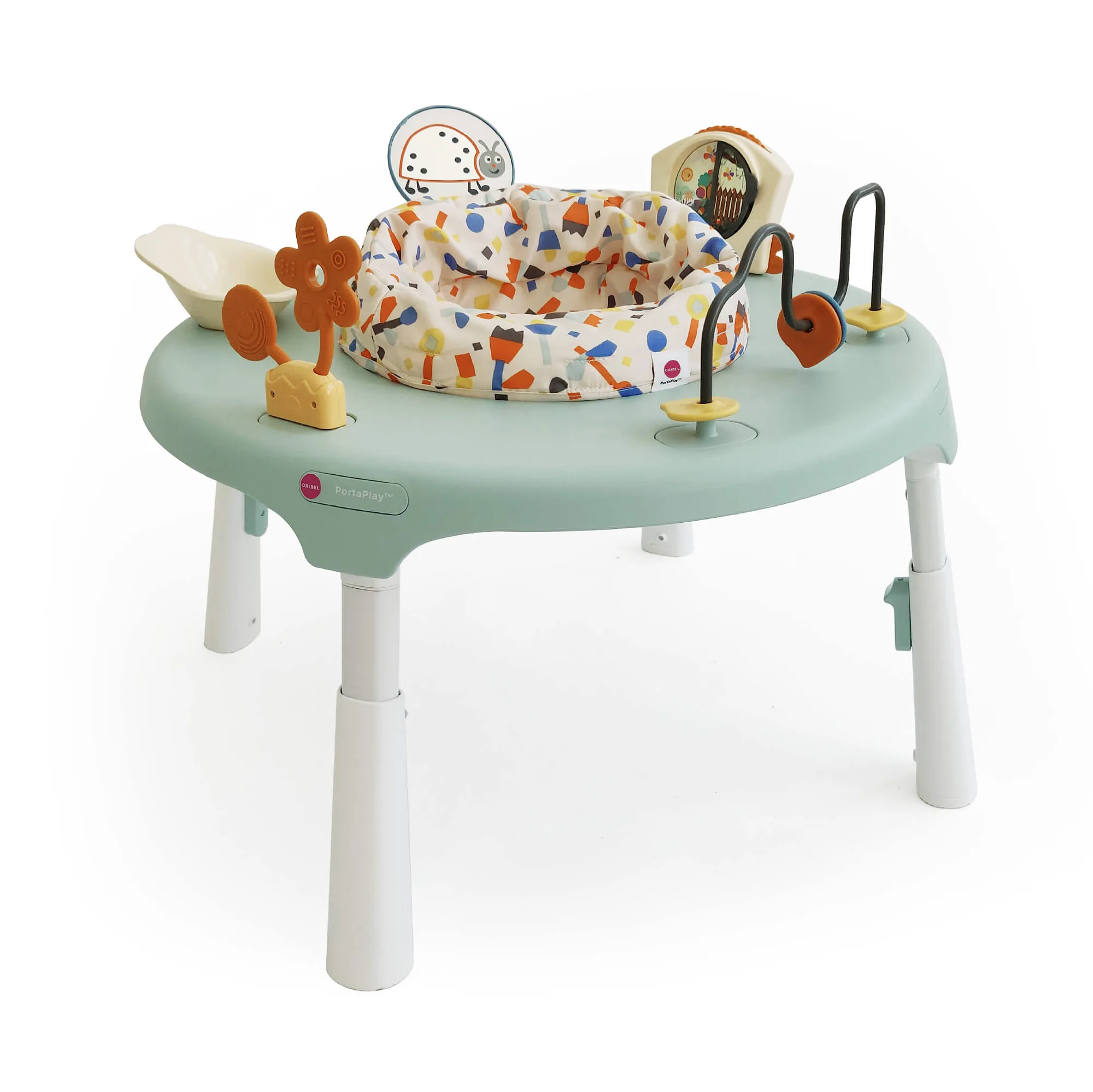
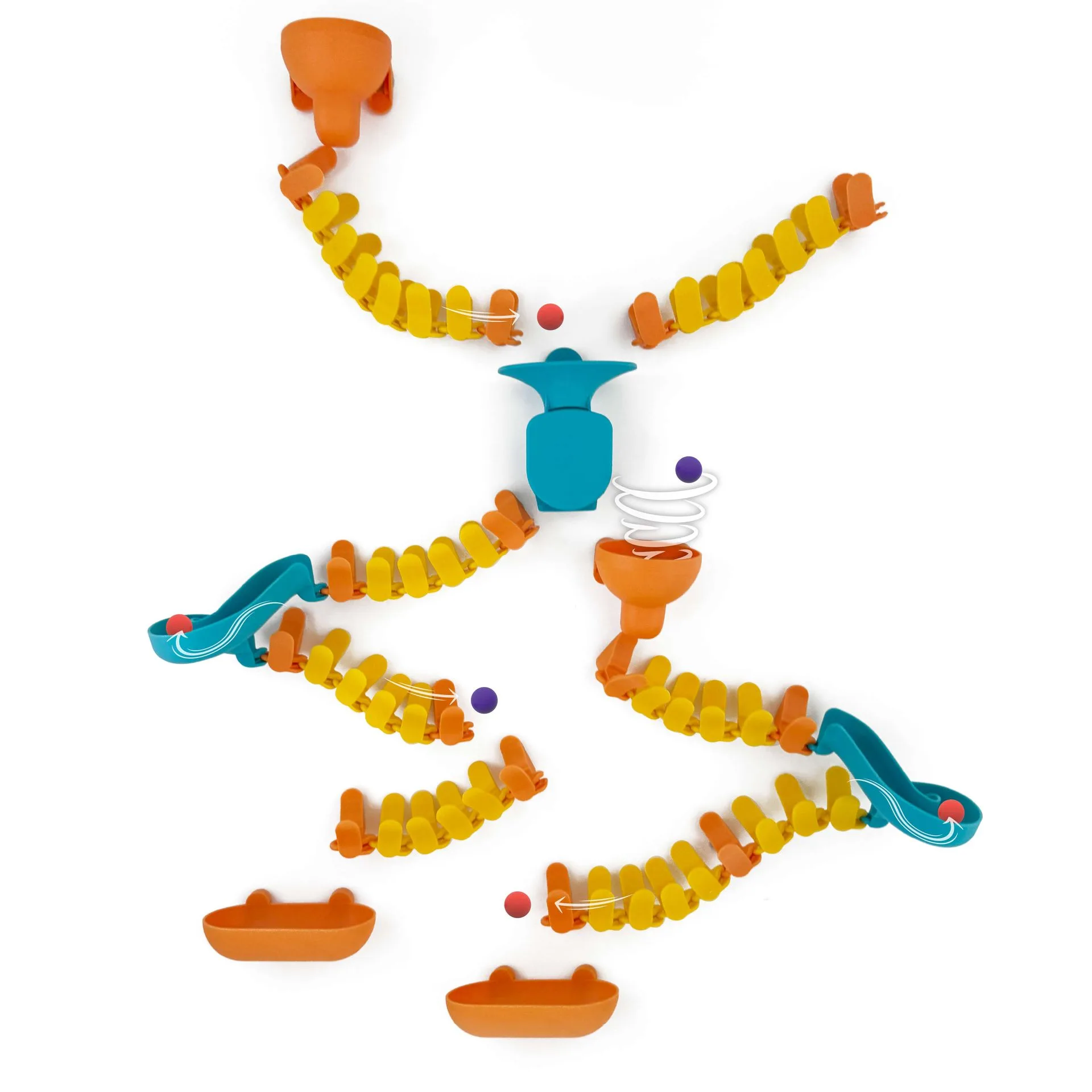
Wall toys are a fantastic way to engage your baby's curiosity and support their development without cluttering the floor. Unlike traditional toys that get lost under furniture or stepped on, wall-mounted play stations offer a dedicated, interactive space that encourages reaching, grasping, and problem-solving. Whether you're a new parent looking to maximize your nursery or a seasoned caregiver wanting to add a fresh element to playtime, introducing wall toys can be a game-changer.
In this guide, we'll walk you through everything you need to know about introducing your baby to wall toys—from choosing the right age and location to installation and play tips. We'll also highlight some popular VertiPlay options that make the process easy and fun. By the end, you'll feel confident creating a wall toy setup that grows with your child.
Why Choose Wall Toys for Your Baby?
Wall toys offer unique benefits that floor toys simply can't match. They keep play areas tidy, reduce tripping hazards, and encourage babies to practice standing, reaching, and balancing. For infants who are just learning to sit or pull up, wall toys provide a stable surface to explore textures, sounds, and movements. They also promote vertical play, which helps develop spatial awareness and fine motor skills.
Another advantage is that wall toys can be easily rotated or repositioned to keep your baby engaged. Unlike bulky play mats or activity centers, wall toys take up zero floor space, making them ideal for small apartments or shared rooms. Plus, they often feature multiple activities in one compact unit, providing hours of entertainment without the mess.
- Encourages standing and cruising in early walkers
- Saves floor space and reduces clutter
- Promotes cause-and-effect learning through interactive elements
When Is the Right Time to Introduce Wall Toys?
Most babies can start exploring wall toys around 6 to 9 months of age, when they begin sitting independently and reaching for objects. At this stage, they are naturally curious about things at eye level and will enjoy swatting, pulling, or spinning elements. However, always supervise your baby during play, as wall toys are designed for interactive use, not as a substitute for your attention.
For younger infants (4-6 months), consider mounting wall toys at a lower height so they can explore while lying on their tummy or sitting supported. As your baby grows and starts pulling up to stand, you can gradually raise the toys to encourage reaching and balancing. The key is to follow your baby's cues and adjust the height accordingly.
- Start at 6-9 months when baby sits independently
- Lower the toy for tummy time exploration
- Raise height as baby begins to pull up
Choosing the Perfect Wall Toy for Your Baby
When selecting a wall toy, consider your baby's current developmental stage and interests. For sensory exploration, look for toys with different textures, sounds, and moving parts. The VertiPlay Wall Toy: Busy Woodpecker is a wonderful choice for little hands—it features a sliding bird that pecks along a track, encouraging hand-eye coordination and cause-and-effect learning. Another engaging option is the VertiPlay Wall Toy: Roarry Door Knocker, which lets babies practice knocking and hearing a friendly roar, building motor skills and auditory awareness.
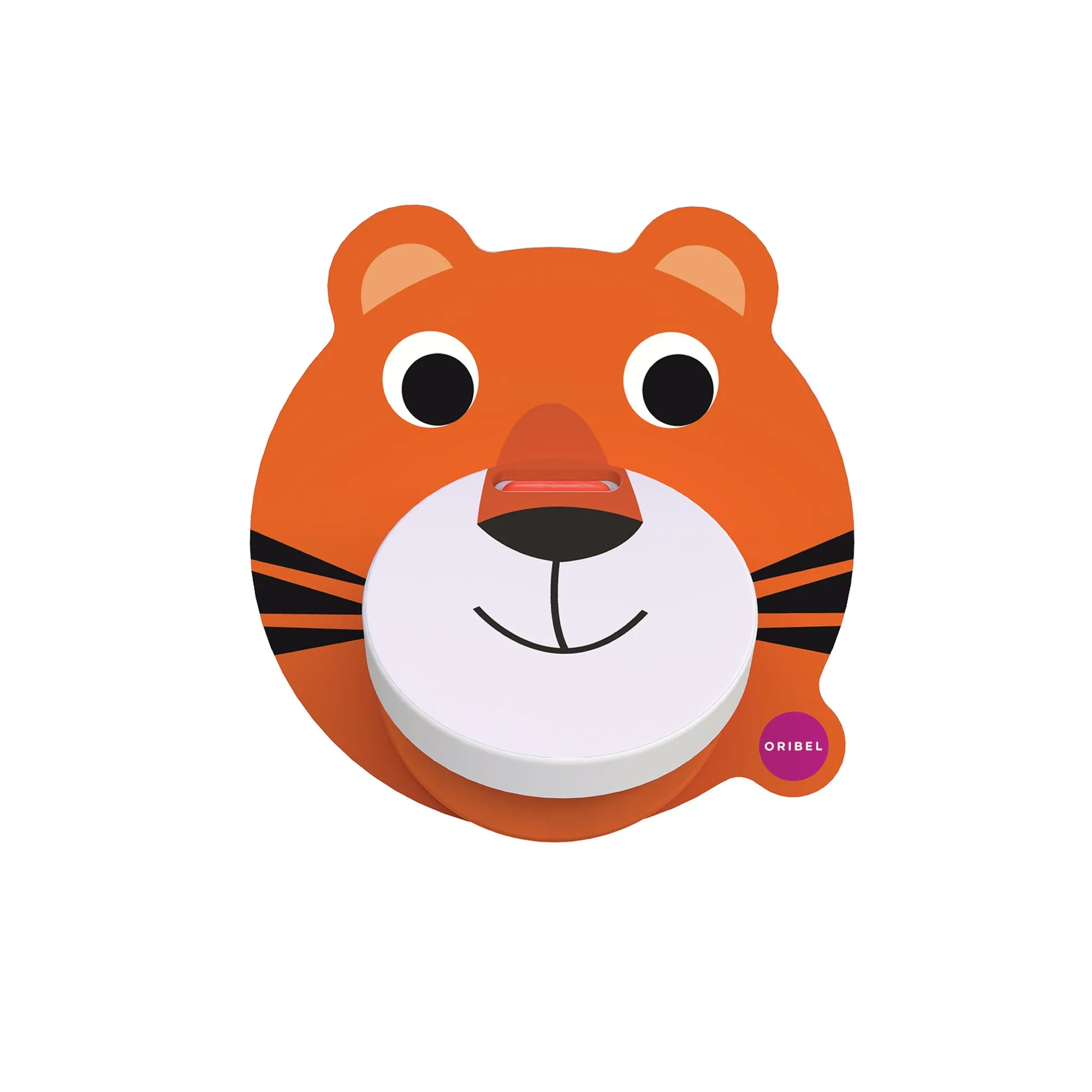
VertiPlay Wall Toy: Roarry Door Knocker
If you have older toddlers (12+ months), you might consider a more complex setup like the VertiPlay Forest Fun Combo, which combines multiple activities in one unit. This allows for extended play and can be mounted at different heights to accommodate growing children. Always check the recommended age range on the product description to ensure safety and appropriate challenge level.
- Look for toys with varied textures and sounds
- Choose age-appropriate complexity
- Consider combo sets for longer engagement
Step-by-Step Installation Tips for Wall Toys
Installing wall toys is straightforward, but proper placement is crucial for safety and enjoyment. First, choose a wall that is free of obstacles and at a height where your baby can comfortably reach the toy while sitting or standing. Use a level to ensure the toy is straight, and mark the mounting holes with a pencil. Most VertiPlay toys come with mounting hardware, but you may need a drill and wall anchors for drywall or plaster.
Before drilling, double-check that there are no electrical wires or pipes behind the wall. Once mounted, give the toy a gentle tug to ensure it's secure. For babies who are still unsteady, consider mounting the toy slightly lower so they can explore while seated. As your child grows, you can easily reposition the toy by unscrewing and moving it to a new height.
- Always use a level for straight mounting
- Check for hidden wires or pipes before drilling
- Test stability before letting baby play
How to Engage Your Baby with Wall Toys
Introduce the wall toy by showing your baby how each part works. Gently guide their hand to spin a wheel, slide a bead, or press a button. Use enthusiastic language like 'Look, the bird is pecking!' to build excitement. Over time, your baby will learn to initiate these actions on their own, which boosts confidence and problem-solving skills.
Rotate the toy's position every few weeks to maintain novelty. You can also pair wall play with other activities, such as reading a book or singing a song, to create a richer learning experience. Remember, the goal is to let your baby lead the play—resist the urge to over-direct. Simply sit nearby and offer encouragement as they explore.
- Demonstrate each action slowly
- Use descriptive language to build vocabulary
- Rotate toys to keep interest fresh
Safety Considerations for Wall Toy Play
Safety is paramount when introducing any new toy. Ensure the wall toy is mounted securely and that all small parts are firmly attached. Regularly inspect the toy for loose screws, cracks, or wear. If your baby is still mouthing objects, choose wall toys made from non-toxic materials and avoid those with small detachable parts.
Always supervise your baby during play, especially if they are learning to stand or cruise near the toy. Keep the surrounding floor clear of tripping hazards, and consider adding a soft mat underneath for extra cushioning. The Splat Mat is perfect for catching spills or providing a soft landing area near the play zone.
- Check for loose parts regularly
- Supervise babies who are new to standing
- Use a soft mat underneath for safety
Introducing your baby to wall toys is a simple, rewarding way to support their development while keeping your home organized. By choosing the right toy, installing it safely, and engaging with your little one during play, you'll create a stimulating environment that grows with them. Ready to get started? Explore the VertiPlay collection to find the perfect wall toy for your baby's first vertical adventure.