Introducing your dog to a backpack can open up a world of adventure, allowing your furry friend to carry their own water, treats, and gear on hikes. However, not all dogs take to wearing a pack naturally. With patience and positive reinforcement, you can help your dog feel comfortable and even excited about their new backpack.
In this guide, we'll walk you through a step-by-step training process, from initial desensitization to full-on trail readiness. Whether you're planning a day hike or a weekend camping trip, these tips will ensure your dog is happy and safe while carrying their load.
Why Use a Dog Backpack?
Dog backpacks are more than just a fashion statement. They allow your dog to carry their own essentials, reducing the weight on your back and giving your dog a job to do. Many dogs thrive when they have a purpose, and carrying a pack can provide mental stimulation and increase their confidence on the trail.
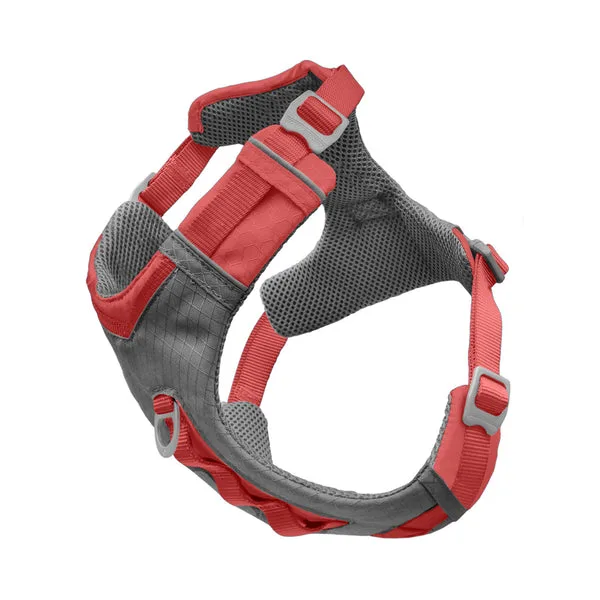
A well-fitted backpack distributes weight evenly, preventing strain on your dog's back. For example, the https://roverpawsai.shop/products/journey-air-dog-harness-292387https://roverpawsai.shop/products/journey-air-dog-harness-292444https://roverpawsai.shop/products/journey-air-dog-harness-292446https://roverpawsai.shop/products/journey-air-dog-harness-292447Journey Air Dog Harness doubles as a lightweight pack, offering breathable mesh and a secure fit. It's an excellent choice for dogs new to carrying gear.
- Carrying their own water and treats lightens your load.
- Provides mental stimulation and a sense of purpose.
- Strengthens the bond between you and your dog.
Step 1: Choose the Right Backpack
Before training begins, ensure you have a backpack that fits your dog properly. A poorly fitting pack can cause chafing or discomfort, making training much harder. Measure your dog's girth (chest circumference) and weight to select the correct size.
Kurgo offers a range of harnesses and packs designed for different needs. The Tru-Fit Smart Dog Walking Harness is a versatile option that can be used for walking and later upgraded with pack attachments. For a dedicated backpack, consider the Journey Air Dog Harness, which is lightweight and breathable for active dogs.
- Measure your dog's chest and weight before purchasing.
- Look for adjustable straps and padded panels for comfort.
- Start with a lightweight pack to avoid overwhelming your dog.
Step 2: Desensitization and Positive Association
Begin by letting your dog sniff and investigate the backpack while it's empty. Place it on the floor and reward your dog with treats for showing interest. This builds a positive association with the pack.
Next, introduce the backpack gradually. Start by placing it on your dog's back for just a few seconds, then remove it and reward generously. Repeat this several times, gradually increasing the duration. Always use high-value treats and a happy tone to keep the experience positive.
- Use treats like the Go Stuff It Treat Bag for easy access during training.
- Keep sessions short (5-10 minutes) to prevent boredom or stress.
- Never force the backpack on; let your dog approach it willingly.
Step 3: Practice Indoors and in the Yard
Once your dog is comfortable wearing the empty backpack indoors, take the training outside. Start in a familiar, low-distraction area like your backyard. Let your dog walk around with the pack on, rewarding calm behavior.
Gradually increase the duration and add light distractions. You can also practice basic commands like sit, stay, and come while wearing the pack. This helps your dog learn to move naturally with the added weight.
- Keep the pack empty at first to avoid overloading.
- Use gentle leash guidance to encourage normal movement.
- Practice in short bursts, ending on a positive note.
Step 4: Add Weight Gradually
When your dog is comfortable with the empty pack, start adding small amounts of weight. Begin with lightweight items like a small water bottle or a few treats. The general rule is to keep the load under 10-15% of your dog's body weight, but start with much less.
Place items evenly on both sides of the pack to maintain balance. As your dog adapts, you can gradually increase the weight over several sessions. Always monitor your dog for signs of fatigue or discomfort.
For hikes, consider packing essentials like the Zippy Bowl for water breaks and the Gourd Water Bottle & Bowl for easy hydration on the go.
- Start with 2-5% of body weight and increase slowly.
- Balance the load to prevent muscle strain.
- Watch for limping, excessive panting, or reluctance to move.
Step 5: Take Short Walks and Hikes
Once your dog is comfortable with weight, take short walks around your neighborhood. Keep the distance short and the pace easy. Gradually extend the distance as your dog builds stamina.
When you're ready for trails, choose a flat, easy path for the first hike. Bring plenty of water and take frequent breaks. Remember, the pack adds extra work for your dog, so be mindful of their energy levels.
For water adventures, the Surf N Turf Dog Life Jacket is a great safety addition if your hike includes swimming.
- Start with 15-20 minute walks and build up.
- Bring water and offer it regularly.
- Avoid hot days; dogs overheat faster with a pack.
Step 6: Troubleshooting Common Issues
Some dogs may resist wearing a backpack. If your dog tries to roll on it, rubs against furniture, or refuses to move, go back a step. Reassess the fit and make sure the pack is not too heavy or uncomfortable.
If your dog is anxious, use calming techniques and more treats. You can also try the RSG Active Utility Belt, which attaches to your waist and distributes some of the pack's weight, or simply take a break and try again later.
- Check for chafing or rubbing marks after each session.
- Adjust straps to ensure a snug but comfortable fit.
- Never punish your dog for resistance; patience is key.
Introducing your dog to a backpack is a rewarding process that enhances your outdoor adventures together. With patience, positive reinforcement, and the right gear, your dog will soon be eager to hit the trail with their own pack. Start with a quality harness like the Journey Air Dog Harness and follow these steps for a smooth transition.