Quick answer
If your wood phone case feels slippery, the quickest fix is to add grip tape or a textured skin to the sides and back. For a more permanent solution, consider a live edge case with natural wood texture or a case with a rubber shell that offers better grip. Start with the least invasive option and test before upgrading.
A wood phone case adds warmth and character, but the smooth resin finish can feel slick in your hand. You might find yourself gripping tighter or worrying about drops. The good news: you don't have to sacrifice style for security.
We'll walk through the likely causes of a slippery case, then give you practical, step-by-step fixes—from cheap grip tape to switching to a case with a more tactile finish. You'll know exactly when to stop troubleshooting and when to choose a different case.
Why Wood Cases Feel Slippery
Most wood phone cases are sealed with resin or a smooth finish to protect the wood. That glossy surface looks great but offers little friction, especially if your hands are dry or slightly oily. The result is a case that slides in your palm or on a table.
The shape also matters. Cases with flat, straight sides give your fingers less to hold onto. If your case is smooth on the back and sides, you're more likely to experience slipping. Understanding this helps you choose the right fix.
- Smooth resin finish reduces natural grip
- Flat sides offer less surface friction
- Hand moisture or dryness can increase slipperiness
Quick Fixes: Grip Tape and Textured Skins
Grip tape is the fastest, cheapest solution. You can buy a roll of clear or patterned grip tape, cut it to fit the sides or back of your case, and apply it in minutes. It adds texture without adding bulk, and it's removable if you change your mind.
Textured skins—like those made from silicone or TPU—stick to the back of your case and provide a soft-touch surface. They come in various patterns and can be trimmed to fit your exact case. This option works well if you want to keep the wood look but add grip.
- Clean the case surface before applying grip tape
- Apply tape to the sides for better handling
- Test the grip before committing to a permanent solution
Upgrade to a Case with Built-In Grip
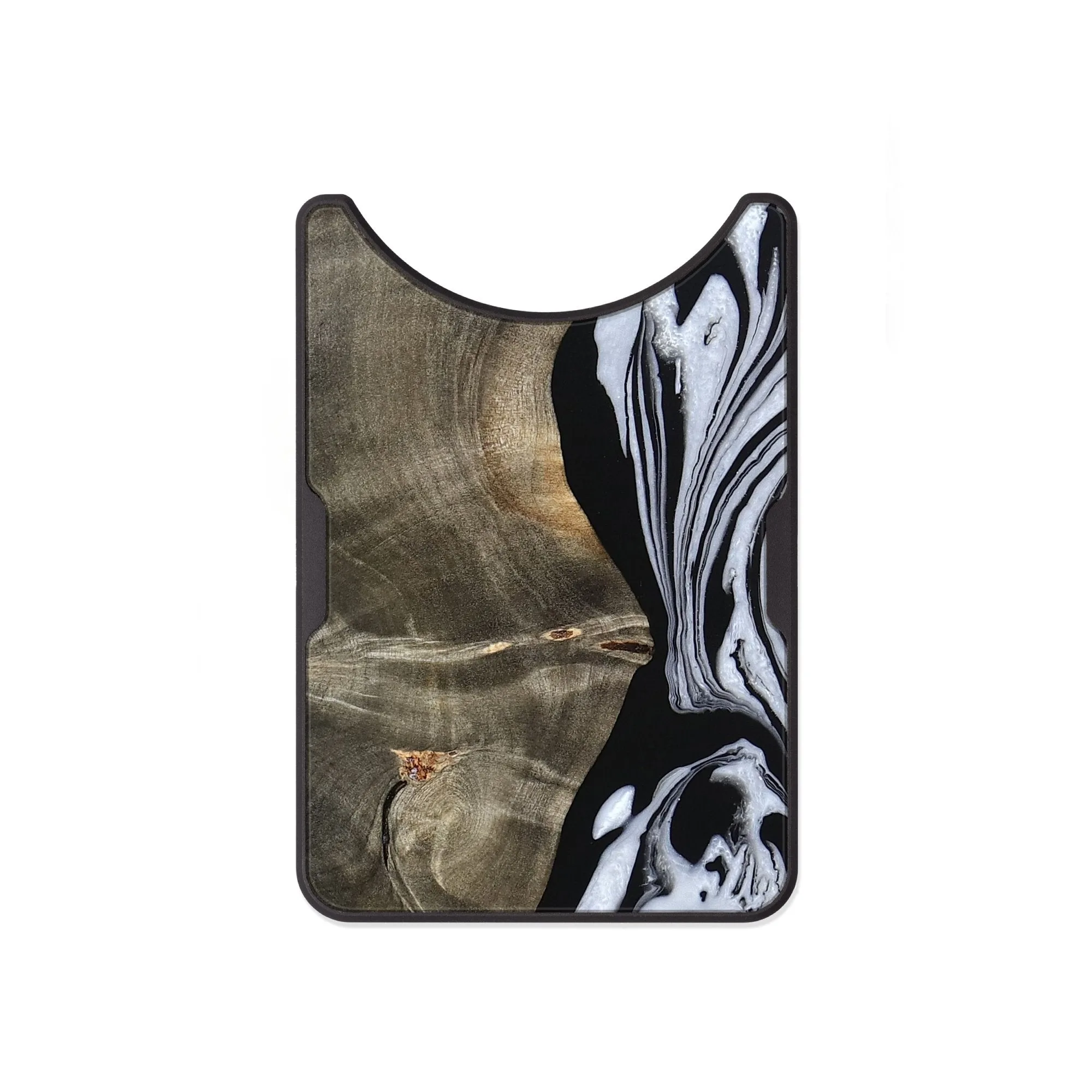
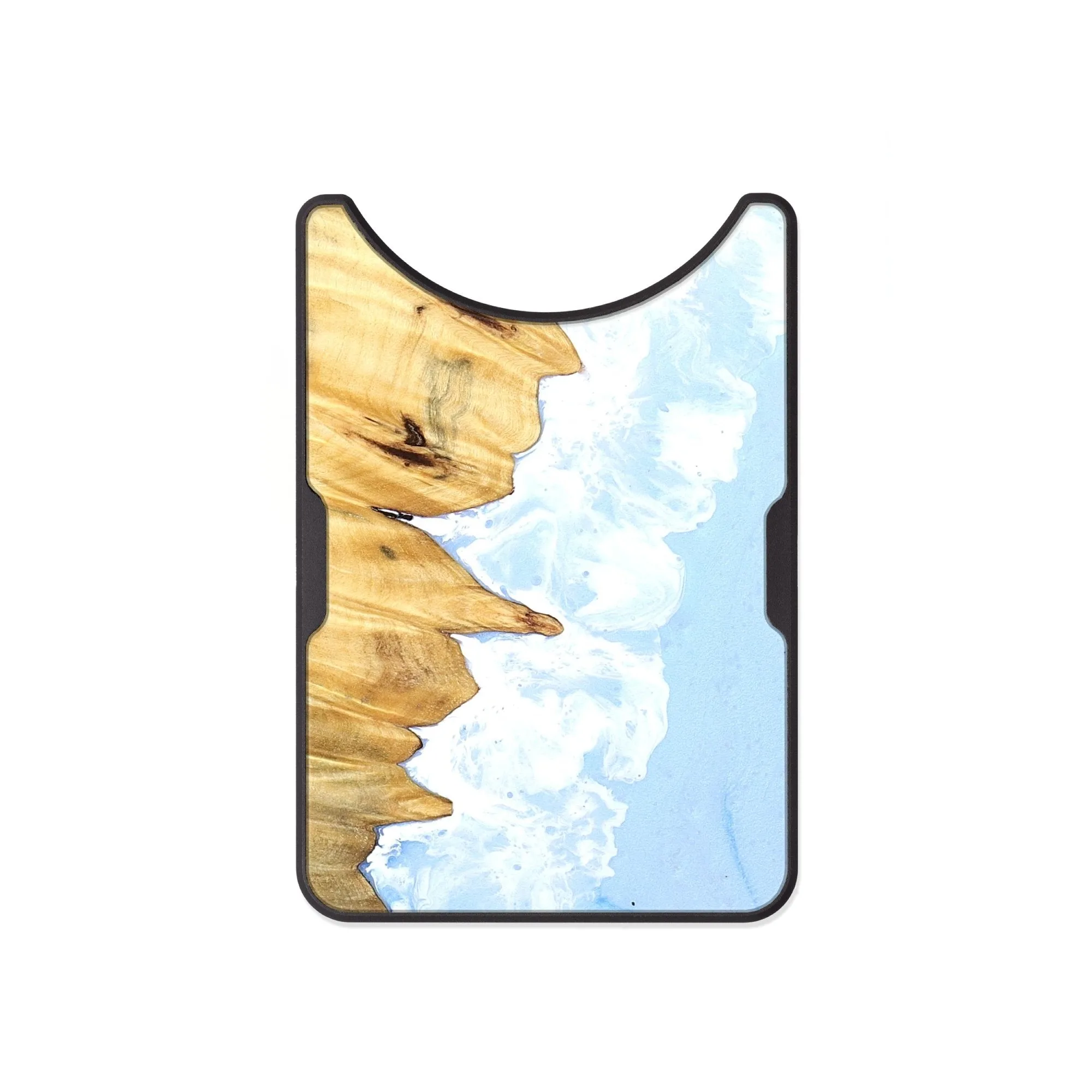
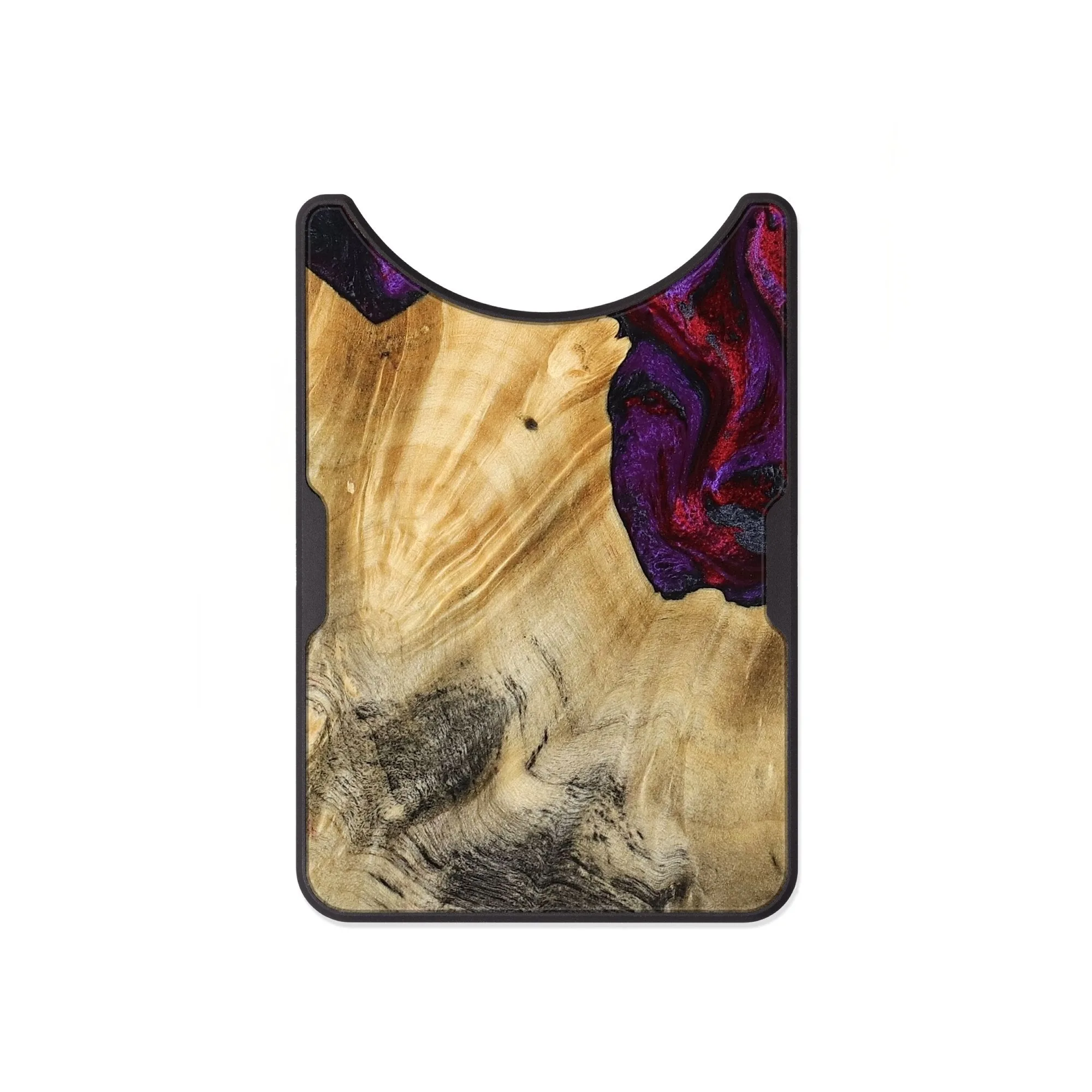
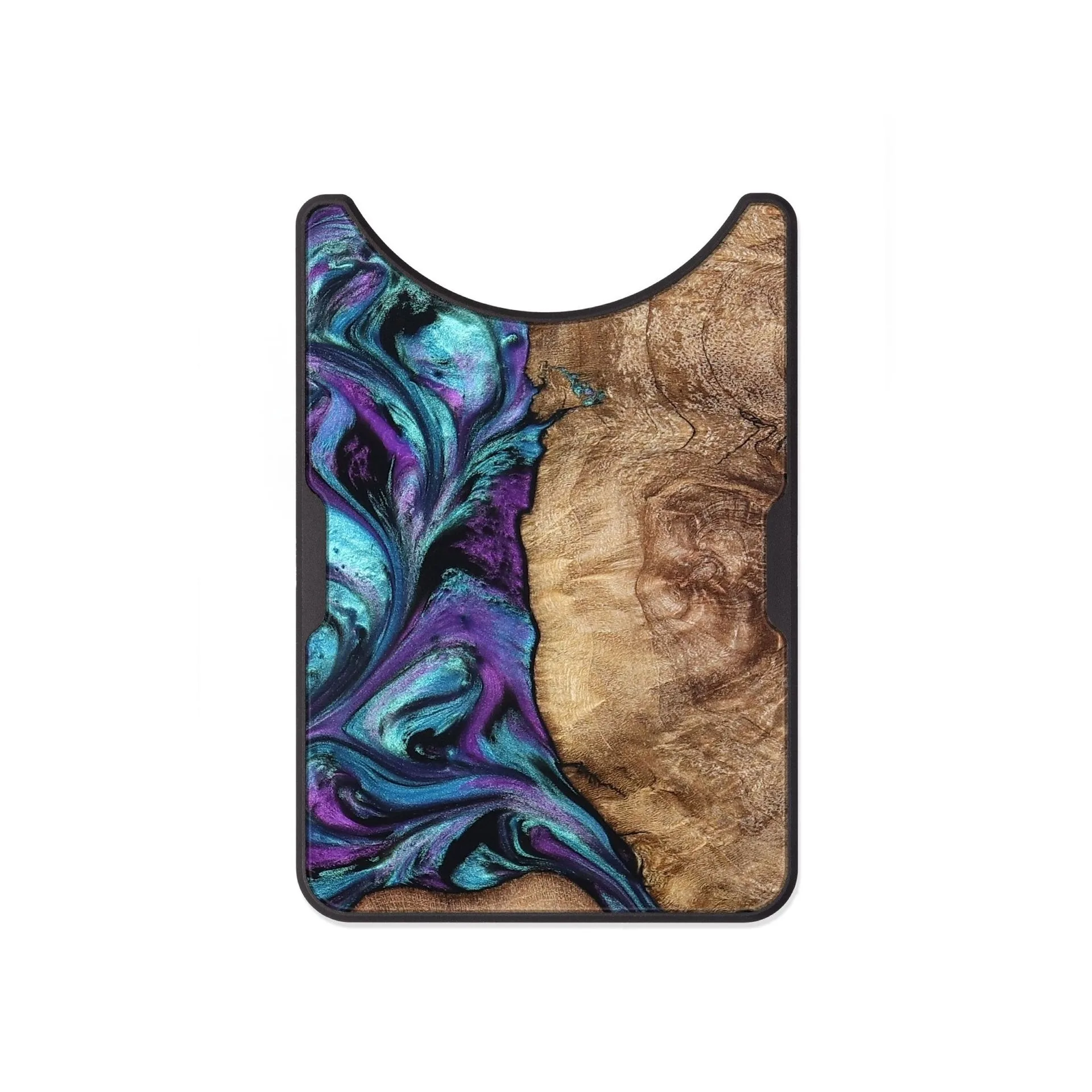
If you prefer not to modify your case, consider a case that includes a rubber or textured outer shell. The iPhone 17e Wood Phone Case - Allyssa (Green, 823449) features a protective outer rubber shell that adds grip while keeping the wood aesthetic. The rubber sides help you hold the phone more securely, especially during one-handed use.
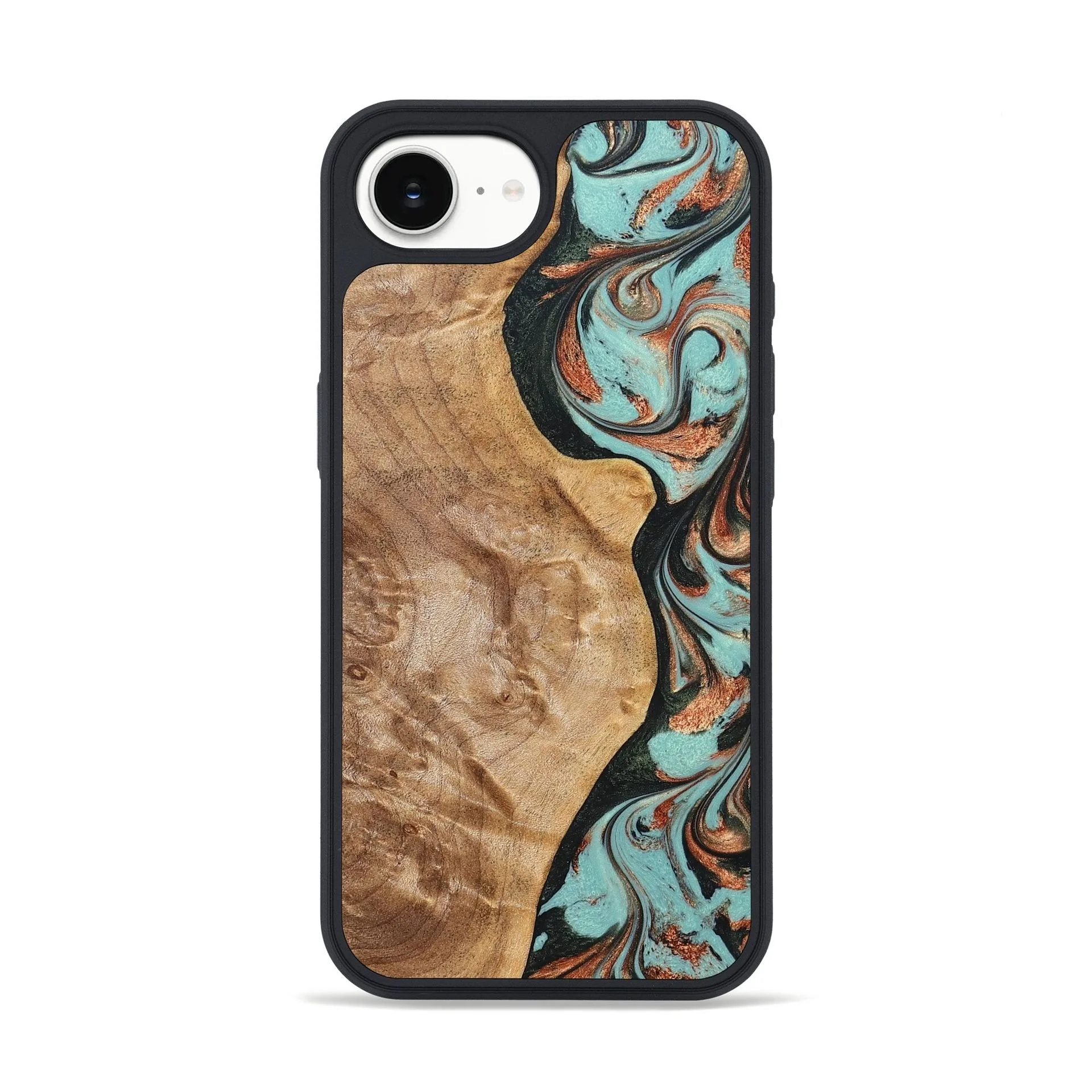
iPhone 17e Wood Phone Case - Allyssa (Green, 823449)
Another option is a live edge case, like the iPhone 17 Pro Max Wood Live Edge Phone Case - Grayson (Green, 817929). The natural wood burl surface is more textured than a smooth resin finish, providing better tactile feedback. This case also includes MagSafe magnets, so you can attach a PopSocket or grip that mounts magnetically.
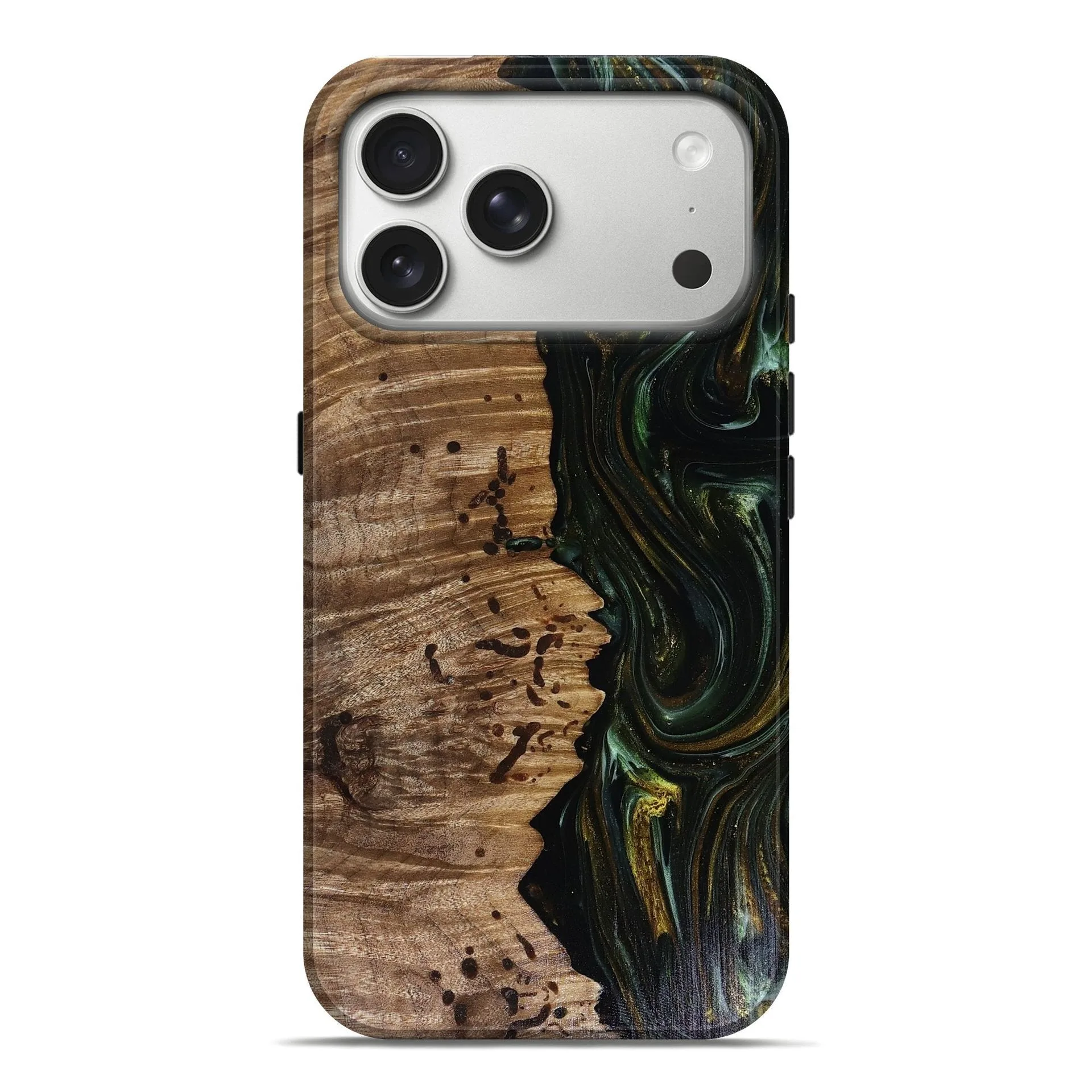
iPhone 17 Pro Max Wood Live Edge Phone Case - Grayson (Green, 817929)
- Rubber shells add grip without hiding the wood
- Live edge textures offer a natural, non-slip feel
- Magnetic grips work with MagSafe-compatible cases
Long-Term Handling Habits
Beyond adding grip, you can adjust how you hold your phone. Use a pinky shelf at the bottom edge, or hold the phone with two hands for stability. A pop socket or a finger loop can also reduce the chance of drops, especially when taking photos or texting one-handed.
Remember that any added grip—tape, skin, or a new case—will wear over time. Reapply or replace as needed. If you find yourself constantly adjusting your grip, it may be time to switch to a case with a more permanent grip solution.
- Use a pinky shelf for extra support
- Consider a pop socket or finger loop
- Replace worn grip tape or skins periodically
Diagnosis: Is Your Case Slippery or Is It You?
- Symptom: The case slides in your hand or on flat surfaces, requiring a firmer grip. You notice the slip most when your hands are dry or when you're moving quickly.
- Likely cause: A smooth resin finish and flat sides reduce friction. The material and design of the case are the main culprits, not your grip strength.
- Corrective action: Add grip tape or a textured skin, or switch to a case with a rubber shell or live edge texture. Start with the least invasive fix and test for a few days.
- When to stop or choose another option: If grip tape or a skin doesn't feel secure after a week, or if you find yourself avoiding using the phone one-handed, it's time to invest in a case with built-in grip. Your comfort and safety matter more than the case's appearance.
Product Facts
- iPhone 17e Wood Phone Case - Allyssa (Green, 823449): Protective outer rubber shell The rubber shell adds friction, making the case easier to hold and less likely to slip from your hand.
- iPhone 17 Pro Max Wood Live Edge Phone Case - Grayson (Green, 817929): Made from stabilized wood burl and colored resin, creating a single, solid piece that shows off the beauty of the wood. The natural wood surface provides a more textured grip than a smooth resin finish, reducing slipperiness.
A slippery wood case is a common annoyance, but you don't have to live with it. Start with grip tape, try a textured skin, or upgrade to a case with a rubber shell or live edge finish. Test each solution until you find the one that feels secure in your hand. That way, you can enjoy the beauty of wood without the worry.