Quick answer
Go early, bring your own shade, and keep your baby off hot sand and out of direct sun. Set up a shaded zone first, dress your baby in light layers plus a hat, feed and hydrate on a schedule, and leave before the midday heat peaks. The steps below turn that into a repeatable routine.
A beach day with a baby works best when you treat it like a short, shaded outing rather than a full day in the sun. Babies overheat faster than adults, their skin burns more easily, and they put everything in their mouths, so sand and sun protection need to be planned, not improvised.
The plan below is ordered the way the day actually unfolds: pick your window, build shade, dress and protect, manage feeding and cooling, then handle the sand and the trip home. Each step includes the mistake that most often ruins it.
Step 1: Pick the right time window
Plan to arrive before 10 a.m. or after 4 p.m., when the sun is lower and the sand has had time to cool. Midday sand can be hot enough to hurt bare feet, and a baby sitting or crawling on it is far more exposed than an adult in a chair. Aim for a two-hour outing the first time so you can learn how your baby handles wind, brightness, and heat.
Check the forecast for wind as well as temperature. A breezy beach day feels cooler to you but still delivers direct sun, and wind can flip a light shade tent or blow sand into eyes and food.
- Common mistake: treating an overcast day as a free pass. Clouds filter light but do not block the sun's burning rays.
- Checkpoint: if the sand is too hot for your bare foot after five seconds, it is too hot for your baby's skin.
Step 2: Build a shade zone before anything else
Set up shade first, then bring your baby from the car. A beach shade for babies needs to do three things: block direct sun, allow airflow, and stay anchored. A pop-up tent or a stroller with a full canopy plus a clip-on shade works well, but only if air can move through it. Enclosed, unventilated spaces trap heat and can get hotter than the open air.
Position the shade so the opening faces away from the wind and the sun moves across the side rather than into the opening. Anchor it with sand bags or weighted corners, and keep a light muslin blanket for draping over a leg or arm without sealing the whole structure.
- Common mistake: draping a blanket completely over a stroller or carrier. That blocks airflow and can raise the temperature inside.
- Checkpoint: place your hand inside the shade. If it feels stuffy or noticeably warmer than the outside air, reposition or open a side.
Step 3: Dress for sun, sand, and quick changes
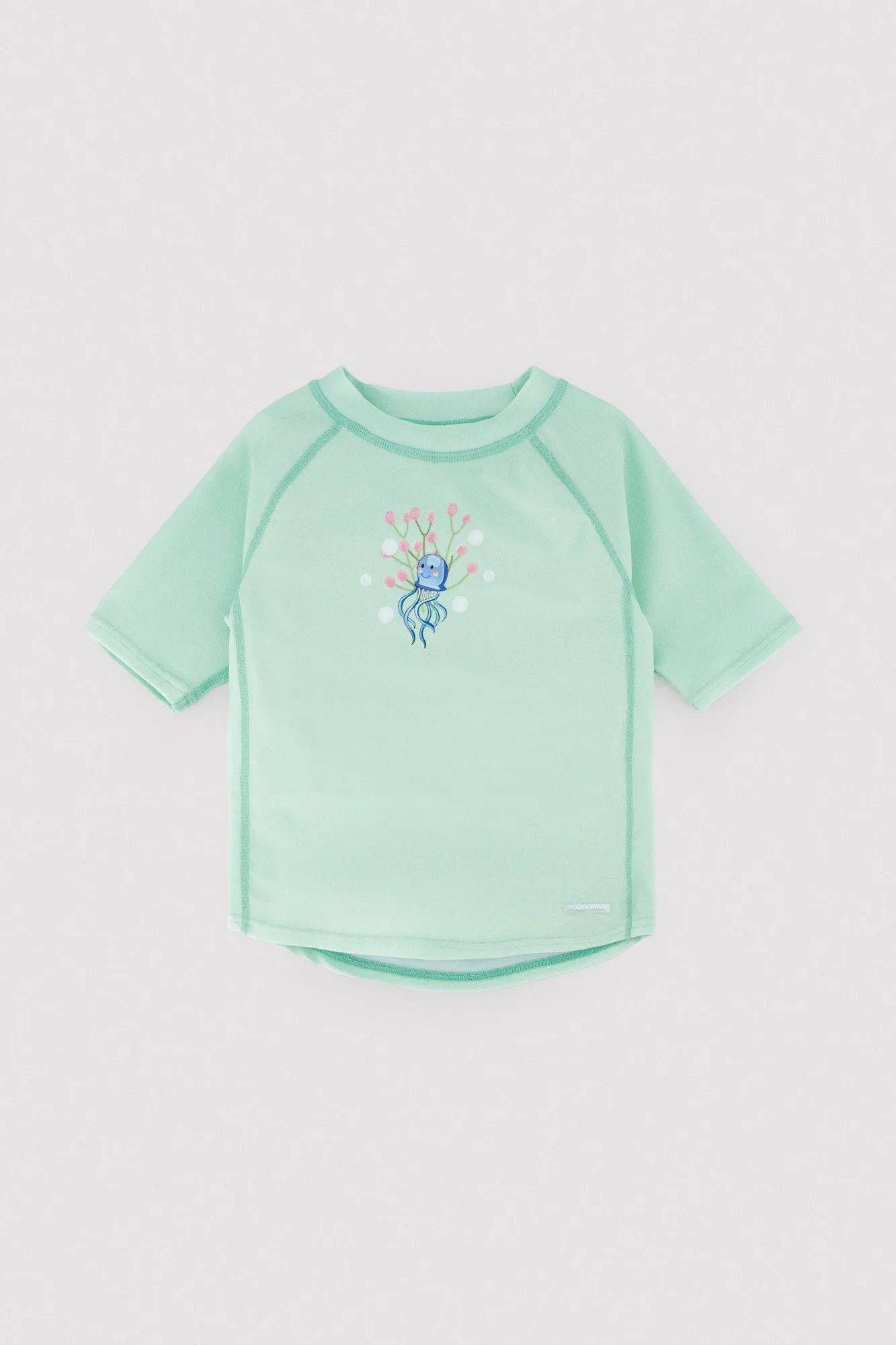
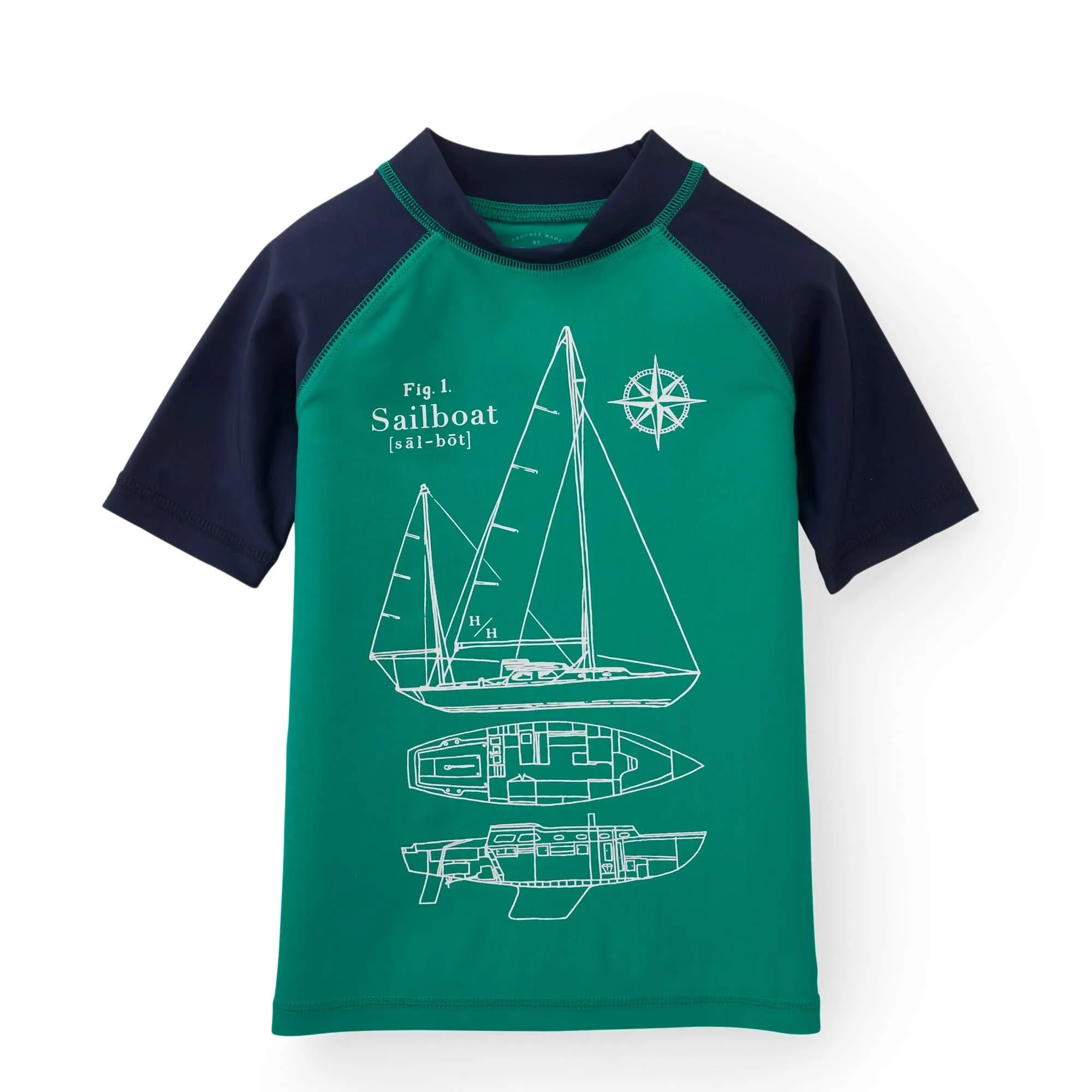
Light, long-sleeve layers in a breathable fabric cover more skin with less sunscreen guesswork. Add a wide-brim hat that stays on, and keep a dry change of clothes in a sealed bag. For babies under six months, keep them in the shade and use protective clothing rather than relying on sunscreen, and ask your pediatrician about sunscreen for younger babies.
Sand and sun protection baby style also means thinking about what goes in the mouth. A baby on a beach blanket will grab sand, shells, and toys. Bring a few familiar items from home so your baby chews on something clean instead of whatever the tide left behind.
- Common mistake: dressing a baby in dark, tight clothing because it looks tidy. Dark fabric absorbs heat.
- Checkpoint: touch your baby's chest and the back of the neck. Damp heat there means it is time for shade and fluids.
Step 4: Feed and hydrate on a schedule, not on demand
Offer milk or water more often than usual and in smaller amounts. Heat and wind increase fluid loss, and a hot, distracted baby may not ask to feed. If you use bottles, bring them in a cooler bag and keep them out of direct sun. A protective sleeve insulates heat and provides drop resistance, which matters when you are juggling a baby on an uneven blanket.
For babies eating solids, choose foods that travel well and do not spoil in heat. Skip anything that needs refrigeration after opening, and use sealed containers so sand stays out.
- Common mistake: leaving a bottle sitting in the sun while you swim or walk. Even a short time in direct sun warms the contents.
- Checkpoint: if your baby has had fewer wet diapers than usual, or seems lethargic, move to shade and offer fluids.
Step 5: Keep your baby cool between feeds
Keeping baby cool at the beach is mostly about airflow and damp cloths, not about cold water. A lukewarm, damp cloth on the back of the neck, wrists, and ankles helps. A small spray bottle of plain water misted over the shade area can cool the air slightly. Avoid ice packs directly against skin and never leave a baby in a car, even with windows down.
Watch for the early signs of overheating: flushed cheeks, rapid breathing, fussiness that does not settle with feeding, or skin that feels hot and dry. Move to shade, loosen clothing, offer fluids, and cool gradually.
- Common mistake: waiting for crying before acting. By the time a baby is crying from heat, they are already uncomfortable.
- Checkpoint: recheck every 20 to 30 minutes. If your baby is calm, feeding well, and cool to the touch, the setup is working.
Step 6: Manage sand and the trip home
Keep a dedicated sand-free zone: a blanket or mat with a raised edge, a small towel for hands, and a bag for sandy items. Rinse toys and pacifiers with clean water rather than wiping them on a sandy towel. Before you leave, change your baby out of damp, sandy clothes and into dry ones, and rinse off at a shower or with a bottle of clean water.
Pack out everything you brought, including small items that can blow away. A compact case with a loop that clips to a stroller or bag keeps pacifiers and small parts from disappearing into the sand.
- Common mistake: letting a baby stay in a wet swim diaper or damp suit on the drive home. That traps moisture and heat.
- Checkpoint: do a final head-to-toe check for sand in folds, behind ears, and in the diaper area before buckling in.
Beach day with baby: the short checklist
- Set the window: Arrive before 10 a.m. or after 4 p.m. and plan a two-hour first outing. If the sand is too hot for your bare foot, it is too hot for your baby.
- Shade first: Build a ventilated shade zone and anchor it before bringing your baby from the car. If the shade feels stuffy, open a side or reposition.
- Dress and protect: Use light long layers, a wide-brim hat, and shade rather than sunscreen for babies under six months. Check the chest and back of the neck for damp heat.
- Feed and cool: Offer smaller, more frequent feeds and use damp cloths on the neck, wrists, and ankles. Fewer wet diapers or lethargy means move to shade and offer fluids.
- Control the sand: Keep a sand-free blanket zone, rinse toys with clean water, and use a clip-on case for pacifiers and small parts. Change out of damp, sandy clothes before the drive home.
Gear that helps on a beach day with baby
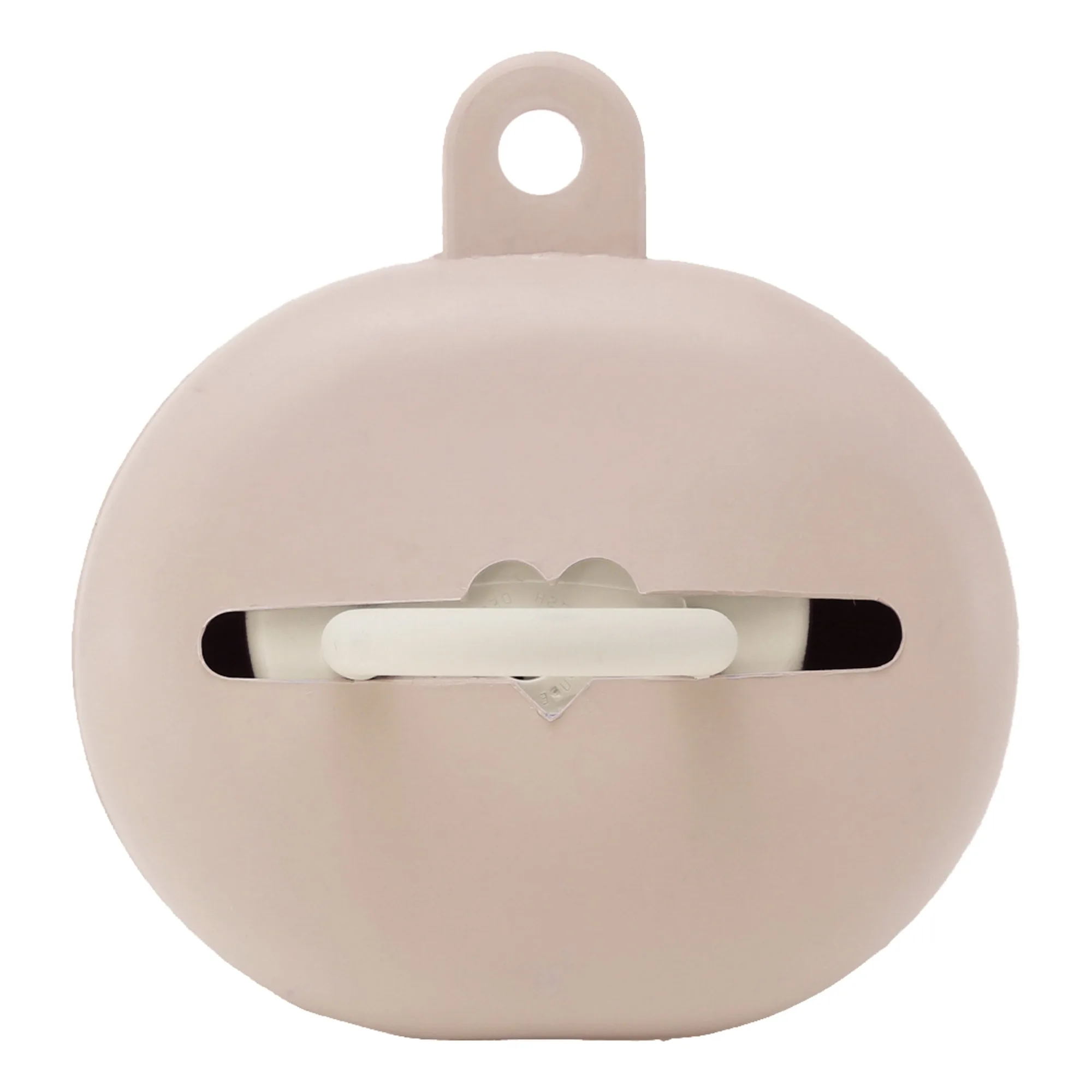
- Keeper Case: The HEVEA Keeper Case is made from 100% natural rubber from the Hevea brasiliensis tree and has an integrated loop that secures to strollers, diaper bags, or clothing straps. It holds one HEVEA Wide Neck Bottle Nipple or a pacifier. On a beach, small items vanish into sand fast. A clip-on case keeps a spare pacifier or nipple clean and reachable instead of buried in a bag.
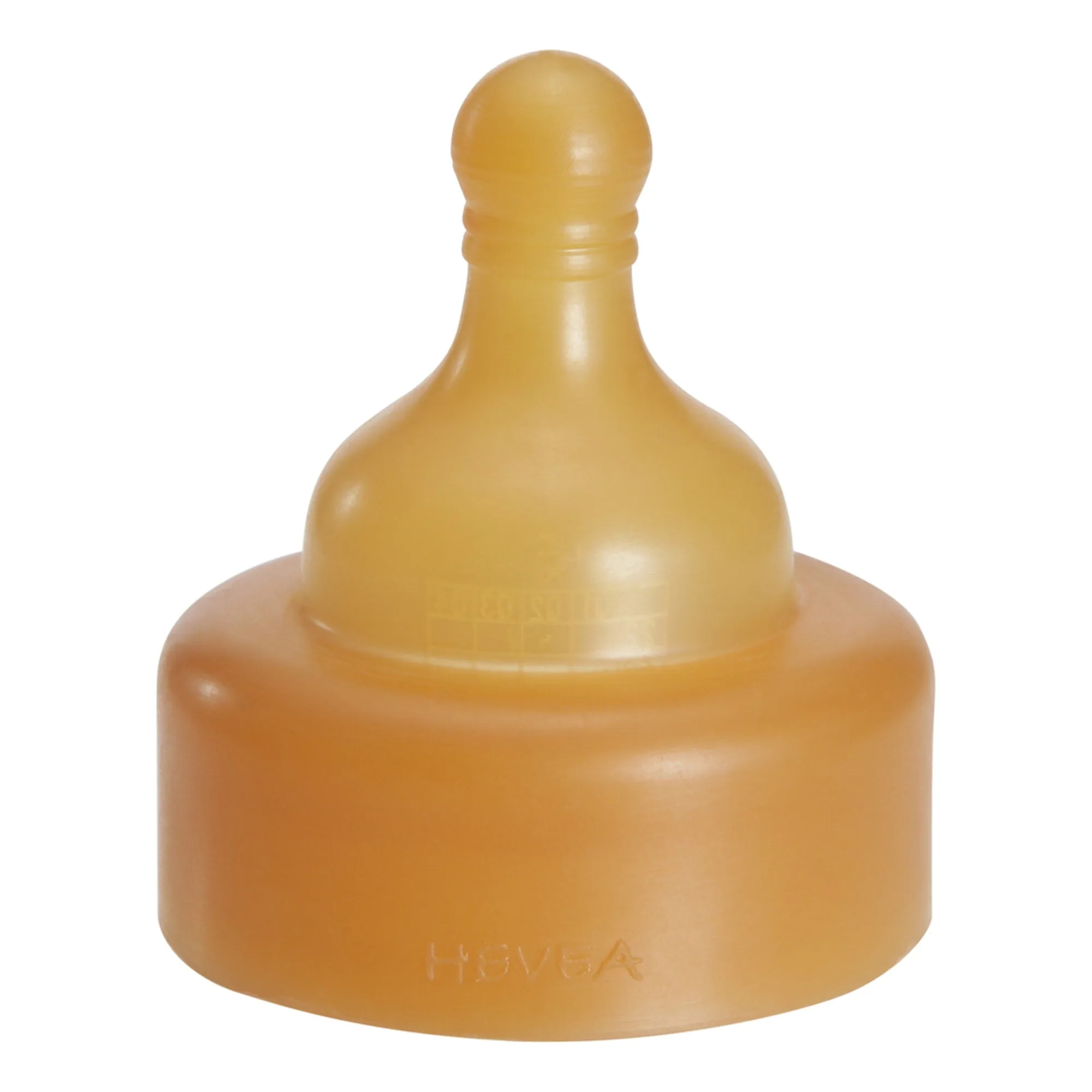
Wide Neck Bottle Nipple
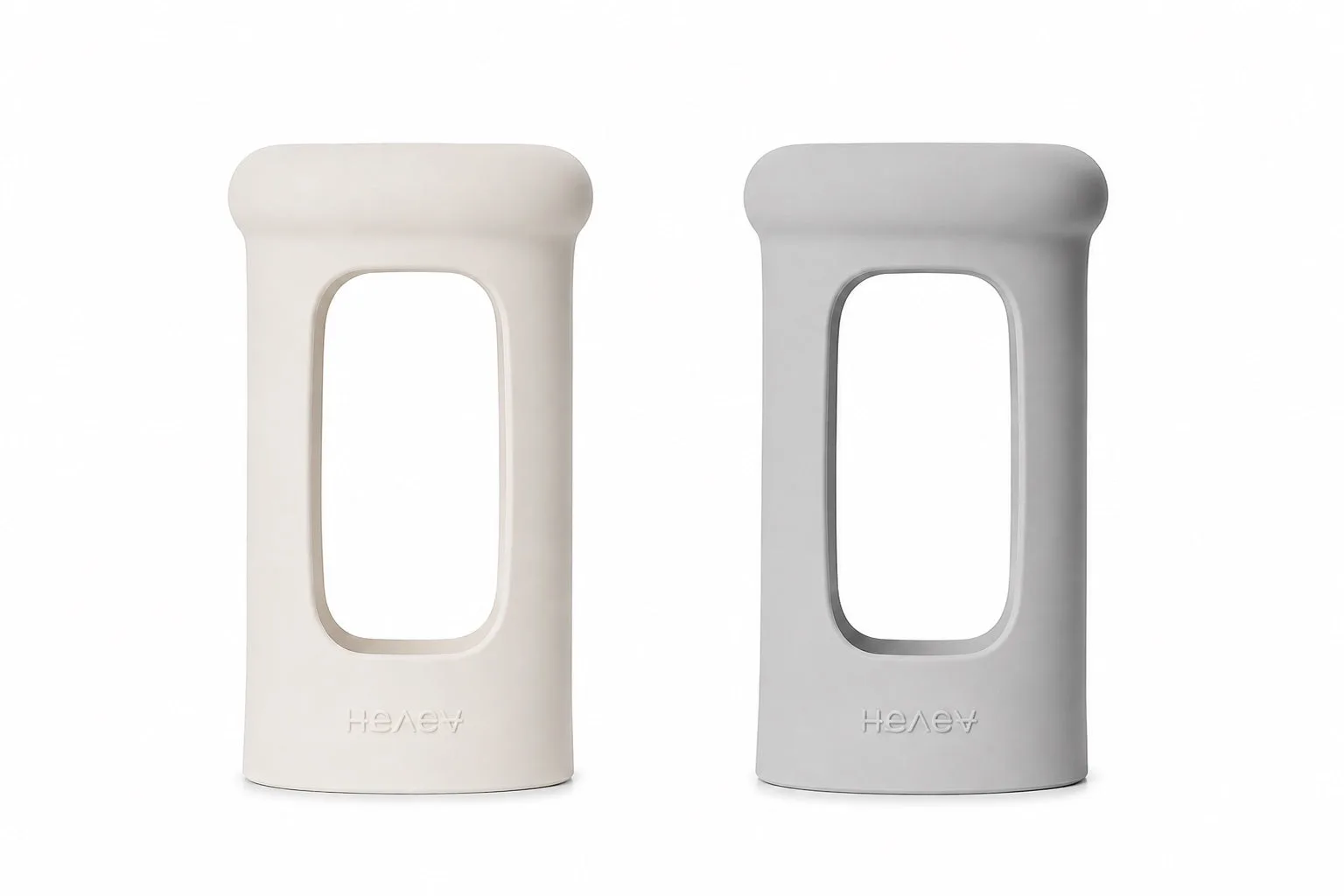
- Wide Neck Baby Glass Bottle Sleeve Large (250ml/8.5oz) Two-Pack: The HEVEA Wide Neck Baby Glass Bottle sleeves are made from natural rubber and are designed to insulate heat, provide drop resistance, and keep the nipple in place for 250 ml wide-neck bottles. A sleeve adds a layer between a glass bottle and hot hands or a warm blanket, and it cushions the bottle if it tips over on uneven sand.
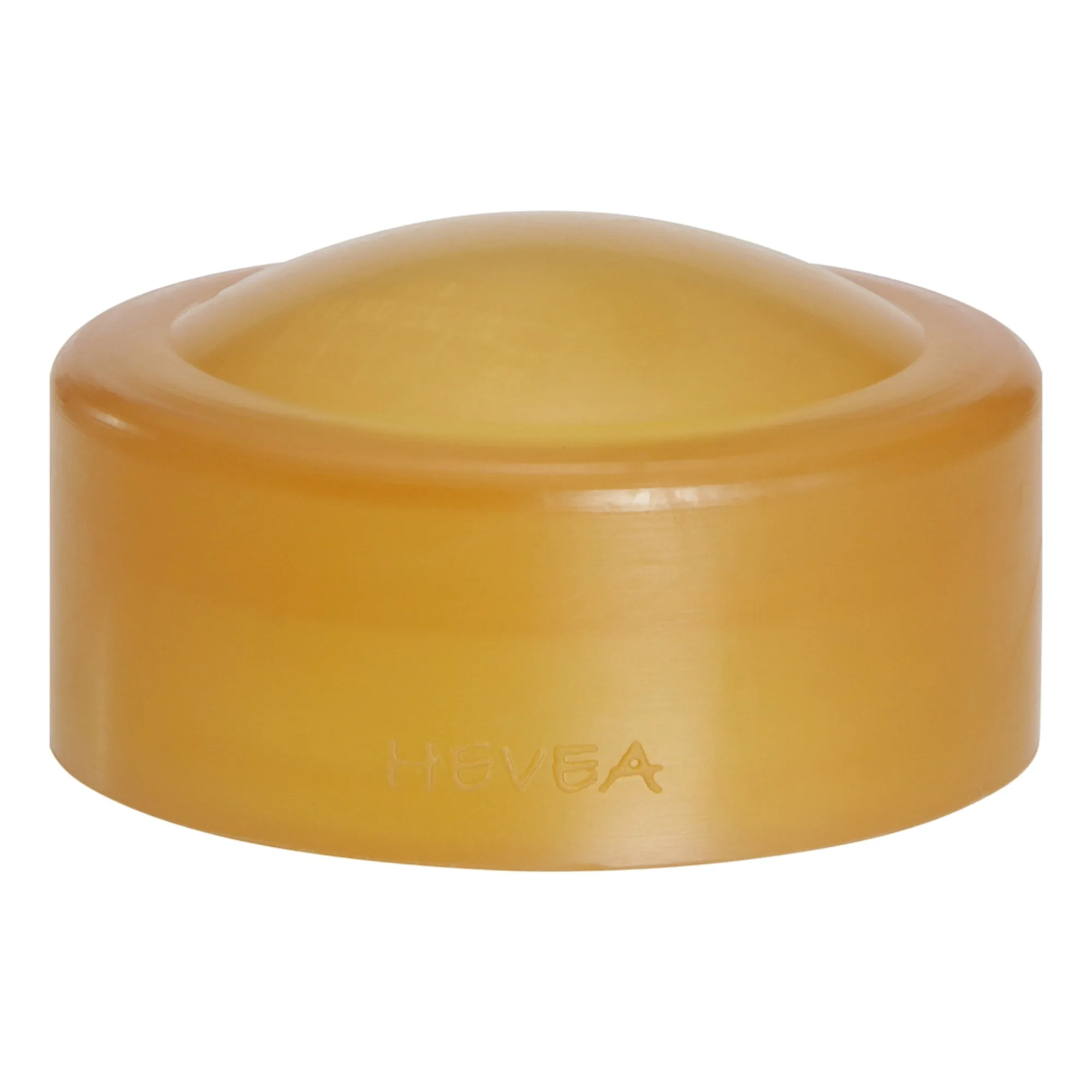
- Wide Neck Baby Glass Bottle Cap Single-Pack - One Size: The HEVEA Wide Neck Baby Glass Bottle Cap is made from 100% natural rubber and fits securely over the bottle to protect the teat from dirt and dust between feeds and during transport. A cap is the simplest way to keep a teat from picking up sand and grit in a beach bag or stroller basket.
A calm beach day with a baby comes down to shade, timing, and small repeated checks. Set up your shade zone first, keep feeds and cooling on a schedule, and leave while everyone is still comfortable. Do that and the beach becomes an easy outing instead of an endurance test.