Quick answer
Most beach toys are lost or broken for three fixable reasons: they never get counted, they never get rinsed, and they never get a labeled home. Count toys when you pack and when you leave, rinse and dry them the same day, and store them in one breathable bag with your child's name on it. If a toy is already cracked, faded, or missing parts, replace it instead of patching it.
A beach bag can swallow a whole set of toys in one afternoon. One shovel disappears under a towel, a bucket gets left near the water line, and by the time you pack up, nobody is sure what you brought. The same trip can also quietly damage toys: salt and sand sit in seams, sun bakes plastic, and wet toys get zipped into a dark bag for a week.
The fix is not a bigger bag or more rules for your kids. It is a short routine with three steps: count, rinse, and store. Below you will find the symptoms parents usually notice, what actually causes them, and what to do, including when a toy is past saving and should be replaced.
Why beach toys disappear so easily
Toys get lost because they scatter. A bucket, a shovel, and a sieve all end up in different hands, and none of them has a fixed place to return to. When everything is the same color and shape, a child cannot tell their shovel from a stranger's, and you cannot do a fast visual count at the end of the day.
Damage follows the same pattern. Sand works into moving parts, salt stays on the surface after the water dries, and a toy tossed wet into a closed bag stays damp for days. None of this is dramatic on its own, but repeated trips add up to cracked plastic, stiff hinges, and faded color.
- Count toys out loud when you arrive and again before you leave.
- Give each child one toy to be responsible for, not the whole bag.
- Keep the bag in one spot on the sand so toys have a home base.
Rinse and dry the same day
Sand and salt are the two things that quietly wear toys down. Rinse everything in fresh water as soon as you get home, not the next morning. A quick rinse removes salt before it dries into a film and flushes loose sand out of crevices where it would otherwise act like sandpaper on moving parts.
Drying matters just as much as rinsing. Spread toys out in the shade or indoors with good airflow until they are completely dry, then put them away. A toy that still has water trapped in a hollow section will smell musty and can grow mold in a closed bin.
- Rinse in a sink, bucket, or outdoor tap, not in the sea.
- Shake out hollow toys and check that water drains freely.
- Dry in shade; direct sun is what fades plastic over time.
Build a beach toy storage system that survives the car
Beach toy storage works best when it is one bag, one place, and one label. A mesh or breathable bag lets damp air escape, so a toy that was not fully dry does not sit in a sealed plastic tub. A single bag also makes counting easy: if the bag is full and zipped, everything is in it.
Label the bag with your child's name and your phone number, and label individual toys if your kids are old enough to keep track of them. This is the single most useful step for keeping beach toys from getting lost at a busy beach or a shared pool, because a found toy can come back to you.
- Choose a breathable mesh bag over a sealed plastic bin.
- Store the bag in the same spot at home so packing is automatic.
- Keep a small mesh pouch for tiny pieces like sieves and puzzle parts.
Match the toy to the trip so it lasts longer
Toys break faster when they are used for the wrong job. A lightweight toy that is fine in a bath or a shallow pool can get crushed in deep, wet sand. A toy designed for sand play can be awkward in the bath. Choosing the right toy for the setting reduces stress on the material and lowers the chance it gets left behind because it was not working well.
Compact, stackable toys are also easier to keep track of. When several pieces nest into one shape, there are fewer loose parts to count and fewer places for a small piece to disappear.
- Bring fewer toys than you think you need; fewer items are easier to track.
- Choose stackable or nesting designs to reduce loose parts.
- Keep bath toys and beach toys separate so each set stays in its routine.
Know when to stop repairing and replace
Some damage is cosmetic and some is a safety or function issue. Faded color and light surface scratches do not affect play. Cracks that pinch, sharp edges, loose parts that a young child could pull off, or a hinge that no longer moves are reasons to stop using the toy.
If a toy is missing a piece that makes it work, such as a sieve or a small puzzle part, decide within a day whether to replace it. Waiting usually means the remaining pieces get scattered and the whole set becomes unusable.
- Replace anything with sharp edges, cracks, or loose small parts.
- Retire toys that no longer do their job rather than storing them.
- If you replace one piece, replace it with the same design so it stores together.
Diagnose why your beach toys keep vanishing or breaking
- Toys vanish at the end of the day: There was no home base on the sand and no count before leaving. Kids carried toys to the water line, set them down, and moved on. Fix it by keeping one bag in one spot and counting toys out loud when you arrive and before you leave.
- Toys come home gritty, sticky, or smelly: Sand and salt stayed on the surface, or wet toys were zipped into a sealed bag and left there. Rinse in fresh water the same day and dry fully in shade before storing; if the smell persists after one wash, replace the toy.
- Plastic cracks, fades, or stiffens within a season: The toy was left in direct sun for long stretches or used for a job it was not designed for, such as deep wet sand. Move storage to shade and match each toy to the setting; once a crack pinches or a part loosens, stop using it and replace it.
Toys that are easier to keep track of
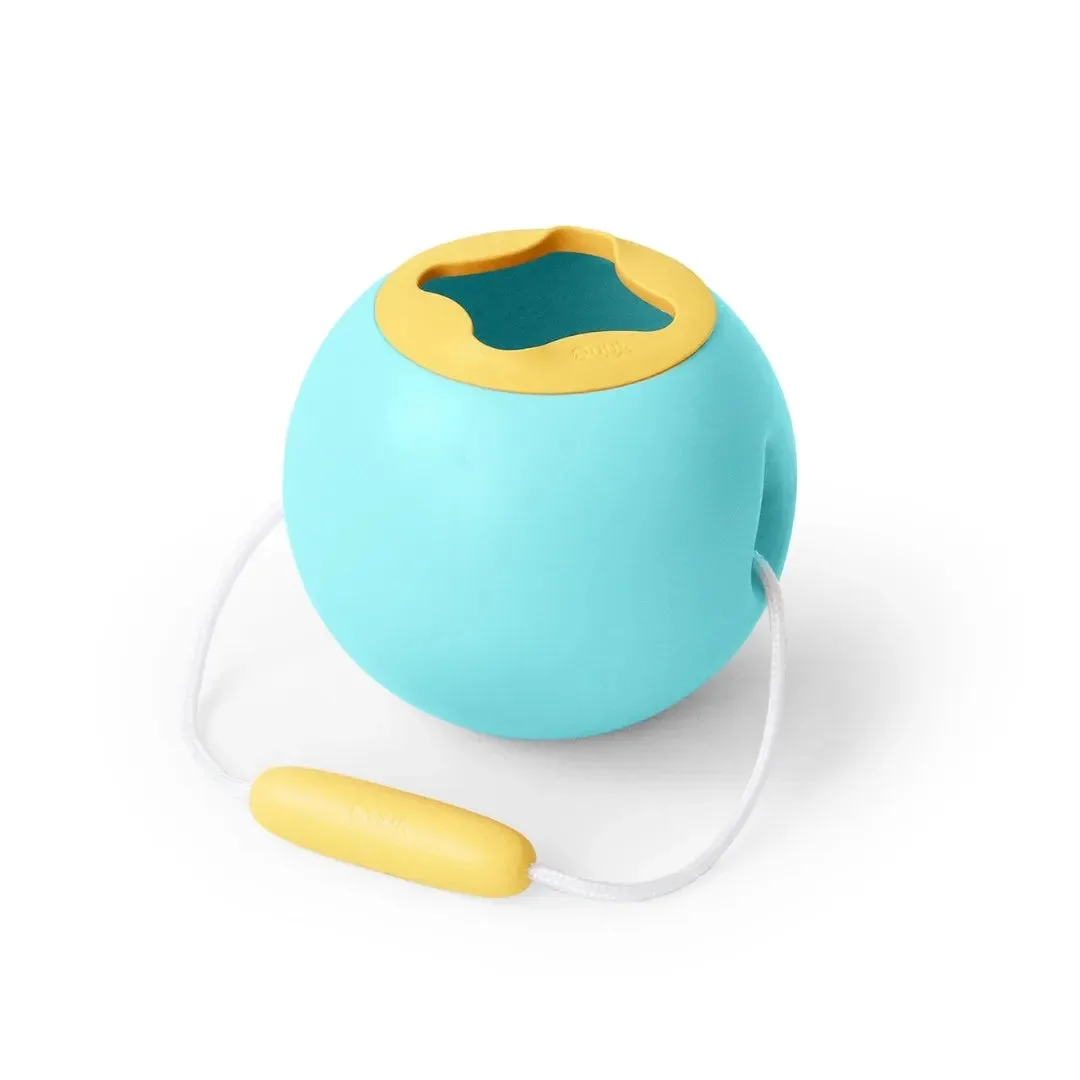
- Mini Ballo No-Spill Bucket – Stable Kids Water Bucket: Its stable spherical shape prevents spills while little hands fill, carry, and pour with ease, and it is designed for beach days, garden play, and bath time adventures. A bucket that does not tip over is less likely to be set down and forgotten mid-play, and one sturdy bucket replaces several flimsy ones in your bag.
- Cuppi All-in-One Sand & Water Toy – Shovel, Sieve, and Ball for Kids: This compact all-in-one toy combines a shovel, sieve, and rolling ball, and it is lightweight, ergonomic, and stackable. Three tools in one shape means fewer loose pieces to count at the end of the day, and stackable parts pack into less space so nothing gets left in the sand.
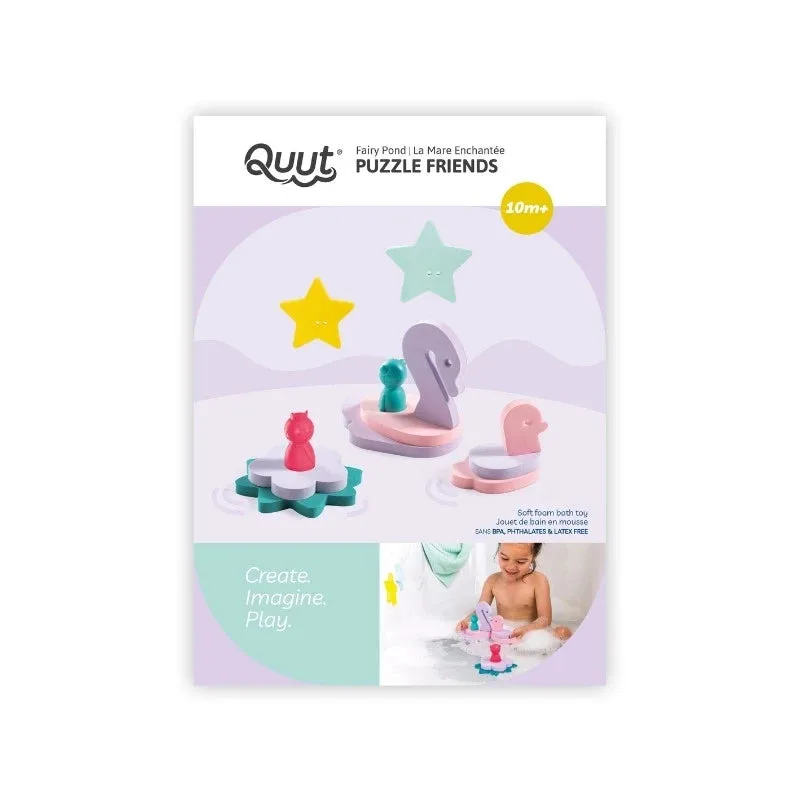
- Puzzle Friends Fairy Pond – Floating Bath Toy for Toddlers: Floating swans, flowers, stars, and finger puppets make storytelling and water play fun, and the set is safe, non-toxic, and easy to clean. An easy-to-clean set fits the same-day rinse routine, and a themed set with a clear container is simpler to keep together than random floating pieces.
Keeping beach toys from getting lost and damaged comes down to a routine you can repeat in five minutes: count them, rinse them, dry them, and put them in one labeled, breathable bag. Do that consistently and your toys will last more seasons, and you will spend less time replacing them.