Quick answer
If your claw clip slides out of fine hair, the cause is usually too much smooth surface area and too little tension, not a defective clip. Gather hair into a loose twist or fold, anchor the clip so it bites into the twist rather than just clamping flat hair, and add a little texture at the roots. If the clip still slides after those changes, size down to a mini or midi claw made for smaller sections.
You twist your hair up, snap the claw shut, and ten minutes later it is hanging sideways. Fine hair is slippery by nature, and most claw clips are designed for thicker sections that create their own friction. The good news is that you do not need a different head of hair or a drawer full of failed clips. You need to change how the clip grips the hair you have.
This guide separates the symptom from the cause and gives you a short list of fixes. It also explains when to stop adjusting and switch to a smaller clip, because forcing an oversized claw onto fine hair is the most common reason clips keep sliding.
Why claw clips slide out of fine hair
A claw clip holds by compressing a bundle of hair between its teeth. That compression creates friction, and friction is what keeps the clip in place. Fine hair has fewer strands per square inch, so the bundle is thinner and smoother. The clip closes but does not actually squeeze anything, so gravity and movement win. This is a physics problem, not a styling failure.
The second cause is placement. Many people clip hair flat against the scalp, which gives the clip nothing to bite into. A claw needs a folded or twisted mass of hair to grip. If you can slide the clip up and down easily after closing it, it is not gripping. That is your first diagnostic checkpoint.
- Check whether the clip moves when you gently tug it. If it slides, the grip is too loose.
- Fine hair often needs a smaller clip, not a tighter one, because a smaller clip can compress a smaller bundle.
Fix your technique before you buy a new clip
Start by adding texture. Dry shampoo, sea salt spray, or a little volumizing mousse at the roots gives fine hair more friction without making it stiff. Let it dry completely before clipping. Then gather your hair as if you were making a loose ponytail, twist it once or twice, and fold the twist up toward the crown. The clip should close over the folded twist, not over flat hair.
Next, position the clip so the teeth run parallel to your scalp and the hinge sits at the bottom. Push the clip forward slightly as you close it, which creates tension. If your hair is long enough, leave the ends loose rather than tucking them under the clip. Tucking creates a smooth surface that slides. A loose end gives the clip something to catch.
- Mist roots with texture spray and let them dry before styling.
- Twist, then fold, then clip. Do not clip flat hair.
- Push the clip forward as it closes to create tension.
Choose a clip size that matches your hair
Oversized claw clips are popular, but they need a lot of hair to work. On fine hair, a large clip closes around empty space, which means no compression and no grip. A mini or midi claw is often the better choice because it can clamp down on a smaller, denser bundle. If you want the look of a large clip, use it as a decorative accent over a smaller clip or a hair tie rather than as the only thing holding your hair.
Material also matters. Cellulose acetate, a plant-based alternative to plastic, has a slightly matte finish that creates more friction than glossy resin or metal. Hand-painted details can add texture too. None of this replaces good technique, but the right clip makes the technique easier to maintain.
- Mini claws work best for half-up styles and small sections.
- Midi claws are a good middle ground for medium-fine hair.
- Large claws need thick hair or a supportive base to grip properly.
When to stop adjusting and try a different option
If you have added texture, changed your placement, and the clip still slides within an hour, stop forcing it. That clip is the wrong size or shape for your hair. Repeating the same motion will only frustrate you. Switch to a smaller claw, a different tooth design, or a completely different hold like a hair stick or a soft scrunchie.
The same rule applies if the clip feels uncomfortable. A clip that pulls or leaves dents is too tight, and tightness does not equal grip. Fine hair can be delicate, so a clip that stays put without pressure is the goal. If you feel tension at the roots, take it out and size down.
- If it slides after two technique fixes, change the clip.
- If it hurts, it is too tight. Grip should come from friction, not force.
- A clip that works for your hair type will feel secure but not heavy.
Diagnose your slipping clip
- Symptom: clip slides down or sideways within minutes: Likely cause: the clip is too large for your hair volume, so it cannot compress the bundle. Corrective action: switch to a mini or midi clip and gather a smaller, tighter section. If a smaller clip still slides, move to the next diagnosis.
- Symptom: clip stays but feels loose and shifts when you move your head: Likely cause: hair was clipped flat against the scalp instead of in a folded or twisted bundle. Corrective action: re-style with a twist and fold, and push the clip forward as you close it. A properly placed clip should feel snug without pulling.
- Symptom: clip holds for an hour, then gradually slips: Likely cause: fine hair lacks friction, especially on day-two hair. Corrective action: add dry shampoo or texture spray at the roots and let it dry before clipping. If texture and placement both fail, the clip shape is wrong for your hair. Try a different style or a non-clip hold.
Clips that work well for fine hair
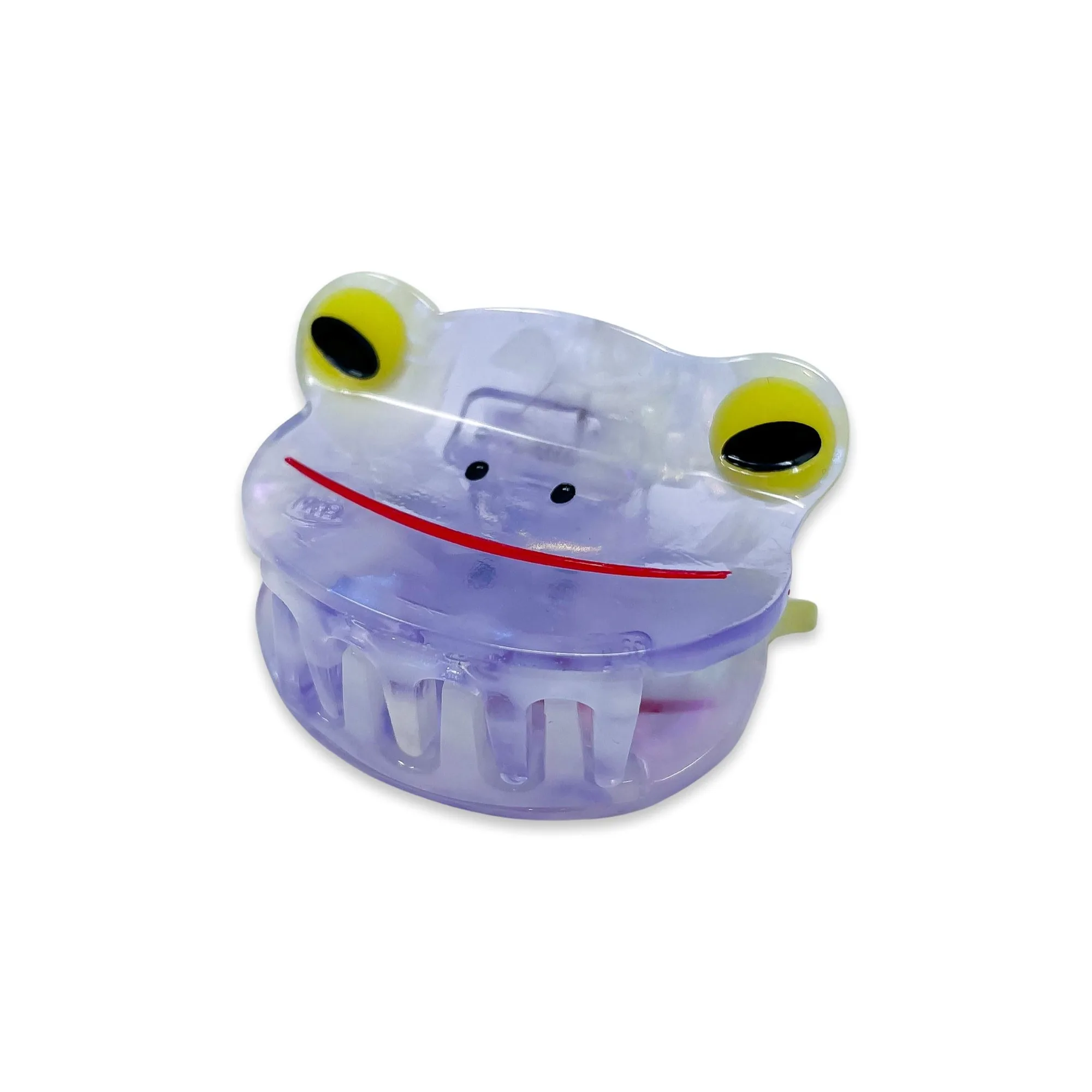
- Mini Lilac Froggy Hair Claw: Measures 1.5 inches long by 1 inch wide and is made from cellulose acetate, a plant-based alternative to plastic. The small size is ideal for half-up styles or small sections of fine hair, where a large clip would have nothing to grip.
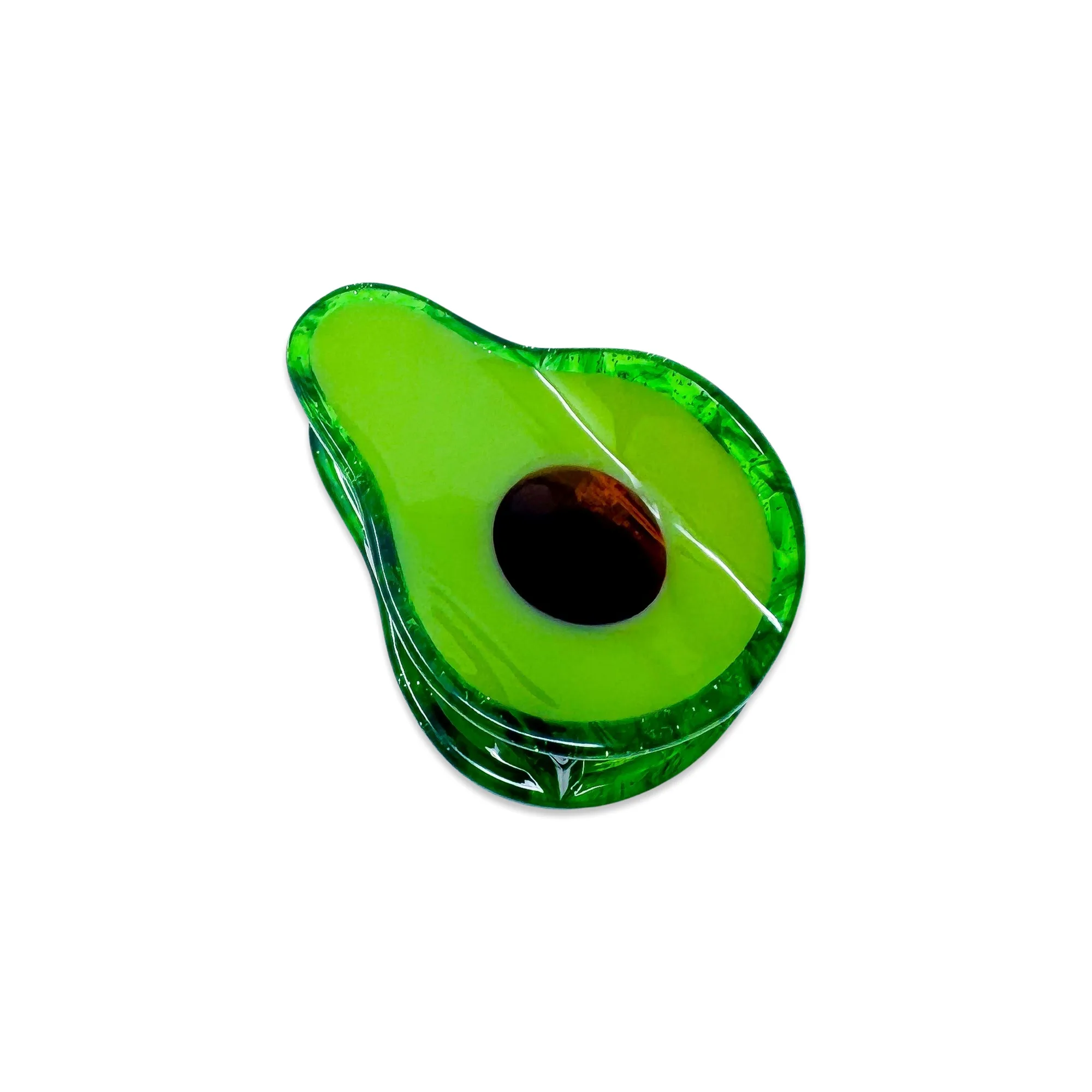
- Mini Avocado Hair Claw Clip: Measures 2 inches by 1.5 inches and is made from cellulose acetate. Slightly larger than the froggy claw, it can hold a bit more hair while still compressing a fine bundle effectively.
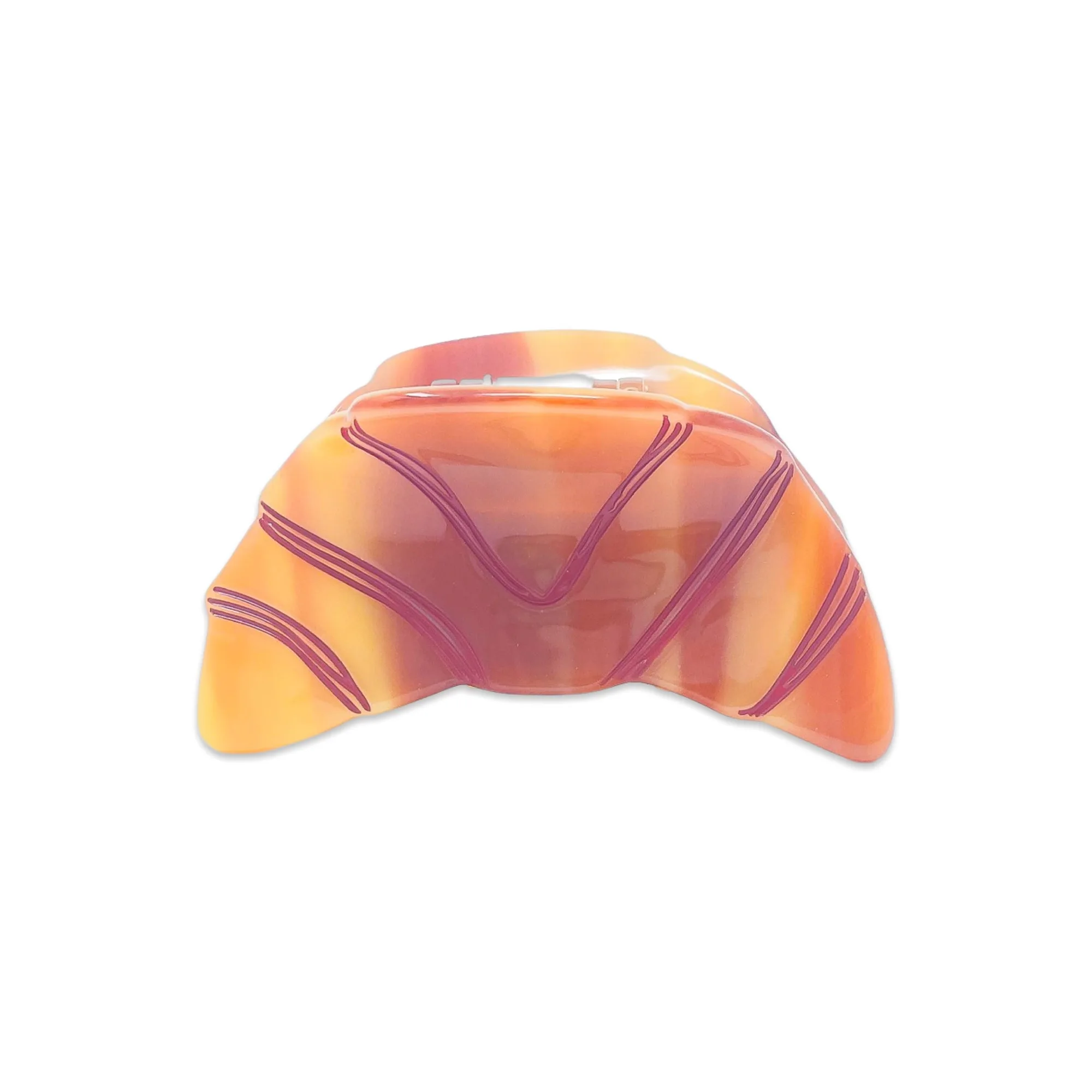
- Midi Croissant Hair Claw Clip: Measures 2.75 inches by 1.25 inches and is handmade and hand-painted from cellulose acetate. A midi size gives you more coverage than a mini without the empty space of a large clip, making it a practical choice for medium-fine hair.
Fine hair does not have to mean a lifetime of slipping clips. Add texture, change your placement, and size down when a clip cannot grip. Start with a mini or midi claw, and if it still slides after two honest tries, stop adjusting and choose a different hold. Your hair will thank you.