Quick answer
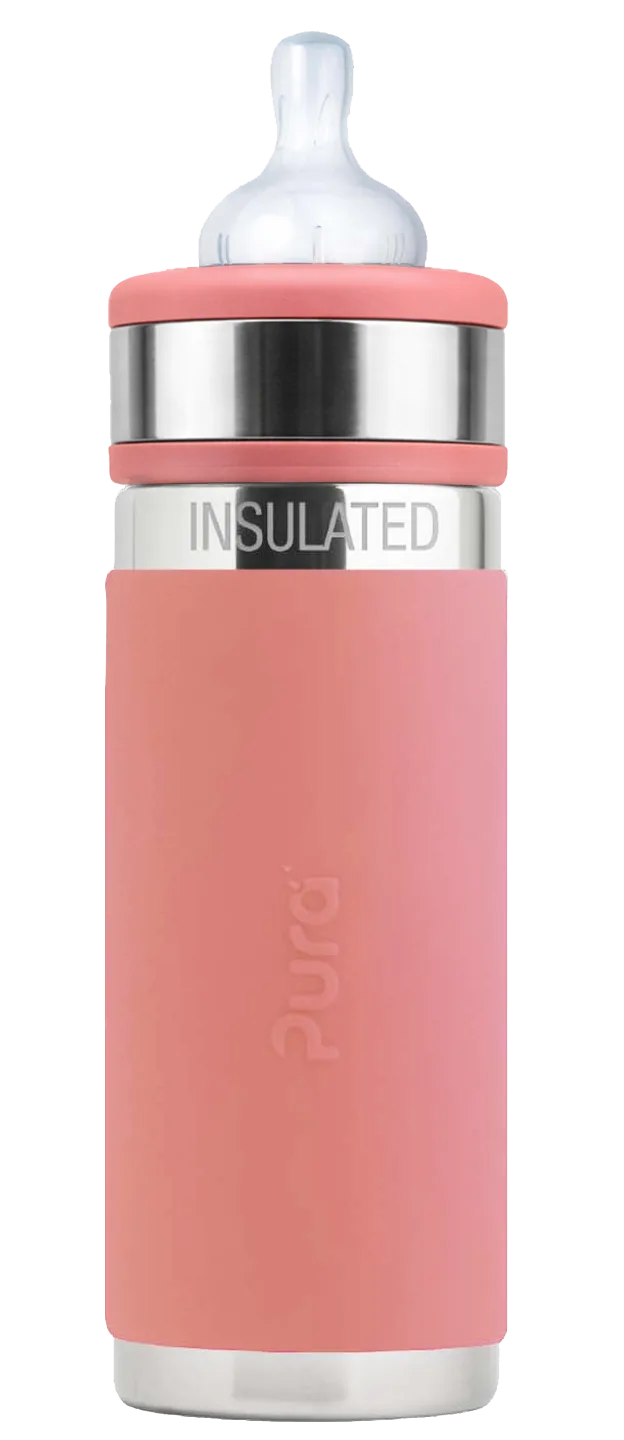
Chill the milk before you pack it, use a fully insulated bottle, and surround it with a frozen ice pack inside a zippered, insulated pocket. A double-wall stainless bottle such as the Kiki 7oz Insulated Baby Bottle keeps cold drinks cold for up to 12 hours on its own, but the ice pack and pocket are what protect it from a warm car or a long stroller walk.
How cold does packed milk need to stay?
Freshly pumped breastmilk or prepared formula should be kept cold until feeding time. The goal is to slow bacterial growth, not to freeze the milk solid. A refrigerator-cold bottle that stays cold for a few hours is safer than a room-temperature bottle that only feels cool. If you are unsure how long your outing will last, pack less milk and plan to feed it sooner rather than pushing the cold window.
What to look for in a diaper bag bottle
A single-wall stainless bottle transfers outside heat quickly, so it is better for short trips or for milk you plan to warm. A double-wall insulated bottle adds a vacuum layer that slows that transfer, which is why it holds cold longer. Plastic-free construction also matters because you are packing milk, not just water. The Kiki 7oz Insulated Baby Bottle is double-wall and 100% plastic-free, including the nipple and travel cover, so there is no plastic liner or collar sitting against the milk.
Packing order that actually works
Put the frozen ice pack flat against the bottom of the insulated pocket, stand the chilled bottle on top of it, then close the pocket. If the pocket is deep, add a second small ice pack against the side of the bottle. Keep the bottle upright so the nipple and collar stay dry, and avoid packing it next to a warm item like a just-used coffee tumbler or a heat-reflecting stroller canopy. For a second bottle, use a separate pocket rather than stacking bottles directly against each other.
Realistic cold-holding times
A double-wall bottle with a frozen ice pack in an insulated pocket can hold cold for several hours, but the exact time depends on the starting temperature of the milk, the outside weather, and how often the bag is opened. The Kiki 7oz Insulated Baby Bottle is rated to keep liquids cold for up to 12 hours, which is the bottle's own performance, not a promise about your bag. Treat four to six hours as a comfortable window for a typical outing, and use a fresh ice pack for anything longer.
Steps to keep milk cold in a diaper bag
- Chill the milk before packing: Refrigerate pumped breastmilk or prepared formula until it is cold, then pour it into the bottle. Packing milk that is still warm forces the ice pack to cool the milk first instead of holding it cold. Checkpoint: the bottle should feel cold to the touch before it goes in the bag.
- Pre-chill the bottle: Put the empty stainless bottle in the refrigerator for 15 to 20 minutes, or fill it with cold water and let it sit, before adding milk. A cold bottle does not waste ice-pack energy on cooling the metal. Mistake to avoid: pouring cold milk into a bottle that has been sitting in a warm car.
- Use a double-wall insulated bottle: Choose a vacuum-insulated bottle such as the Kiki 7oz Insulated Baby Bottle rather than a single-wall bottle for outings longer than an hour. The vacuum layer is what slows heat transfer from the air around the bottle. Checkpoint: double-wall bottles stay comfortable to hold when filled with cold liquid, which is a quick way to confirm insulation.
- Add a frozen ice pack in an insulated pocket: Place a frozen ice pack flat in the bag's insulated pocket, stand the bottle on it, and close the pocket. If your bag has no insulated pocket, use a small insulated sleeve around the bottle and keep that sleeve out of direct sun. Mistake to avoid: relying on the bottle alone in a hot car or a closed stroller with no shade.
- Keep the bottle upright and away from heat: Stand the bottle upright so the nipple and collar stay dry, and do not pack it beside warm items or against a sun-facing bag wall. If the bag will sit in a car, put it in the shade or bring it with you. Checkpoint: the nipple and collar should be dry when you open the bag.
- Set a time limit and swap ice packs: Aim to feed within four to six hours for a typical outing, and replace the ice pack with a fresh frozen one if you are out longer. The Kiki 7oz Insulated Baby Bottle is rated to keep liquids cold for up to 12 hours, but that rating assumes the bottle is not fighting a warm bag. Next step: if you regularly go past six hours, pack a second frozen ice pack and a spare insulated pocket.
Product facts that matter for cold packing
- Kiki™ 7oz Insulated Baby Bottle: 100% plastic-free bottle, sleeve, collar, nipple, and travel cover; MadeSafe certified; 18/8 food service-grade stainless steel with double-wall construction; keeps liquids cold for up to 12 hours; lightweight, shatter-proof, lead-free, and top-rack dishwasher safe. The double wall is the part that slows heat transfer, and the plastic-free build means no plastic liner or collar sits against the milk during a long outing.
- Kiki™ 9oz Baby Bottle: 100% plastic-free bottle, sleeve, collar, nipple, and travel cover; MadeSafe certified; 18/8 food service-grade stainless steel with single-wall construction; medical-grade, platinum-cured silicone infant nipple; lightweight, shatter-proof, lead-free, and top-rack dishwasher safe. Single-wall stainless is lighter and easier to warm, so it suits short trips or milk you plan to heat soon rather than a full day in a warm diaper bag.
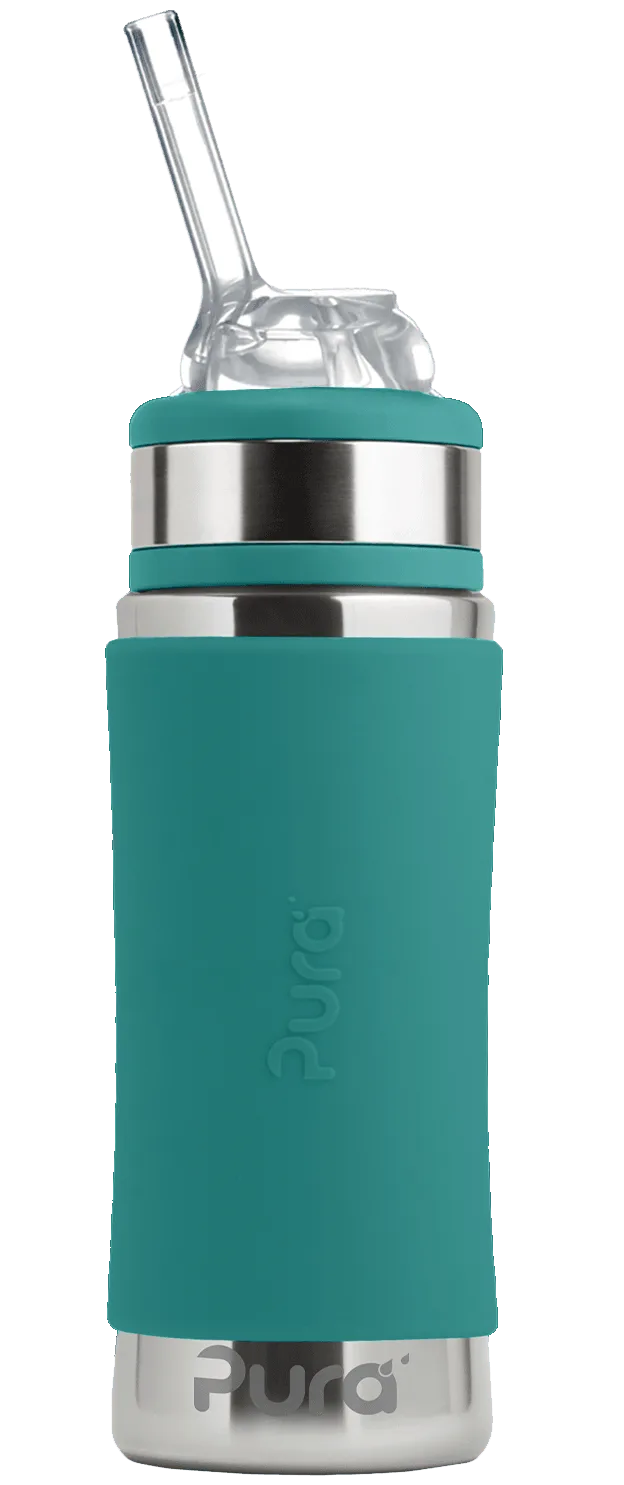
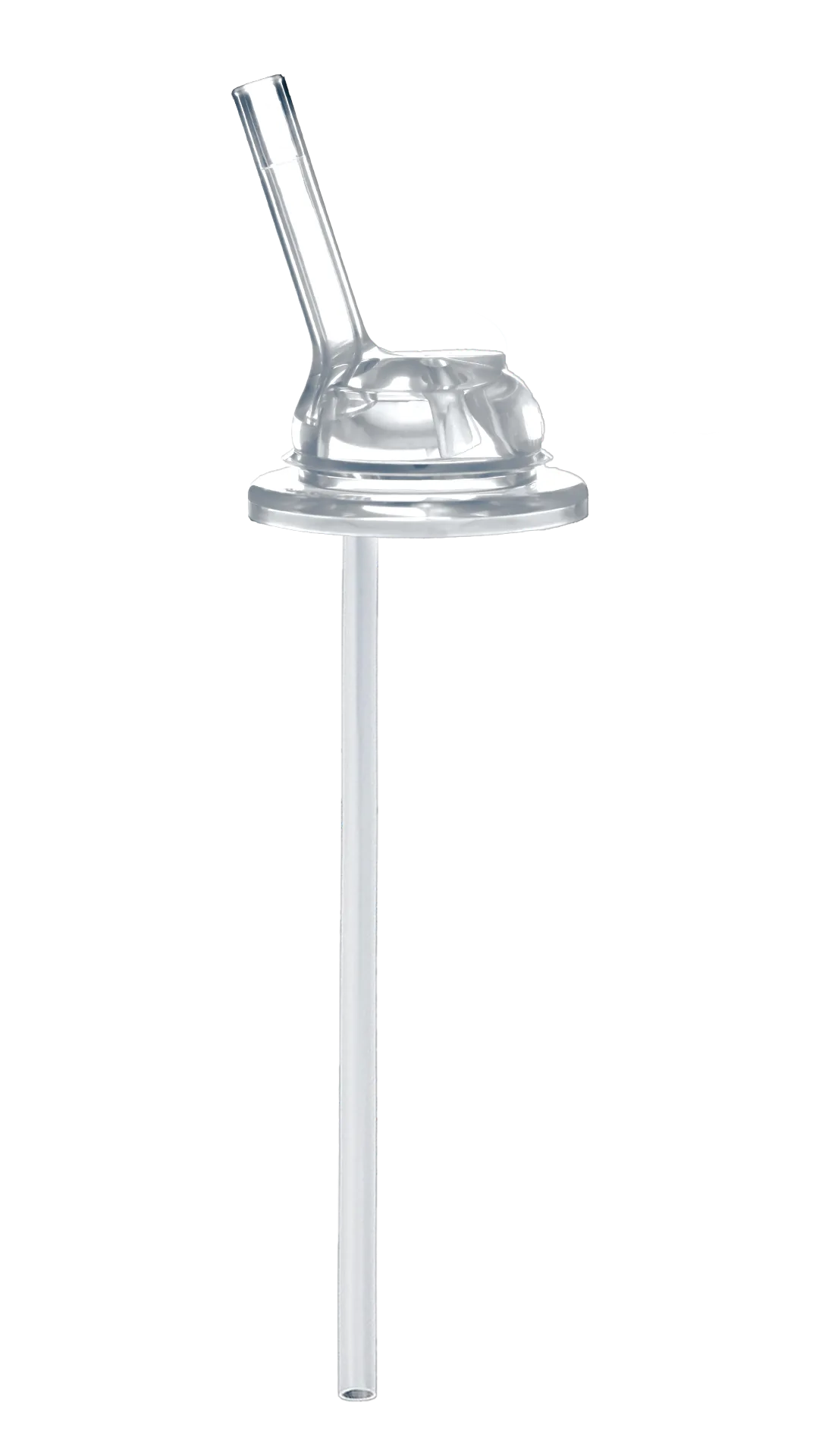
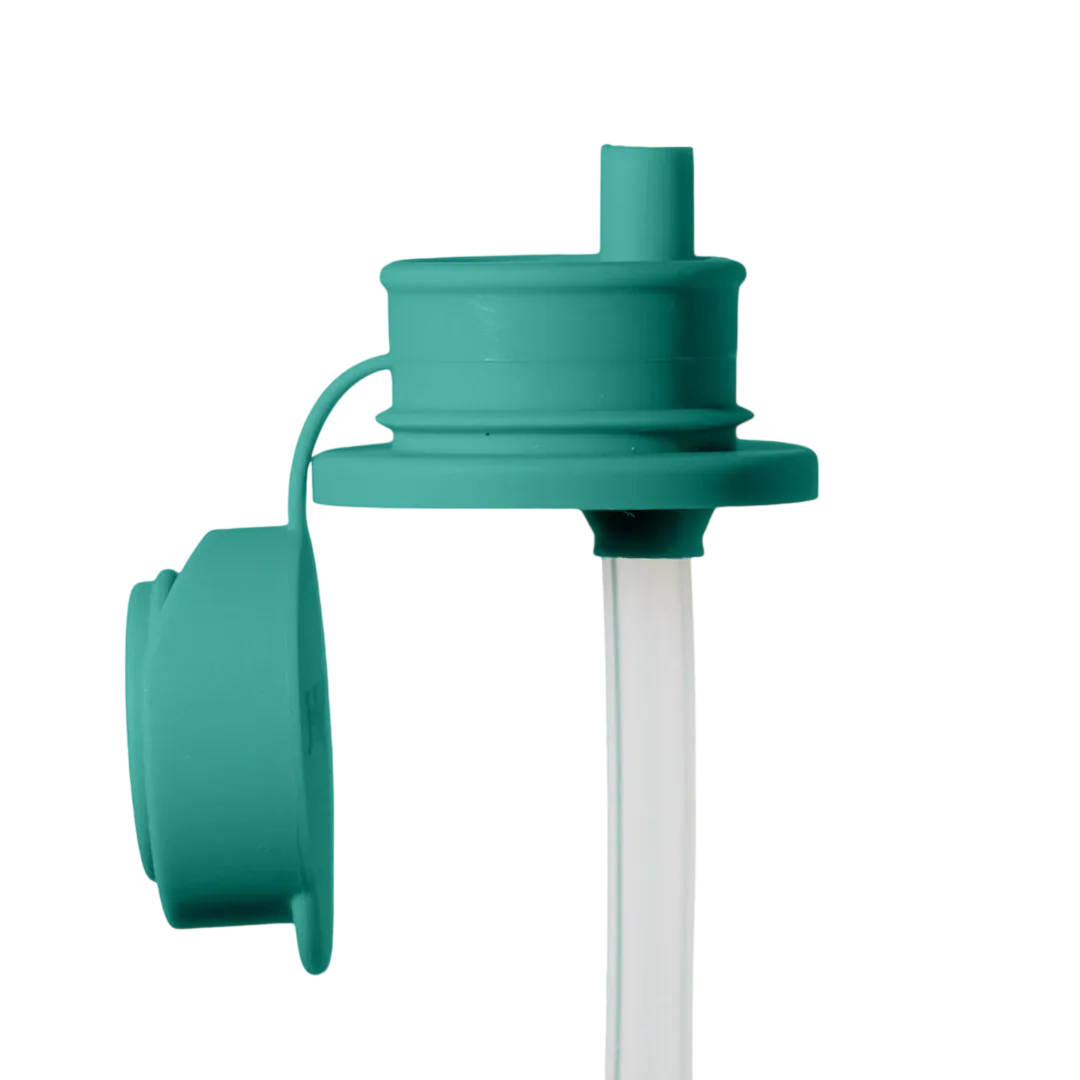
- Kiki™ 9oz Insulated Kiddo Straw Bottle: 100% plastic-free bottle, sleeve, collar, two-piece straw, and travel cover; MadeSafe certified; 18/8 food service-grade stainless steel with double-wall construction; lightweight, shatter-proof, lead-free, and top-rack dishwasher safe. A double-wall straw bottle is a practical cold option for an older sibling's water or milk, and the plastic-free straw assembly avoids plastic contact with the drink.