Quick Answer
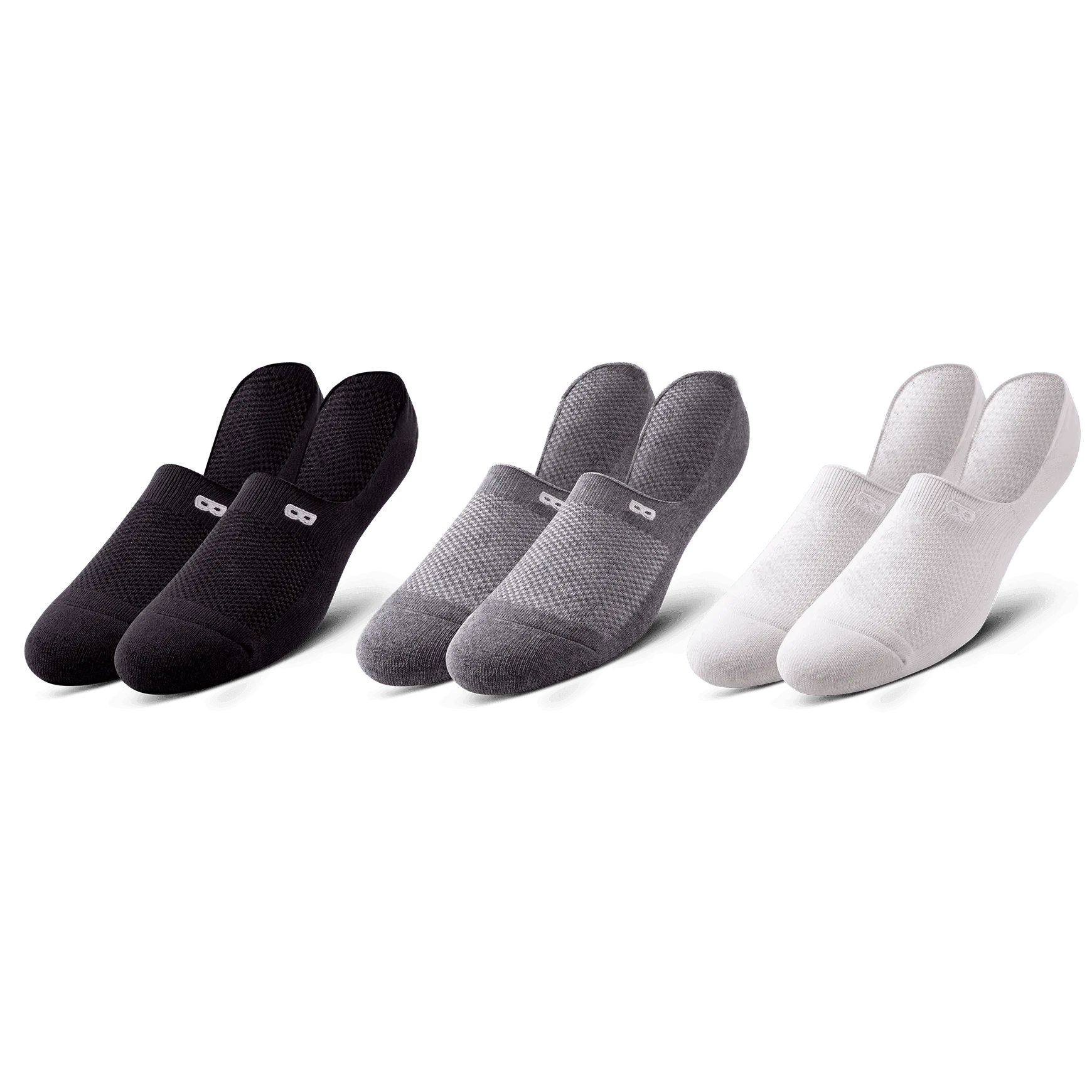
Most no show socks slip because the sock is sized too large, the heel grip has stretched out, or your shoe is a little too roomy in the heel. Check the size first, then look at the silicone grip and how the sock sits on your foot. If the sock is worn out or the shoe heel is genuinely too wide, a different sock or shoe fit is the real fix.
You pull on a pair of no show socks, slide into your sneakers, take twenty steps, and feel the sock roll down under your heel. It is one of the most annoying small problems in getting dressed, and it almost always has a specific cause you can track down.
The fix is rarely 'buy more socks.' It is usually one of three things: the sock is too big, the heel grip has lost its hold, or the shoe itself is too loose in the heel. Work through them in order and you will know within a minute whether to adjust, replace, or switch sock styles.
Start With Size, Because It Causes Most Slipping
A no show sock that is even half a size too large has extra fabric with nowhere to go. When you walk, that slack fabric bunches under your heel and the sock rolls off. This is why the same sock style can stay put on one person and fail on another. Check the size chart against your actual shoe size rather than assuming you are a 'one size fits most.'
If you are between sizes, size down for no show socks. A snug fit keeps the sock anchored to your foot instead of letting it shift inside the shoe. You want the sock to feel close but not tight across the top of your foot or toes.
- Measure your foot or check your current sneaker size before ordering.
- If the sock slides when you walk in bare feet, it is too big — fix that first.
- No show socks should feel slightly snugger than a crew sock, not looser.
Check the Heel Grip and the Sock's Condition
Many no show socks use a silicone or grip strip inside the heel to hold onto your foot. That grip is doing real work, and it wears down over time, especially if you machine dry your socks on high heat. If the grip feels smooth or slick instead of slightly tacky, the sock has lost the feature that kept it in place.
Stretched-out elastic at the opening is the other common culprit. Once the cuff loses its snap, the sock cannot stay seated on your heel. This is a wear issue, not a fit issue, and no amount of adjusting will bring the grip back.
- Run a finger along the inside heel — it should feel slightly grippy, not smooth.
- Air dry no show socks when you can to protect the grip and elastic.
- If the cuff is visibly stretched or the grip is gone, replace the pair.
Look at Your Shoe Fit, Not Just the Sock
A shoe that is too wide or too long in the heel lets your foot slide forward and back with every step. That motion drags the sock down with it, no matter how good the sock is. If you can lift your heel noticeably inside the shoe while it is laced, the shoe is part of the problem.
Try relacing for a snugger heel hold, or add a heel-lock lacing pattern. If the shoe still feels loose, the honest answer is that no show socks may not be the right choice for that pair of shoes. A low-cut or ankle sock with more coverage will stay put where a no show cannot.
- Lace the top eyelets tighter to lock your heel down.
- Test with a thin insole or a half-size down if the shoe runs large.
- If the shoe is genuinely too big, switch to a low-cut sock instead.
When to Fix It and When to Switch Socks
If the sock is the right size and the grip is intact, you can usually fix slipping with a snugger lace-up and a quick reposition before you walk. If the sock is stretched, the grip is worn, or the shoe heel is simply too roomy, stop adjusting and change the setup. Repeatedly pulling up a sock that keeps sliding is a sign the combination is not working.
For sneakers with a roomier heel, a low-cut or ankle sock with more coverage is often the more reliable choice. You give up the hidden look but gain a sock that stays where you put it. That trade is usually worth it for all-day wear.
- Fix it if: size is right, grip is tacky, shoe heel is snug.
- Switch it if: grip is worn, elastic is stretched, or the shoe heel is loose.
- Keep no show socks for snug-fitting sneakers and low-profile shoes.
Slipping Sock Diagnosis
- Sock rolls down within a few steps: The sock is likely too large, leaving slack fabric that bunches under your heel as you walk. Size down or confirm your size against the chart before anything else.
- Sock stayed put when new, now slides: The heel grip or cuff elastic has worn out, often from high-heat drying. Check the grip with your finger; if it feels smooth, replace the pair.
- Sock slides only in one specific shoe: That shoe is too loose in the heel, so your foot moves and drags the sock down. Relace for a heel lock; if it still slips, switch to a low-cut or ankle sock.
Socks Built to Stay Put
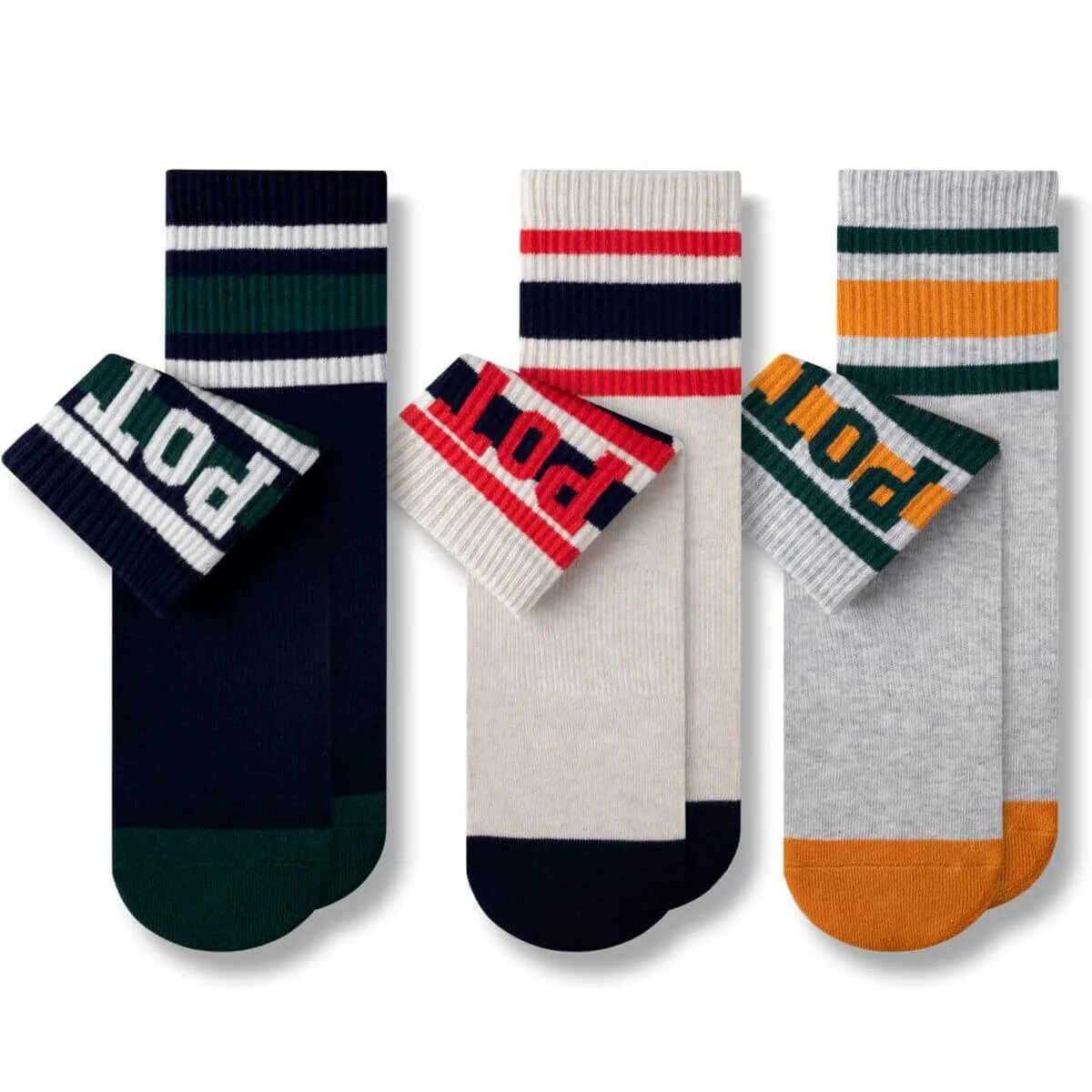
- https://pairofthievesinm.com/products/ready-for-everything-cushion-ankle-navy-grey-socks-3-pa-6fa9dee2930dd61f742b9c77-1499898Ready For Everything Cushion Ankle (3-Pack): Designed with 4-way stretch and a snug, no-shift fit, plus arch support and a reinforced heel and toe. The snug, no-shift fit and 4-way stretch help the sock stay seated on your foot instead of rolling under your heel, while the reinforced heel and toe hold up to daily wear.
- SuperCool Cushion Low-Cut (3-Pack): Features cooling air vents, stay-dry tech, and ankle and arch support. If your no show socks keep slipping in roomier sneakers, this low-cut option adds ankle coverage and arch support so the sock has more to hold onto.
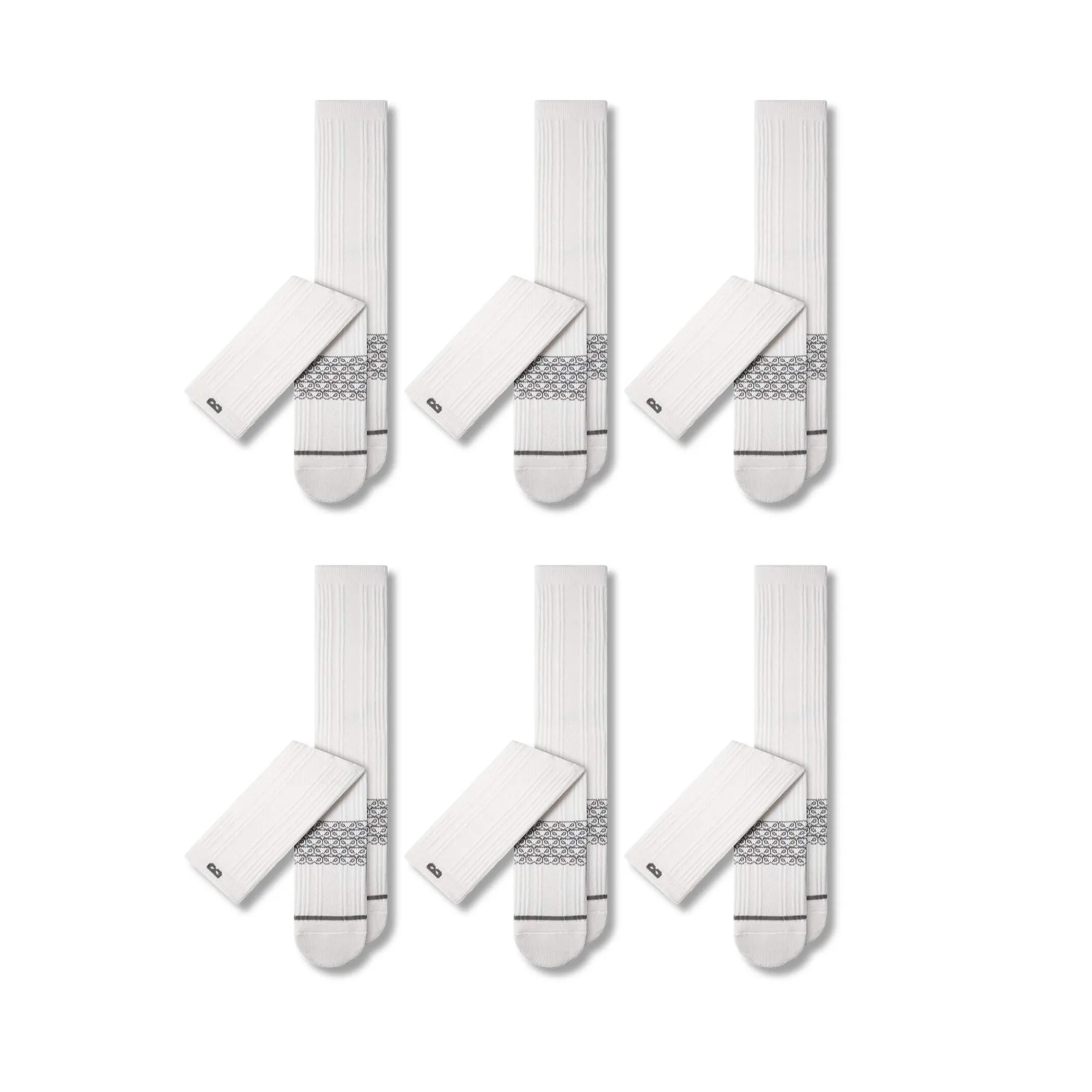
- BOWO Cushion Ankle - Neutrals (10-Pack): Cooling, breathable, with 4-way stretch, a snug no-shift fit, arch support, and a reinforced heel and toe. A larger pack lets you rotate pairs so the elastic and grip recover between wears, which helps socks keep their hold longer.
No show socks slipping off your heel is almost always a size, grip, or shoe-fit issue, not bad luck. Check the size first, inspect the heel grip, then look at how your shoe holds your heel. Fix what you can, and when the sock or shoe is the real problem, switch to a low-cut or ankle sock that stays put.