Quick answer
Keep Playforever toy cars looking new by dusting them with a soft, dry cloth after play, washing only with mild soap and water when needed, and storing them away from direct sunlight and hard surfaces. Avoid alcohol, ammonia, and abrasive cleaners, which can dull the paint. A consistent two-minute routine prevents most scratches and fading.
Why Playforever cars need a different care routine
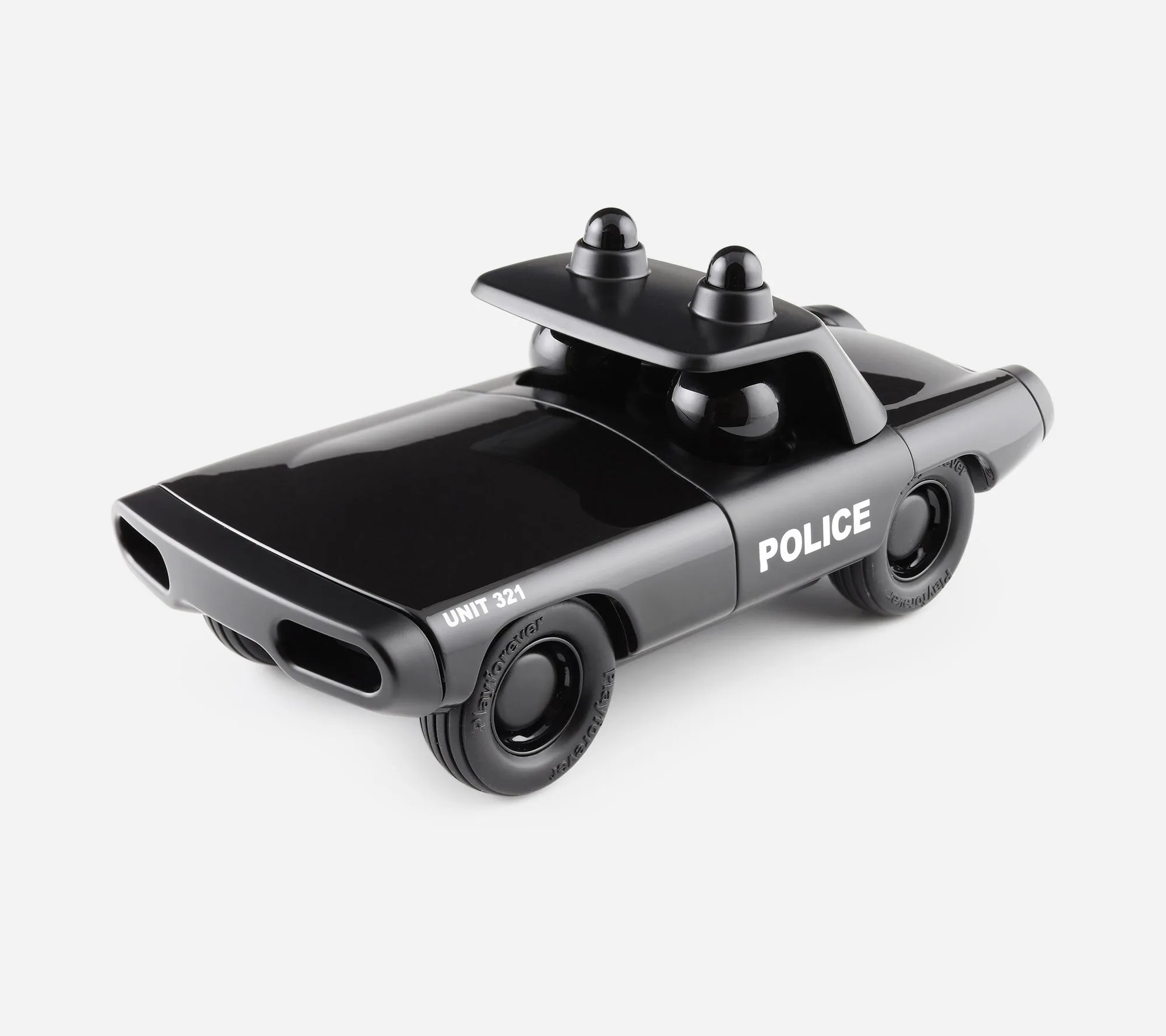
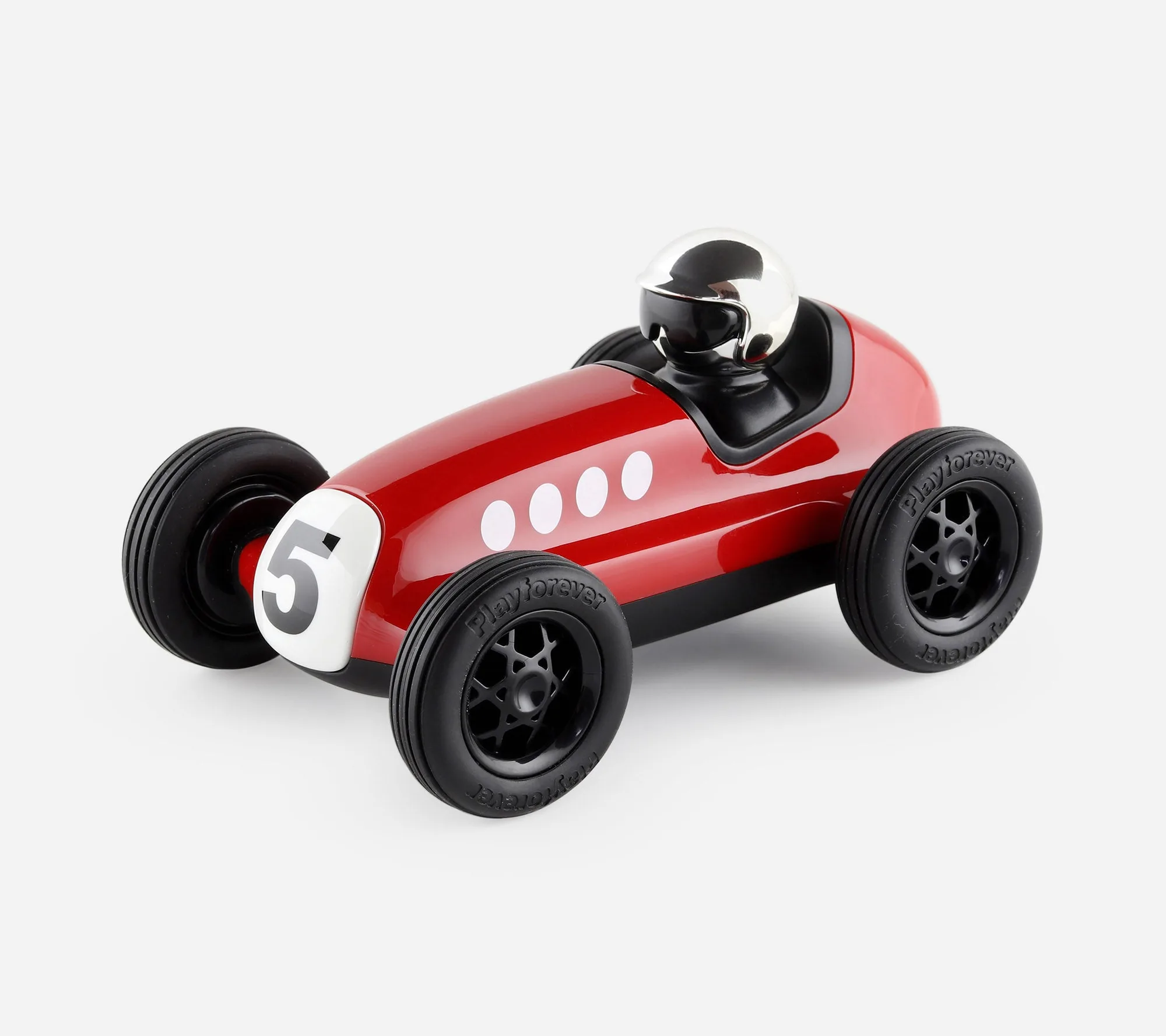
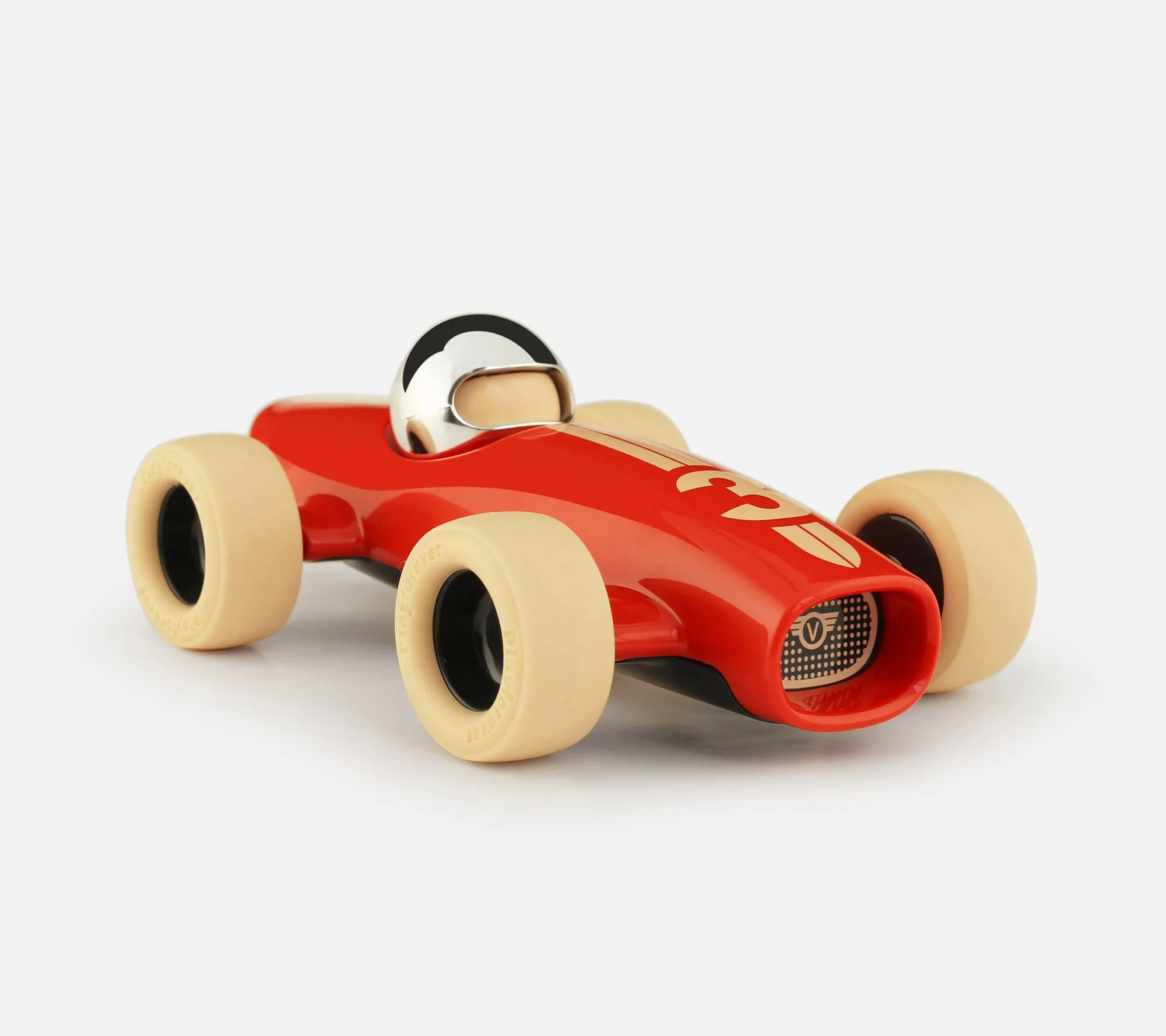
Playforever cars are built as collector-grade icons that kids can play with and adults can keep. That dual purpose means they face more handling than a display-only model. The painted surfaces and rolling wheels are designed to withstand play, but they still benefit from basic protection against dust, grit, and UV light. Unlike die-cast metal toys, Playforever cars use a smooth painted finish that can show fine scratches if wiped with rough cloths or left on gritty surfaces. The steps below focus on prevention first, then gentle cleaning when needed.
What to avoid: cleaners and habits that age toy cars
Many household cleaners are too harsh for toy car paint. Alcohol, ammonia-based glass cleaners, and abrasive creams can strip the gloss or leave a cloudy film. Paper towels and old rags may contain wood fibers that create micro-scratches. Leaving cars on windowsills or in hot cars accelerates fading and can warp plastic parts. Even repeated handling with dirty hands transfers oils that dull the finish over time.
- Never use disinfecting wipes, acetone, or bleach solutions.
- Skip ultrasonic cleaners and dishwashers, which can damage wheels and axles.
- Do not store cars loose in a box with metal or wooden toys that can chip paint.
How often should you clean Playforever cars?
For cars that are played with daily, a quick dry dusting after each session takes seconds and removes most grit. A deeper wash with mild soap is only needed when you see sticky residue, fingerprints, or visible grime. Cars kept mainly on display need dusting every two to four weeks. Over-cleaning with water can introduce moisture around axles, so stick to dry methods unless the car is actually dirty.
Your step-by-step Playforever care routine
- Dust after every play session: Use a clean, dry microfiber cloth or a soft makeup brush to wipe down the body, wheels, and crevices. This removes abrasive dust before it can scratch the paint. Checkpoint: if you see streaks, your cloth may be dirty—switch to a fresh one.
- Wash only when necessary with mild soap: Fill a bowl with lukewarm water and a drop of gentle dish soap. Dip a soft cloth, wring it out, and wipe the car. Do not submerge the car or run water directly over the wheels. Mistake to avoid: using hot water or leaving the car wet, which can loosen adhesives or trap moisture in axles.
- Dry immediately with a soft towel: Pat the car dry with a lint-free microfiber towel. Pay attention to wheel wells and any recessed areas where water can sit. Checkpoint: ensure no water droplets remain before storing.
- Polish lightly to restore shine: For a streak-free finish, buff the painted surfaces with a dry microfiber cloth. Avoid polishing compounds or waxes, which can build up in crevices. Mistake to avoid: using paper towels, which can leave lint and micro-scratches.
- Store properly to prevent damage: Keep cars on a shelf or in a display case away from direct sunlight. If stacking, place a soft cloth or foam between cars. Avoid storing in extreme heat or cold. Checkpoint: rotate displayed cars every few months to even out light exposure.
Playforever cars built for play and keeping
- Velocita Emilio: Collector grade icons for kids who play and adults that keep. Inspired by the dangerous, high-speed F1 racing of the 1970s. The 1970s F1 inspiration means bold graphics and a finish that benefits from gentle dusting to preserve its period look.
- Malibu Benjamin: Rollin' Icons for kids who play and adults that keep. Drawing inspiration from the cigar-shaped Formula 1 cars of the late 1950s and early 1960s, but with a modern Playforever twist, built for speed. The elongated shape has more painted surface area, so it shows dust and fingerprints more readily; a soft cloth keeps it showroom-ready.
- Turbo Miami: Collector grade icons for kids who play and adults that keep. Formula 1 in the 1980s was all about turbocharging to get more speed, and downforce was your only friend getting you around fast corners alive. The 1980s turbo era styling often includes matte or metallic accents that can be dulled by abrasive cleaners, so mild soap is safest.