Quick Answer
Yellow gold itself does not tarnish, so if your bracelet looks dull or dark, the cause is almost always surface buildup, skin oils, lotions, or a lower-karat alloy. Scratches come from contact, not from weak gold. The fix is a two-part routine: remove the bracelet before the activities that scratch it, and clean it gently once a week so the shine returns without abrasive polishing.
Why Yellow Gold Changes Appearance Over Time
Pure gold is soft and resistant to tarnish, but most yellow gold jewelry is alloyed with metals like copper, silver, or zinc to make it durable enough for daily wear. Those alloy metals can react with sweat, perfume, sunscreen, and chlorine, which is why a bracelet can look darker or duller even though the gold content has not changed. The change is usually a film on the surface, not damage to the metal underneath.
Scratches are a separate issue. Gold is softer than the steel, ceramic, and stone surfaces it meets during the day, so tiny abrasions accumulate wherever the bracelet rubs against a desk edge, a laptop, or another piece of jewelry. Most of what people call tarnishing on yellow gold is actually a combination of surface film and fine scratches that scatter light.
Prevent Scratches Before They Start
The most effective scratch prevention is removal. Take your bracelet off before the tasks that put it in contact with hard surfaces: typing on a metal laptop, lifting weights, gardening, doing dishes, or moving furniture. A soft cloth pouch in your bag or a small dish by the sink makes this easy to actually do.
When you wear multiple bracelets, separate them. Metal-on-metal contact is the fastest way to create a dull, scratched finish. If you like the layered look, put a soft leather or cord bracelet between gold pieces, or wear them on opposite wrists. For a single statement piece, consider a design with a smooth, rounded profile rather than sharp edges, since rounded edges are less likely to catch and scratch.
Clean Yellow Gold Without Causing Damage
For routine cleaning, warm water with a drop of mild dish soap and a soft baby toothbrush is enough. Brush gently around any gemstone settings and the clasp, then rinse and pat dry with a lint-free cloth. This removes the oils and residue that make gold look dull without removing any metal.
Skip toothpaste, baking soda, and rough cloths. They are abrasive and will add scratches rather than remove them. If your bracelet has a gemstone, check whether it is porous before soaking it; opal and pearl should not sit in water. For pieces with a protective coating or engraving, avoid ultrasonic cleaners unless the maker confirms they are safe.
Store Gold Bracelets So They Stay Shiny
Storage is where most people undo their care routine. A crowded jewelry box lets bracelets knock against each other and against harder pieces, creating new scratches overnight. Give each bracelet its own soft pouch or a lined compartment, and fasten the clasp so the chain does not tangle.
Keep pieces away from direct sunlight, radiators, and humid bathrooms. Humidity speeds up tarnish on the alloy metals in lower-karat gold and can discolor the surface over time. A dry, dark drawer with a tarnish-inhibiting strip is a simple upgrade if you live in a humid climate.
When to Stop and Choose a Different Option
If a bracelet has deep gouges, a bent clasp, or a stone that has shifted in its setting, stop cleaning it at home. Those are structural problems, and further brushing or polishing can make them worse. Take it to a jeweler for assessment.
If you find that your lifestyle keeps damaging delicate gold, the honest answer may be to choose a different piece rather than fight the scratches. A wider band, a brushed finish, or a design that sits closer to the wrist will hide wear better than a thin, high-polish chain. For anyone who wants a low-maintenance gold piece with meaning, a ring with an engraved inner message or a reversible design can be a better daily companion than a fragile bracelet.
Diagnose Your Bracelet Before You Treat It
- Dull, dark, or yellowish film: This is surface buildup from skin oils, lotion, or soap residue. Clean with warm water, mild dish soap, and a soft baby toothbrush, then dry with a lint-free cloth. If the shine returns, the metal was fine. If it does not, move to the next symptom.
- Fine scratches that scatter light: These come from contact with harder surfaces and other jewelry. Stop wearing the bracelet during tasks that involve metal, stone, or ceramic contact, and store it in its own soft pouch. Prevention stops new scratches. Existing fine scratches need a jeweler's polish, not a home abrasive.
- Dark patches that return quickly after cleaning: This points to a lower-karat alloy reacting to sweat, perfume, or chlorine. Rinse the bracelet after contact with these, and keep it away from pools and hot tubs. If the patches persist, the piece may not suit daily wear for your routine. Consider a tarnish-resistant design instead.
Moon Magic Pieces That Hold Up to Daily Wear
- Opal Energy Ring - Positivity Engraved: Opal Energy Ring - Positivity Engraved features a tarnish-resistant band with "Positivity" engraved inside. A tarnish-resistant band means less routine polishing, and the inner engraving stays protected from the scratches that hit the outer surface.
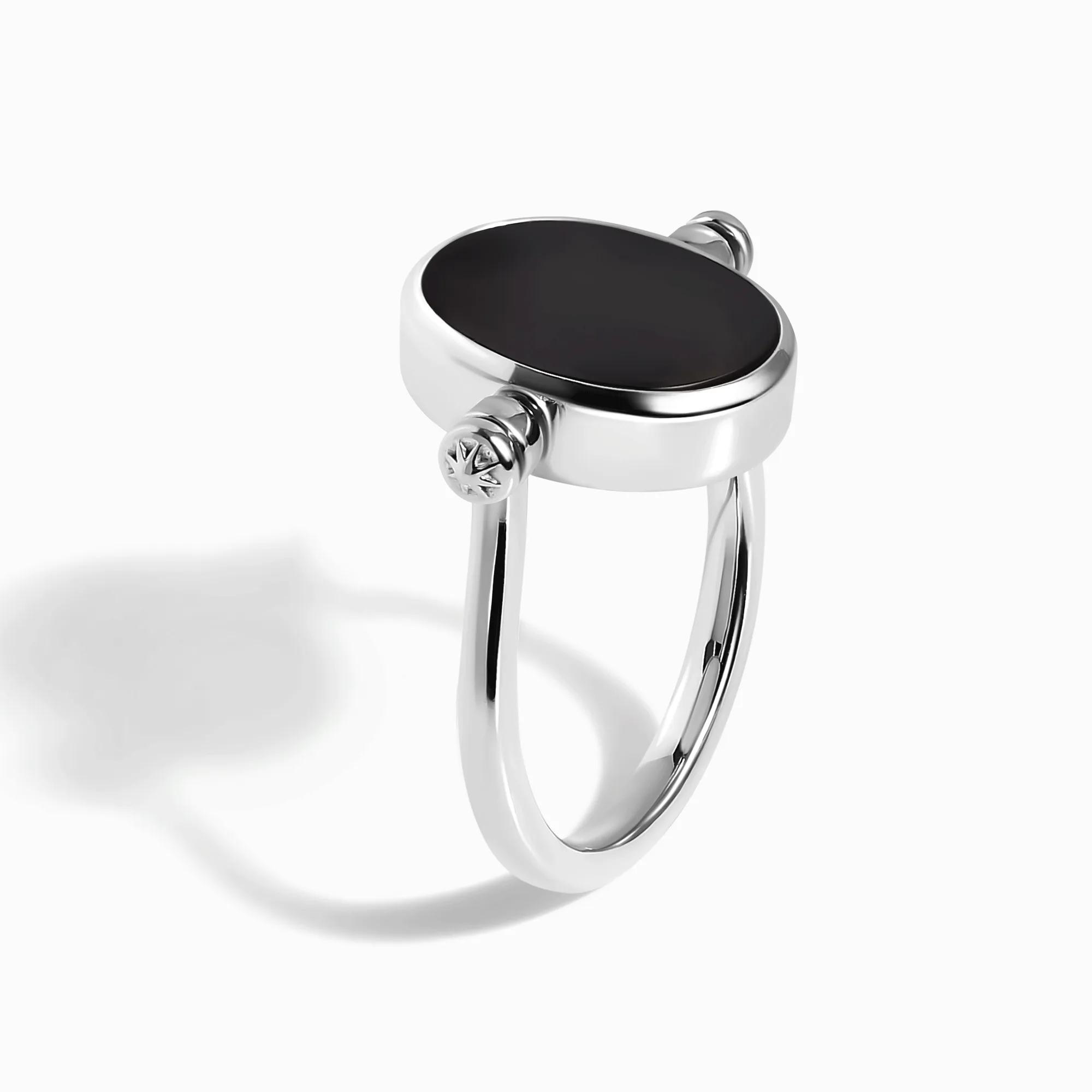
- Black Onyx Mother of Pearl Fidget Ring - Spinning Enfolded: Black Onyx Mother of Pearl Fidget Ring - Spinning Enfolded has a reversible spinning design with Mother of Pearl on one side and Black Onyx on the other. A spinning ring gives your fingers something to do, which can reduce the fidgeting that leads to knocking a bracelet against hard surfaces.
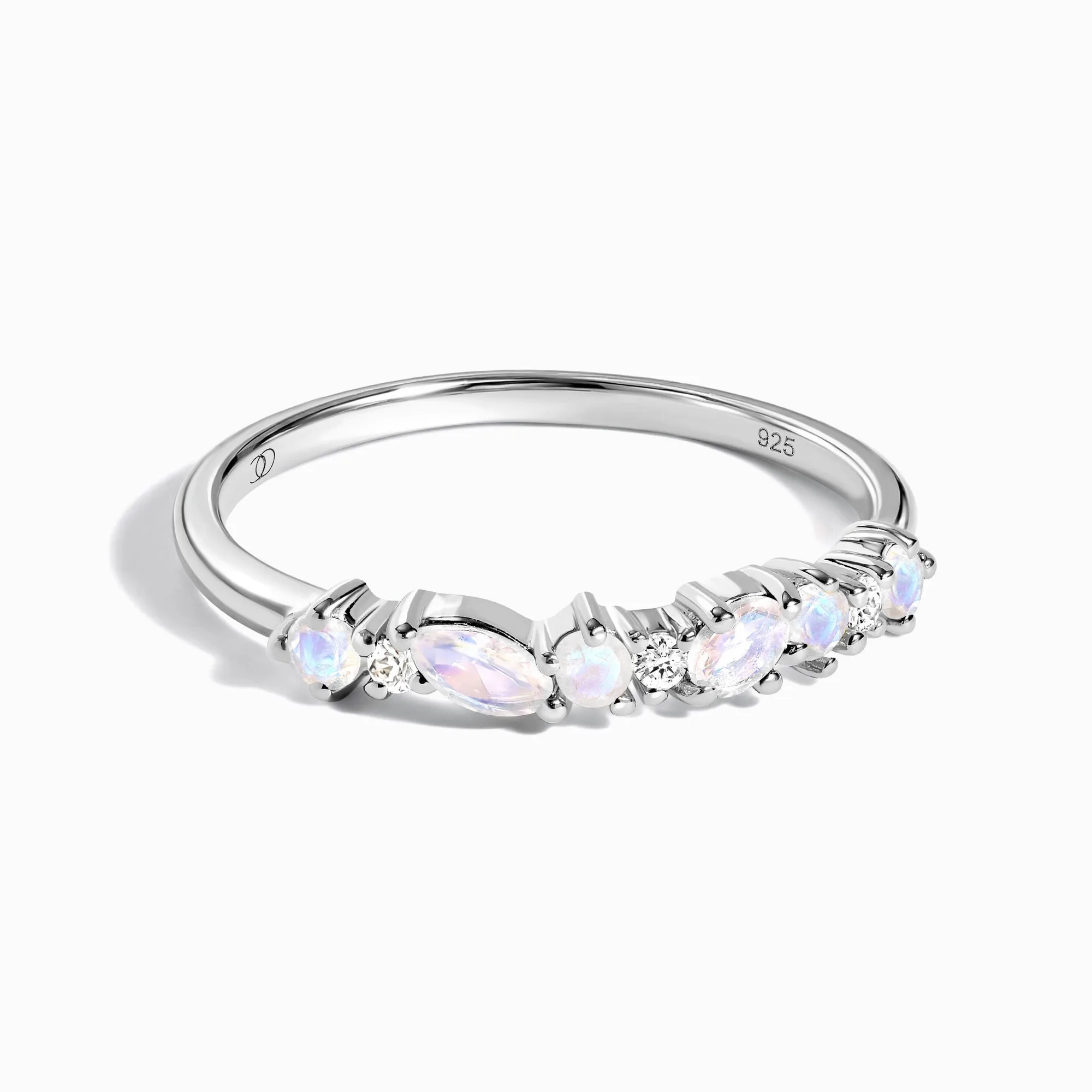
- Fine Moonstone Lab Diamond Ring - Grace: Fine Moonstone Lab Diamond Ring - Grace pairs Rainbow Moonstone with a Lab Diamond in a setting designed for daily wear. If you are replacing a scratched bracelet with a ring, this piece offers a similar gemstone-forward look with less surface area exposed to contact.