There’s nothing quite like the feeling of sliding into a bed with smooth, crisp sheets. But over time, even the best bedding can develop those annoying little balls of fiber known as pills. Not only do they make your sheets look worn and tired, but they can also feel rough against your skin. If you’ve noticed pilling on your sheets, you’re not alone. The good news is that with the right knowledge and care, you can significantly reduce—or even prevent—pilling altogether.
In this guide, we’ll explore the common causes of sheet pilling, how to choose fabrics that resist it, and the best practices for washing and drying to keep your sheets looking and feeling like new. Whether you sleep on microfiber or cotton, these tips will help extend the life of your bedding.
What Causes Sheets to Pill?
Pilling happens when short or loose fibers on the surface of the fabric tangle together into small balls. This is most common in areas that experience friction, such as where your body rubs against the sheet or where the sheet rubs against the mattress. Low-quality fabrics with shorter fibers are especially prone to pilling because the fibers are not tightly twisted together.
Other factors include the weave of the fabric (looser weaves pill more), the type of detergent used (harsh chemicals can weaken fibers), and the washing and drying methods (high heat and aggressive cycles can cause friction). Even the way you sleep can contribute—if you toss and turn a lot, you may notice more pilling on your side of the bed.
- Friction from body movement or mattress rubbing
- Short-fiber fabrics (e.g., low-quality cotton or polyester blends)
- Aggressive washing cycles or high heat drying
- Harsh detergents or fabric softeners that break down fibers
Choosing Pilling-Resistant Fabrics
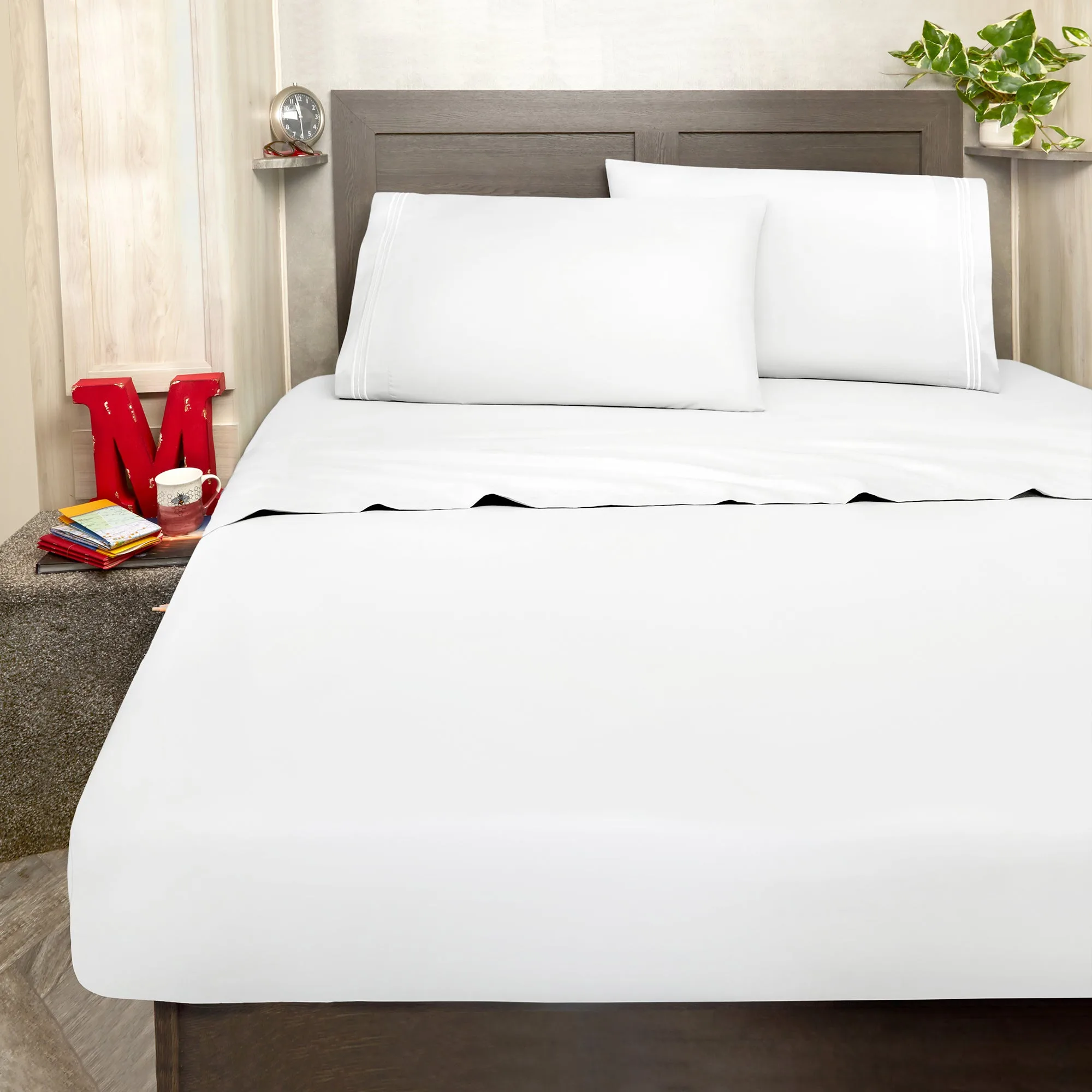
Not all sheets are created equal when it comes to pilling. Microfiber sheets, like those made from high-quality polyester microfiber, are known for their durability and resistance to pilling because the fibers are extremely fine and tightly woven. Mellanni’s microfiber sheet sets are designed with long-lasting softness and minimal pilling, even after many washes.
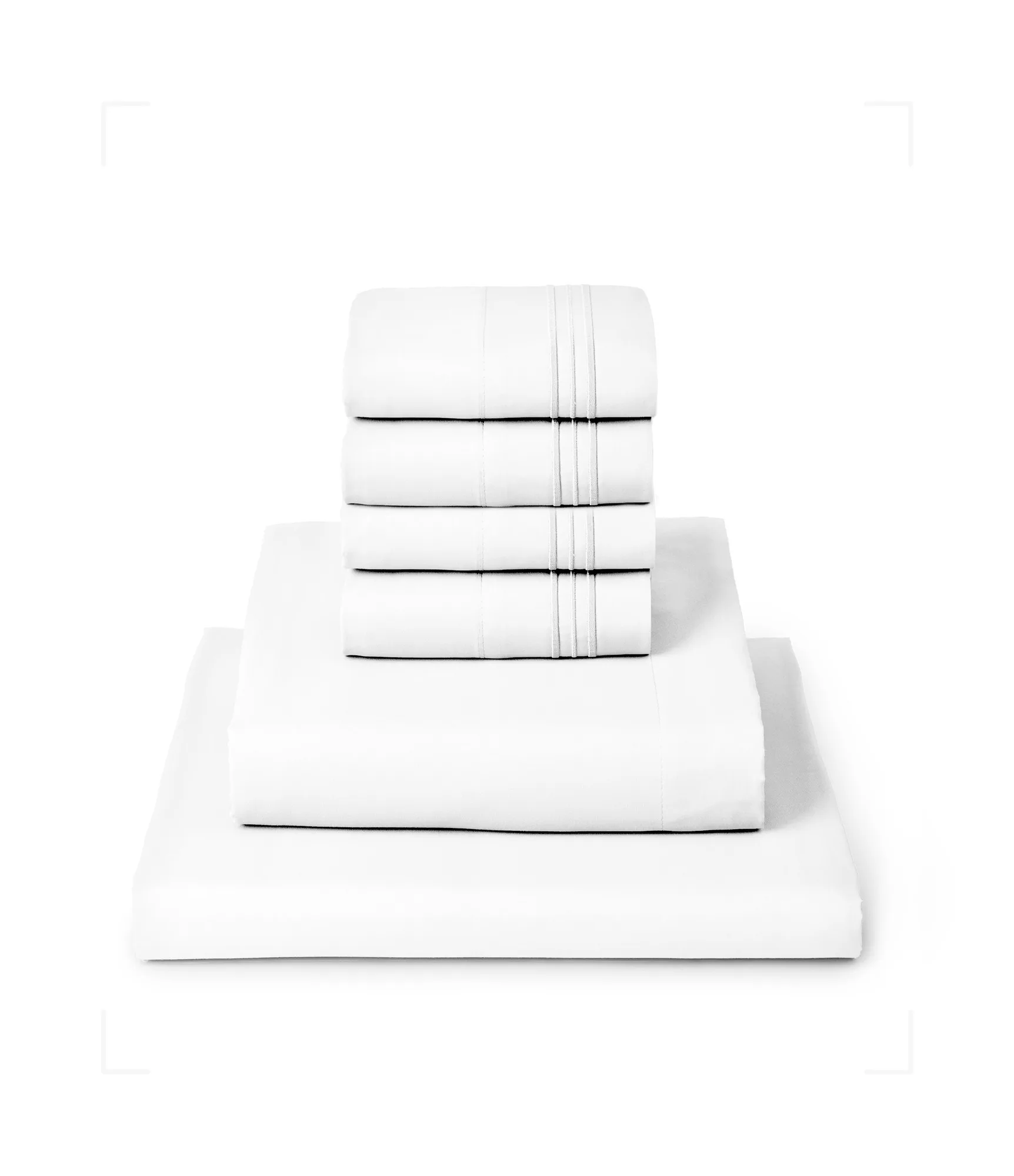
Cotton sheets can also be pilling-resistant if they are made from long-staple fibers (like Egyptian or Pima cotton) and have a high thread count. However, microfiber remains a top choice for those who want low-maintenance, pill-free bedding. For example, the Iconic 6-Piece Extra Deep Microfiber Sheet Set offers a deep pocket design that reduces friction on the corners, further minimizing pilling.

Iconic 6-Piece Extra Deep Microfiber Sheet Set
- Microfiber: tightly woven, fine fibers resist pilling naturally
- Long-staple cotton: Egyptian or Pima cotton with high thread count
- Avoid low-quality polyester blends with short fibers
- Consider sateen or percale weaves for smoother surfaces
Washing and Drying Tips to Prevent Pilling
How you care for your sheets plays a huge role in preventing pilling. Always wash your sheets in cold or warm water on a gentle cycle. Hot water can weaken fibers and cause them to break, leading to more pills. Turn your sheets inside out before washing to reduce friction on the outer surface. Use a mild liquid detergent—powdered detergents can be abrasive and leave residue that contributes to pilling.
Avoid fabric softeners and dryer sheets, as they coat the fibers with a waxy layer that can cause them to break down over time. Instead, add a half cup of white vinegar to the rinse cycle to naturally soften fabrics and remove detergent residue. When drying, use a low heat setting or air dry if possible. High heat can damage fibers and accelerate pilling. Remove sheets from the dryer while they are still slightly damp to reduce wrinkles and friction.
- Wash on gentle cycle with cold or warm water
- Turn sheets inside out to protect the surface
- Skip fabric softeners and dryer sheets
- Use a mild liquid detergent; avoid bleach
- Dry on low heat or air dry; remove while slightly damp
Additional Tips for Long-Lasting Sheets
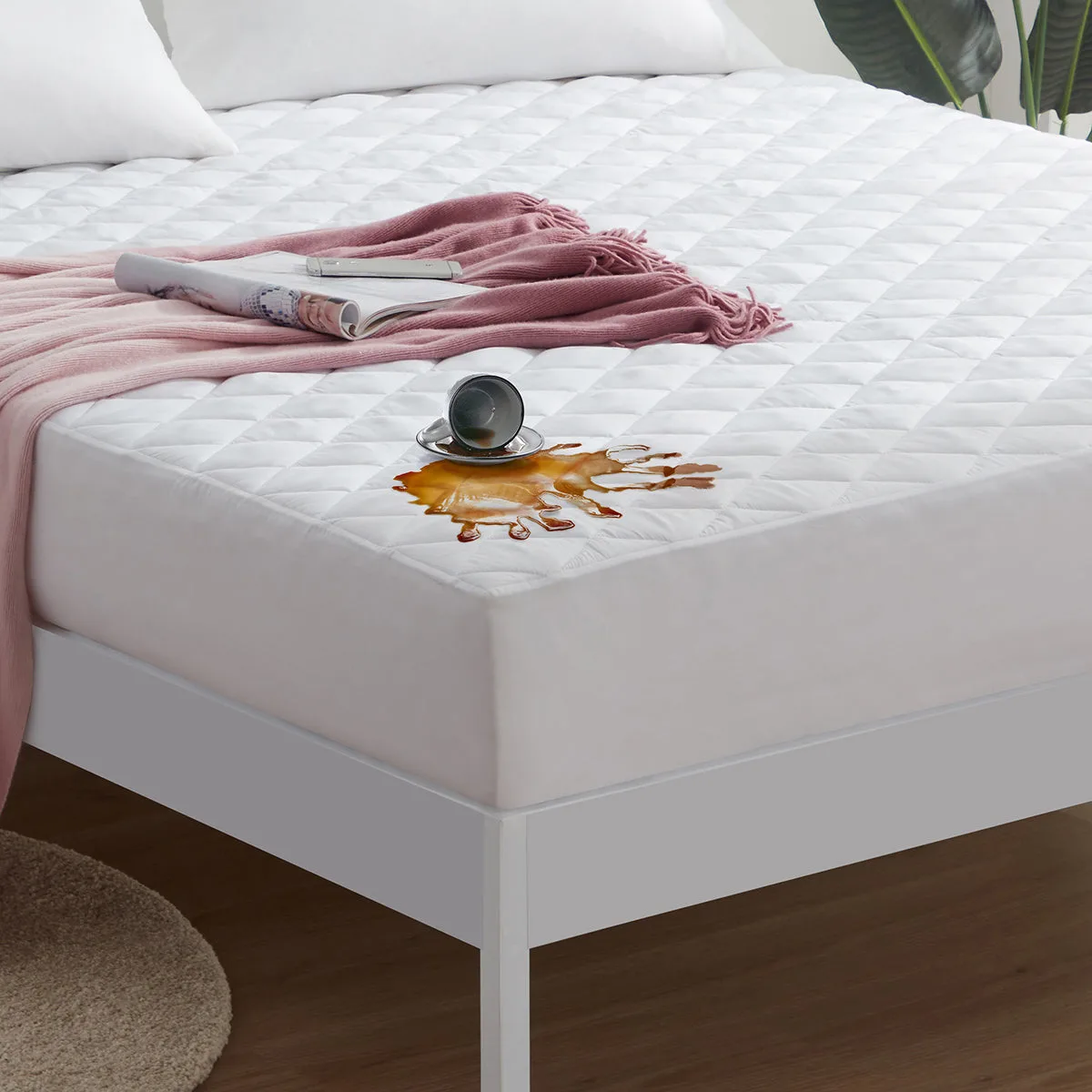
In addition to proper washing, there are other steps you can take to keep your sheets pill-free. Rotate between two or more sets of sheets to reduce wear on any single set. This also gives your sheets time to recover between uses. If you have a mattress with a rough surface, consider using a mattress pad or protector to create a smoother base that reduces friction.
When storing your sheets, fold them neatly and keep them in a cool, dry place. Avoid overcrowding your linen closet, as pressure can cause creases and fiber stress. If you notice pills starting to form, you can gently remove them with a fabric shaver or a sweater comb. Just be careful not to cut the fabric itself. For best results, invest in high-quality sheets from the start—Mellanni’s bedding is designed to resist pilling and maintain its softness wash after wash.
- Rotate between multiple sheet sets to reduce wear
- Use a mattress pad to minimize friction
- Store sheets loosely folded in a cool, dry place
- Remove pills gently with a fabric shaver if needed
By understanding what causes pilling and adopting a few simple care habits, you can keep your sheets smooth and comfortable for years. Start with a quality foundation—like the Iconic 6-Piece Extra Deep Microfiber Sheet Set from Mellanni—and follow our washing tips to enjoy pill-free sleep. Your sheets (and your skin) will thank you.