Quick answer
Empty the case completely, sort every item into keep, relocate, or toss, then build zones for daily, occasional, and backup products. Clean the case before you reload it, and finish with a five-minute weekly reset so the system survives real mornings.
A vanity case only stays organized if it is set up for the way you actually get ready. Most cases fail because everything is stored at the same level of importance, so the items you reach for daily get buried under backups and special-occasion products.
The routine below is a full reset you can do once, plus habits that keep it working. It takes about an hour the first time and five minutes a week after that. If you already have a cosmetic bag or case you like, you do not need to replace it; you need a layout that matches your routine.
Start by emptying everything out
Tip the entire case onto a clean towel or tray. Leaving even a few items inside means you will sort around them instead of deciding properly, and you will miss the leaky foundation or the broken compact at the bottom. Work on a surface you can wipe down afterward.
As you empty the case, group items loosely by type: base makeup, color products, tools, skincare, and hair accessories. Do not organize yet. The goal is to see the true volume of what you own before you decide what stays.
- Checkpoint: if the pile is bigger than the case, something has to leave before you reload.
Sort into keep, relocate, and toss
Pick up each item and ask three questions: do I use it, is it still good, and does it belong in a vanity case? Anything expired, dried out, or broken goes in the toss pile. Products you use only for travel, special events, or backup refills go in the relocate pile and should live elsewhere.
Be honest about duplicates. Three near-identical nude lipsticks take up the same space as one you love. Keep the one you reach for and relocate the rest to a drawer or a separate storage spot.
- Common mistake: keeping an item because it was expensive. Cost is already spent; space is the thing you are managing now.
Assign zones inside the case
Divide the case into three zones: daily, occasional, and tools. Daily items go in the most accessible spot, usually the top layer or the front section. Occasional items go deeper or to one side. Tools like brushes, sponges, and tweezers get their own area so they do not shed or smudge against creams and powders.
If your case has a lid pocket or elastic loops, use those for flat items such as palettes, pencils, and liners. Tall bottles belong upright where they will not leak into everything else. Zone by frequency of use, not by product category, and the case will feel easier every morning.
- Checkpoint: you should be able to reach your daily items without lifting anything else out.
Use dividers and small pouches to stop the shuffle
Loose items migrate. A few small pouches or dividers keep categories separate and make the case easier to reload after cleaning. Use one pouch for lip products, one for eye products, and one for tools, or split by finish if that matches how you get ready.
Do not overfill pouches. If a pouch bulges, it will not sit flat in the case and it will push other items out of place. Leave a little slack in each one so you can open and close it without fighting the zipper.
- A pencil case can work as a slim inner organizer for liners, brushes, or small tools.
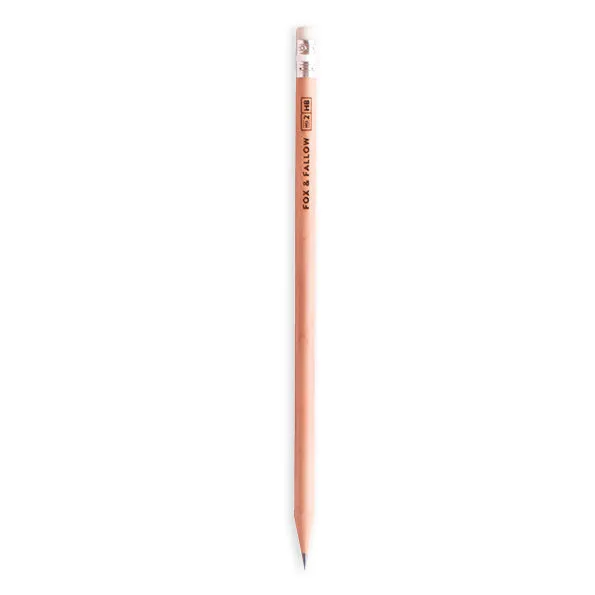
pencil
Clean the case before you reload it
Wipe the interior with a damp cloth and a small amount of mild soap, then dry it fully before putting anything back. Pay attention to corners and seams where powder collects. If the case has a lining that cannot get wet, spot clean instead and let it air out.
Check the exterior and zipper too. A sticky zipper or a stained outer panel makes the whole case feel messy even when the inside is tidy. Once it is dry, reload zone by zone so you do not undo your sorting.
- Common mistake: reloading while the lining is still damp, which traps moisture and odor.
Set a five-minute weekly reset
Once a week, tip out the daily zone, wipe the base, and put everything back where it belongs. This catches leaks, crumbs, and items that drifted in from your bag. It also gives you a chance to move anything you have not used in a month back to the relocate pile.
Pair the reset with something you already do, like a Sunday evening routine or the first morning after laundry day. A reset tied to an existing habit is far more likely to survive a busy week than one that depends on remembering.
- Checkpoint: if the reset takes longer than five minutes, you are storing too much in the case.
Adjust the layout when your routine changes
A layout that worked in summer may not work in winter, and a case packed for travel needs different zones than one that lives on a dresser. Every few months, look at what you actually reach for and move those items to the front. Vanity case organization is maintenance, not a one-time project.
If the case has become a catch-all for hair ties, samples, and receipts, treat it to another full reset. The seven steps above get faster each time because you already know what belongs.
- Keep a small tray or pouch outside the case for overflow rather than forcing everything inside.
Your seven-step vanity case reset
- Empty the case completely: Tip everything onto a clean towel and group items loosely by type so you can see the real volume. Checkpoint: if the pile is larger than the case, plan to remove something before reloading.
- Sort into keep, relocate, and toss: Check each item for use, condition, and whether it belongs in a vanity case at all. Common mistake: keeping expired or duplicate products because they were expensive.
- Build daily, occasional, and tool zones: Place daily items where you can reach them without lifting anything else; put tools in their own area. Checkpoint: daily items should be accessible in one motion.
- Add dividers or small pouches: Separate lip, eye, and tool categories so items do not shuffle together. Do not overfill pouches; leave slack so they sit flat.
- Clean the case before reloading: Wipe the interior with mild soap and water, dry fully, and spot clean if the lining cannot get wet. Common mistake: reloading while the lining is still damp.
- Do a five-minute weekly reset: Empty the daily zone, wipe the base, and return everything to its place once a week. Checkpoint: if it takes longer than five minutes, you are storing too much.
- Review the layout when your routine changes: Move what you actually reach for to the front and relocate the rest every few months. Vanity case organization is ongoing maintenance, not a one-time fix.
Products that support a tidy vanity case
- Barcelona Large Pencil Case: Extra wide and designed to fit a full set of pens and pencils, and described as durable and functional. Its wide, durable build makes it a practical inner organizer for liners, brushes, and small tools inside a larger vanity case.
- Forest Friends Caramel Organic Fitted Bassinet Sheet/Change Pad Cover - LAST CHANCE: Made from a soft, stretchy organic cotton jersey blend that is GOTS and Oeko-Tex Standard 100 certified. If you clean your vanity case on a washable surface, a certified organic cotton cover gives you a soft, safe layer to work on while you sort and wipe items.
A vanity case stays organized when the layout follows your daily routine and the case gets a quick weekly reset. Start by emptying everything, sort honestly, build zones, clean before you reload, and adjust as your routine changes. The first reset takes an hour; the ones after that take minutes.