Quick Answer
To lace hunting boots for stealth and comfort, use a heel-lock lacing technique to secure your foot, keep laces snug but not tight, and tuck or tie them to avoid noise and snags.
Why Lacing Matters for Hunters
Proper lacing isn't just about keeping your boots on—it's about staying quiet and avoiding sore feet during long sits and steep climbs. A loose boot can cause friction and blisters, while an over-tightened boot can restrict circulation and make every step louder as your foot shifts inside.
The right lacing technique also helps you move with stealth. Flapping laces or a loose ankle can brush against brush and rocks, creating noise that alerts game. A secure, tucked lacing system keeps everything quiet and out of the way.
Trade-Offs: Snug vs. Comfortable
There's a balance between locking your heel in place and letting your foot breathe. A heel-lock (also called a runner's loop) gives you a secure fit, but if you pull too hard, it can put pressure on the top of your foot. Start with a snug feel, then adjust after a few minutes of walking.
Also, consider the terrain. For steep downhill sections, a tighter lacing around the ankle provides more support. For flat walking, slightly looser lacing can improve circulation and reduce fatigue. You can adjust your lacing on the trail without stopping for long.
Step-by-Step Lacing for Stealth and Comfort
- Start with the right tension at the bottom: Begin lacing from the toe, pulling each cross snug but not tight. The lower section should feel firm around the midfoot without pinching. A common mistake is over-tightening the bottom, which can cause numbness and cold feet. Check that you can wiggle your toes freely before moving on.
- Use a heel-lock loop at the top: At the top two eyelets, create a loop on each side by threading the lace down through the top eyelet and back up through the same eyelet, forming a loop. Cross the laces through the opposite loops and pull to lock your heel in place. This prevents heel lift and reduces blisters on downhill hikes. If you feel pressure on the top of your foot, loosen the laces slightly and re-tighten.
- Tuck or tie laces to reduce noise: After tying a secure bow, tuck the loops and ends under the crossed laces or into the top of the boot. This keeps them from catching on brush or making noise as you walk. A common mistake is leaving long lace ends that can snag and come untied. Do a quick bounce test to ensure the laces stay tucked and the knot holds.
Boots That Support Proper Lacing
-
OUTFITTER GTX - Brown: The Zamberlan Outfitter GTX RR is designed for backcountry hunting, offering support, comfort, and durability for rough terrain and heavy loads. A sturdy boot like this gives you a stable base for effective lacing, so your heel stays locked and your foot doesn't slide, even when you're carrying a heavy pack.
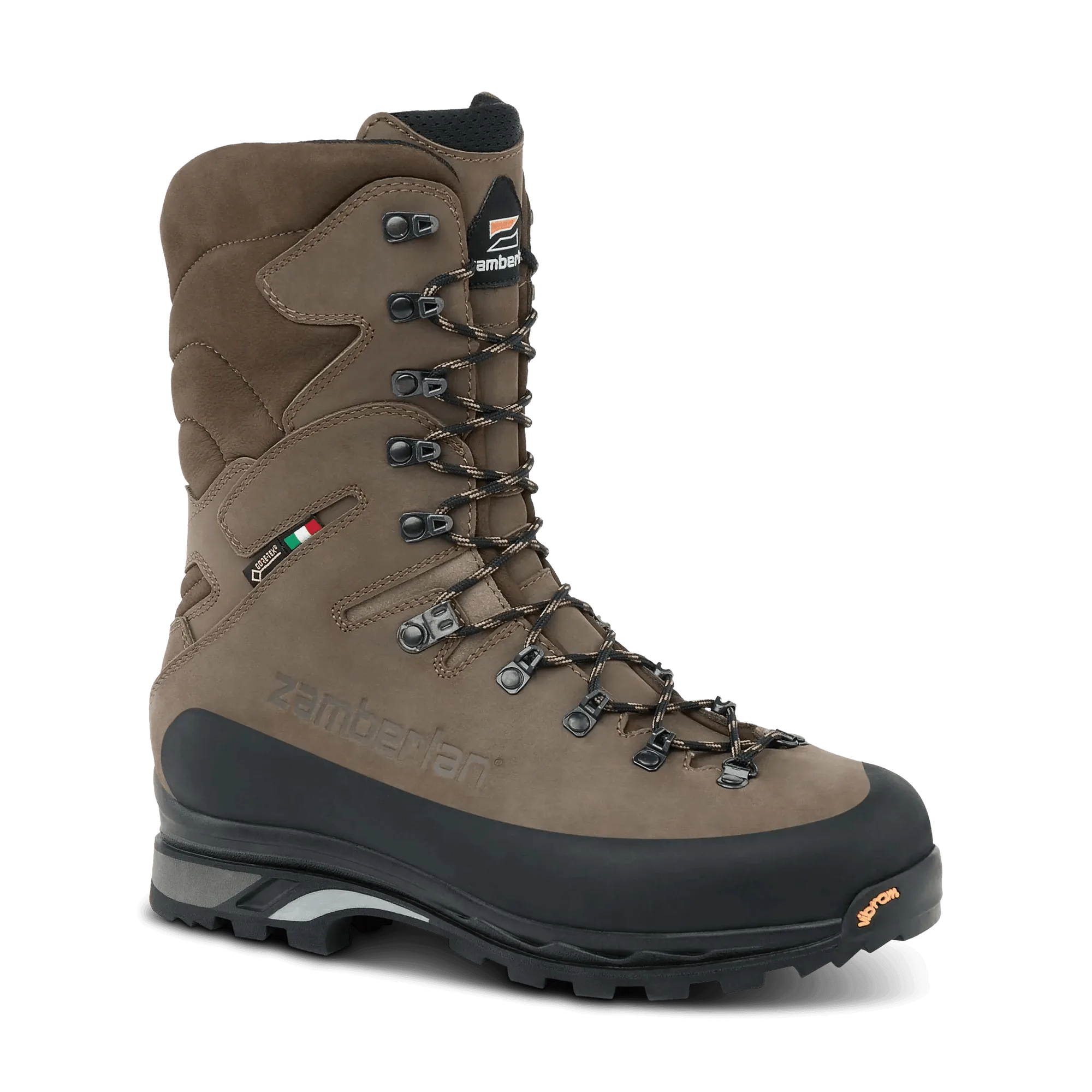
OUTFITTER GTX - Brown