Quick Answer
To layer a shirt for outdoor activities, choose a breathable, quick-drying base layer that fits close but not tight, then add insulation and a shell as conditions change.
Why Shirt Material Matters More Than Thickness
When you're active outdoors, your shirt's fabric determines how well you manage sweat and temperature. A lightweight, fast-drying synthetic like polyester moves moisture away from your skin and dries quickly when you stop for a break. Merino wool offers natural odor resistance and warmth even when damp, making it a great choice for cooler days or multi-day trips where you want to wear the same shirt more than once.
Cotton is the one fabric to avoid for active layering. It absorbs sweat and stays wet, which can chill you quickly when the wind picks up or the temperature drops. Save cotton for camp lounging, not for hiking or climbing.
Fit: The Hidden Layer That Makes or Breaks Comfort
A base layer shirt should sit close to your skin without restricting movement. Too loose and it won't trap warmth effectively; too tight and it can chafe on long walks or climbs. Look for a cut that lets you raise your arms overhead without the hem riding up.
For warmer weather, a relaxed fit in a breathable fabric works well as a standalone piece. The same shirt can double as a sun-protective layer when you need coverage without extra insulation.
Step-by-Step Shirt Layering for Outdoor Activities
- Start with a breathable base layer: Choose a long-sleeved shirt in a quick-drying synthetic or merino wool that fits snugly against your skin. This layer manages moisture and provides a foundation for insulation. Check the fabric label—if it's cotton, swap it for a technical fabric.
- Add a mid-layer for warmth: When temperatures drop, add a fleece or light insulated jacket over your base shirt. The mid-layer traps warm air while still allowing moisture to escape. Make sure the mid-layer isn't too tight over your base layer—you need room for air to circulate.
- Finish with a weather-resistant shell: If wind, rain, or snow is in the forecast, top with a waterproof or windproof outer layer. This protects your inner layers from the elements and helps regulate your temperature. Test your full stack by moving your arms—if you feel restricted, size up your shell.
- Adjust as your activity level changes: During high-intensity climbs, unzip your shell or remove a layer to avoid overheating. When you stop for a break, put layers back on before you start feeling cold. Remember: it's easier to add a layer than to dry a soaked one.
Shirts Designed for Layering
-
M's Symbio Base Shirt: The M's Symbio Base Shirt is a classic long-sleeved shirt in ultra-light, fast-drying polyester, made for warm climates. Its quick-drying fabric makes it an excellent base layer for high-output activities where you sweat a lot, and it transitions easily to casual wear after the hike.
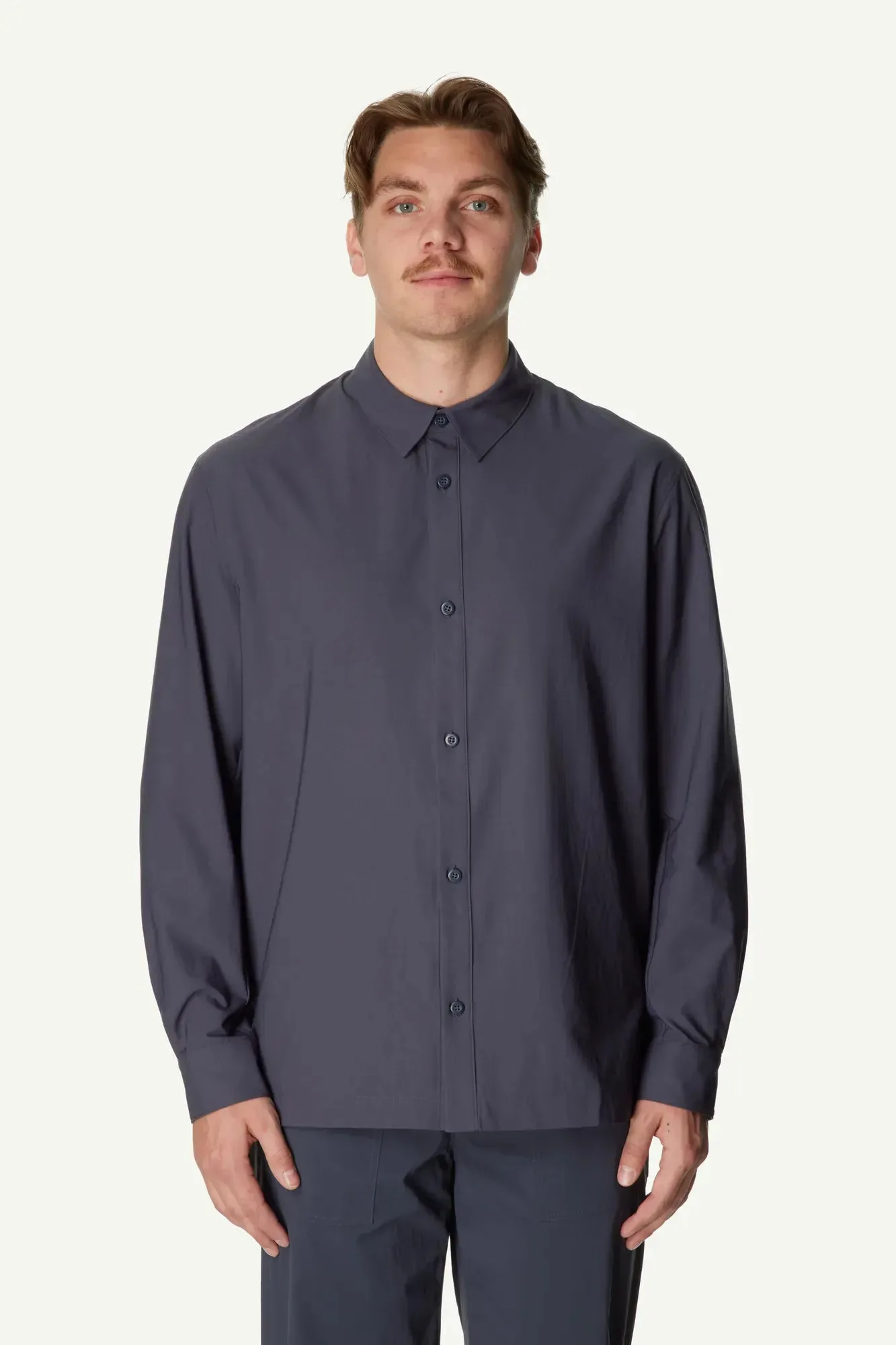
M's Symbio Base Shirt
-
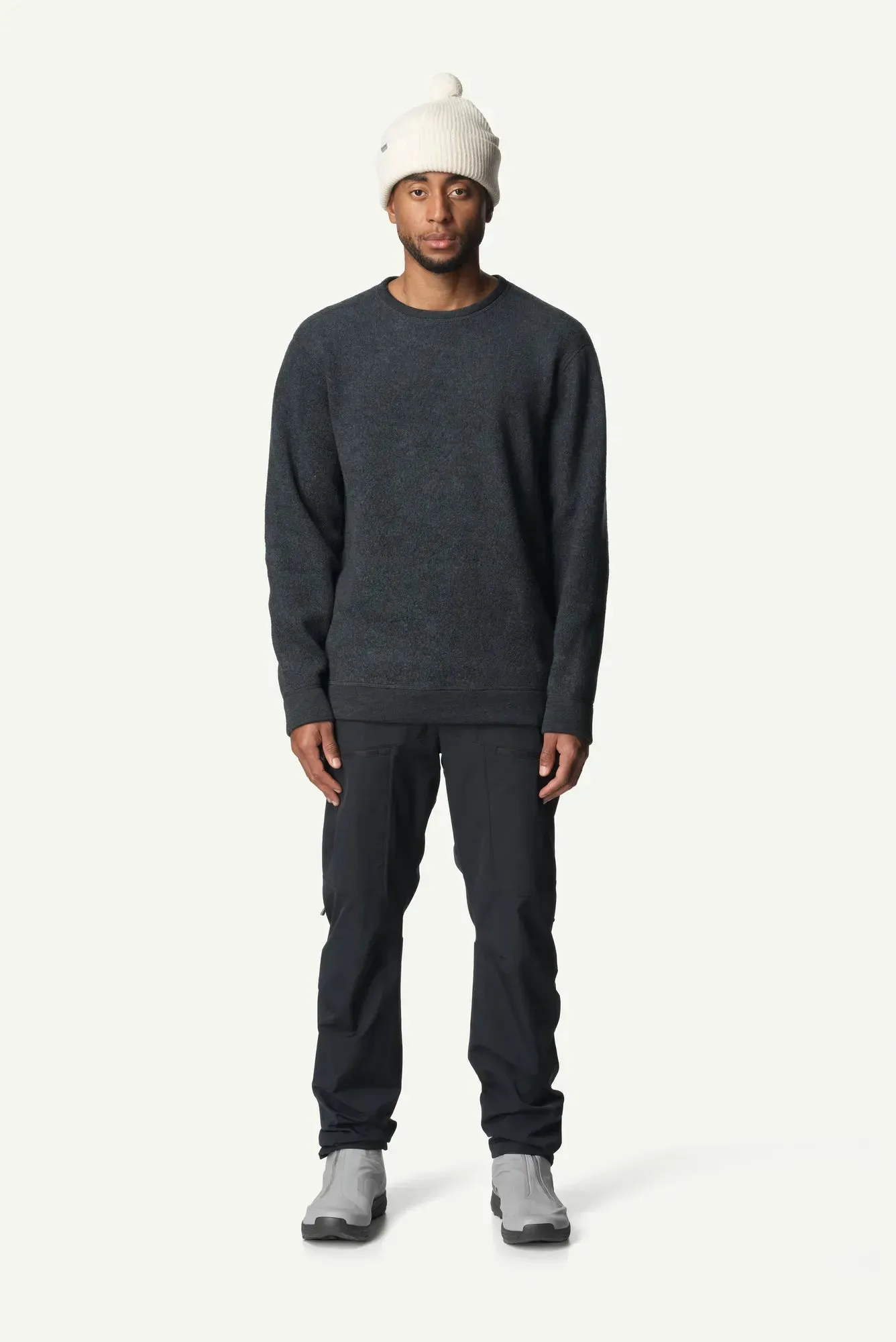
M's Desoli Shirt: The M's Desoli Shirt is made from Solid Flannel Merino™, a warm, soft fabric woven from superfine 17.6 µm merino wool and nothing else. This pure merino shirt offers natural insulation and odor resistance, so it works as a mid-layer on cooler days or as a standalone for less intense outings.
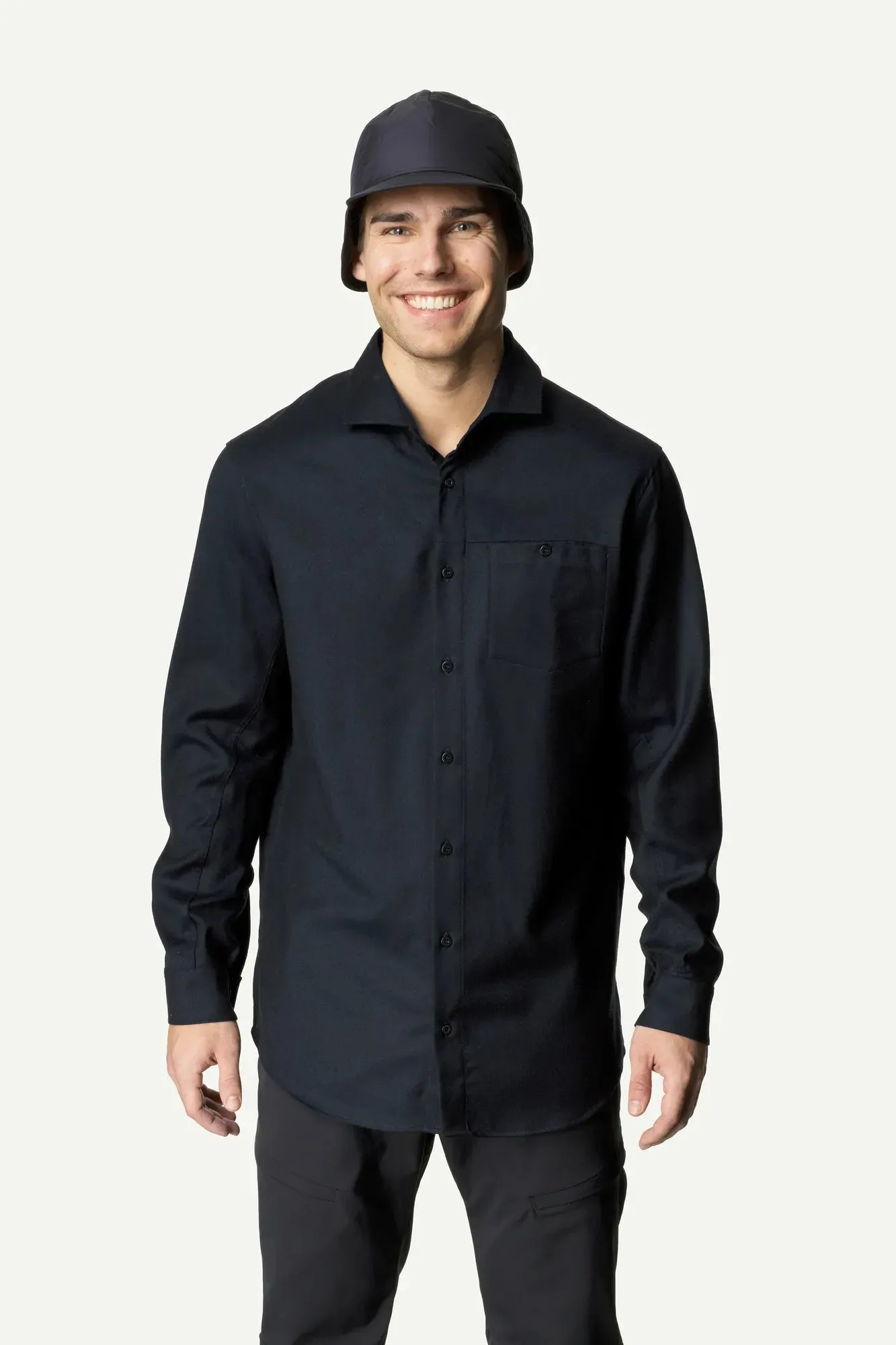
M's Desoli Shirt
-
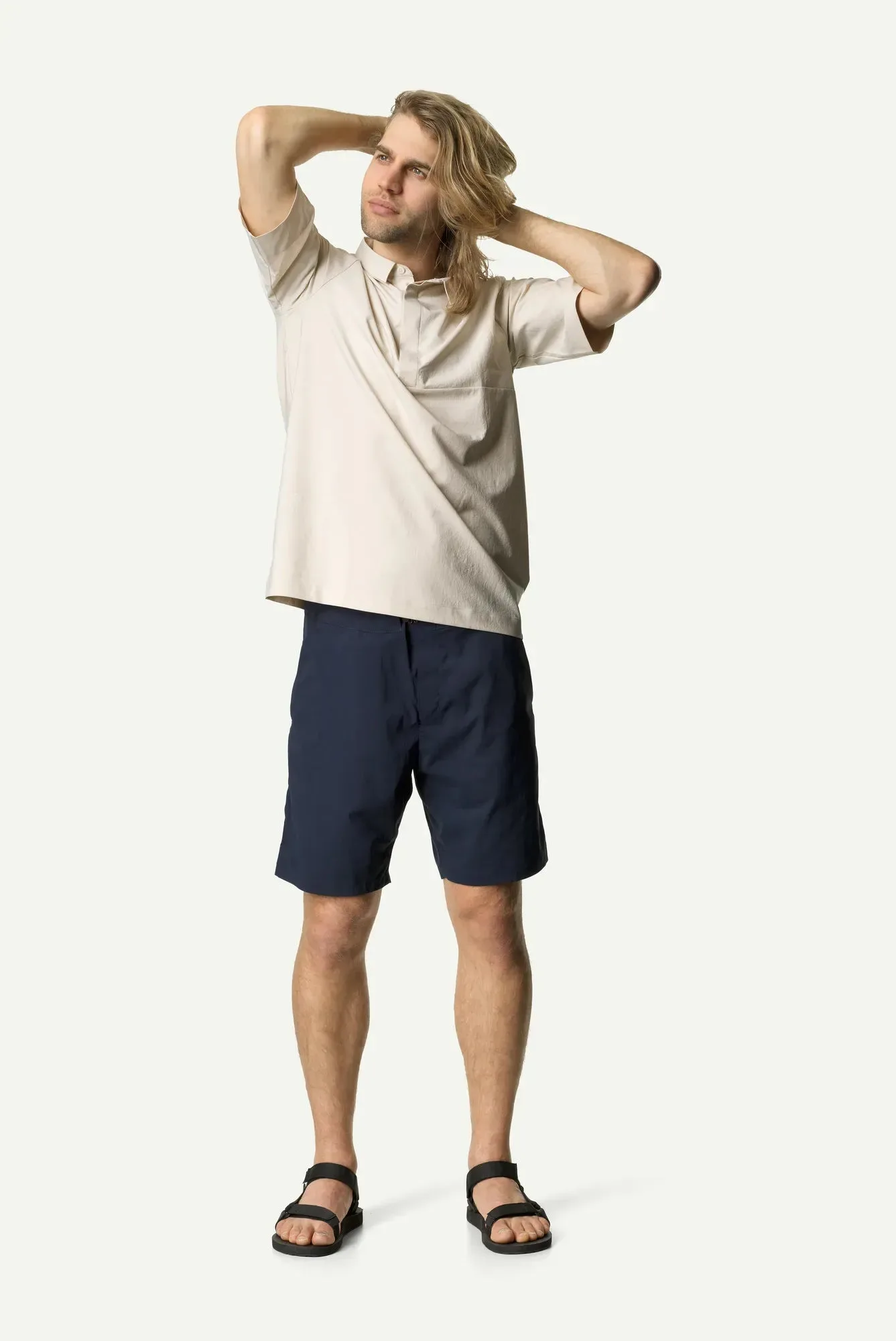
M's Cosmo Shirt: The M's Cosmo Shirt is designed for warmer weather with a light, cooling material that works on the beach or in the city. Its lightweight, breathable build makes it a smart travel shirt—pack it for sunny destinations and wear it as a top layer over a base tee when evenings cool down.