Why Layering Matters for This Jacket
The Casall Warm Training Jacket is designed for outdoor training in cold weather. Its key feature is a wind-resistant, stretchy fabric made in Italy with a warm brushed interior. This means it already provides insulation and wind protection, so your layering strategy should focus on moisture management and comfort underneath, rather than adding bulk.
What the Jacket Offers for Layering
-
Warm Training Jacket - Core Blue: Tillverkad av ett vindtåligt, stretchigt material producerat i Italien med värmande borstad insida. The wind-resistant outer layer and brushed inner lining mean you likely won't need a mid-layer. Focus on a thin, moisture-wicking base layer to keep sweat off your skin.
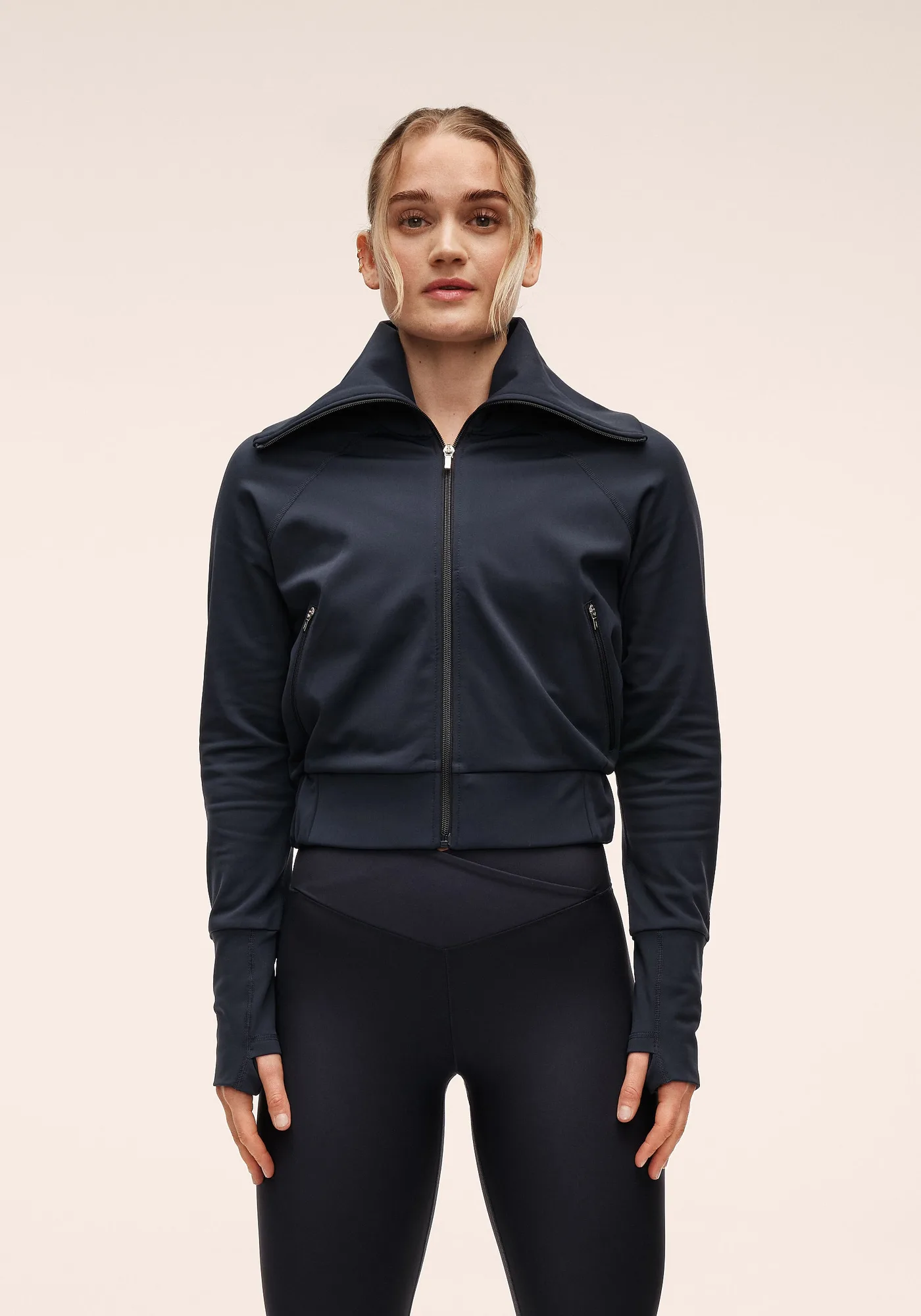
Warm Training Jacket - Core Blue
-
Warm Training Jacket - Core Blue: Höga muddar med tumhål. The high cuffs with thumbholes help seal in warmth and keep sleeves in place during movement, reducing the need for extra wrist coverage.
-
Warm Training Jacket - Core Blue: Croppad träningsjacka med stor krage. The cropped cut and large collar affect how much torso coverage you get. You may want a longer base layer or high-waist bottoms to avoid exposed skin.
How to Layer for a Cold Weather Workout
Based on the jacket's design, here is a supported layering approach for outdoor training in cool to cold conditions.
- Start with a thin, moisture-wicking base layer: Choose a long-sleeve or short-sleeve top made of synthetic or merino wool that pulls sweat away from your skin. Avoid cotton, which stays wet and can make you cold.
- Add the Warm Training Jacket as your outer layer: The jacket's wind-resistant fabric and brushed interior provide insulation and wind protection. Its stretchy material allows full range of motion for dynamic movements.
- Adjust for temperature and activity level: For very cold or windy days, consider a thin vest under the jacket for extra core warmth. For high-intensity training, you may find the jacket alone sufficient, as its brushed interior traps body heat.
- Use the thumbholes and collar for extra coverage: Pull the cuffs over your hands using the thumbholes to seal in warmth. The large collar can be turned up to protect your neck from wind.
What to Wear on the Bottom
Because the jacket is cropped, it does not cover the lower torso. Pair it with high-waist training tights or leggings to avoid a gap of exposed skin. If temperatures are very low, add a thin base layer under your tights or choose fleece-lined bottoms for extra warmth.
What the Product Information Does Not Confirm
The supplied details do not specify a recommended temperature range, water resistance, or specific care instructions for the brushed interior. This means you should test the jacket in your typical conditions and follow general garment care guidelines for synthetic fabrics. The jacket is designed for outdoor training, but its exact performance in extreme cold or wet weather is not stated.