Quick Answer
Apply your acne treatments first, then follow with a moisturizer and a broad-spectrum SPF 30 or higher. Wait a few minutes between layers so each product can absorb. This protects your skin from sun damage without reducing the effectiveness of your acne treatment.
If you use acne treatments like benzoyl peroxide or exfoliating acids, daily sunscreen isn't optional—it's essential. Many acne medications increase your skin's sensitivity to the sun, making sunburn and hyperpigmentation more likely. But layering treatments and SPF can feel tricky, especially when you're worried about clogged pores or pilling.
The good news is that with a simple order and a few smart product choices, you can get both clear skin and reliable sun protection. Here's how to layer your acne routine with SPF without sacrificing results.
Why Sunscreen Matters When You Use Acne Treatments
Acne treatments like benzoyl peroxide and exfoliating acids work by speeding up cell turnover or reducing bacteria. This can leave your skin more vulnerable to UV damage. Without daily SPF, you risk post-inflammatory hyperpigmentation, which can make dark spots linger long after a pimple fades.
Sunscreen also helps your acne treatments work better. When your skin isn't fighting sun damage, it can focus on repairing and renewing. Plus, many acne medications are photosensitizing, meaning they make your skin burn faster. Daily SPF is a non-negotiable step for anyone using active acne treatments.
- Use a broad-spectrum SPF 30 or higher every morning, even on cloudy days.
- Reapply every two hours if you're outdoors or near windows.
Choosing an SPF That Won't Clog Pores
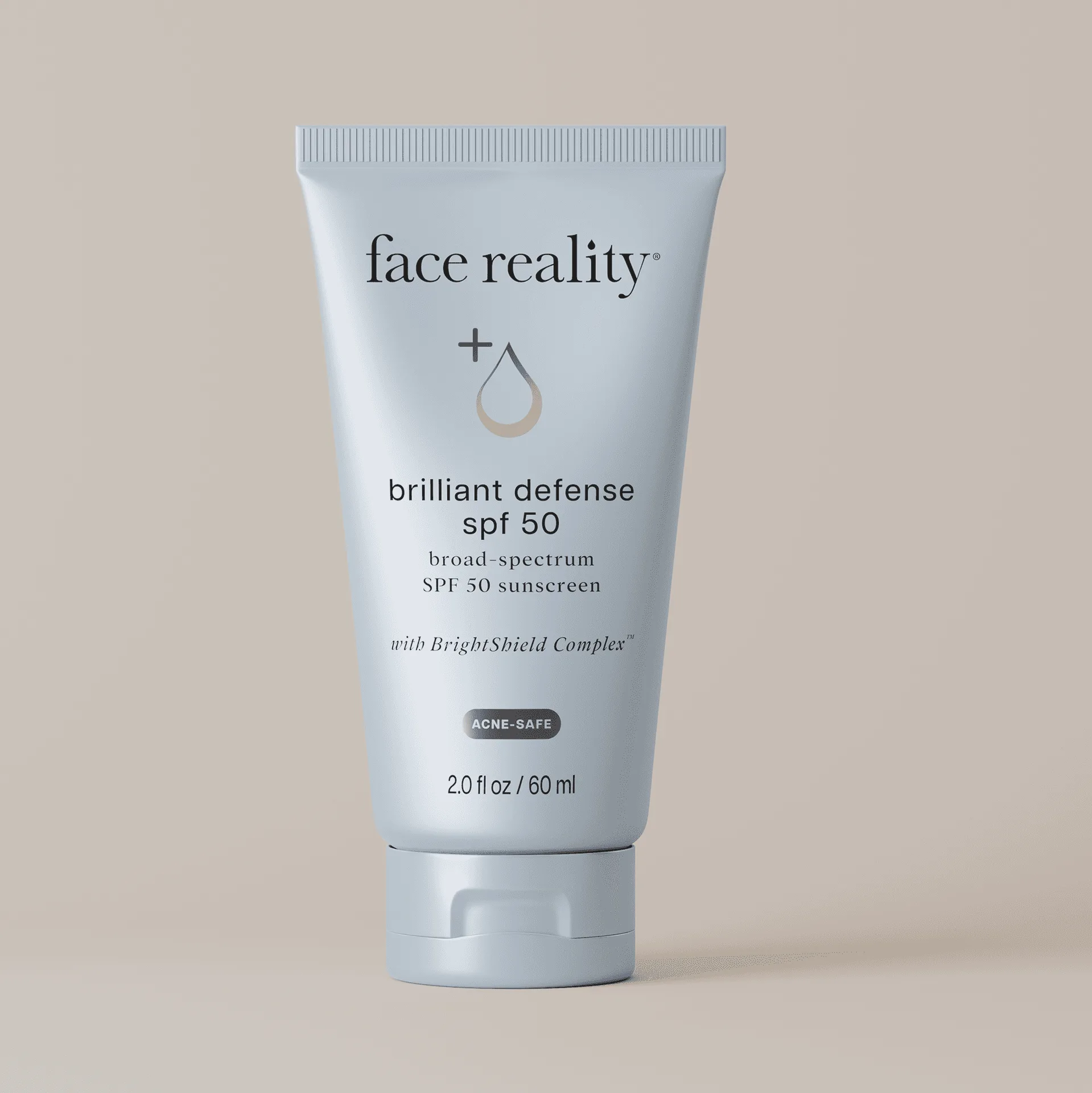
For acne-prone skin, the fear is that sunscreen will break you out. But there are many lightweight, non-comedogenic formulas designed for oily and combination skin. Look for gel-based or mattifying sunscreens that absorb quickly and don't leave a heavy residue.
If you're using a moisturizer with SPF, make sure it's not your only layer of protection. Moisturizers with SPF often don't provide enough coverage unless you apply a generous amount. A dedicated sunscreen is usually more reliable for full protection.
- Check the label for 'non-comedogenic' to avoid clogged pores.
- Avoid sunscreens with heavy oils if you're prone to breakouts.
The Right Order: Acne Treatment First, Then SPF
The general rule is to apply your acne treatment first, then follow with a moisturizer, and finally sunscreen. This order ensures your active ingredients penetrate the skin while the SPF creates a protective barrier on top. If you apply sunscreen first, it can block your acne treatment from reaching the skin.
Wait a few minutes between each step to let products absorb. This reduces the chance of pilling and helps each layer work effectively. If your acne treatment is a leave-on product like a serum or gel, apply it to clean, dry skin before anything else.
- Cleanse, then apply acne treatment to dry skin.
- Wait 2-3 minutes, then apply moisturizer.
- Finish with sunscreen as your last step.
Step-by-Step: Layering Acne Treatments with SPF
- Cleanse your skin: Start with a gentle cleanser suited to your skin type. For dry or sensitive skin, a creamy formula can help maintain your moisture barrier. Pat your skin dry with a clean towel. Avoid harsh scrubbing—this can irritate skin and make acne worse.
- Apply your acne treatment: Use a thin layer of your leave-on acne treatment, such as a benzoyl peroxide gel or an exfoliating serum. Apply to clean, dry skin, avoiding the eye area unless directed. Don't overapply—using more than directed won't speed up results and may cause irritation.
- Wait for absorption: Give your acne treatment 2-3 minutes to absorb. This prevents it from being diluted by the next layer and reduces the chance of pilling. If your skin feels tight, you may need to wait a bit longer before moisturizing.
- Apply a moisturizer: Choose a lightweight, acne-safe moisturizer to hydrate and calm your skin. This step helps buffer the skin and creates a smooth surface for sunscreen. If you have oily skin, a gel-based moisturizer can provide hydration without heaviness.
- Finish with sunscreen: Apply a broad-spectrum SPF 30 or higher as the last step of your morning routine. Use a generous amount—about a nickel-sized dollop for your face—and spread evenly. Don't forget your neck and ears—they're often overlooked and prone to sun damage.
- Reapply during the day: If you're outdoors or near windows for extended periods, reapply sunscreen every two hours. Use a powder or spray SPF for easy touch-ups over makeup. Sunscreen is not a one-and-done step—reapplication is key to staying protected.
Products That Fit Into This Routine
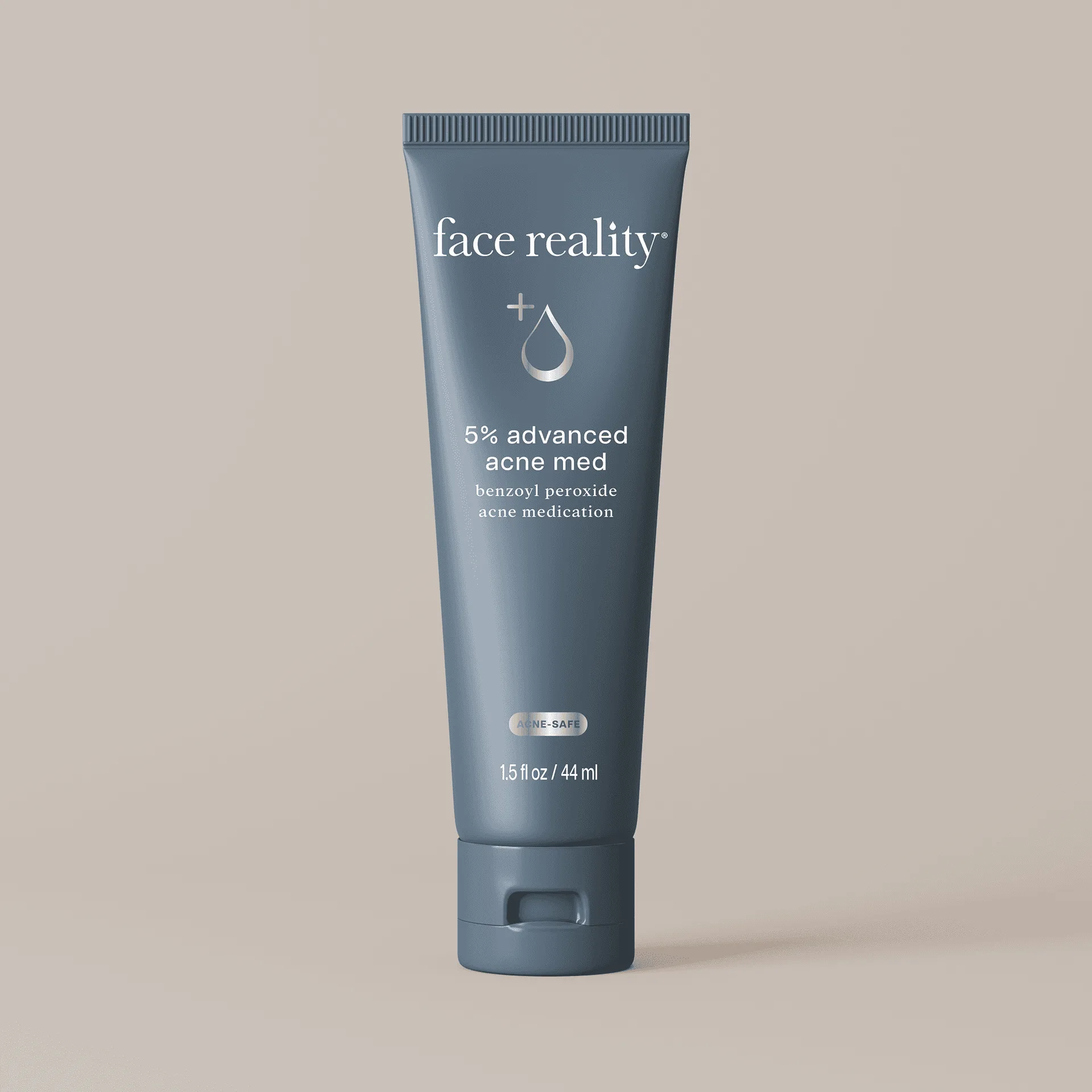
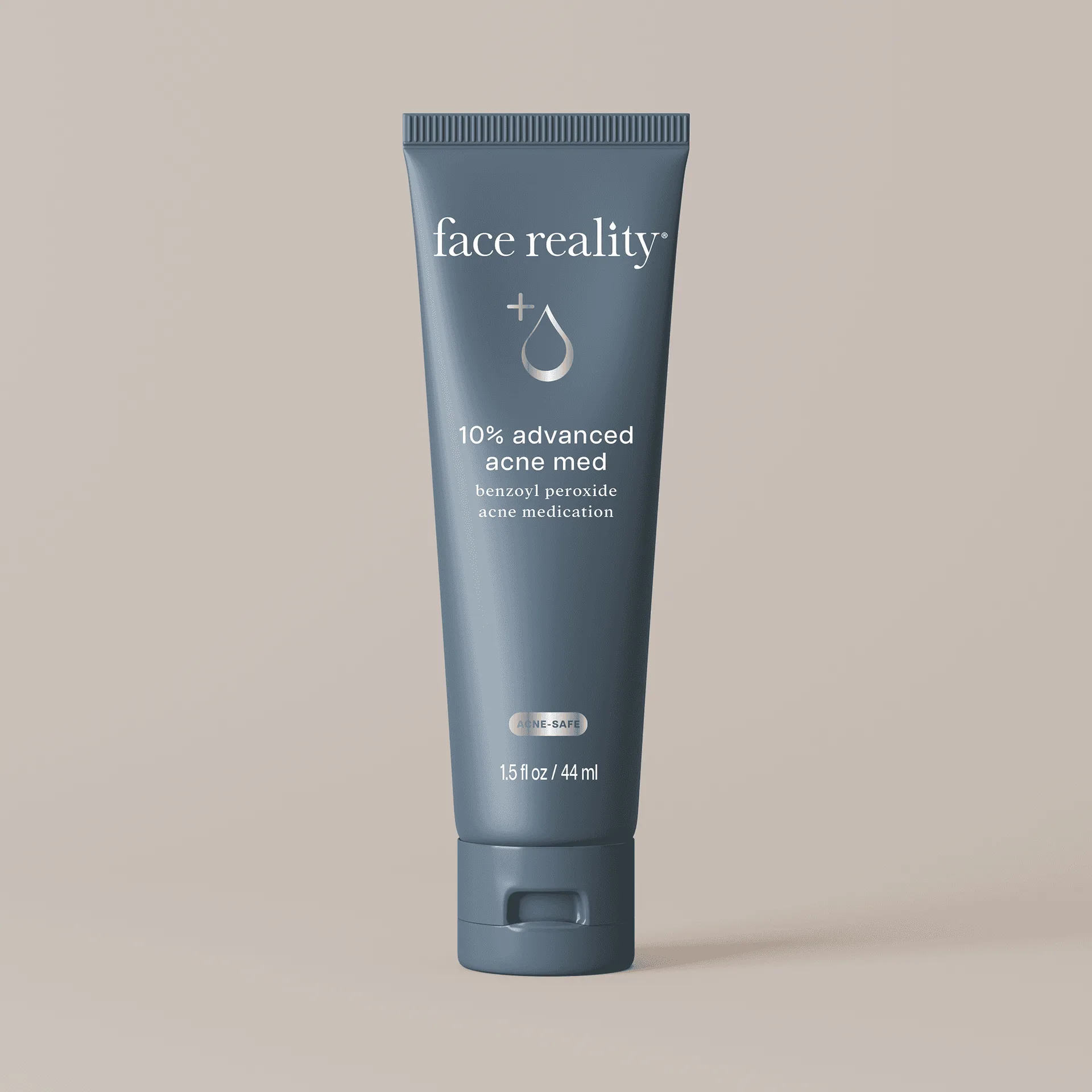
- 5% Advanced Acne Med: 5% Advanced Acne Med is a benzoyl peroxide acne medication designed to support clearer-looking skin. Advanced Acne Med penetrates pores to target the source of acne, clearing and controlling existing blemishes while helping to prevent future breakouts. Because benzoyl peroxide can increase sun sensitivity, it's crucial to follow with SPF every morning. This treatment targets active acne while your sunscreen protects your skin from UV damage.
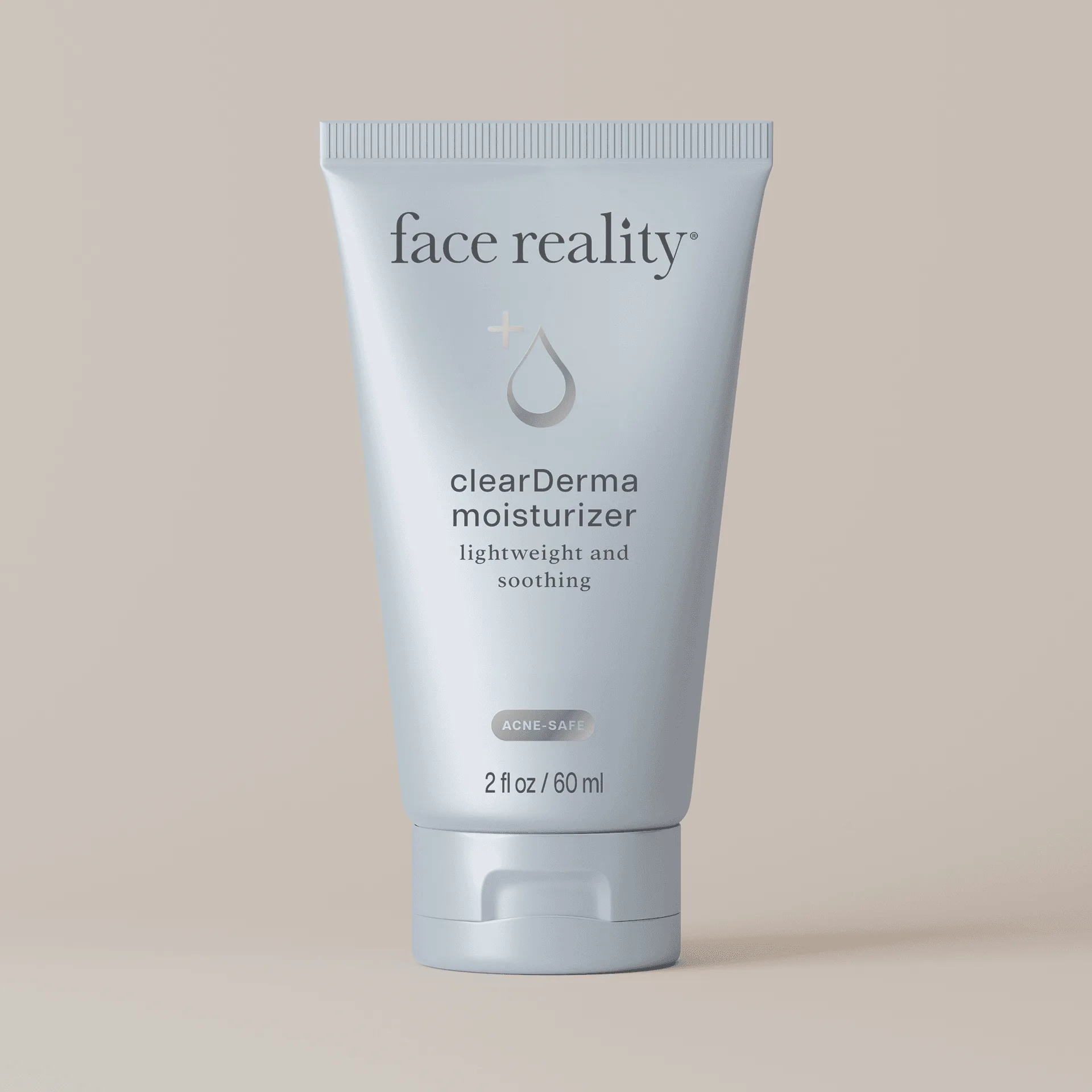
- clearDerma Moisturizer: Discover a lighter approach to hydration. This lightweight, acne‐safe, fast‐absorbing moisturizer soothes and quenches skin, while delivering antioxidant support for a healthy, radiant glow. Layering a moisturizer like clearDerma before SPF helps create a smooth base and keeps your skin hydrated without feeling heavy. It's acne-safe, so it won't clog pores while you're using active treatments.
Layering acne treatments with SPF doesn't have to be complicated. Stick to the order: cleanse, treat, moisturize, then protect. Choose non-comedogenic, lightweight sunscreens that work with your skin type, and always apply enough. With this routine, you can treat acne and protect your skin from sun damage every day.