Quick answer
Apply beard oil first, wait 2–3 minutes for it to absorb, then spray cologne on your pulse points and chest, not directly into your beard. Choose scents from the same family — woody, citrus, or spice — so they blend instead of compete.
Why beard oil and cologne fight each other
Beard oil sits on your skin and hair, while cologne is a volatile alcohol-based fragrance. If you spray cologne into a freshly oiled beard, the alcohol can dry out the oil and the two scents compete at full strength instead of layering. The fix is sequence and placement: oil goes on the skin and beard first, cologne goes on pulse points where body heat releases it slowly. That way the oil conditions and carries a subtle base note while the cologne projects the top note.
How to test a pairing before you commit
You do not need to guess whether two scents work together. Spray a small amount of cologne on a card or your wrist, then rub one drop of beard oil between your fingers and smell them side by side. If one smells sharp or sour next to the other, they will clash on your skin. If they smell rounder together, you have a pairing. This test takes 30 seconds and saves you from walking around in a scent conflict all day.
Your 5-step layering routine
- Step 1: Start with a clean, dry beard: Wash and towel-dry your beard so no old product or sweat is trapped underneath. Apply 3–6 drops of beard oil to your palms, rub them together, and work the oil into your skin and beard from the roots out. Checkpoint: your beard should feel soft, not greasy. If it looks shiny, you used too much.
- Step 2: Let the oil absorb for 2–3 minutes: Give the oil time to sink in before adding fragrance. If you spray cologne immediately, the alcohol sits on top of the oil and the scents stay separate instead of blending. Mistake to avoid: rushing this step is the most common reason layering fails.
- Step 3: Choose a cologne from the same scent family: Match your cologne to the oil's dominant note. If your oil is woody, reach for a woody or amber cologne. If it is citrus, stay citrus or fresh. If it is spicy, go warm and spicy. Checkpoint: if you cannot describe both scents with one shared word, they probably clash.
- Step 4: Spray cologne on pulse points, not the beard: Apply 1–2 sprays to your neck, wrists, or chest. Body heat releases the scent gradually. Spraying directly into the beard puts alcohol on the hair and can dry it out while creating an overpowering cloud. Mistake to avoid: more sprays does not mean longer wear — it means a headache for everyone nearby.
- Step 5: Reapply oil, not cologne, later in the day: If your beard feels dry by afternoon, add a drop or two of oil. If the scent has faded, one small spray of cologne on the chest is enough. Do not layer more cologne over a beard that already has oil sitting on the surface. Checkpoint: a stranger should smell you from conversation distance, not from across the room.
Beard oils that work well as a base layer
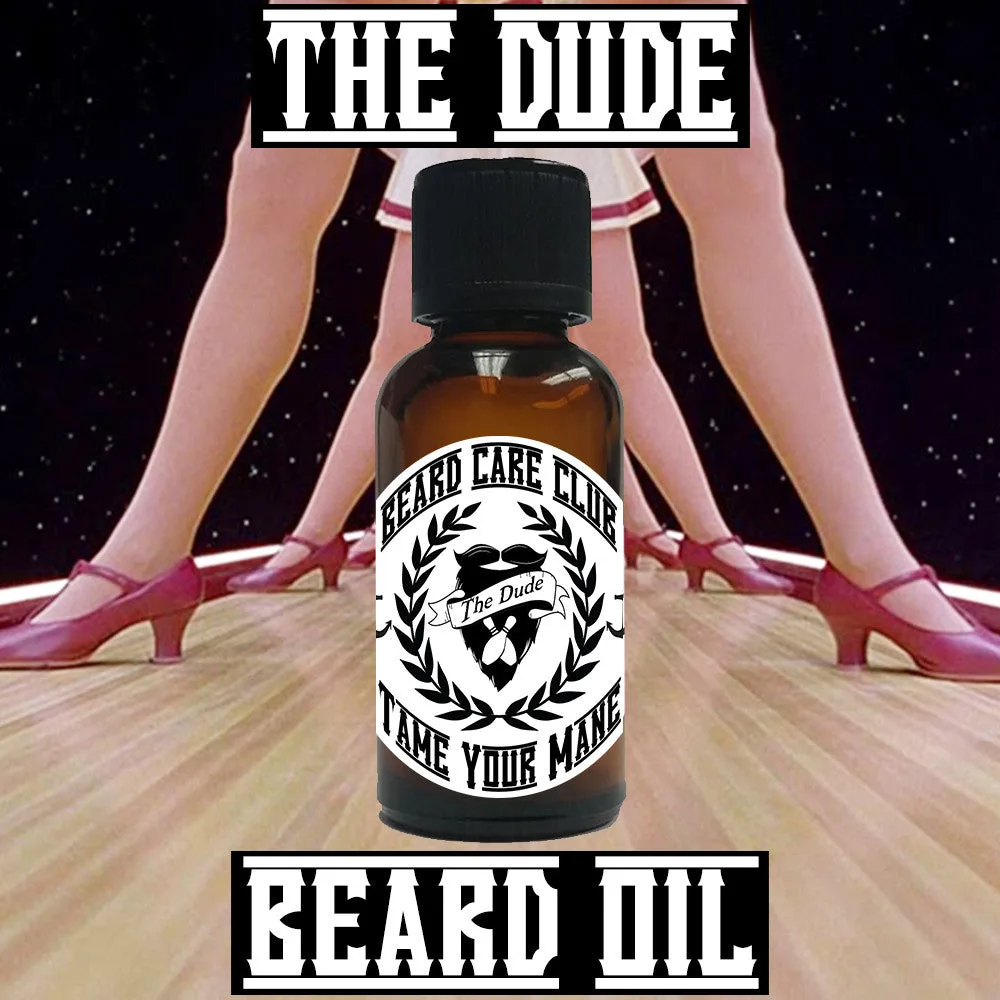
- The Dude Beard Oil: The Dude Beard Oil contains all-natural ingredients to condition your beard and help keep the skin underneath free of beardruff while leaving it itch-free, soft, and manageable. A conditioning oil that absorbs without heavy residue gives cologne a clean surface to sit on, so the two scents layer instead of turning muddy.
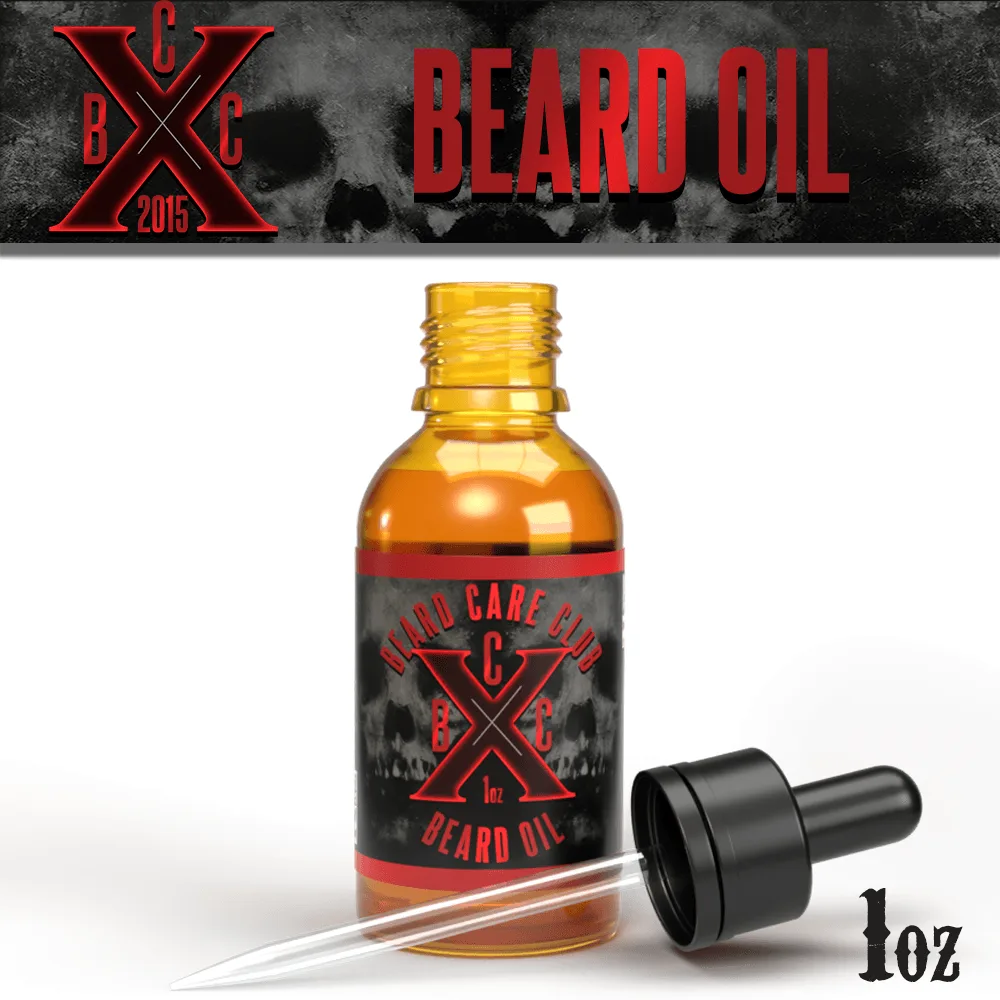
- X Beard Oil: X Beard Oil contains all-natural ingredients to condition your beard and help promote growth, and it is the 92nd scent in the lineup. If you already like a specific scent profile, matching your cologne to that same family reduces the risk of a clash.
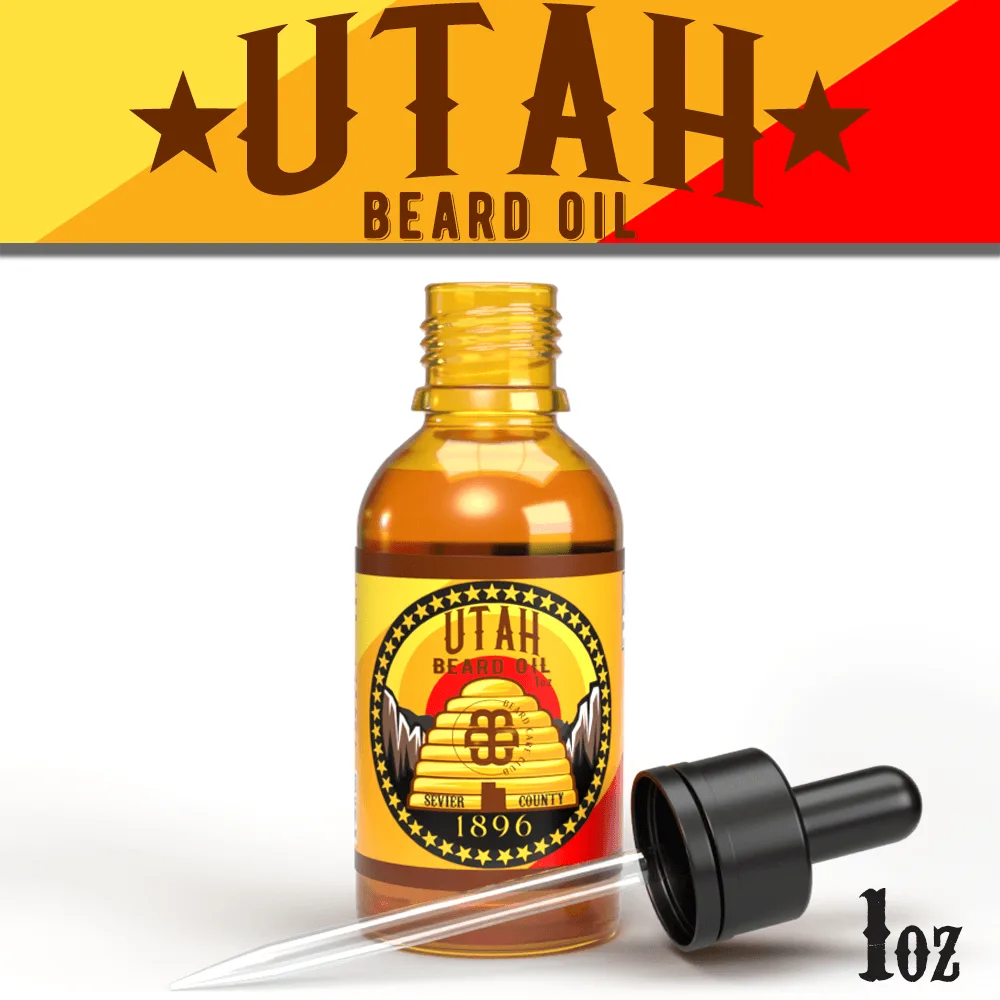
- Utah Beard Oil: Utah Beard Oil contains all-natural ingredients to condition your beard and help promote growth, and it is the 97th scent in the lineup. A distinct scent like Utah gives you a clear base note to pair with a complementary cologne rather than a competing one.