Quick answer
Treat the chandelier as the room's overhead layer and the floor lamp as task or accent light, then place them so their pools of light overlap only where you want focus. Start by mapping the room's zones, hang the chandelier first, and position the floor lamp last so you can judge the combined effect in person.
Why a chandelier and floor lamp need separate jobs
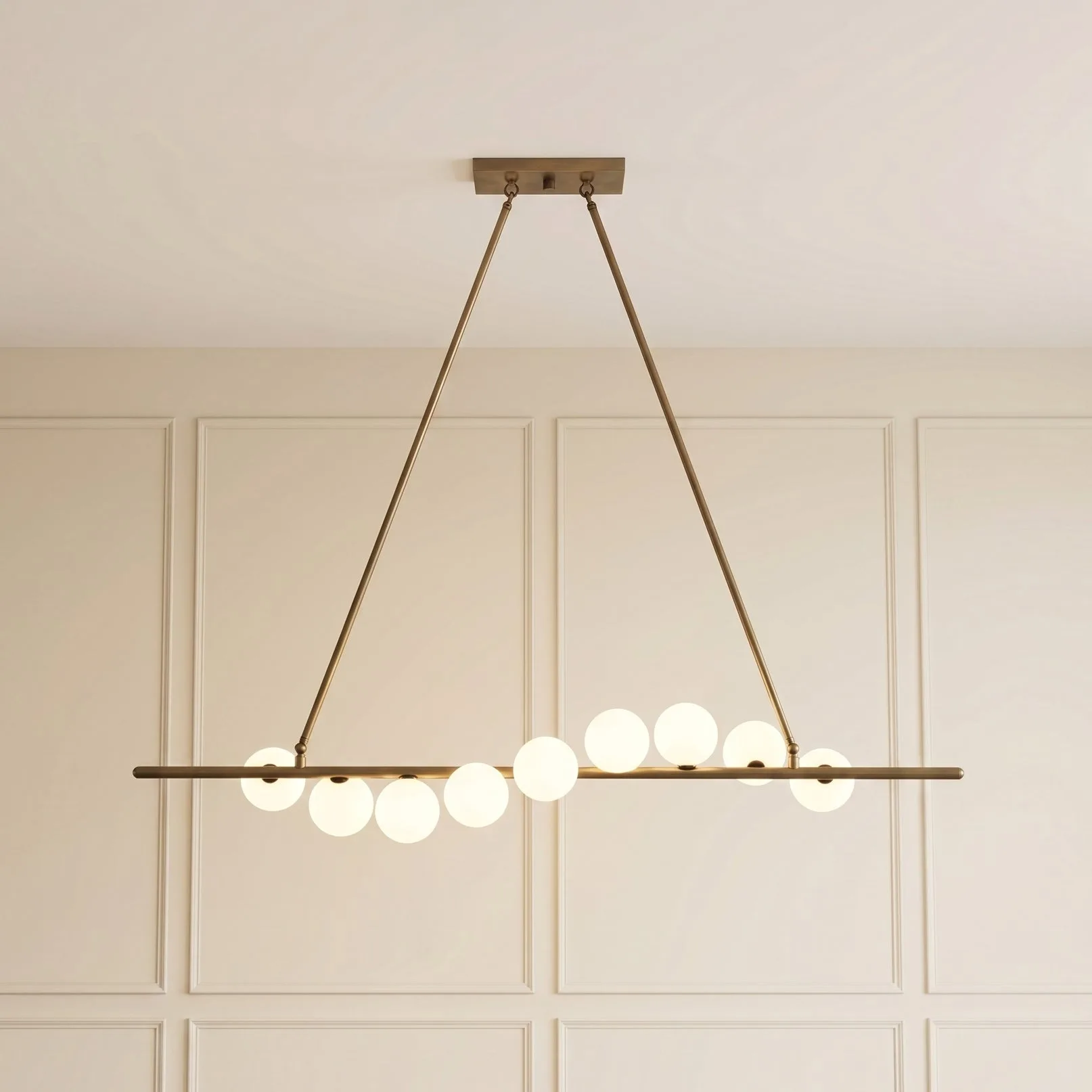
A chandelier throws light downward and outward from one fixed point, so it defines the center of a seating or dining zone. A floor lamp is movable and local, which makes it better for reading, highlighting a corner, or softening a wall that the chandelier leaves dark. When both try to light the same area at the same height, the room reads flat and the floor lamp looks redundant.
Decide the jobs before you shop. If the chandelier already floods the center of the room, the floor lamp should add a lower, warmer pool near a chair or console. If the chandelier is compact and directional, the floor lamp can carry more of the ambient load. This division also keeps you from buying a second fixture that duplicates the first.
division
Match the floor lamp's scale to the chandelier's visual weight
A large multi-tier chandelier dominates the upper half of the room, so a slender floor lamp can disappear beside it. A compact chandelier leaves more visual room for a sculptural floor lamp. Judge this from the doorway, not from directly underneath: the two fixtures should look related in presence even when their styles differ.
Height matters as much as width. A floor lamp whose shade sits near eye level will compete with a low-hanging chandelier; one that rises higher or stays lower separates the two silhouettes. If you cannot change the chandelier's hang height, adjust the floor lamp choice instead.
Five steps to layer a chandelier and floor lamp
- Map the room's light zones: Sketch the seating, dining, or reading areas and mark where the chandelier hangs. Then choose one secondary spot for the floor lamp, such as beside a chair or in a dark corner, that the chandelier does not already cover. Checkpoint: if the floor lamp's spot sits directly under the chandelier, move it outward until the two pools only partly overlap.
- Hang and aim the chandelier first: Install the chandelier before placing the floor lamp so you can see its real spread. On an adjustable fixture like the Campana 3-Tier, rotate the arms to push light toward the room's center or away from seating, depending on glare. Common mistake: aiming every arm straight down, which creates a hot spot that the floor lamp then has to fight.
- Set the floor lamp's height against the chandelier: Stand at the room's main entry point and compare the floor lamp's shade height with the chandelier's lowest point. If they align, the two fixtures merge into one band; raise or lower the lamp, or choose a different model, to separate them. Checkpoint: the floor lamp should read as a distinct lower layer, not a continuation of the chandelier.
- Balance brightness and color temperature: Use the chandelier for general light and the floor lamp for a warmer, lower pool. If both are on dimmers, set the chandelier higher and the floor lamp lower during conversation, then reverse it for reading. Common mistake: running both at full output, which flattens the layered effect and can cause glare on screens.
- Walk the sightlines and adjust: View the room from the doorway, the main seat, and the far corner. Check that neither fixture blocks the other's light or your view, and that the floor lamp's cord reaches an outlet without crossing a walkway. Checkpoint: if the floor lamp's bulb is visible from a seated position, shade it or rotate the fixture.
Fixtures that support this layering approach
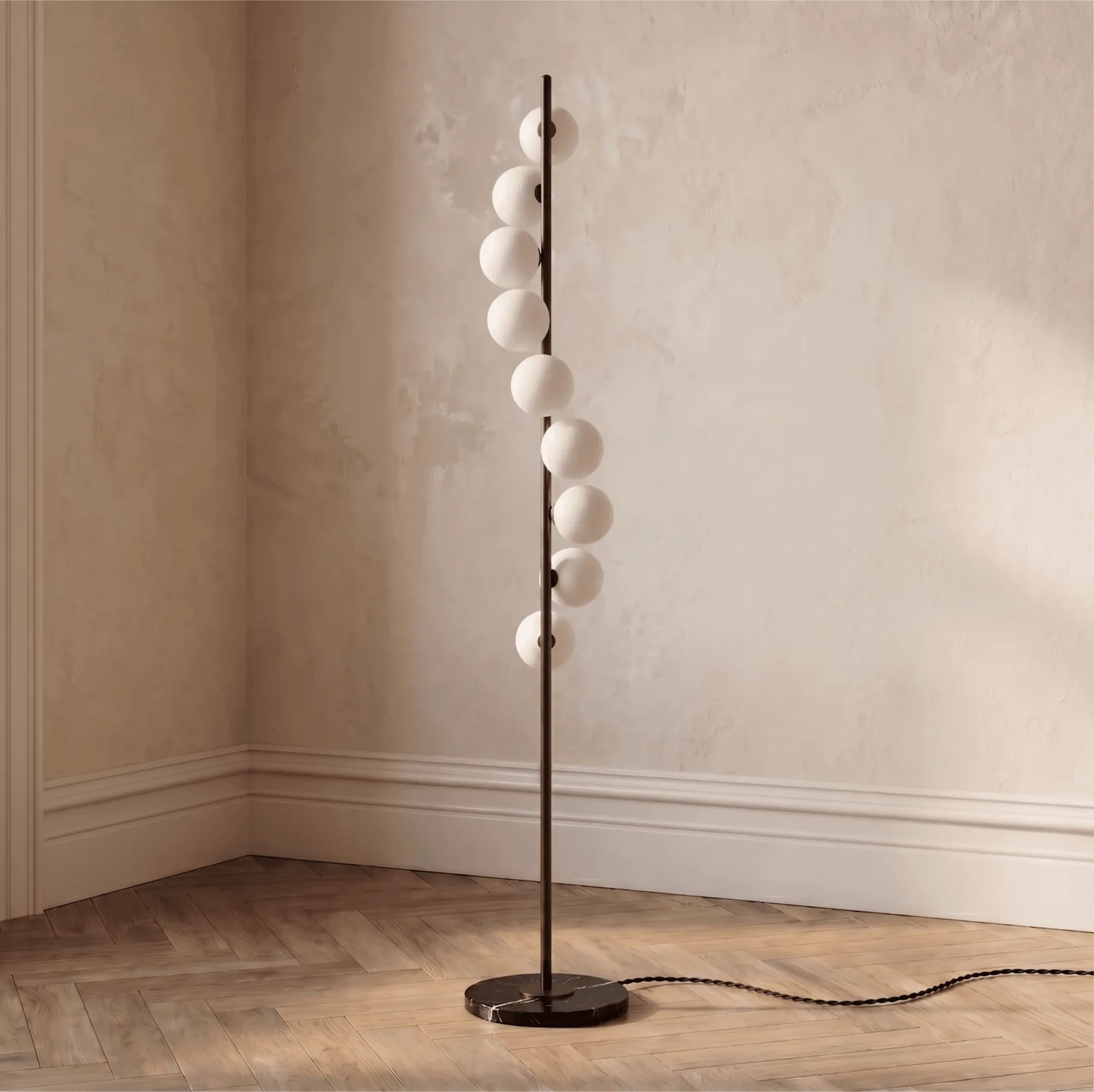
- Nautilus Floor Lamp: The Nautilus Floor Lamp is described as functional sculpture with satin glass globes spiraling downward, compact enough for a forlorn corner but striking enough to be a focal point. Its compact footprint lets it work as the accent layer in a corner without crowding the chandelier's zone, while its sculptural form holds its own visually.
- Campana 3-Tier: The Campana 3-Tier offers a big design punch in a compact design, with spun aluminum shades, a swiveling head, and arms that rotate approximately 320° horizontally. The adjustable arms let you aim light away from the floor lamp's pool, which reduces glare and keeps the two layers distinct.
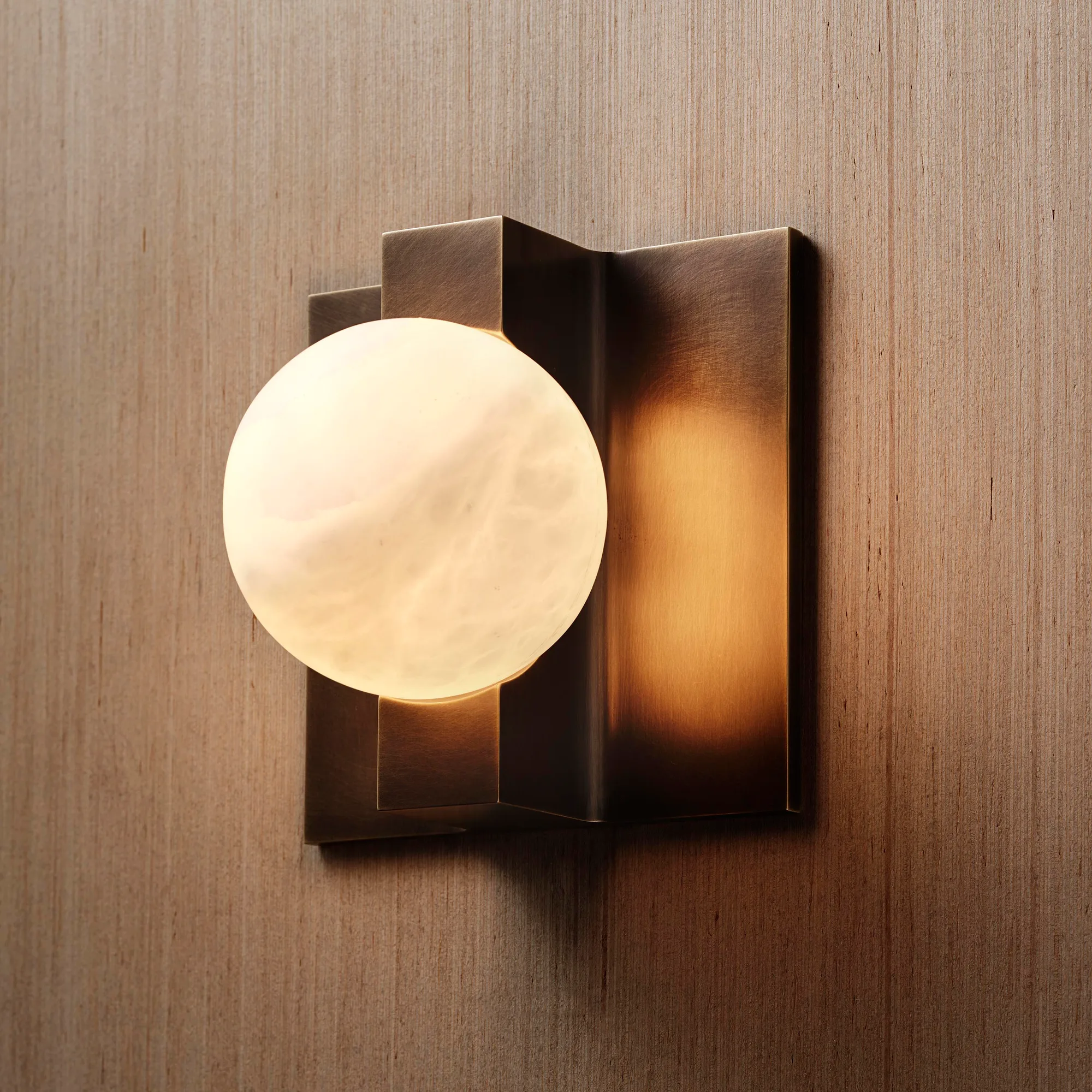
- Rohe Wood: The Rohe Wood wall sconce pairs a softly glowing alabaster globe with a wood backplate and has an ADA-compliant profile suited to high-traffic spaces. If the chandelier and floor lamp leave a wall too dark, a low-profile sconce adds a third layer without taking floor space.