Cold-weather camping presents a unique set of challenges. The key to staying comfortable and safe in low temperatures lies not in wearing one thick garment, but in mastering the art of layering. A well-designed layering system traps warm air, wicks moisture away from your skin, and protects you from wind and precipitation. Whether you're setting up a shelter in the snow or hiking to a remote campsite, understanding how to combine base layers, mid layers, and outer shells can make the difference between a miserable trip and an unforgettable adventure.
In this guide, we'll break down each layer, explain what fabrics work best, and share practical tips for adjusting your system as conditions change. We'll also highlight some of the best gear from Heimplanet to help you build your perfect cold-weather camping wardrobe.
The Three-Layer System Explained
The classic three-layer system consists of a base layer, a mid layer, and an outer shell. Each layer performs a specific function: the base layer manages moisture, the mid layer provides insulation, and the outer shell protects against wind, rain, and snow. This modular approach allows you to add or remove layers as your activity level and the weather dictate, keeping you comfortable without overheating or getting chilled.
When choosing layers, prioritize breathability and moisture management. Synthetic fabrics like polyester and nylon are excellent for base layers because they dry quickly and resist absorbing sweat. Merino wool is another popular choice for its natural odor resistance and softness. For mid layers, fleece, down, or synthetic insulation offer warmth without excessive bulk. The outer shell should be waterproof and windproof, yet breathable enough to allow vapor to escape.
- Base layer: snug fit, moisture-wicking fabric (avoid cotton)
- Mid layer: insulating, lightweight, and compressible
- Outer shell: waterproof, windproof, and breathable
Choosing the Right Base Layer for Cold Weather
Your base layer is the foundation of your clothing system. It sits directly against your skin and is responsible for pulling sweat away from your body to prevent chilling. For cold-weather camping, look for a base layer made of merino wool or a high-quality synthetic blend. Merino wool is naturally antimicrobial, so it resists odors even after days of use, and it insulates even when damp. Synthetic options are often more durable and dry faster, making them ideal for high-intensity activities like snowshoeing or cross-country skiing.
A good base layer should fit snugly without restricting movement. Avoid cotton at all costs—cotton absorbs moisture and stays wet, which can lead to rapid heat loss and hypothermia. Consider packing two base layers: one for sleeping and one for active wear. This way, you always have a dry set to change into at camp. For extra warmth, look for base layers with a brushed interior or grid pattern that traps more air.
- Merino wool: odor-resistant, warm when damp, soft on skin
- Synthetic: fast-drying, durable, affordable
- Avoid cotton: retains moisture, causes chilling
Mid Layer: Insulation That Adapts
The mid layer is your primary source of warmth. It traps heat close to your body while allowing moisture to pass through to the outer layer. Popular options include fleece jackets, down vests, and synthetic insulated hoodies. Fleece is lightweight, breathable, and dries quickly, making it a versatile choice for active use. Down offers the best warmth-to-weight ratio, but loses its insulating properties when wet. Synthetic insulation, such as PrimaLoft or Thinsulate, performs better in damp conditions and is easier to care for.
For cold-weather camping, a hooded mid layer is a smart choice because it adds warmth to your head and neck without requiring a separate hat. Look for features like zippered pockets for storing small essentials, and consider a full-zip design for easy ventilation. If you anticipate rain or snow, pair your mid layer with a waterproof shell. The Merino Blend Hoodie; Light Gray from Heimplanet is an excellent mid-layer option—it combines the natural benefits of merino wool with the comfort of a hoodie, making it perfect for camp lounging or low-activity moments.
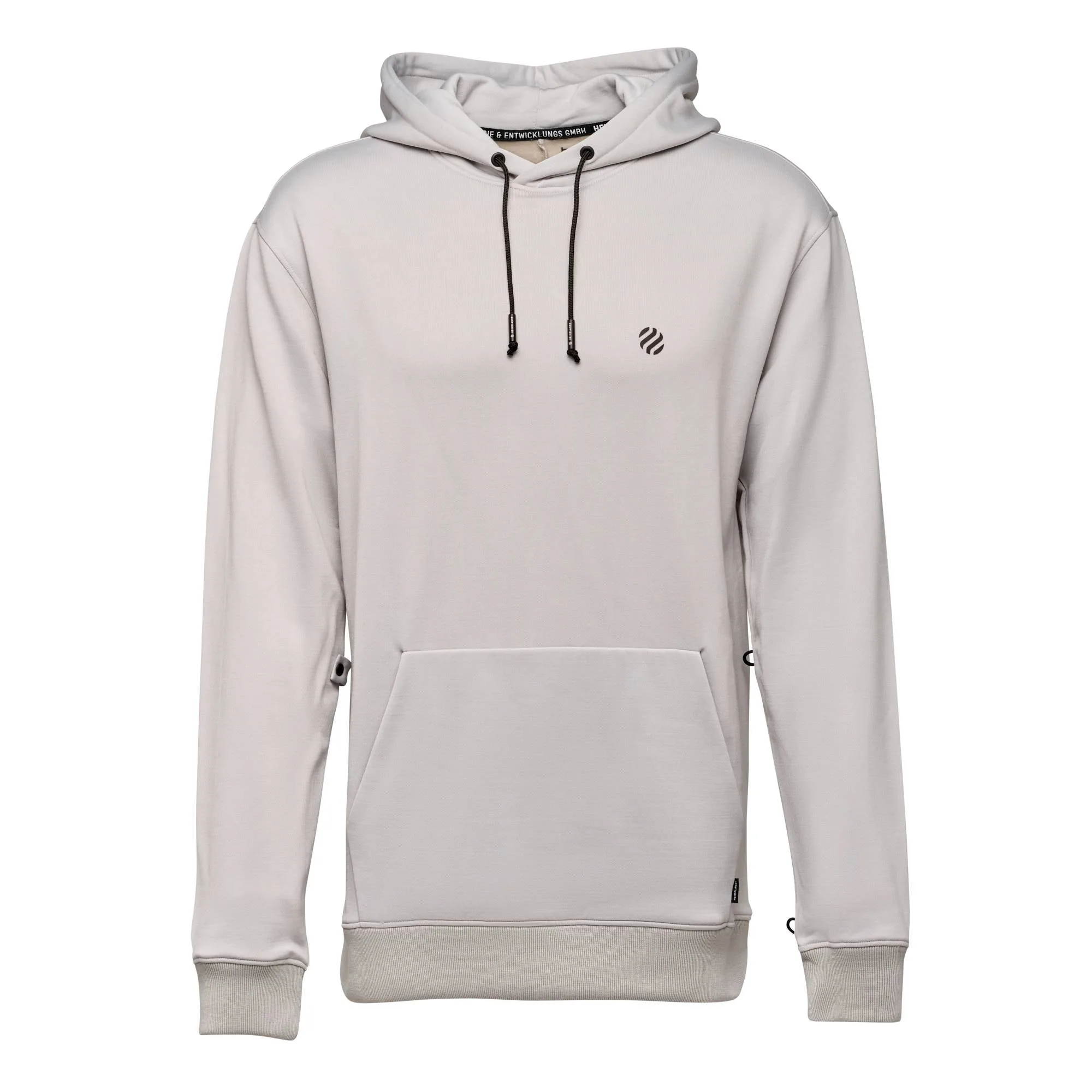
Merino Blend Hoodie; Light Gray
- Fleece: breathable, fast-drying, great for active use
- Down: lightweight, compressible, best for dry cold
- Synthetic: performs well when wet, durable
Outer Shell: Your Shield Against the Elements
The outer shell is your last line of defense. It protects you from wind, rain, and snow while allowing moisture from your inner layers to escape. A good shell should be both waterproof and breathable. Look for jackets with sealed seams, adjustable hoods, and pit zips for ventilation. For camping in heavy snow or rain, a Gore-Tex or similar membrane is ideal. For milder conditions, a softshell jacket may be sufficient—it offers wind resistance and some water repellency while being more flexible and quiet.
When choosing an outer shell, consider the type of camping you'll be doing. For backpacking, a lightweight, packable shell is essential. For car camping, durability and extra features like multiple pockets may be more important. Don't forget about your lower body: waterproof pants or gaiters can keep your legs dry and warm. A good shell completes your layering system and ensures you stay dry even in a sudden downpour.
- Waterproof membrane (e.g., Gore-Tex) for heavy precipitation
- Pit zips for ventilation during high activity
- Adjustable hood and cuffs to seal out wind
Layering for Different Activities and Conditions
Your layering system should be dynamic, not static. When you're hiking uphill, your body generates significant heat, so you may want to strip down to your base layer and a lightweight mid layer. Once you reach camp or stop for a break, add layers to prevent chilling. A common mistake is wearing too many layers during activity, which leads to excessive sweating and then rapid cooling when you stop. Learn to 'layer on the go'—start cool and add layers as needed.
For sleeping, consider a dedicated sleep layer. Many campers use a fresh base layer and a lightweight down or synthetic jacket inside their sleeping bag. This adds warmth without the bulk of daytime layers. Also, pay attention to your extremities: hands, feet, and head lose heat quickly. A warm hat, gloves, and thick socks are essential. The HPT Headband; Cairo Camo is a great accessory for keeping your ears warm without overheating your head, and it pairs well with a hooded mid layer or shell.
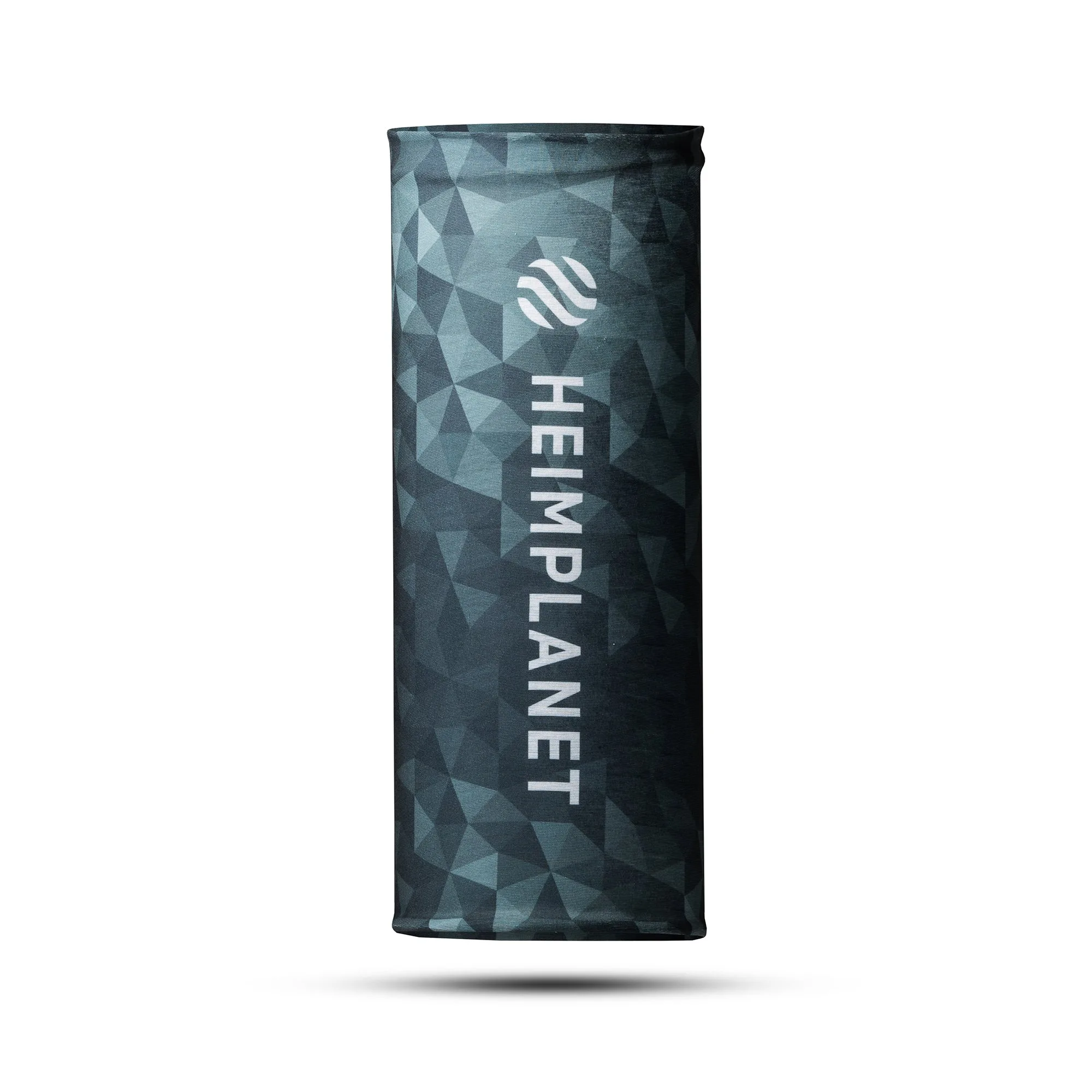
HPT Headband; Cairo Camo
- Start cool when active; add layers when resting
- Use a separate sleep layer for maximum comfort
- Don't forget head, hands, and feet
Essential Accessories and Additional Tips
Beyond the three main layers, accessories play a vital role in cold-weather camping. A warm beanie or headband, insulated gloves or mittens, and wool or synthetic socks are must-haves. Consider a neck gaiter or balaclava for extra face protection in windy conditions. Footwear is also critical: insulated, waterproof boots with good traction will keep your feet warm and dry. If you're camping in deep snow, gaiters prevent snow from getting into your boots.
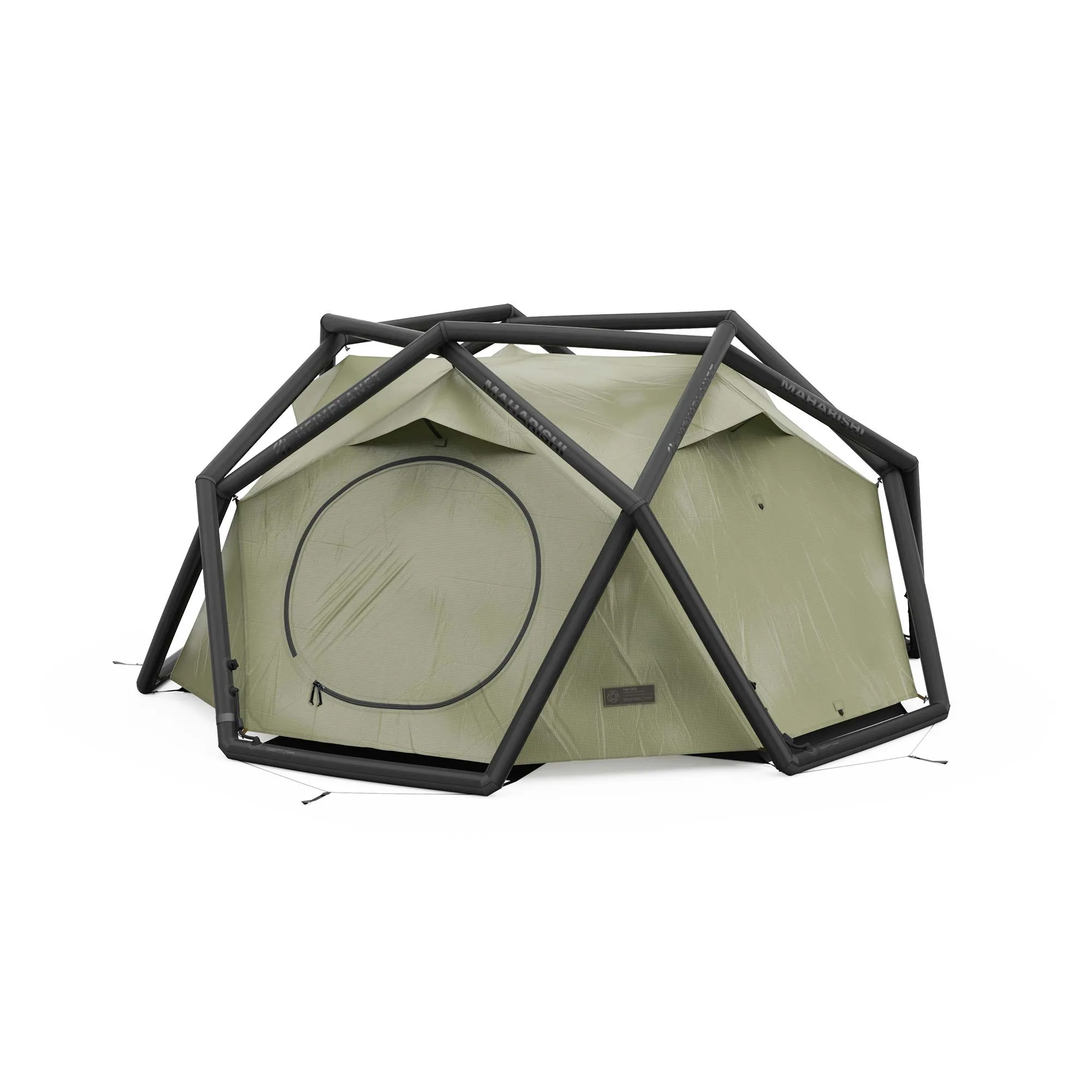
Another often-overlooked item is a camp pillow or sleeping pad with a high R-value to insulate you from the cold ground. And don't forget about your shelter—a well-ventilated tent reduces condensation, which can dampen your layers. Heimplanet's THE CAVE; 3-Season, Black/Cairo Camo tent is designed for four-season use and provides excellent weather protection, making it a reliable home base for your cold-weather adventures.
- Insulated, waterproof boots for snow and wet conditions
- Neck gaiter or balaclava for face protection
- High R-value sleeping pad to prevent ground heat loss
Building an effective layering system is the cornerstone of comfortable cold-weather camping. By choosing the right base, mid, and outer layers—and pairing them with quality accessories and shelter—you can enjoy the outdoors even when temperatures drop. Start with a reliable base layer like the Merino Blend Hoodie; Light Gray from Heimplanet, and build your system from there. Explore more gear at Heimplanet to complete your cold-weather camping setup and make your next trip your warmest yet.