Quick answer
Apply your nighttime skincare from thinnest to thickest: cleanse, tone if you use one, then a lightweight hydrating serum, then collagen patches, and finish with moisturizer around—not over—the patches. The best time to apply collagen patches is right after your water-based serum has absorbed but before any occlusive balm or oil. This order lets the patch sit against clean, hydrated skin without sliding off.
Why layering order changes how collagen patches perform
A patch can only hold onto the skin it touches. If you apply a rich cream or facial oil first, it creates a slippery barrier that stops the patch from staying put. Water-based serums absorb quickly and leave a slightly tacky surface that helps the patch grip. That is why the practical rule is: water-based layers first, patches next, oil-based or thick creams last and only around the edges.
How to prep skin so patches stay put until morning
Start with a clean, completely dry face. Any leftover cleanser residue or dampness can weaken adhesion. If you use a toner, pat it in and wait about a minute. If you use an active like retinol or a strong acid, apply it on a different night or keep it well away from the patch area, because those ingredients can make skin more sensitive under an occlusive patch.
Where collagen patches fit if you also use microdart patches
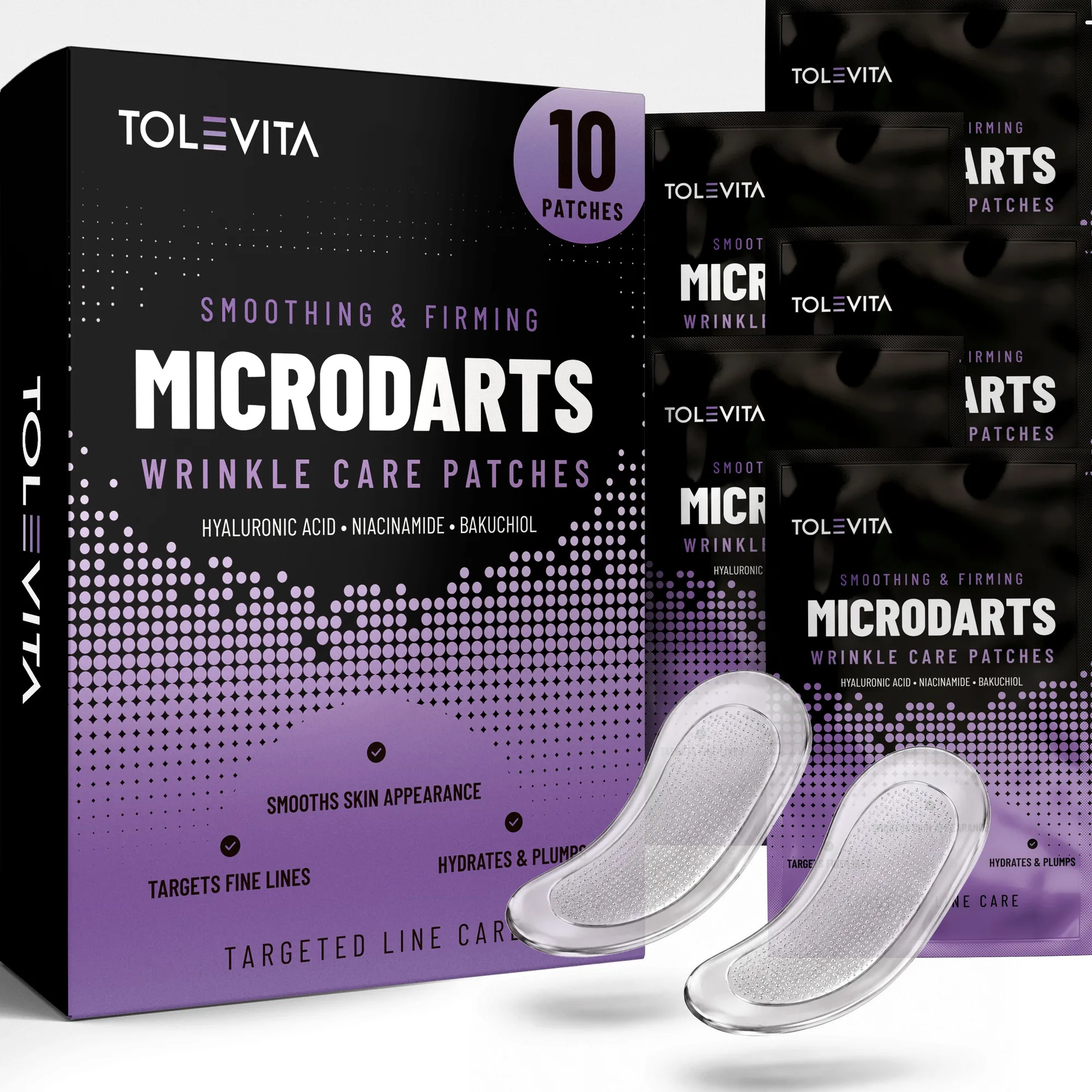
Microdart patches and collagen patches solve different problems, so do not stack them on the same spot. Use microdart patches on expression lines or targeted areas first, let them do their work, and save the broader collagen patch for a different night or a different zone. Treating them as separate steps keeps each product in contact with skin instead of fighting for the same square inch.
How long to leave collagen patches on and when to remove them
Overnight is the most common approach because it gives the patch time to sit undisturbed while you sleep. If you are a restless sleeper or side sleeper, a shorter wear time of 20 to 30 minutes in the evening can still fit your routine without the patch shifting. Remove gently from the edges, then follow with moisturizer if skin feels tight.
Nighttime collagen patch steps
- 1. Cleanse and fully dry: Wash with a gentle cleanser, then wait until your skin feels completely dry to the touch. Common mistake: patting dry and applying immediately while skin is still damp, which weakens adhesion. Checkpoint: skin should feel smooth and matte, not slippery.
- 2. Apply a water-based serum: Press in a lightweight hyaluronic acid or hydrating serum and give it about 60 seconds to absorb. Common mistake: using a thick cream or oil here, which leaves a film the patch cannot grip. Checkpoint: your face should feel slightly tacky, not wet.
- 3. Place the collagen patch: Smooth the patch onto the target area from the center outward, pressing down the edges. Common mistake: stretching or tugging the patch, which lifts the corners before you are even in bed. Checkpoint: no lifted edges when you turn your head.
- 4. Seal the edges with moisturizer: Apply your night moisturizer around the patch, not over it, unless the patch is fully adhered and you are using a very thin lotion. Common mistake: slathering cream directly on top, which can make the patch slide off during sleep. Checkpoint: patch stays flat when you press gently.
- 5. Sleep and remove gently: Leave the patch on overnight, then peel it off slowly from the outer edge in the morning. Common mistake: ripping it off quickly, which can irritate the skin underneath. Next step: follow with moisturizer and sunscreen if you are heading out.
Products that fit this routine
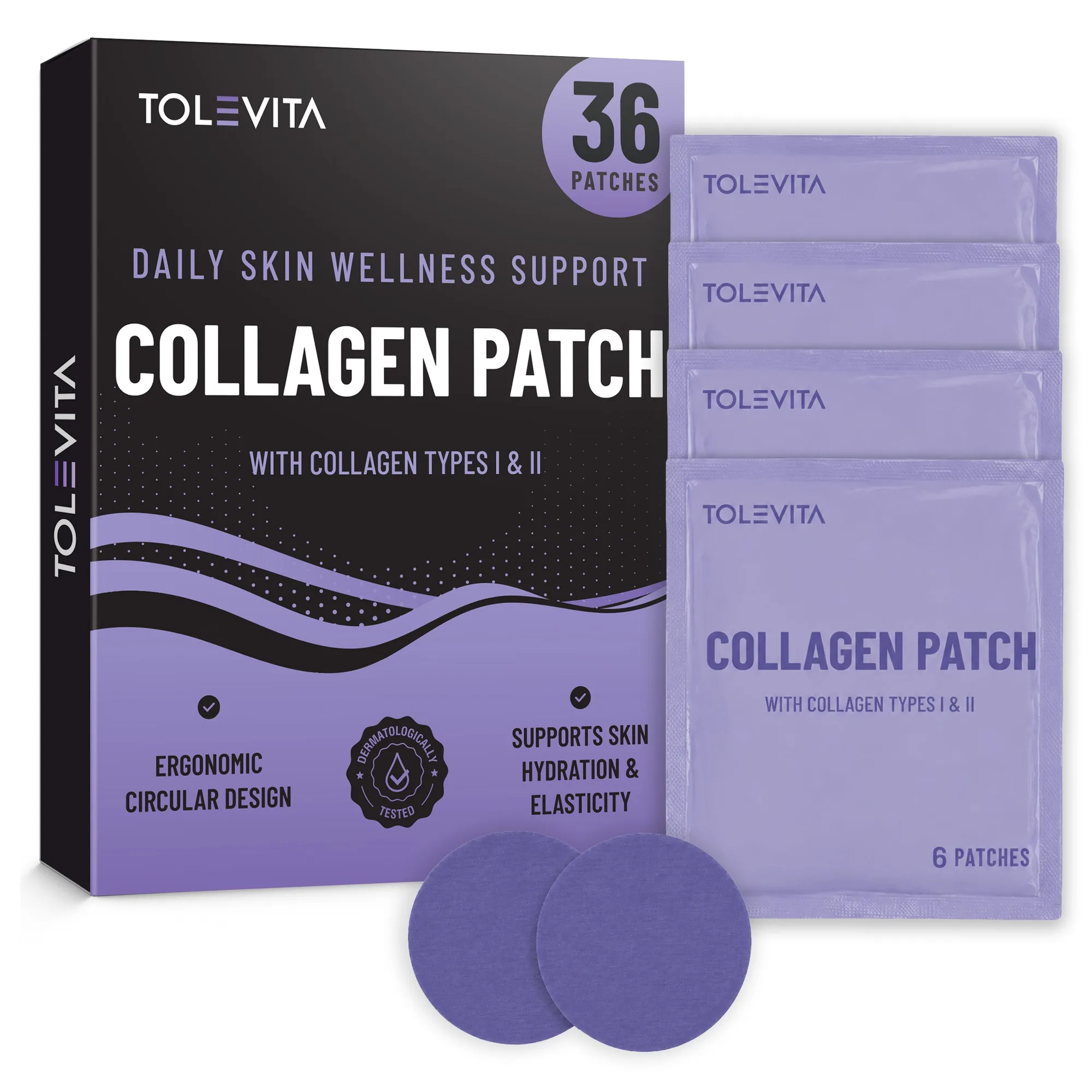
- Collagen Patches, Daily Skin Wellness & Hydration Support with Collagen Types I & II, Hyaluronic Acid & Vitamin C, 36 Patches: Collagen Patches with Collagen Types I & II, Hyaluronic Acid & Vitamin C, 36 patches per pack. A larger count makes it easier to test a patch night two or three times a week without running out during the learning curve.
- Microdarts Wrinkle Patches, Smoothing & Firming Patches with Bakuchiol, Hyaluronic Acid & Niacinamide, 10 Patches: Microdarts Wrinkle Patches with Bakuchiol, Hyaluronic Acid & Niacinamide, 10 patches per pack. Better saved for targeted fine lines on a separate night rather than layered directly under a collagen patch.
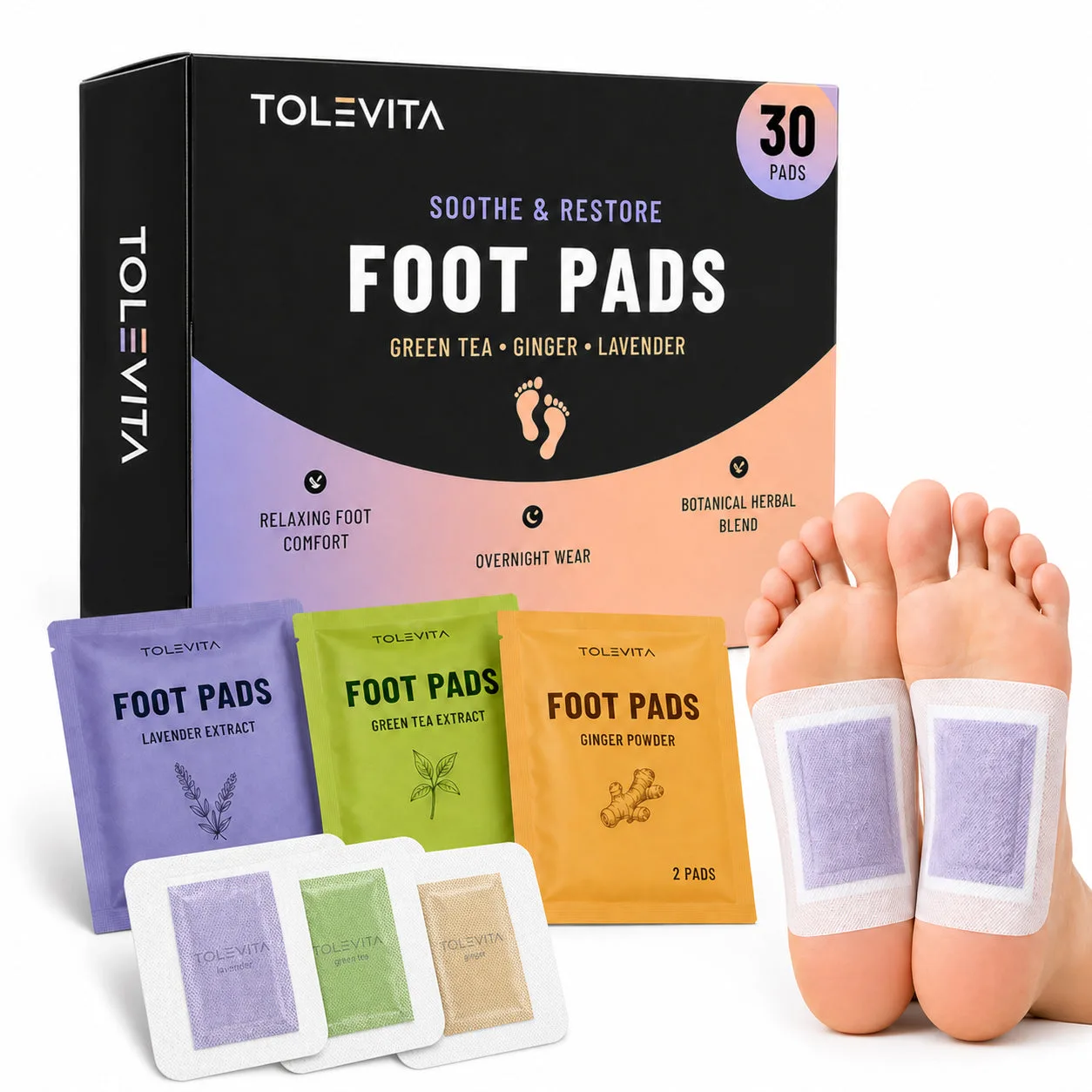
- Foot Pads, Overnight & Soothing Foot Pads for Relaxation & Nighttime Comfort with Green Tea, Ginger & Lavender, 30 Pads: Foot Pads with Green Tea, Ginger & Lavender, 30 pads, designed for overnight relaxation and comfort. A useful add-on if you already have a nightly wind-down routine and want to extend the same patch habit to your feet.